
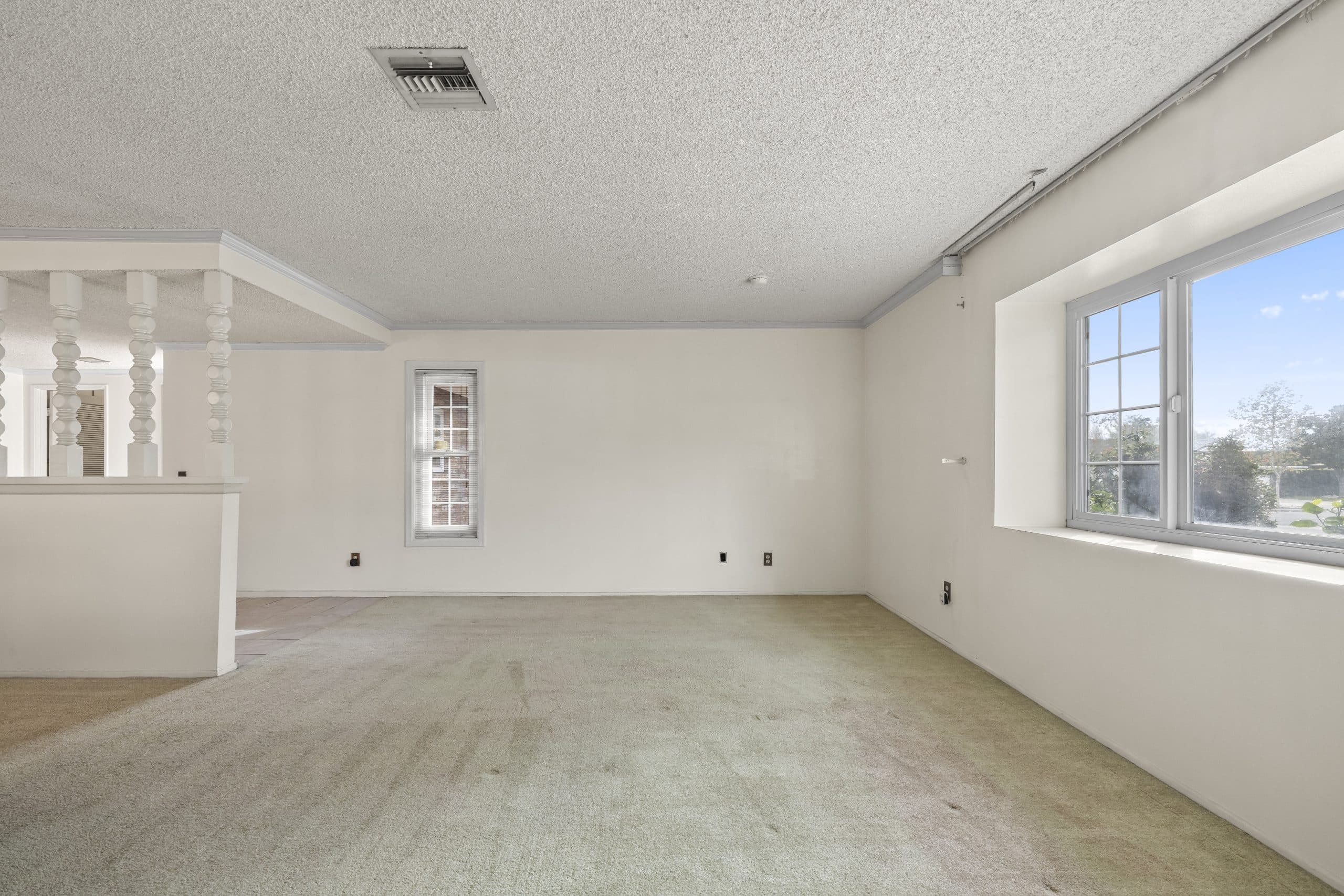
Photographs are the only part of a listing that every buyer sees, and they are the part most often shot on whichever Tuesday the schedule allowed. In a town whose defining features are a mature tree canopy and a mountain backdrop, that is a genuinely expensive habit, because both of those features are seasonal and neither of them waits.
This is the practical version: what each season gives a photographer in Claremont, what it takes away, and how to schedule around it. It is a companion to the four selling guides, and it matters most in the seasons where the light is working against you, which is the case argued in the winter selling guide.
The two features that make Claremont photograph differently
THE CANOPY IS THE FIRST. Mature street trees are the reason a Claremont block looks like a Claremont block, and they also throw dense, mottled shade across a facade for much of the year. Under a big tree, the difference between the sunlit patches and the shadow is more than a camera can hold in one frame, and the result is a house that looks blotchy rather than handsome. The answer is almost never a brighter day. It is an overcast one, or the flat light shortly after sunrise and before sunset, when the shade and the sun are closer together.
THE MOUNTAINS ARE THE SECOND. The foothill backdrop is the town's signature, and it is only reliably visible when the air is clear. Clear air here is a weather event rather than a season, and it follows rain. That single fact should govern the exterior shoot in the wet months.
Spring: the season that flatters everything
Spring is the easy season and the reason so many listing photographs look the same. The canopy has leafed out but not yet reached its heaviest shade, gardens are performing, and the light is generous without being harsh. The spring guide describes just how flattering it is.
Two cautions. First, a spring photograph sets an expectation the property may not meet when a buyer visits in July, and a visible mismatch between the images and the house costs trust at exactly the wrong moment. Second, spring listings compete against other spring listings shot in the same conditions, so the season's generosity is not an advantage, it is the baseline. What distinguishes a listing in April is composition, staging and the interiors, not the weather.
Summer: shoot early, shoot late, never at noon
High summer offers long days and reliable weather, and it punishes anyone who uses the middle of them. Midday sun is directly overhead, contrast is extreme, shadows are short and unflattering, glare bounces off every hard surface, and any heat shimmer at ground level shows in a wide exterior.
The workable windows are early morning and the hour or two before sunset. Evening light is the more useful of the two for most Claremont facades, and it has a second advantage: interiors lit warmly against a blue dusk exterior are the most persuasive images a summer listing can produce, and they take planning rather than luck.
Summer also strains the landscape, which is the whole subject of the drought curb appeal guide. Photograph the front garden in the softer light and let structure carry it. Shooting a stressed landscape in flat overcast light, where possible, is kinder than shooting it in direct sun.
Fall: the best colour and the shortest patience
Autumn produces the most distinctive exterior photographs of the Claremont year. The canopy turns, the light is low and golden, the air is often unusually clear, and streets planted a century ago do something no staging budget can buy.
The catch is that the window is narrow and unpredictable. Colour does not arrive on a date, and once it goes over, the same street is bare within weeks. If a listing is coming to market in autumn, treat the exterior shoot as the schedule's fixed point and arrange everything else around it, rather than the reverse.
Leaf drop then becomes a standing maintenance job, since walks, drives, gutters and pools need clearing before every shoot and every showing, not once at the start.
Winter: wait for the day after the storm
Winter is the season most likely to produce a genuinely remarkable Claremont exterior, and the season most likely to produce a flat and disappointing one. The difference is entirely a matter of when you shoot.
The days immediately after a storm deliver the clearest air of the year and put snow on the mountains behind mild valley streets, which is the town's most recognisable image and is described in the winter guide. A photographer who can be booked on short notice for that window is worth more than one booked three weeks in advance for a fixed date.
Interiors need the opposite discipline. The sun sits low, the day is short, and windows will not carry a room on their own. Light the interior properly, shoot earlier in the day than feels natural, and accept that the winter interior shoot takes longer than the summer one. Bare deciduous trees also expose neighbouring structures that summer foliage hides, so check what is now visible in the background of a frame that worked in June.
Scheduling rules that hold in every season
SHOOT BEFORE THE LISTING GOES LIVE, not in the first week after. A listing that appears with placeholder or phone photographs is spending its best week of attention on its worst images.
MATCH THE PHOTOGRAPHS TO THE SEASON THE BUYER IS STANDING IN. A listing running in February with obviously autumnal images looks stale, and a buyer notices before they can articulate why. A listing that carries into a new season is worth re-shooting, at minimum for its exteriors.
KEEP THE HOUSE PHOTOGRAPH-READY FOR SHOWINGS. The gap between a professionally staged image and the house someone walks into is the single most common source of disappointment at a viewing, and it is entirely self-inflicted.
AND HOLD THE DECORATIONS OUT OF THE FRAME. Seasonal display in a photograph date-stamps a listing permanently, a point made in the holiday listing guide.
The rest of the seasonal library is on the seasonal guides hub.
Anthony Grynchal has been licensed in California since November 2009. In Claremont the best exterior photograph of the year is usually taken on about four days, and none of them are scheduled in advance.
Frequently asked questions
When is the best time of year to photograph a Claremont listing?
Spring and autumn are the most generous, spring for the garden and autumn for the canopy colour and low golden light. Winter can produce the town's most striking exteriors in the clear days immediately after a storm, when snow sits on the mountains. High summer works only in early morning or the hour before sunset.
Why do Claremont exterior photos often look blotchy?
The mature street canopy throws dense mottled shade across facades, and the contrast between the sunlit patches and the shadow is more than a camera can hold in one frame. The fix is an overcast day or the flat light near sunrise and sunset, not a brighter one.
Should I re-photograph my Claremont listing if it carries into a new season?
The exteriors, at minimum. A listing running in February with visibly autumnal images reads as stale, and buyers notice before they can say why. It is also why seasonal decorations should never appear in listing photographs, since they date-stamp a listing permanently.
How should interiors be photographed in winter in Claremont?
With more light and more time than summer requires. The sun sits low and the usable day is short, so windows will not carry a room on their own. Shoot earlier in the day than feels natural and light the interior deliberately. Check backgrounds too, since bare deciduous trees expose neighbouring structures that summer foliage hides.

Written by
Anthony Grynchal
Anthony Grynchal is a California real estate professional with eXp Realty, licensed since November 2009 (California DRE# 01873626), and the Designated Local Expert™ for Claremont — where he has lived for more than 33 years.
More about AnthonyPublished · Updated