
Every town has a season it was built for, and Claremont's is spring. The City of Trees spends the wet months quietly banking its canopy, and then — across a few unreasonably pleasant weeks — the whole investment pays at once: streets under new leaf, gardens a century in the making, mountains still carrying snow behind green foothills, and a population that moves its life outdoors more or less in unison. This article is the resident's map of the season: what spring here actually feels like, the homeowner's checklist it quietly assigns, and why the real estate calendar wakes up with the garden. It deepens the seasonal guide's year.
What the season looks like from a Claremont sidewalk
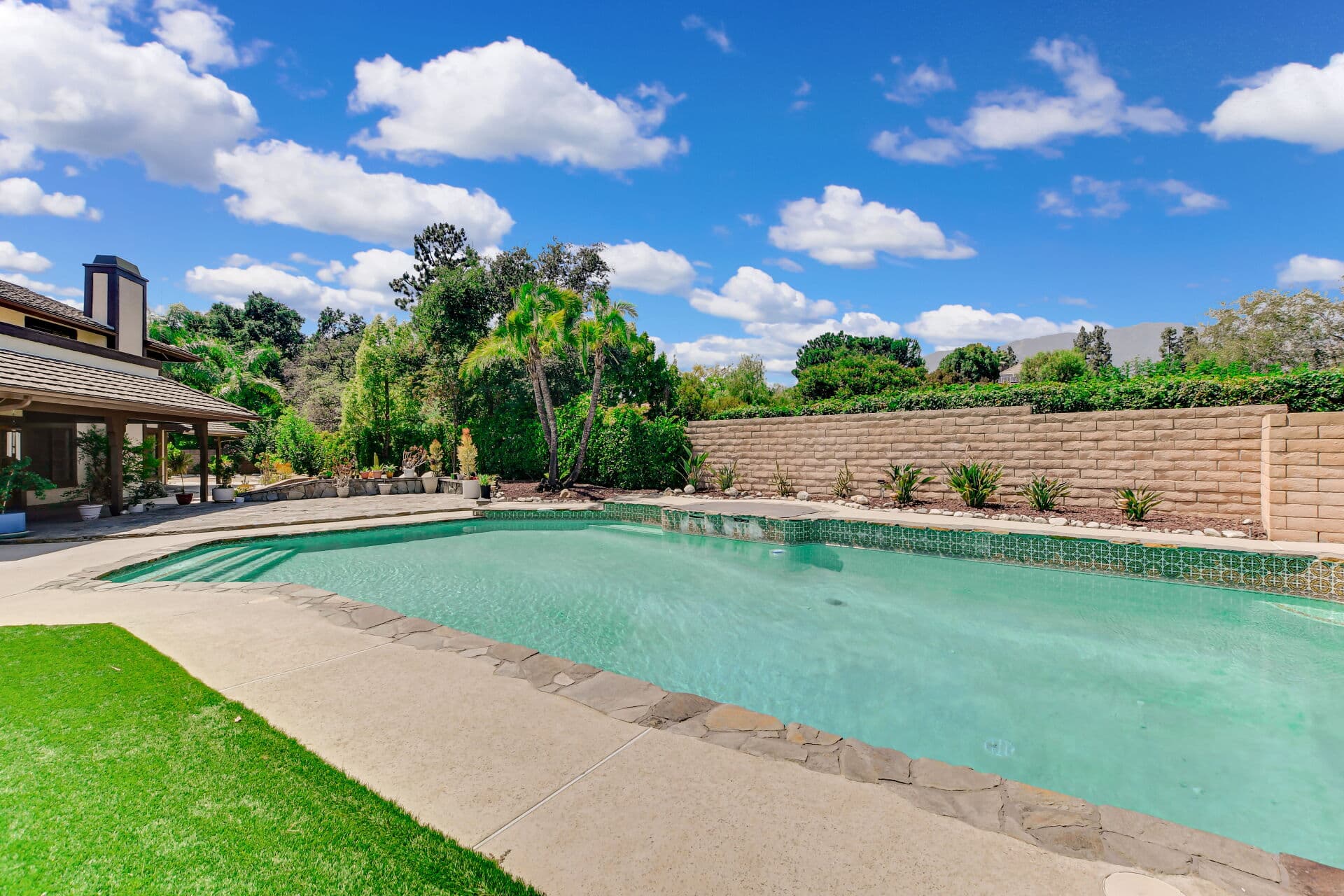
The spring show is the town's built fabric doing what it was planted to do. The canopy leafs out street by street; the older neighborhoods' mature gardens — camellias, wisteria, citrus in blossom, the jacarandas holding their purple for late spring — put on the display that decades of tending buys; and the foothill backdrop stays snow-capped into the warm days, producing the postcard contrast the town's photographers never tire of. The daily rhythm follows the light: the Village's outdoor tables fill, the farmers-market morning becomes a social calendar fixture again, and the trail network into the foothills — the parks guide's territory — hits its sweet spot between winter mud and summer heat. Spring evenings here are the town's best argument for itself, which is worth knowing for reasons the market section below makes obvious.
The homeowner's spring checklist
Spring assigns Claremont owners a specific work list, and the maintenance cluster's calendar concentrates here for a reason. INSPECT WINTER'S WORK: this is the season to walk the property with binoculars — roof lines, gutters, and limbs, exactly the post-storm inspection the canopy guide schedules for spring, catching what the wet season did while repairs are cheap and contractors bookable. GARDEN AND IRRIGATION: as the landscape wakes, the irrigation system gets its annual audit — heads, timers, drip lines — before summer demand arrives; on mature lots the spring pruning-and-planting window sets up the whole year. BOOK THE SUMMER TRADES NOW: the canopy guide's advice to schedule arborist work ahead applies doubled in spring, when everyone else discovers the same needs; the owner who books in April is served in June, and the one who calls in June waits. And AIR OUT THE SYSTEMS: the first warm week is the honest test of the cooling system — run it before the heat does, because HVAC calendars in an inland town fill exactly when you would expect.
Why the market wakes with the garden
Spring is the classic opening of the listing season, and in Claremont the mechanics are visible from the sidewalk: the town literally looks its best (curb appeal is seasonal, and this is its peak), family buyers start shopping on the school-year clock that runs their lives, and the longer evenings expand the showing day. The result is the annual double-edge — more buyers in motion AND more sellers competing for them — which is a strategy question, not a weather observation, and it gets the full treatment in the selling-in-spring playbook, with the summer sequel in the family-move-window guide. For BUYERS the season's translation is simpler: inventory improves and so does competition — the preparation disciplines this site teaches (pre-approval built, criteria decided) matter most exactly when the good listings arrive in a rush. And for everyone else, spring is simply the season to be shameless about enjoying the town you bought into — the show only runs a few weeks.
Anthony Grynchal has been licensed in California since November 2009, and spring remains his favorite argument for this town — the season when every long-tenure garden and hundred-year street tree explains, wordlessly, what people are actually buying here. This is general information; your own property's checklist and the current season's dates govern the particulars.
Frequently asked questions
What is spring like in Claremont?
The town's showcase season: the canopy leafs out, mature gardens bloom — camellias, wisteria, citrus, late-spring jacarandas — and the foothills stay snow-capped behind green slopes. Life moves outdoors: Village tables, farmers-market mornings, and a trail network at its sweet spot between winter mud and summer heat.
What should Claremont homeowners do in spring?
Four jobs: inspect winter's work (roof, gutters, limbs — the post-storm walk with binoculars), audit the irrigation system before summer demand, book summer arborist and HVAC trades early, and test the cooling system on the first warm week rather than the first hot one.
Is spring the best time to sell in Claremont?
It is the classic listing season: the town looks its best, family buyers shop on the school-year clock, and long evenings expand showings. The double-edge is real — more buyers and more competing sellers — which makes spring a strategy question the selling-in-spring playbook covers properly.
When do the jacarandas bloom in Claremont?
Late spring is their season — the purple show arrives as the rest of the bloom matures, timing that varies year to year with the weather. Treat it as the season's closing act rather than a fixed date, and enjoy the sidewalks while it runs.

Written by
Anthony Grynchal
Anthony Grynchal is a California real estate professional with eXp Realty, licensed since November 2009 (California DRE# 01873626), and the Designated Local Expert™ for Claremont — where he has lived for more than 33 years.
More about AnthonyPublished · Updated