Buyers evaluate a street with their eyes and then live on it with their ears.
A showing is an hour, on one day, in one season, usually at a convenient time - which is to say the least representative hour available. Sound is the property characteristic most distorted by that, because a block does not have one sound. It has four, and they arrive on a schedule.
This is not about noise complaints. It is about knowing what you are buying into, because the acoustic character of a street is one of the things people adapt to happily when they expected it and resent permanently when they did not.
Why sound changes with the season
Three mechanisms, all of them local.
Windows. For a good part of the year in this climate, houses are open. Open windows on your house and on every house around you means you hear the neighborhood, and it hears you. In the heat and the wet months the same block goes quiet simply because everything is shut.
Foliage. A dense canopy absorbs and scatters sound. When the deciduous part of that canopy drops, a street can genuinely get louder, and a distant road or rail line that was inaudible in one season becomes noticeable in another.
Occupancy. The town's population and rhythm shift with the academic year and with the seasons. Streets fill and empty, and the times of day when people are around move with them.
The four sounds of a Claremont year
The mild months. The busiest acoustic season, and the most pleasant. Windows open, people outside in the evenings, yard work on weekend mornings, conversation carrying across fences. This is the season where you hear your neighbors as neighbors, and where a block feels either friendly or crowded depending on your temperament.
The heat. Two things dominate. Houses close up, which mutes conversation and street life for a good part of the day. And cooling equipment runs, so the ambient background rises - the compressor next door is a summer instrument, and on a lot where units sit close to a bedroom window it is the summer sound that matters most.
The windy, leafy stretch. The noisiest maintenance season of the year. Leaf handling across a canopy town takes weeks, and it is loud in short bursts, on weekday mornings, repeatedly. Wind itself adds its own noise - moving trees, loose gates, and things a household did not know were loose.
The wet, short months. The quietest. Everything is closed, people are indoors, outdoor work stops. Rain adds its own layer and masks a good deal else. This is the season in which a street sounds the best it will ever sound, which is worth remembering if you happen to be touring in it.
What to actually check
The point of understanding the pattern is to correct for the season you are standing in.
- Look for the sources, not the sound. Where is the nearest arterial road? Is there a rail corridor, a flight path, a school, a sports field, a commercial use, a delivery bay? These are visible on a map and stable across the year, unlike whatever you heard at eleven on a Tuesday.
- Find the mechanical equipment. Walk the side yards. Note where cooling units sit, on this house and on the neighbors, and how close they are to bedrooms. This is a summer question you can answer in any season.
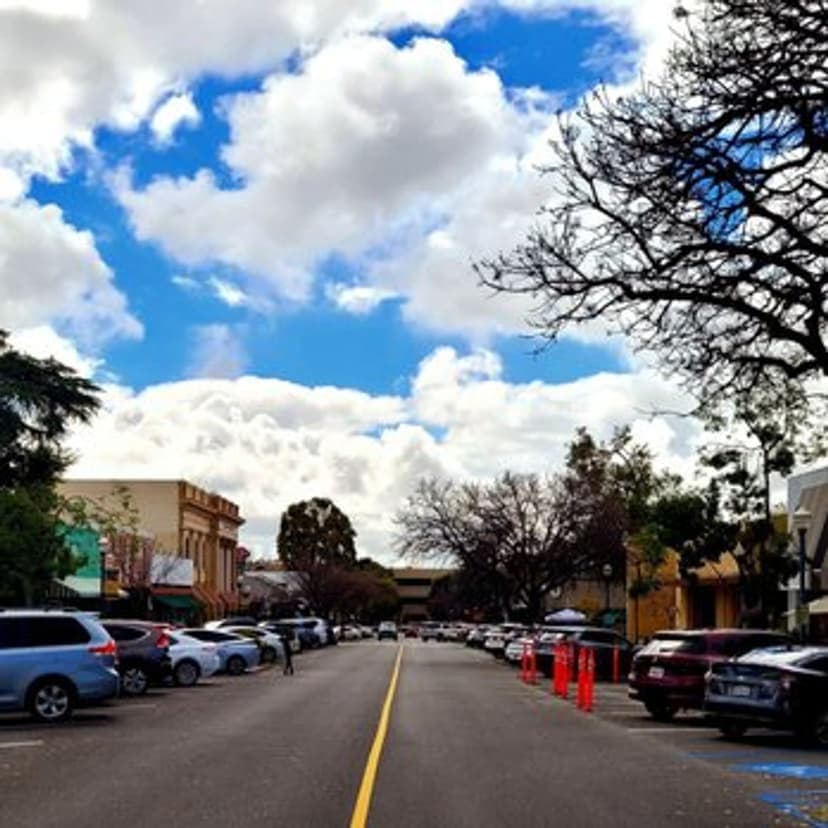
- Look at the canopy. Ask what the street looks like when the deciduous trees are bare, because that is the loud version of the block. What each species does and when is in the color calendar.
- Go back at a different hour. Ideally early evening on a weekday and mid morning on a weekend. Those two visits tell you more than any number of midday tours.
- Ask directly. A neighbor outside on a mild evening will usually tell you exactly what the street is like, including the parts nobody puts in writing.
Sound travels differently on a foothill lot
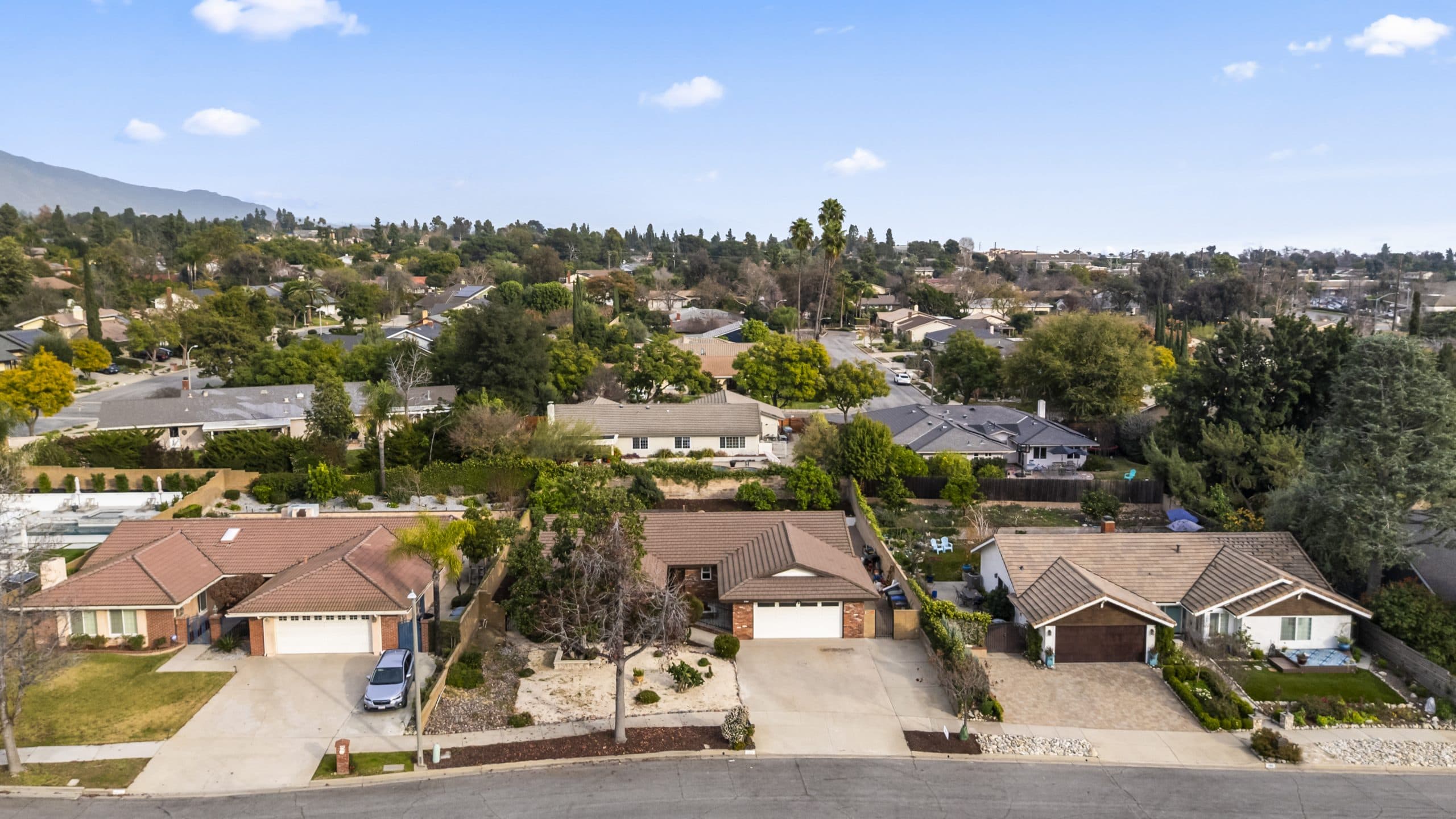
One more local factor. Ground that slopes carries sound further than flat ground, and a house sitting above a road hears more of it than a house sitting level with the same road behind a solid frontage.
The practical version: on a sloping street, check what is uphill and downhill of the property, not only what is beside it. A yard that is open to the fall of the land will hear more of the neighborhood than its neighbor two doors along whose lot is enclosed. This is also why two houses on the same block can genuinely disagree about how quiet the street is, and why both of them are right.
The seasonal trap in both directions
Touring in the quiet months and buying without checking means the mild season arrives as a surprise, and it is the season when a block is at its most social - which is delightful or intolerable depending on who you are.
Touring in the busy months has the opposite risk: judging a street harshly on a weekend morning when three households happen to be doing yard work at once.
Neither snapshot is the truth. This is the same problem the whole cluster keeps circling - a house and a street are being evaluated in one frame of a year-long film, discussed further in how a street changes through the year.
The reasonable conclusion
Sound is not usually a reason to walk away from a good house. It is a reason to know what you are getting, and to weigh it against the things that also come with a lively canopy street - shade, walkability, and neighbors who are actually outdoors.
The mistake is not buying on a noisy block. It is buying on one you thought was silent because you visited in the rain.
Anthony Grynchal has been licensed in California since November 2009.
Read the rest of the local year at the seasonal guides hub, and see the season it is loudest in via the fall guide.
Frequently asked questions
Why does a street sound different in different seasons?
Three reasons. Houses are open for much of the mild part of the year and shut in the heat and the rain, dense canopy absorbs sound and thins when deciduous trees drop, and the town's occupancy and daily rhythm shift with the academic year.
Which season is a Claremont block quietest?
The wet, short months. Houses are closed, people are indoors, outdoor work stops, and rain masks a good deal of background sound. A street toured in that season is being heard at its most flattering.
How can I judge street noise from one showing?
Check the sources rather than the sound. Look at the map for arterial roads, rail, flight paths, schools, sports fields, and commercial uses, walk the side yards to see where cooling equipment sits, and go back at a weekday evening and a weekend morning.
Does the tree canopy really affect noise?
Yes. Dense foliage absorbs and scatters sound, so a street can be measurably livelier once deciduous trees have dropped their leaves. A distant road that was inaudible in one season can become noticeable in another on the same block.

Written by
Anthony Grynchal
Anthony Grynchal is a California real estate professional with eXp Realty, licensed since November 2009 (California DRE# 01873626), and the Designated Local Expert™ for Claremont — where he has lived for more than 33 years.
More about AnthonyPublished · Updated