Two houses on the same street, built the same year to the same plan, can live completely differently. Most of the time the reason is which way they face.
Orientation is one of the few features of a property that cannot be changed, cannot be renovated away, and never appears in the marketing. It also changes character across the year, which is why a buyer touring once in one season can miss it entirely.
This is the seasonal version of the question: what each exposure does through a Claremont year, and how to read it in a single visit.
The geography sets the terms
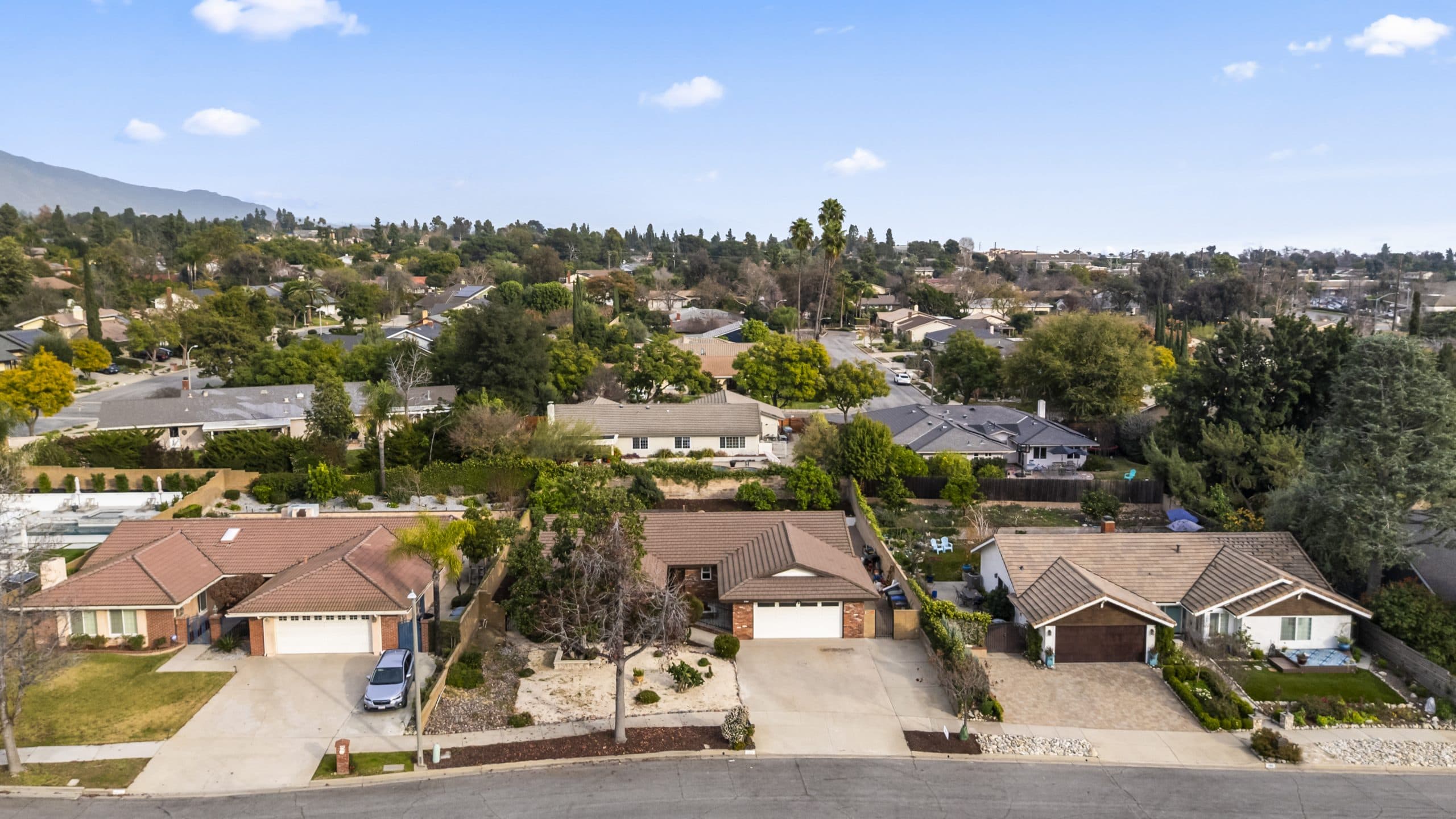
Claremont sits at the base of the foothills with mountains behind it, and the ground generally falls away to the south. That has two consequences worth holding onto.
The first is that the sun's path shifts noticeably between the long and short months. A window that takes a narrow band of high light in summer can take a long, flat, straight-in beam in winter. Same glass, same room, entirely different experience.
The second is that a north-facing back yard is looking toward the house and a south-facing one is looking away from it, which decides how much of that yard is in shade and when.
South-facing: bright all year, hot at the wrong time
South exposure gets the most light across the whole year, which is why it is generally the one people say they want.
The winter behaviour is excellent: low sun reaches deep into rooms, the space feels warm and bright in the season when brightness is scarce, and a south-facing patio can be usable on a cool day.
The summer behaviour depends entirely on whether there is anything overhead. With a deep eave, a covered porch, or mature canopy, high summer sun is largely blocked and the room stays comfortable. Without them, that same glass is a heat source through the middle of the day.
What to check: is there shade above the south glass, and is it permanent or seasonal? A deciduous tree in front of a south window is close to the ideal solution here - shade in the heat, light in the cool months.
West-facing: the exposure that decides your summer
West is the difficult one in this climate, and it is the one buyers most often underestimate.
The problem is not intensity so much as timing. Western sun arrives late in the afternoon, low and straight through the glass, on a house that has already been absorbing heat all day. The result is rooms that keep getting warmer at the exact hour a household wants to be in them, and cooling equipment fighting hardest at the end of the day.
A west-facing yard has the same issue: it is unusable at the hour people want it in the warm months, then perfectly pleasant in the cool ones.
What to check: how much unshaded west glass there is, whether the west elevation has any protection at all, and whether the finishes on that side are aging visibly faster than the rest of the house. Weathering is the giveaway, and it also tells you what the exterior maintenance cycle on that side will look like - the seasonal side of which is in the exterior work guide.
East-facing: the quiet winner in a hot climate
East exposure gets sun when it is gentle and shade when it is punishing, which in a climate defined by heat is a genuinely good trade.
An east-facing patio is usable through breakfast and mid morning in almost every season and is in shade by the worst part of the afternoon. East-facing bedrooms wake up naturally, which some people love and others resent enough to hang blackout curtains.
The drawback is the short months, when an east room can feel dim by early afternoon.
North-facing: even light, cool rooms, an important caveat
North exposure gets soft, consistent, indirect light and very little direct sun. Rooms stay cool, colours look true, and nothing fades quickly. For a studio, an office, or anyone who dislikes glare, it is the best exposure in the house.
The caveat is the cool half of the year. A north-facing room in the short months can feel genuinely cold and flat, and a north-facing yard on a shaded lot can stay damp far longer after rain than the rest of the property, which matters for hardscape, paint, and anything growing there.
Reading it on one showing
You will usually get one visit at one hour. Three things make that visit tell you more.
Establish direction on arrival. Not approximately. Check it, then walk the house knowing which rooms are which.
Look for evidence rather than sensation. Faded flooring and furniture, chalky or cracked sealant on one elevation, blinds that are permanently closed in one room, and window film all tell you what that side of the house does when you are not there.
Adjust for the season you are standing in. A west room toured on a cool morning is being flattered enormously, and a north room toured in high summer is being flattered too. What the seasons hide is covered in what a house hides in each season.
What it is worth
Orientation will not appear on any valuation line. It shows up instead in the running cost of the house, in which rooms get used, in whether the outdoor space is genuinely part of the home, and in how the place feels in the two seasons that test it - all of which the summer season guide works through in detail.
Anthony Grynchal has been licensed in California since November 2009.
Follow the same logic through the year at the seasonal guides hub.
Frequently asked questions
Which orientation is best for a Claremont house?
There is no single answer, but in a climate defined by heat, east exposure is often underrated because it takes sun when it is gentle and shade when it is harsh. South is excellent if there is shade above the glass, and unshaded west exposure is the one most likely to cause discomfort.
Why is west-facing glass a problem here?
Because of timing rather than intensity. Late-afternoon sun comes in low and direct on a house that has already been heating all day, so rooms keep warming at the hour people most want to use them and cooling equipment works hardest at the end of the day.
How can I judge orientation on a single showing?
Establish direction on arrival, then look for evidence rather than how the room feels: faded flooring, chalky or cracked sealant on one elevation, permanently closed blinds, and window film all reveal what a side of the house does when nobody is touring it.
Does orientation matter in the cool months too?
Yes, in reverse. Low winter sun reaches much deeper into south-facing rooms than summer sun does, which is an advantage. North-facing rooms can feel cold and flat in the short months, and shaded north yards stay damp longer after rain.

Written by
Anthony Grynchal
Anthony Grynchal is a California real estate professional with eXp Realty, licensed since November 2009 (California DRE# 01873626), and the Designated Local Expert™ for Claremont — where he has lived for more than 33 years.
More about AnthonyPublished · Updated