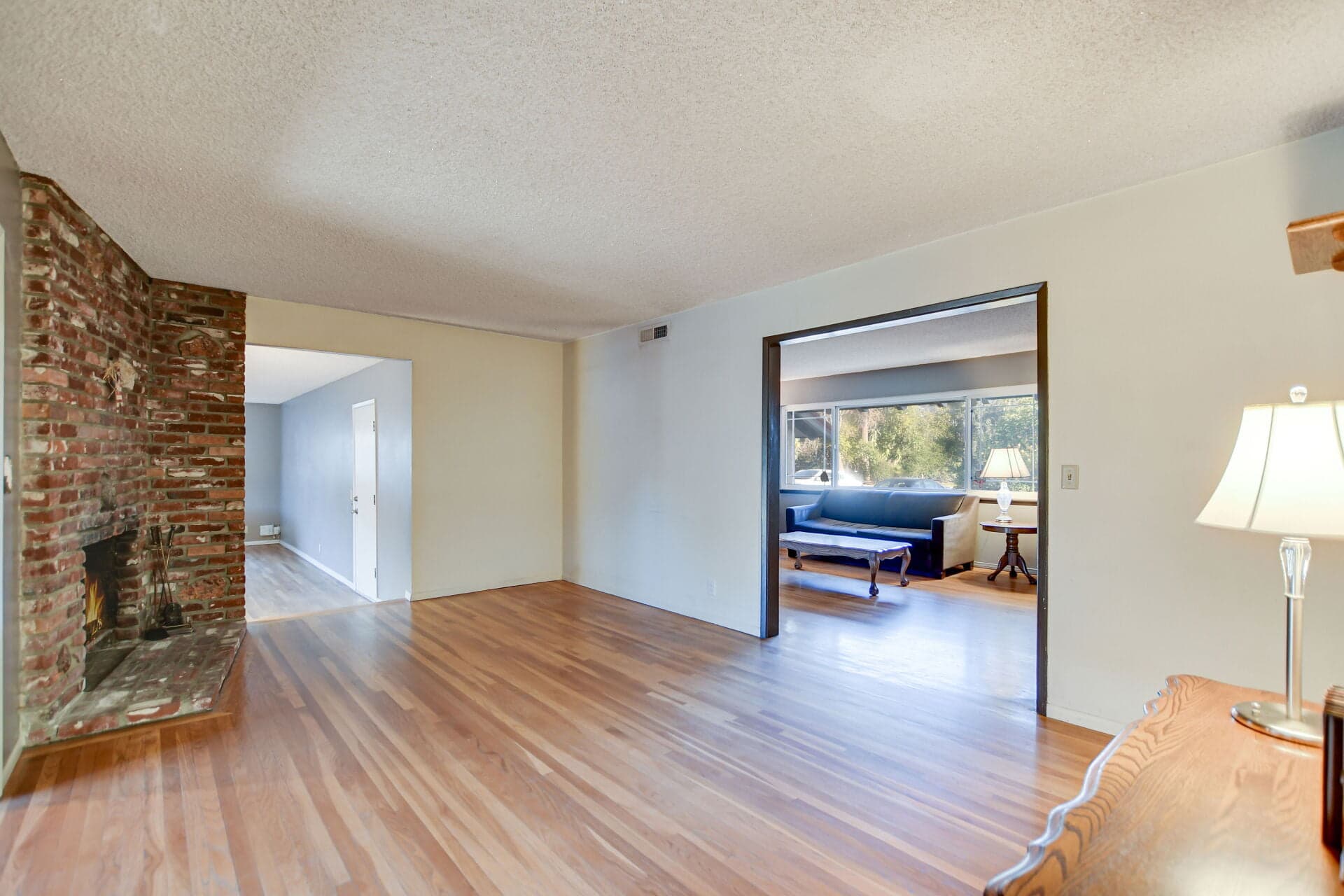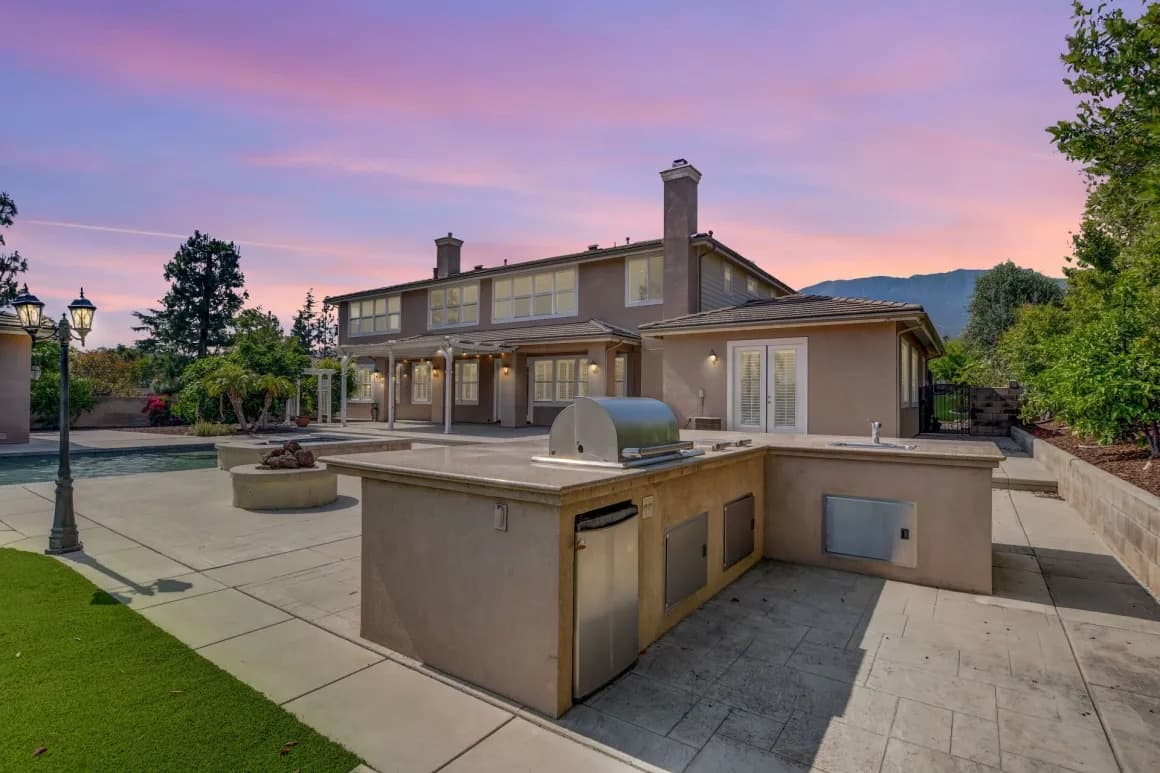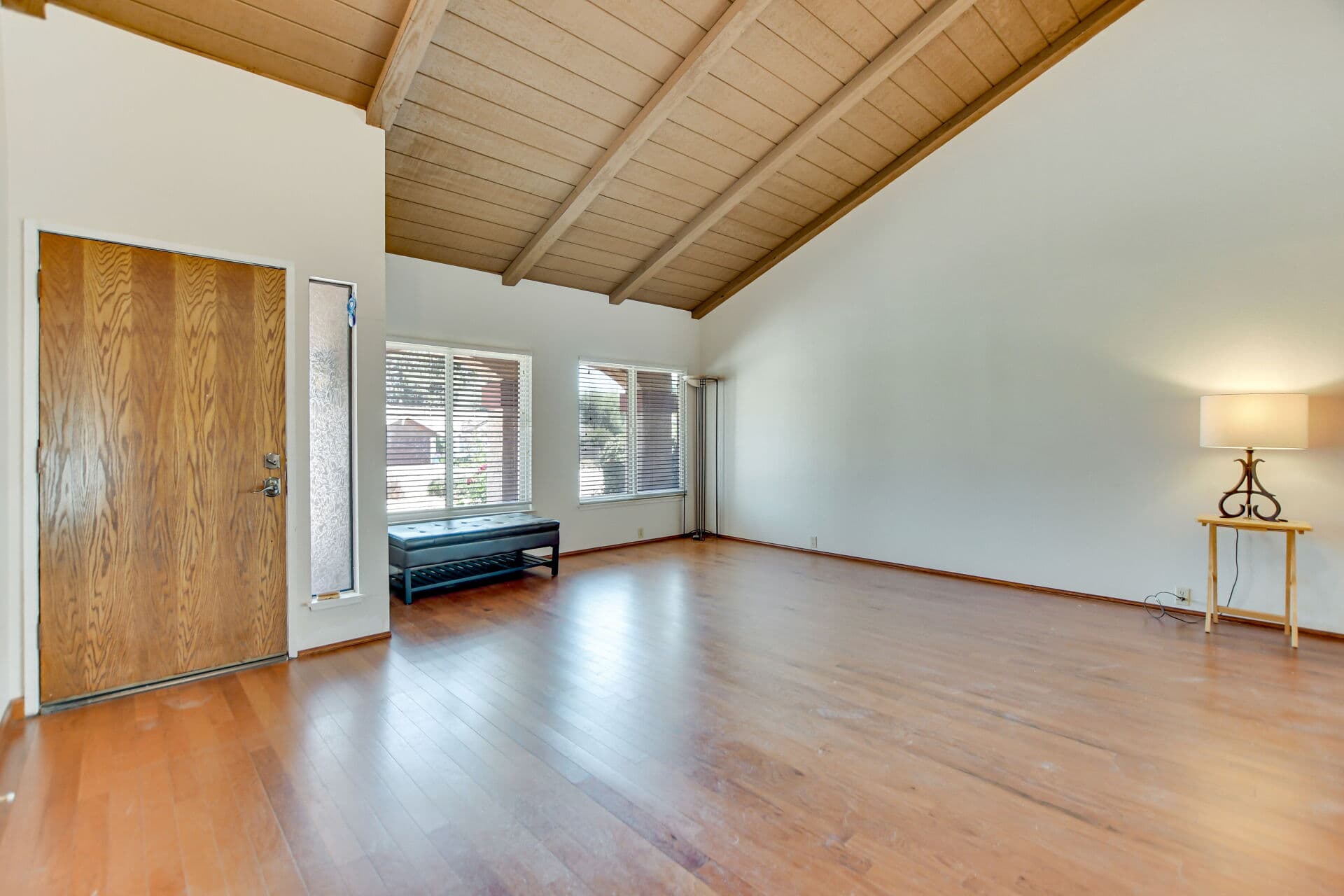
A house is only ever showing you the season you are standing in. Tour a Claremont home in the dry months and the drainage is a theory. Tour it in the cool months and the air conditioning is a claim on a label. Neither visit is dishonest. Both are partial.
This matters more here than in a climate with steady weather all year, because Southern California's year is lopsided. Long stretches pass in which the two systems most likely to fail expensively - the roof and the cooling - simply are not being asked to do anything. A buyer can walk a property, an inspector can spend hours in it, and the house can still keep its secret until the season turns.
What follows is a season-by-season list of blind spots and the workarounds that close them. It is a buyer's article, but sellers should read it too, because the same list tells you which questions you will be asked and which records are worth having ready.
The dry months hide water
This is the big one. Through the long rainless stretch, everything water-related is invisible.
- Roof and flashing performance. A roof that leaks under sustained rain looks identical to one that does not when it is bone dry.
- Grading and drainage. Whether the lot sheds water away from the foundation or ponds against it cannot be observed without water.
- Gutters and downspouts. Rust, separation, and discharge that dumps against a wall all read as cosmetic until it rains.
- Subfloor and crawlspace moisture. Old intrusion may have dried out and left only faint staining that is easy to explain away.
- Slope behavior on hillside lots. How soil holds under saturation is a wet-season property.
The workaround. Ask for records: roof age, any repair invoices, whether the seller has had leaks and where. Have an inspector water-test suspect areas rather than eyeball them. Look for the historical evidence water leaves behind - staining at ceiling perimeters, efflorescence on foundation walls, mineral tracks on stucco below a joint, soil rilling in the yard. And read the drainage question in its own right; when the first sustained storm arrives it settles arguments a dry-season inspection could only guess at.
The cool months hide heat
The reverse blind spot is just as expensive.
- Air conditioning under load. A system can cycle on in mild weather and still be unable to hold a house on a genuinely hot afternoon. Capacity is not testable in the cool season.
- Solar gain. A west-facing wall of glass is a pleasure in the cool months and a problem in the hot ones. Which rooms become unusable, and when, is not visible.
- Attic ventilation and insulation performance. Both matter most exactly when nobody is buying.
- Shade. A deciduous canopy is bare in the cool season, so the shade that actually cools a house in summer is missing from the picture - and so is the leaf litter it drops.
- Irrigation demand. A dormant landscape asks for very little. What it costs to keep alive in the dry heat is another matter.
The workaround. Ask for utility history rather than estimates. Ask the seller directly which rooms get hot and what they do about it - most people answer honestly, because they have lived it. Have the inspector document the age and condition of the cooling equipment and the state of attic insulation even though the system cannot be load-tested. Note the orientation of every major glass wall yourself.
Wind season hides nothing - it reveals
The windy stretch is the one season that exposes rather than conceals. Loose fencing, failing tree limbs, unsecured rooftop equipment, gates that do not latch, screens that rattle out of their tracks - all of it announces itself. The trade-off is that if you buy outside that season, you inherit those conditions untested. The wind guide covers the property-side implications in detail; for a buyer, the practical step is a hard look at mature trees and at anything attached to the exterior that could move.
The green months hide the landscape's real cost
After rain, everything looks handsome. Slopes are green, the canopy is full, beds look established. What is concealed is which of it survives without help, what the irrigation actually costs to run through a long dry summer, and which plants are dead versus merely dormant. Ask what is on irrigation, how many zones, and what happens to the yard when conservation rules tighten.
The seller's version of this list
Sellers do not get to choose their season, but they do get to choose their disclosure posture. A seller who has records - roof work, HVAC service, drainage repairs, utility history - can answer the exact questions a buyer cannot answer for themselves. That is not merely good manners; it removes the discount buyers apply to unknowns, and it lowers the chance that a post-close discovery becomes a dispute.
California's disclosure obligations are their own subject and worth reading with a professional. The point here is narrower: your buyer knows they are seeing one season. Give them the other three on paper.
How to buy anyway
You cannot wait a full year to buy a house. What you can do is:
- Name the blind spot out loud, so it is a known unknown rather than an assumption.
- Ask for the paperwork that covers the season you cannot see.
- Use inspection contingencies deliberately, including specialist inspections where the stakes justify them.
- Budget for the untested system rather than assuming it is fine because it looked fine.
Anthony Grynchal has been licensed in California since November 2009.
The rest of the local year is mapped at the seasonal guides hub, and the companion piece to this one - which season stress-tests which part of a house - is here.
Frequently asked questions
What can you not see when touring a Claremont home in the dry season?
Anything water-related: roof and flashing performance, whether the lot drains away from the foundation, gutter function, crawlspace moisture, and how a hillside lot behaves when soil is saturated. Ask for roof and repair records and have an inspector water-test suspect areas rather than judging them dry.
How do I check air conditioning if I buy in a cool month?
You generally cannot load-test it. Instead ask for utility history, ask the seller which rooms get hot and what they do about it, have the inspector document equipment age, condition, and attic insulation, and note the orientation of large glass walls yourself. Then budget for the possibility that capacity is short.
Does a green, healthy-looking yard mean low maintenance?
Not by itself. After the rains, most landscapes look good. Ask what is on irrigation, how many zones there are, what the water cost looks like across a full dry summer, and which plants are truly established versus supported. Dormant and dead can look similar out of season.
What should a seller prepare to offset these seasonal blind spots?
Records. Roof age and repairs, HVAC service history, any drainage work, and utility history answer the questions a buyer cannot answer from a single visit. Buyers discount unknowns, so documentation is one of the cheapest things a seller can offer.

Written by
Anthony Grynchal
Anthony Grynchal is a California real estate professional with eXp Realty, licensed since November 2009 (California DRE# 01873626), and the Designated Local Expert™ for Claremont — where he has lived for more than 33 years.
More about AnthonyPublished · Updated