
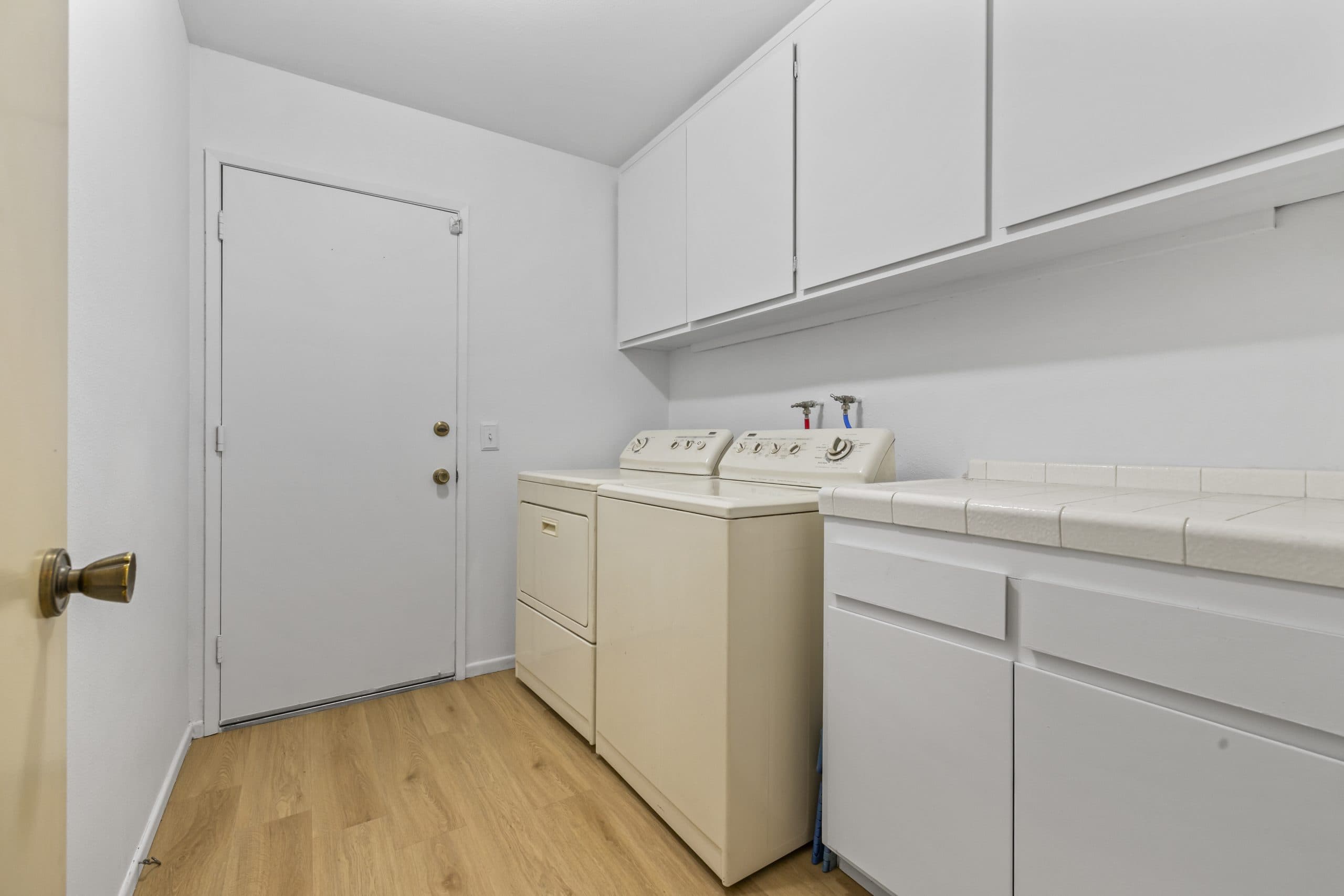
There is a myth that a dated house has two options: pour money into a renovation you will never live to enjoy, or sell to the first investor who leaves a card in the door. Both are real options. Neither is the only one, and in Claremont the third path, taking an original house to the open market honestly, very often serves the seller better than either.
Claremont is unusually well suited to this. This is a town of academics, architects, and people who have opinions about houses. A significant slice of the buyer pool actively WANTS an unrenovated home, because they would rather make their own decisions than pay for somebody else's. That audience exists here in a way it does not exist in every suburb, and reaching it is the whole game.
For the full process, start with the guide to selling a home in Claremont.
Draw the line between dated and neglected
These are not the same thing, and buyers price them very differently.
Dated means original or old-fashioned finishes on a house that has been cared for. Formica counters, a pink tile bathroom, wallpaper, carpet over hardwood, a kitchen from an earlier decade. None of it is broken. It is simply not current.
Neglected means deferred maintenance. Active roof leaks, failing systems, water damage, rot, a yard returning to nature. That is not a style question; it is a condition question, and it is the thing that actually frightens buyers and lenders.
The strategy that works is to be firmly in the first category. A dated house that is clean, dry, functioning, and well documented sells to retail buyers. A dated house that is also leaking sells to investors, at investor pricing.
What to spend on, and what to skip
The instinct is to remodel the kitchen. Usually that is the worst available use of the money, because a rushed builder-grade kitchen satisfies neither the buyer who wanted original character nor the buyer who wanted a high-end finish, and it costs a season.
What earns its keep on an original home:
- Clean, empty, bright. Deep clean everything, remove most of the furniture, wash the windows, replace dim bulbs with brighter ones. Original houses show far better empty than full, because buyers are reading the bones.
- Reveal what is good. Pull the carpet if there is hardwood under it. Take down the heavy drapes. Trim the shrubs blocking the front windows. Claremont buyers pay for original character they can SEE.
- Fix what is broken or unsafe. Leaks, non-working outlets, missing smoke alarms, a sticking door, a failed water heater. These are condition, not style.
- Paint, selectively. Neutral where it is stained or garish. Do not paint original woodwork that a Claremont buyer would want to keep, which is a mistake I see repeatedly.
- Landscape lightly. Mow, edge, mulch, remove the dead. Curb appeal on a dated house is about care, not about design.
What to skip: partial remodels, cheap flooring over good subfloor, replacing original windows with vinyl on a period home, and any project that will not be finished before the listing date. An unfinished renovation is worse than none.
Position it as an opportunity, not an apology
Language matters more here than in almost any other listing. There is a difference between a home described as needing work and one described as original, well maintained, and ready for its next owner's vision. The second is accurate for a cared-for dated house, and it speaks directly to the buyer you want.
Be specific about what is sound: roof age, systems that have been serviced, a re-pipe done years ago, a foundation that has been looked at. Buyers who intend to renovate care enormously about the expensive invisible things, because those are what blow up a remodel budget.
Say what has NOT been touched, plainly. That is not a weakness in this pitch; it is the product. A buyer who is planning to redo the kitchen anyway is relieved to hear the kitchen is original rather than recently redone in a style they will demolish.
Photography that helps rather than lies
Do not stage a dated house into pretending to be something else, and do not hide rooms. Buyers who arrive expecting one thing and find another leave immediately, and the listing acquires a reputation among agents.
Photograph light, space, layout, lot, and character details: original tile, wood, a fireplace, the way afternoon light lands. Show every room including the dated ones. A buyer who has already seen the bathroom online and came anyway is a real prospect.
Expect an investigation, and get ahead of it
Older, unrenovated houses attract thorough buyer inspections, which is reasonable. Sellers of these homes benefit most from knowing the property first, and this is the category where a pre-listing inspection most often pays for itself: it converts a long report from an ambush into a document you have already accounted for.
Have your permit history ready, including anything a previous owner did. Unpermitted work is common in older housing stock and it is far better addressed early than discovered mid-escrow, where it can affect financing as well as negotiation.
Pricing the original house
The pricing conversation is a comparison problem. Buyers will weigh your home against updated houses nearby and mentally subtract the cost of the work they imagine. Their imagined cost is generally higher than reality, and the way to compress that gap is with facts: known system ages, permits, and a clean condition picture.
Price to invite competition rather than to test the ceiling. An original home priced to attract multiple buyers with different plans for it will find its own level. An original home priced as though it had already been renovated sits, and then it becomes the subject of why some Claremont listings expire.
Handling the investor calls
List an unrenovated Claremont home and the unsolicited approaches begin. Some come from credible local buyers, some from lead farms. A cash offer trades proceeds for speed and certainty, which is a legitimate trade when it is priced honestly and a poor one when it is not.
The decision is easier when you have exposed the house to the open market first, because then you know what retail buyers were willing to do. Selling to the first caller before testing the market is how sellers of original homes leave the most on the table.
The short version
Clean it, brighten it, fix what is broken, reveal what is original, document the invisible systems, describe it honestly, and price it to attract the buyers who came looking for exactly this. Claremont has those buyers. You do not need a renovation to reach them.
The full process is at the Claremont selling hub. If you own an original Claremont home and want an honest read on whether to prepare, list, or sell as-is, I am glad to walk it with you. Anthony Grynchal has been licensed in California since November 2009.
Frequently asked questions
Do I need to remodel before selling an older Claremont home?
Usually not. Rushed partial remodels satisfy neither the buyer who wanted original character nor the one who wanted a high-end finish. Cleaning, brightening, repairing what is broken, and revealing original features generally serves you better than a hurried renovation.
Will an unrenovated home only attract investors?
No. Claremont has a genuine retail audience for original houses, including buyers who prefer to make their own design decisions. Reaching them depends on presenting the home as cared for and documented rather than as a project nobody has maintained.
What is the difference between a dated home and a neglected one?
Dated means old-fashioned finishes on a home that has been maintained. Neglected means deferred maintenance such as leaks, failing systems, or water damage. Buyers forgive the first far more readily than the second, and lenders care about the second.
Should I disclose unpermitted work in an older home?
Unpermitted work is common in older housing stock and it typically surfaces during a buyer's investigation, where it can affect financing as well as negotiation. Gather your permit history early and take questions about disclosure obligations to a California real estate attorney.

Written by
Anthony Grynchal
Anthony Grynchal is a California real estate professional with eXp Realty, licensed since November 2009 (California DRE# 01873626), and the Designated Local Expert™ for Claremont — where he has lived for more than 33 years.
More about AnthonyPublished · Updated