Senior Living and Housing in Claremont: The Full Map

Senior living in Claremont, mapped for families: aging in place, Pilgrim Place, Claremont Manor, Mt. San Antonio Gardens, and what to do with the home.

Claremont is genuinely one of Southern California's best-known towns for growing older, and unlike most reputations, this one is anchored by institutions you can name: Pilgrim Place, Claremont Manor, Mt. San Antonio Gardens, the Joslyn Center, and a walkable Village that makes a car optional in a region built around driving. Families all over the region discover this the day they start searching on behalf of a parent, and what they mostly find is marketing. This page is a map instead: the full ladder of senior living in Claremont, what the named communities actually are, how aging in place works in this particular housing stock, how the family home fits into funding the next chapter, and the questions adult children should ask early rather than late.

It is written for two readers at once: the senior making decisions about their own life, and the son or daughter helping from across town or across the country. One rule governs everything here, and it is the rule I work by: the person whose life it is stays at the center of every decision for as long as they possibly can. Where topics turn legal, medical, or financial, the right professional is named, because those calls are theirs to make, not a real estate page's. I am Anthony Grynchal, Mr. Claremont, licensed in California since November 2009, and senior transitions are some of the most meaningful listings I handle.

Why Claremont works for growing older

Start with the geography. The Village core is flat, compact, and genuinely walkable: groceries, pharmacies, coffee, the Sunday farmers market, and the Metrolink depot all sit within a stroll of each other, under a street canopy that makes walking pleasant most of the year. Layer on the institutions: the Joslyn Center is the city's senior hub, with programs, classes, and connection under one roof, and the Claremont Colleges keep the calendar full of lectures, concerts, and galleries open to the community, so retirement here comes with a university town's cultural life attached. Medical offices and hospital care are close by rather than a freeway project away. And beneath all of it runs the thing that is hardest to build and easiest to feel: a small-town social web where the pharmacist and the barista learn your name. People who could retire anywhere choose Claremont, and they have for generations; that is the entire case, made by the people who tested it.

The ladder of options, explained

  • Aging in place. Staying in your own home, with modifications and support layered in as needs change. It is most people's first choice, and in the right house it is a durable one; in the wrong house it becomes a quiet struggle, which is why the housing stock section below matters.
  • Independent living. A community setting without daily assistance: your own residence, maintenance handled, meals and social life available. The draw is simplicity and company, not care.
  • Assisted living. Licensed communities providing help with daily activities, bathing, medications, mobility, while preserving as much independence as possible.
  • Memory care. Specialized, secured support for dementia and related conditions, staffed and designed for it.
  • Continuing-care and life-plan communities. The whole ladder on one campus: residents enter independent and move through levels of care as needs change, under a contract. Those contracts differ significantly, in entrance and monthly structures and in what is promised at each level, and they are among the largest financial commitments most families ever sign after the home itself. Have an elder-law attorney or a financial advisor review any life-plan contract before anyone signs it. That sentence is the most valuable one on this page.

The Claremont institutions, by name

Three communities anchor Claremont's reputation, and each deserves a direct conversation rather than a summary. Pilgrim Place is the storied one: a community with deep roots in the town's history and a famously engaged resident life, whose annual festival is a Claremont institution in its own right. Claremont Manor is the long-established community near the heart of town, offering a range of living options within reach of the Village. Mt. San Antonio Gardens is the well-known life-plan campus on the city's edge, the local name most families encounter when they start researching continuing care. I keep these descriptions deliberately brief, because offerings, eligibility, contracts, and pricing all change and all belong to the communities themselves: verify everything directly, and treat every brochure as the start of the conversation rather than the end.

Two practical notes that families learn late and wish they had learned early. First, waitlists are real at well-regarded communities, sometimes years long, so touring and asking feels premature right up until it turns out to have been perfectly timed; there is no cost to being on a list and real cost to needing a place with no list behind you. Second, the Joslyn Center is not housing, but it is often the best first stop anyway: it is where the current picture of local senior services and programs actually lives.

Aging in place in Claremont's housing stock

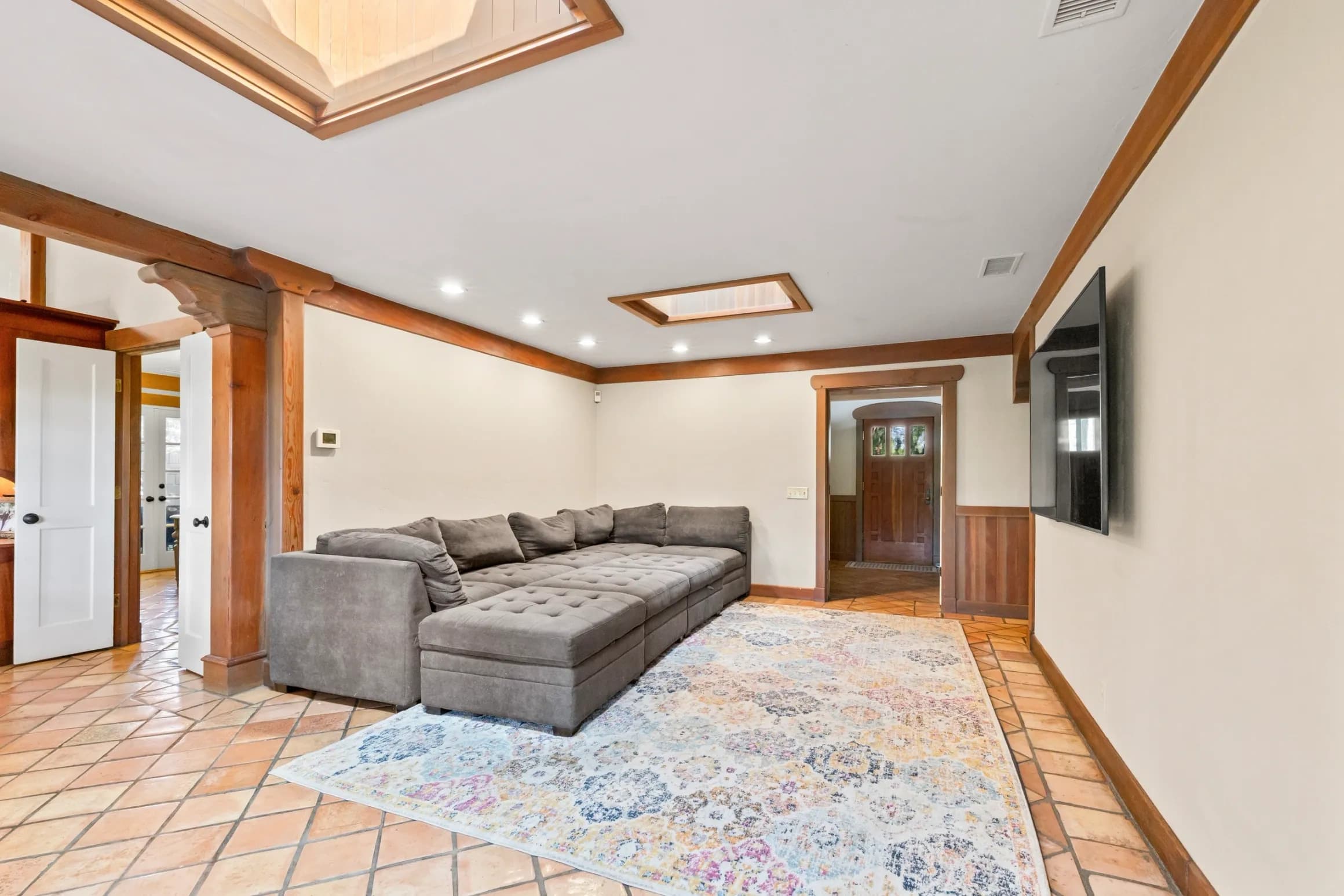
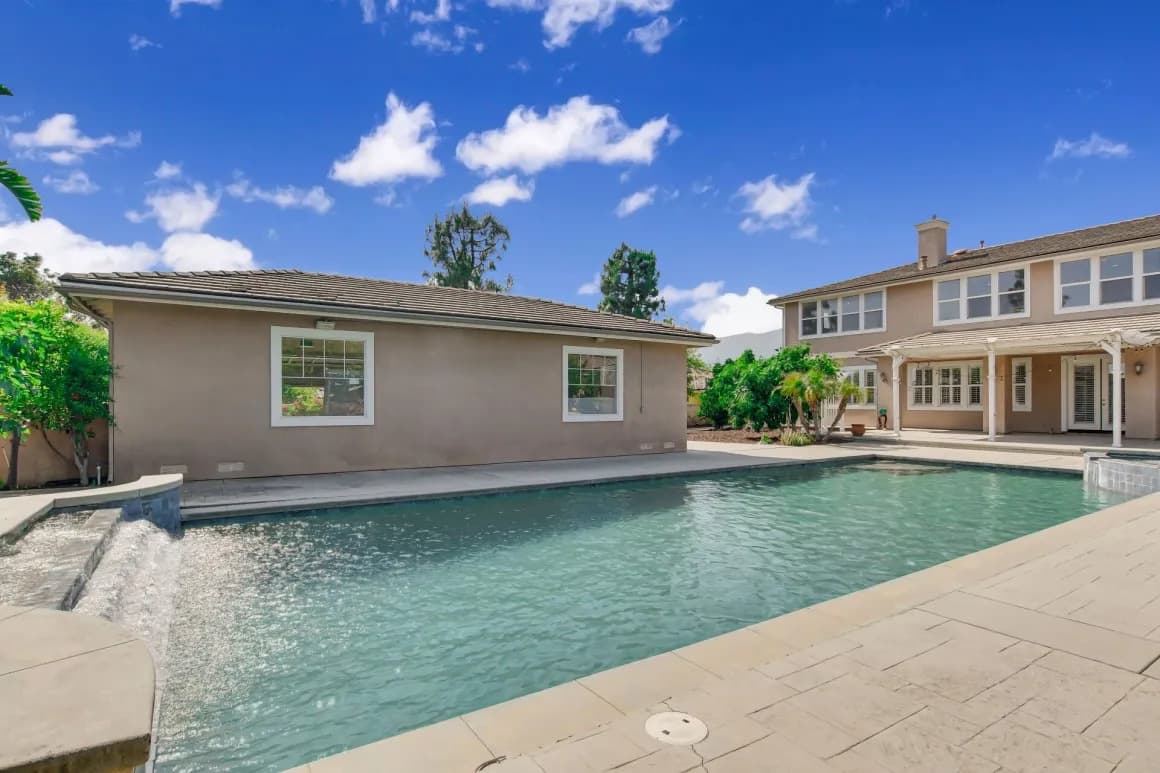
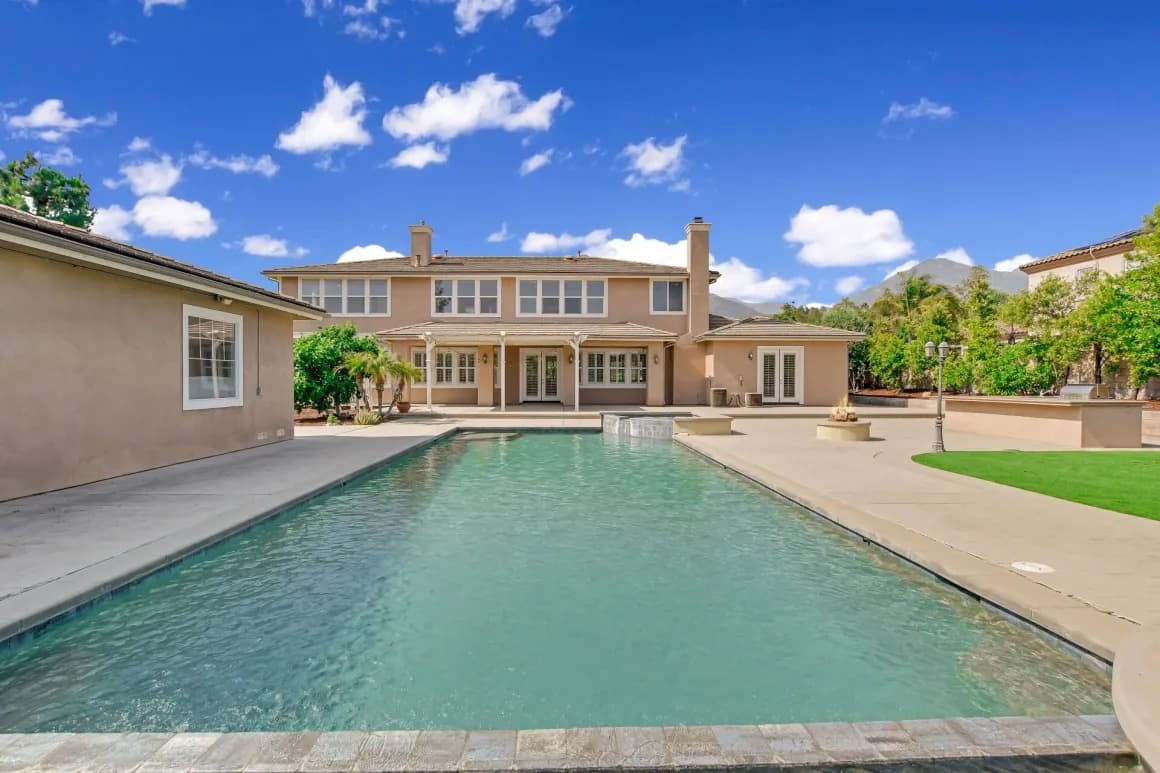
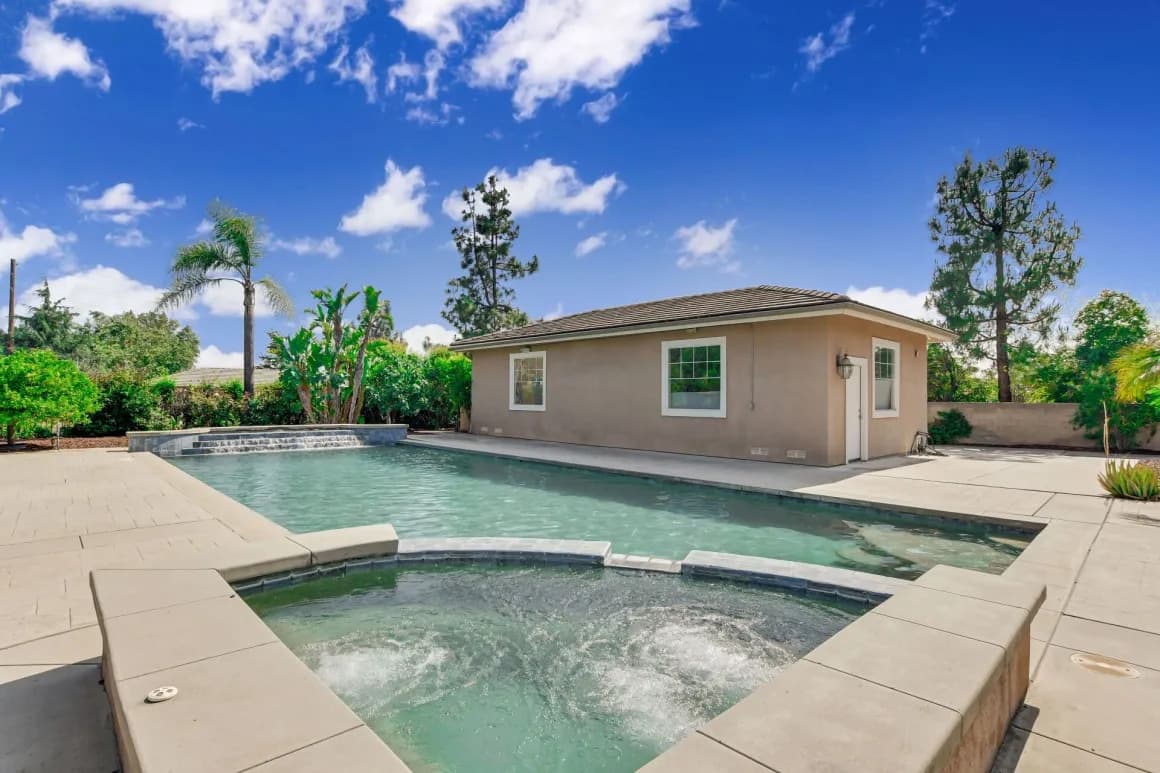
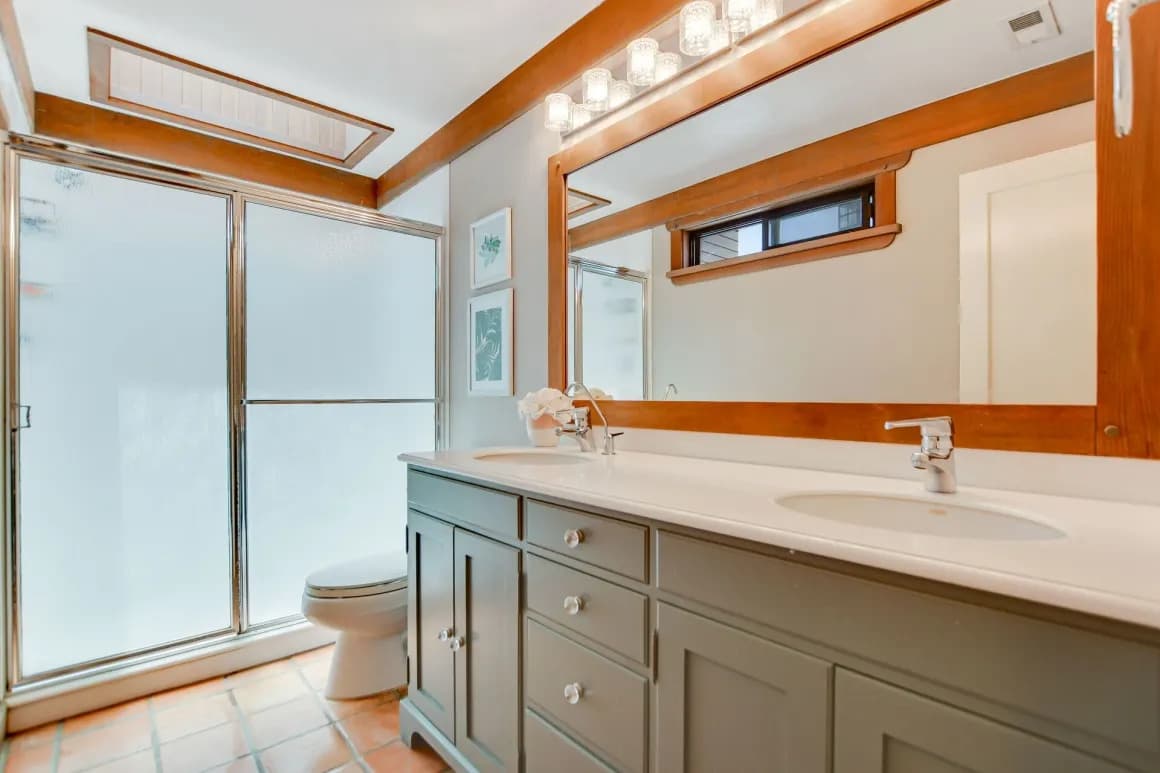
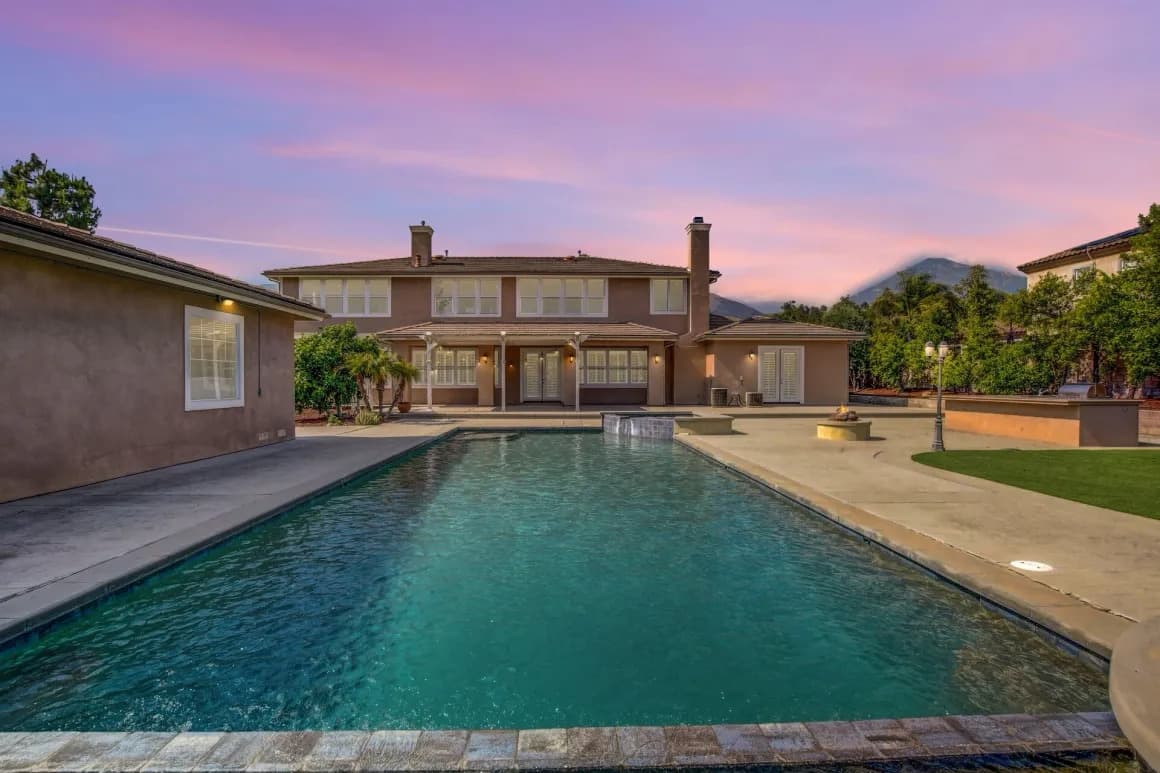
Whether staying home works is mostly a question about the house. Claremont is helpful here in a specific way: the postwar stock of South Claremont is disproportionately single-story on manageable lots, the natural aging-in-place inventory, and some of the most contented seniors I know live exactly there, blocks from everything, on one level. The challenge lives on the other side of town: the two-story North Claremont family home, bedrooms upstairs, pool in the yard, a garden that wants hours a week. Those houses raised families magnificently, and they are hard places to grow old, which is why so many of my senior conversations are really about whether to adapt the current house or trade it for a better-shaped one a mile south.

Adapting is a real path. The modifications that matter most are unglamorous: step-free entry, bathroom safety, lighting, and a workable bedroom-and-bath arrangement on the ground floor. Occupational-therapy home assessments exist and are worth asking a physician about, because a professional walk-through beats guesswork on what a specific person actually needs. When the honest answer is that the house itself is the obstacle, a move within Claremont, one story, smaller lot, closer to the Village, keeps the town, the doctors, and the friendships while retiring the stairs, and both halves of that trade are ordinary real estate handled with extra patience.

The family home: money, paperwork, and protection

For most Claremont seniors, the home is the engine that funds whatever comes next, and the sequencing questions matter as much as the sale itself. Communities can explain how their contracts interact with a pending home sale; a current value opinion turns every option from abstract to concrete, and the block-by-block logic of value in this town lives in the Claremont home values guide. Two tax concepts belong on the questions list, with numbers left to professionals: capital gains after decades of ownership, a conversation for a CPA before listing, and California's property-tax rules, including the Proposition 19 provisions that let older homeowners transfer an existing assessed value to a replacement home under certain conditions, which deserve current confirmation with the Los Angeles County assessor. For owners weighing whether to keep the house, pay off the loan, or tap equity, the honest trade-offs of each path, including the reverse-mortgage question, deserve independent financial advice rather than a salesperson's version; the lending landscape generally is mapped in the Claremont financing guide.

Paperwork prevents crises. A durable power of attorney, prepared while everything is calm, is what lets a trusted person act if the owner ever cannot, and escrow and title companies examine authority documents closely, so getting them right with an attorney matters. If there is any question about a senior's capacity to sign, that is an attorney conversation before any signature, not after one. And protection is part of the plan, because older homeowners are targeted: unsolicited cash offers, pressure at the door, and deed fraud all exist. The defense is simple and almost unbeatable, no signatures on the doorstep, every offer and document through a second trusted set of eyes, and a family that talks to each other. The full mechanics of selling, whenever that day comes, live in the Claremont selling guide.

For adult children helping, near or far

If you are reading this on a parent's behalf, three things. First, have the family meeting early, with your parent at the center of it, and let the questions be theirs: what does a good year look like, which parts of the house still bring joy, which parts have become burden. Decisions made about a person rarely survive; decisions made with them usually do. Second, borrow help: senior move managers are a real profession, the Joslyn Center can point to current local resources, and the professionals named through this page each carry a piece of the load. Third, expect the timeline to be slower than efficiency would like, and let it be. My local observation, from years of these conversations: the hardest goodbye is almost never the house itself. One longtime Towne Ranch client told me, on moving day, that she was fine until the avocado tree, and I have thought about that every senior listing since. Patience with those goodbyes is not a delay in the process; it is the process.

When your family is ready, or simply wants the picture drawn before deciding anything, call me at (909) 731-5374 for a family consultation. It can include everyone, on a video call if the family is scattered, and it commits you to nothing. More of the questions families ask are answered across the Claremont real estate FAQ.

Frequently asked questions

What senior living options exist in Claremont?

The full ladder: aging in place with modifications and support, independent living, assisted living, memory care, and continuing-care or life-plan communities that offer every level on one campus. Claremont's named institutions include Pilgrim Place, Claremont Manor, and Mt. San Antonio Gardens, with the Joslyn Center serving as the city's hub for senior programs and current resources. Offerings and contracts change, so verify details directly with each community.

Should my parent sell the house before moving into a senior community?

It depends on the community's contract and the family's finances, and sequencing is exactly the right question to ask early. Communities can explain how their entrance requirements interact with a pending home sale, a CPA should look at capital gains after decades of ownership, and a current value opinion makes every option concrete. There is no single right order; there is only the order that fits your family's numbers, worked out before deadlines arrive.

Can I sell my parent's Claremont home using a power of attorney?

Often yes, if there is a valid durable power of attorney that covers real estate, though escrow and title companies examine authority documents closely and an estate or elder-law attorney should confirm yours will work before the sale begins. If there is any question about your parent's capacity, that conversation happens with the attorney before any signature. The best version of this is preparation: documents put in order while everything is calm.

How do we protect a senior homeowner from real estate scams?

With process, not suspicion. No signatures at the door, ever; unsolicited cash offers and pressure tactics answered with silence; every document and offer reviewed by a second trusted set of eyes; and a family that talks to each other regularly, because isolation is what scams actually exploit. Deed fraud and predatory offers do target older homeowners, and a household running on those simple habits is a very hard target.