In a conventional sale, an inspection opens a conversation. You find something, you ask for a credit or a repair, and the seller weighs it against losing the deal.
In a short sale, that conversation mostly does not exist. The seller usually has no money, and the lienholders are being asked to accept less than they are owed already, so reducing their proceeds further to fix a water heater is a difficult sell. Practically, you are buying the property in its current condition.
That changes the purpose of the inspection entirely. You are not gathering leverage. You are gathering the information you need to decide whether to proceed, and at what number you would still want to.
Inspect earlier and more completely
Because the findings inform a decision rather than a negotiation, the worst possible sequence is a shallow inspection followed by a surprise after closing.
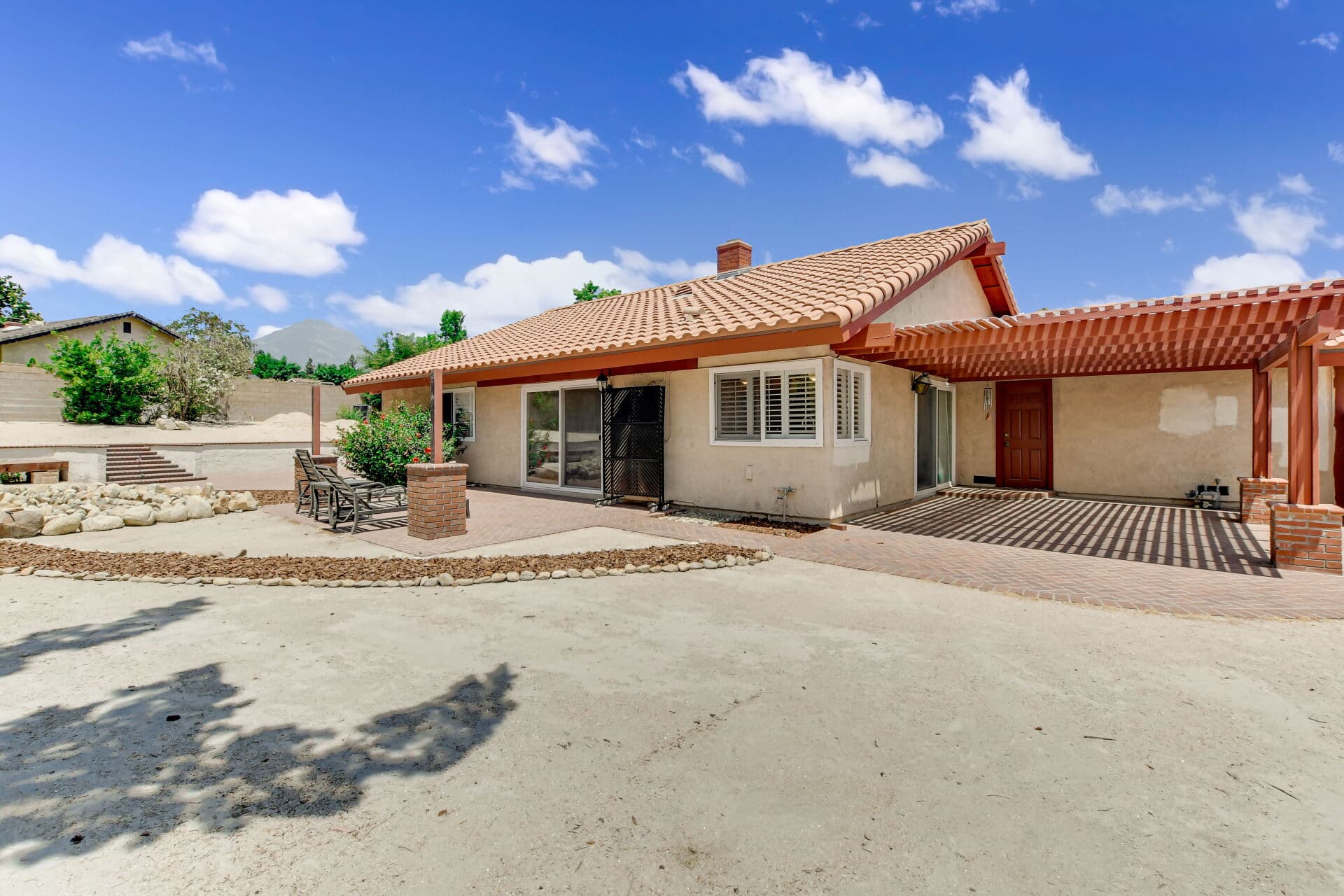
Start with a general home inspection by someone experienced with older housing stock. Then follow the general inspector's flags with specialists rather than treating the general report as the last word. In practice that often means a roofer, an electrician, a plumber, a foundation or structural professional where movement is suspected, and a sewer lateral camera inspection, which finds problems no walkthrough reveals and which is inexpensive relative to what it can uncover.
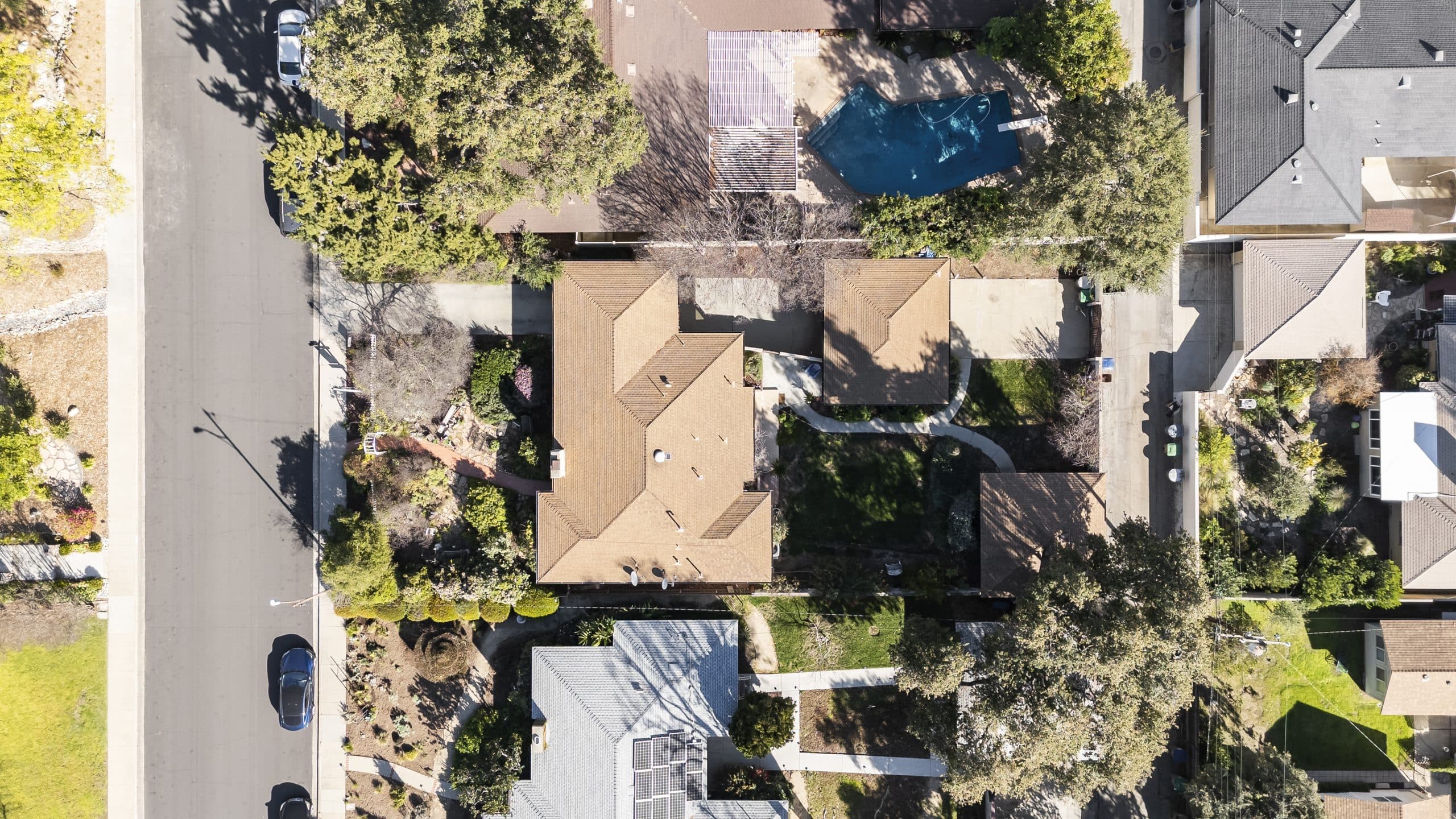
Claremont's housing stock rewards this thoroughness. Many neighborhoods hold homes built across several distinct eras, and a house that was updated at one point may have systems from three different decades layered on top of one another. Mature trees, which are one of the pleasures of the city, also interact with sewer lines and foundations in ways worth checking rather than assuming.
Assume the seller knows less than usual
Sellers in distress are still subject to their disclosure obligations, and those obligations are real. But a homeowner in financial difficulty may have deferred maintenance for years, may not have opened bills relating to the property, and may genuinely not know the state of systems they could not afford to service.
Some short sales also involve sellers who have already moved out, or estates and situations where the person signing has limited knowledge of the property's history. Disclosures may be thinner than you would like. Treat them as one input rather than as a substitute for your own investigation.
Ask questions anyway. Ask what has been repaired, when, and by whom. Ask about permits. Ask about water intrusion. The answers are useful, and the absence of answers is information too.
Price the findings before you commit
The productive habit is to convert the inspection into numbers early. Get written estimates on the significant items rather than carrying a vague sense that the roof is old. A specific figure lets you decide whether the purchase still makes sense at the contract price, which is the actual question in front of you.
Those same estimates and photographs have a second use. They are exactly the kind of evidence that supports a realistic valuation of the property, and the seller's side may be able to use them in the lender's review, a process described in how lenders value a Claremont short sale. Documented condition is far more persuasive than a general assertion that a house needs work.
Where inspection interacts with the approval
Your inspection period and the lender's review often run on very different clocks, and the interaction between them needs to be handled deliberately in your contract. Some buyers prefer to complete inspections early; others structure their timelines to begin once an approval is issued. There is no single correct answer, and the right one depends on your appetite for spending money on a transaction that may not be approved.
Discuss it with your own representation before writing, and understand how your contingencies and deposit are structured, because that is where the real exposure lives. The interaction between offer structure and approval is addressed in writing offers that win approval.
Financing and condition
Condition also affects whether your loan will fund. Certain issues, particularly around habitability, safety, or major systems, can complicate an appraisal or an underwriting review depending on the program. A property that a cash buyer would accept without hesitation may present a genuine obstacle to a financed purchase.
Raise this with your lender early, with the inspection findings in hand, rather than discovering it late in a transaction that already has a long tail.
Boundaries to keep in view
Everything in the transaction must be disclosed and above board. Repairs performed before closing by a buyer, credits arranged outside escrow, and side agreements of any kind are areas where well-intentioned people create real problems. If any part of the structure feels like it is being kept off the paperwork, stop and take advice.
Have a real estate attorney review any unusual condition in an approval letter. Take tax questions to a CPA. And if you are a seller reading this while in difficulty, contact a HUD-approved housing counselor, which is free, and never pay an upfront fee to anyone offering short-sale or foreclosure help.
The decision the inspection is for
At the end of it you should be able to answer one question clearly: knowing what this house actually needs, do I still want it at this price?
If the answer is yes, proceed with your eyes open and budget accordingly. If the answer is no, walking away is a legitimate and often correct outcome, and it is far cheaper than discovering the same facts after closing.
No one can promise you an approval, a timeline, or the absence of surprises. Thorough inspection is simply the best available protection, and in an as-is purchase it is the main one you have.
For context on the whole process, see the step-by-step description and the Claremont short sales guide.
Anthony Grynchal has been licensed in California since November 2009.
Frequently asked questions
Can I ask for repairs in a short sale?
You can ask, but the answer is usually no. The seller typically has no funds and the lienholders are already accepting less than they are owed, so reducing their proceeds further is a difficult request. Plan to buy the property in its current condition.
Should I inspect before or after lender approval?
Both approaches are used and both have costs. Inspecting early gives you information sooner but spends money on a transaction that may not be approved; waiting compresses your due diligence into a shorter window. Decide it deliberately with your own representation when the offer is written.
Is a sewer camera inspection worth it on an older Claremont home?
It is one of the higher-value inspections available on older housing stock with mature trees nearby, because it finds problems that no visual walkthrough reveals. Discuss the full specialist list with your general inspector based on what they flag.
What if condition problems stop my loan from funding?
That happens, and it is worth surfacing early. Certain habitability, safety, or major-system issues can complicate an appraisal or underwriting depending on the loan program. Bring your inspection findings to your lender as soon as you have them rather than late in the process.

Written by
Anthony Grynchal
Anthony Grynchal is a California real estate professional with eXp Realty, licensed since November 2009 (California DRE# 01873626), and the Designated Local Expert™ for Claremont — where he has lived for more than 33 years.
More about AnthonyPublished · Updated