Closing is a transaction, not a surrender
Businesses close for many reasons and most of them are not failure. Owners retire, leases end, family circumstances change, a concept runs its course, or a better opportunity appears. What all closures share is that they involve obligations, and obligations do not switch off when the sign comes down.
Handled deliberately, a closure ends cleanly. Handled by simply stopping, it produces years of consequences.
The lease is the thing that follows you
A commercial lease is a promise to pay for a period. Ceasing to trade does not end that promise, and if a personal guaranty was given, the obligation may not stop at the entity either.
So the first call is an attorney, and the questions are: what remains owed under the term, what termination or assignment rights exist, whether the landlord will negotiate a surrender, what condition the premises must be returned in, and what the guaranty exposes personally.
Restoration is the item owners forget. Many leases require the space returned to its prior condition, which for a heavily improved space can be a substantial cost arriving at exactly the worst moment. Our leasing guide explains where those clauses sit.
Selling beats closing when it is available
Owners frequently close a business that could have been sold, usually because they waited until the energy to run a sale was gone.
If the business has customers, staff, a transferable lease, and records a buyer's accountant can verify, exploring a sale is worth doing before deciding to close. Even a modest sale beats paying to shut down. The preparation involved is set out in selling a Claremont small business, and the buyer's perspective in buying an existing business.
The window for this closes as the business winds down. A shrinking operation with departing staff and a short lease is much harder to transfer.
The wind-down checklist
Every item below has a responsible authority, and each should be confirmed with that authority rather than assumed.
Notify and settle with the landlord. Cancel or transfer city business licences, county health permits, and state licences, following each body's own process. Close out sales tax and employer accounts with the state, which usually involves final filings rather than simply stopping. Handle employees correctly, including final pay and required notices, which is an employment law question for an attorney. Settle supplier accounts and terminate service contracts, equipment leases, and subscriptions, all of which may have notice periods. Deal with insurance, including whether coverage should continue after closing for claims arising from the trading period. Retain records for the periods your CPA and attorney specify.
Dissolve or wind up the entity properly if that is the plan, because an entity left dormant can continue to carry filing obligations.
Equipment, inventory, and improvements
Three different categories with three different answers.
Inventory can usually be sold, returned under supplier terms, or disposed of. Equipment may be owned, financed, or leased, and financed or leased items are not yours to sell. Improvements attached to the premises may belong to the landlord under the lease, which means you may be required to leave them AND to remove others.
Read the lease before selling anything attached to the building. Owners have sold fixtures they did not own more than once.
Tell people, in that order
Staff first, and privately. Landlord and lenders next, because they respond better to being informed than to discovering. Suppliers with balances. Customers with commitments outstanding, particularly deposits, gift certificates, prepaid services, or orders in progress, which may carry legal obligations worth asking an attorney about.
The public announcement comes last, and it can be brief. A closure handled with courtesy protects a reputation that outlasts the business, which matters in a town this size where owners often start something else.
What other owners should take from it
Closures teach the same handful of lessons, and they are worth reading while your business is healthy.
The lease term is a risk, not just a cost. Length gives stability and removes flexibility. Understand both sides before signing, and understand the guaranty specifically.
Build-out spent on someone else's building is rarely recoverable. That is an argument for matching the improvement to the term, and sometimes for buying rather than leasing, as covered in buying commercial property.
Reserves decide outcomes. The difference between an orderly exit and a damaging one is usually whether there was money to close properly.
Concentration is fragile. One product, one customer, one supplier, or one channel makes a business efficient and brittle at the same time.
Test before you commit. Temporary formats exist to learn cheaply, and they are described in pop-ups and markets.
An empty unit is a district issue too
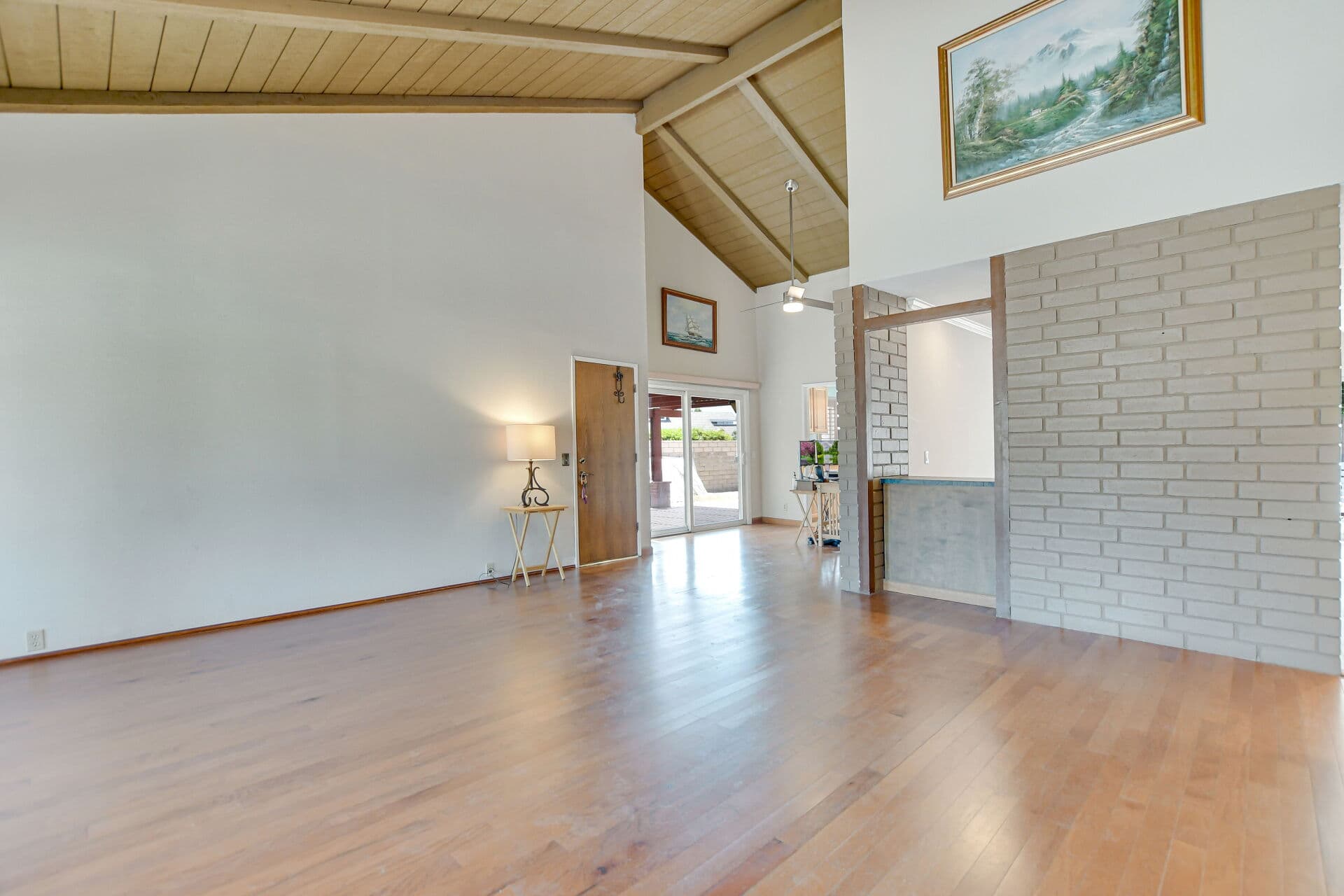
Vacancies affect neighbouring businesses and the street itself, which is part of why districts with prolonged empty frontage feel different to residents and buyers. Leaving a space clean, secure, and marketable is a small courtesy with a real effect, and it also tends to help resolve your own obligations faster.
Where to route it
Licence cancellation and building matters go to the City of Claremont. Health permits go to Los Angeles County. Sales tax, employer accounts, and entity dissolution go to the state. Lease obligations, guaranties, employment, and customer commitments go to an attorney. Final filings, record retention, and tax consequences go to a CPA.
The premises are mine: what the lease actually requires, whether a surrender or assignment can be negotiated, and whether the business is better sold than closed. That last question is worth asking earlier than most owners ask it.
More on the small business hub. Anthony Grynchal has been licensed in California since November 2009.
Frequently asked questions
Does closing a business end the lease obligation?
No. A commercial lease is a promise to pay for a period, and ceasing to trade does not end it. If a personal guaranty was given, the exposure may extend beyond the entity. Speak to an attorney about surrender and assignment options.
Should I try to sell instead of closing?
It is worth exploring if the business still has customers, staff, a transferable lease, and verifiable records. The window narrows as the business winds down, so consider it before energy and staff have gone.
What has to be cancelled when a business closes?
City business licences, county health permits, state licences, sales tax and employer accounts, insurance, supplier accounts, and service or equipment contracts. Each has its own process and notice period, so confirm with each body directly.
Can I sell the fixtures when I close?
Not necessarily. Financed or leased equipment is not yours to sell, and improvements attached to the premises may belong to the landlord under the lease. Read the lease before selling anything attached to the building.

Written by
Anthony Grynchal
Anthony Grynchal is a California real estate professional with eXp Realty, licensed since November 2009 (California DRE# 01873626), and the Designated Local Expert™ for Claremont — where he has lived for more than 33 years.
More about AnthonyPublished · Updated