
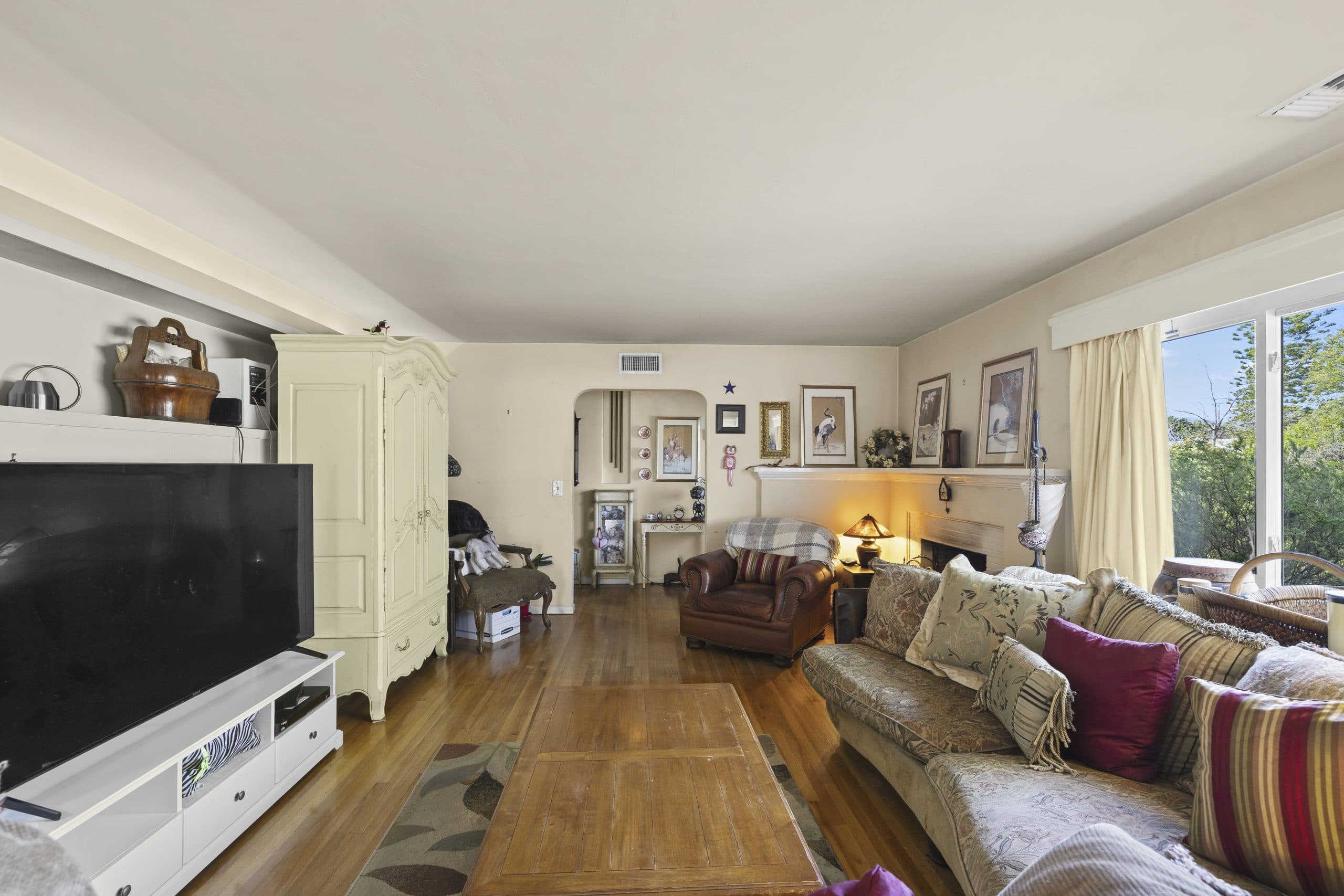
Trust sales are quietly becoming the main way Claremont homes pass between generations. Decades of California estate planning have done their work: the long-tenure owners who bought into North Claremont and the streets around the Village in the last century put their homes into living trusts precisely so their families could skip probate, and now, year by year, those plans are maturing. What that means in practice is a successor trustee, very often an adult son or daughter, suddenly responsible for selling the family home, bound by fiduciary duties they have never heard named, and watched by siblings with opinions. This page is the plain-language version of that job: how trust sales in Claremont differ from probate, what a trustee actually owes the beneficiaries, the steps of the sale itself, and where the traps are.
The standing caution first: this is general information, not legal advice. Trust administration is governed by the trust document and by California law, trustees carry personal liability for getting it wrong, and every trustee should be working with an estate attorney, with a CPA close behind for the tax questions. I am Anthony Grynchal, Mr. Claremont, licensed in California since November 2009, and trust sales are a steady part of my Claremont listing work for a simple demographic reason: this town's homeowners planned well, and their plans are now being carried out.
Why so many Claremont homes are held in trust
A revocable living trust is the workhorse of California estate planning: the owners keep full control of the home while they are alive, and at death the house passes to the trust's beneficiaries under a successor trustee's management, without a court process. In a state where probate is slow and public, and in a city where a modest-looking mid-century house can represent a family's largest asset by far, the appeal is obvious. Claremont's demographics amplify it: this is a town of teachers, professors, and professionals who took the advice, decades ago, to plan ahead. The result is that when I meet a family after a loss here, the first question is no longer whether there is a trust; it is whether the house actually made it into the trust, which is a bigger question than it sounds and gets its own step below.
A trust sale is not a probate sale
The differences are worth stating cleanly, because families often arrive braced for a process they will not actually face:
- No court confirmation, usually. A successor trustee selling under a standard revocable trust generally does not need a judge's approval, a probate referee, or a confirmation hearing. Most trust sales run on ordinary market timelines and look, from the buyer's side, like conventional sales.
- Privacy. Probate is a public court file. Trust administration is largely private, which matters in a small town where everyone reads the same streets.
- Speed. With no court calendar on the critical path, a trust sale can move as fast as the family, the house, and the market allow.
- But the duties remain. What the trustee escapes in court supervision, they inherit in personal responsibility. The beneficiaries take the court's place as the audience, and the trust document takes the statute book's place as the script.
One distinction the attorney will care about immediately: whether the trust is revocable or irrevocable, because the type shapes taxes, authority, and occasionally whether court involvement is needed after all. Certain situations, disputes among beneficiaries, ambiguous trust language, a trustee who can no longer serve, do bring trusts into court. The generalizations above describe the common case, not every case, which is exactly why the attorney reads the document before anyone signs a listing agreement.
What a successor trustee actually owes
Fiduciary duty is one of the highest standards the law places on ordinary people, and it reduces to a few plain sentences:
- Follow the document. The trust says what happens to the house; the trustee's opinion of what would be nicer does not.
- Loyalty and impartiality. The trustee acts for all beneficiaries, not for themselves and not for a favorite. Buying the house yourself, or steering it to one sibling on friendly terms, is dangerous territory without explicit authorization and professional guidance.
- Prudence on price. The home should be sold with the care a careful owner would use: prepared sensibly, exposed to the market honestly, and sold for defensible fair market value, not dumped for speed or convenience.
- Records of everything. Every estimate, offer, expense, and decision, written down. The trustee who documents is the trustee who is defended.
- Keep beneficiaries informed. California expects trustees to keep beneficiaries reasonably informed, and the attorney will advise on the formal notices administration requires. Informally, over-communication is the cheapest conflict insurance there is.
The steps of a Claremont trust sale
- Read the trust with the attorney. Who is trustee, what authority they hold, who the beneficiaries are, and whether anything in the document constrains the sale.
- Confirm the house is actually in the trust. Title must show the home deeded to the trust. Funding errors, a trust signed years ago but the deed never recorded, are common enough that title companies check for them first thing. California has a court petition process for repairing them, your attorney may call it a Heggstad petition, but it takes time you want to discover early, not in the middle of an escrow.
- Establish value early. An appraisal or formal value opinion close to the date of death matters twice: it anchors the tax-basis conversation your CPA will have, and it gives the trustee a defensible record that the eventual price was fair. How valuation actually behaves in this low-turnover, one-of-a-kind market is the territory of the Claremont appraisal guide.
- Decide preparation honestly. Full preparation, light refresh, or as-is: the right answer is the one the math and the beneficiaries support, and it should be a documented decision rather than a default. An occupied house, a beneficiary living in the property, is its own delicate case, and it rewards early, kind, and very clear conversation.
- List, disclose, close. From here the sale runs like a Claremont sale: marketing, offers, escrow, recording. Trustees are exempt from some standard seller disclosure forms when they never lived in the home, but known material facts must always be disclosed, and the narrower rules are mapped in the title and closing guide. The escrow arc itself, from deposit to recording, is covered in the escrow guide.
- Distribute per the document. Proceeds land in the trust's account and are distributed as the trust directs, after expenses and any taxes, with the attorney and the CPA closing the loop.
Taxes, in concept only
Two ideas dominate every trust-sale tax conversation, and both belong to your CPA rather than to a real estate page. The first is the step-up in basis: inherited property is generally revalued for capital-gains purposes as of the owner's death, which is why the date-of-death value matters so much, and why many trust sales that follow soon after a loss generate far less taxable gain than families fear. The second is property tax: California's rules on parent-child transfers changed significantly with Proposition 19, and whether a child who keeps the home can retain the old assessed value now depends on conditions that deserve current, professional confirmation. Describe your exact situation to a CPA, and verify property-tax questions with the Los Angeles County assessor, before any decision leans on either idea. Nothing here is tax advice; the concepts are named so you know which questions to ask.
A Claremont observation, and the team that carries it
Here is the pattern I see over and over in this town: the trust was written twenty or thirty years ago, the house is a North Claremont original with one family's entire history inside it, and the successor trustee lives somewhere else entirely, managing all of this by phone between their own job and their own kids. What saves that trustee is not heroics; it is a local team that treats the house as its daily job. The agent, the estate attorney, the CPA, and on the ground, the cleanout crew, the handyman, and the gardener who keeps the place from announcing its vacancy to the street. The broader mechanics of preparing and pricing any Claremont home are in the Claremont selling guide; the trustee's version simply adds documentation and communication at every step.
If you are a successor trustee with a Claremont house in your care, call me at (909) 731-5374 for a trustee consultation. I will walk the property, give you a documented, defensible read on value and preparation, and coordinate with your attorney and CPA rather than around them. And if the honest answer to your situation is that you need the lawyer first, that is exactly what I will tell you.
Frequently asked questions
Does a trust sale in California need court approval?
Usually not. A successor trustee selling a home held in a standard revocable living trust generally has the power to sell without court confirmation, which is much of the reason trusts exist. Exceptions are real, though: beneficiary disputes, ambiguous trust language, and some irrevocable-trust situations can bring a sale into court. Have an estate attorney read the trust document before anything is listed, because the document controls.
Can a trustee sell a Claremont house without the beneficiaries agreeing?
Often the trust document grants the trustee a power of sale that does not require beneficiary consent, though California expects beneficiaries to be kept reasonably informed and the attorney will advise on required notices. In practice, consensus is worth pursuing anyway: a documented, transparent process at a defensible market price prevents most conflict. A trustee who wants to buy the property personally needs legal guidance first, every time.
What if the house was never actually transferred into the trust?
It happens more often than families expect: the trust was signed, but the deed moving the house into it was never recorded. A title search reveals the problem early, which is one reason to open that check at the start. California has a court petition process for fixing certain funding errors, often called a Heggstad petition, and an estate attorney can say whether it fits your facts. Discovering this in week one costs far less than discovering it mid-escrow.
How long does a Claremont trust sale take?
Without a court calendar in the way, a trust sale mostly runs on ordinary market time: preparation and cleanout are usually the longest stretch, and the escrow itself behaves like a conventional Claremont sale. The variable is the family, not the paperwork; a full house, a beneficiary in residence, or a slow consensus can stretch the timeline. Trust administration around the sale, taxes and distributions, runs on the attorney's and CPA's schedule.

Written by
Anthony Grynchal
Anthony Grynchal is a California real estate professional with eXp Realty, licensed since November 2009 (California DRE# 01873626), and the Designated Local Expert™ for Claremont — where he has lived for more than 33 years.
More about AnthonyPublished · Updated