
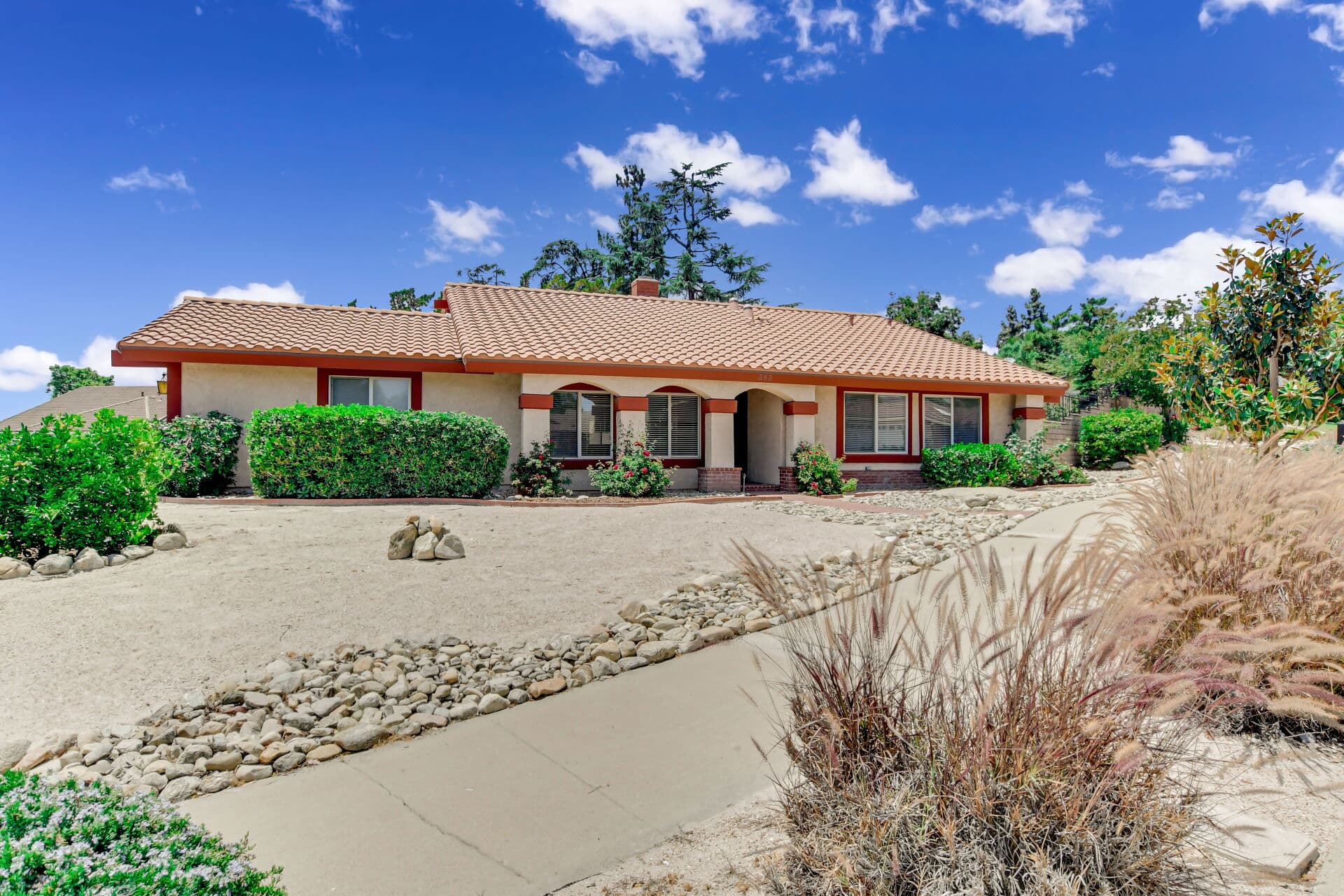
Most trust sales start with a simple picture: the trust holds the house, the trustee sells the house. A meaningful minority start with a more complicated one. The recorded deed shows the trust owning a SHARE — half, a third, some fraction created decades ago by a marriage, a second marriage, a sibling co-purchase, or a first estate plan that divided the property rather than the proceeds. The trustee is not selling a Claremont home. The trustee is selling an interest in one, and the two are different transactions.
The standing caution belongs at the top of this page more than most. This is general information, not legal advice. Fractional ownership sits where trust law, community property law, and co-ownership law meet, and every one of those areas turns on documents specific to your family. The trust document and California law control, and a trustee in this position should be working with an estate attorney from the first phone call. A general guide to the role is in the Claremont trust sales guide; this page is about the narrower problem.
First, establish what the trust actually owns
Trustees frequently arrive with a belief about ownership that came from a conversation rather than a document. The belief is not evidence. Two records settle the question, and they must be read together.
The first is the recorded deed, surfaced by a preliminary title report. It shows how title is vested and what fraction, if any, the trust holds. The second is the trust document itself, which tells the trustee what powers apply to that interest and whether the property is treated as a general asset or as a specific gift to a named person. Where the two appear to disagree, the answer is legal analysis, not a decision made by the person with the strongest opinion at the kitchen table.
A third document sometimes matters as much as either: a written co-ownership or buy-sell agreement between the original owners. Where one exists it can control what the trust may do with the interest, including whether the other owner has to be offered it first. Ask about it early, because an unread agreement discovered in escrow is a broken transaction.
The trustee can sell only what the trust holds
This is the sentence that resolves half the confusion in these files. A trustee with full power of sale under the document has that power over the trust's interest. It does not extend to the interest that belongs to someone else. A surviving co-owner, a sibling who took title in their own name, an ex-spouse who never removed themselves from the deed — none of them become a party to the trustee's authority because the trustee finds them inconvenient.
That boundary is why the beneficiary-approval question and the co-owner question are not the same. Whether beneficiaries can block a sale is a matter of the document and California law, treated in can a trustee sell without beneficiary approval. Whether a co-owner can is a matter of property ownership, and a co-owner who does not sign is simply an owner who has not sold.
Three structures, and what each one asks of the trustee
In practice, partial-interest situations resolve into one of three shapes.
Everyone sells together
The cleanest outcome by a wide margin. Trust and co-owner list the whole property, one buyer takes clear title to all of it, and escrow divides the proceeds according to the recorded fractions and whatever written agreement the parties reach. The market treats the home as a normal Claremont listing, which means the trustee is running an ordinary sale process against the ordinary duty of care — documented value, real exposure, decisions made on evidence, all of it summarized in the successor trustee's guide.
The work here is not transactional; it is human. Co-owners must agree on preparation, on price, on timing, and on how proceeds split. Getting that agreement in writing before the sign goes up is the single highest-value hour in the file.
A co-owner buys the trust's interest
Also common, and often the outcome the family wanted anyway. The trust conveys its share to the person already living in or attached to the property, and the trust ends up holding money instead of real estate.
The fiduciary exposure here is real and it is worth stating plainly. When a trust sells to an insider — a co-owner who is also a beneficiary, a relative, anyone with a seat at the family table — the trustee must be able to show that the price was fair and the process was open. That means an independent, documented opinion of value, full disclosure to every beneficiary, express authorization where the document requires it, and counsel involved before terms are agreed rather than after. A quiet number arrived at warmly is the fact pattern behind a large share of trust disputes.
The trust sells its interest to an outsider
The least common and the most demanding. A fractional interest in an occupied home is a genuinely different product from a home: the buyer acquires a share alongside a stranger, with limited control and a resale problem of their own. Buyers who want that are a small and specialized pool, and they price the disadvantage. A trustee who takes this path should be able to explain in writing why the other two paths were not available.
Where co-owners deadlock entirely, California provides a court process for dividing or forcing the sale of co-owned property. Trustees hear it named and reach for it too quickly. It is a real remedy, it is slow, it is public, it costs the estate, and it is a decision for counsel with the whole picture — never a threat used to move a negotiation along.
What escrow and title will need
Expect the ordinary trust-sale packet, doubled at the ownership layer. The trust's authority has to be established as it would be in any trust file — the certification of trust, the successor's authority reflected in the record. Then every other owner on title has to be identified, located, and brought in as a signing party in their own capacity. A missing signature is not a delay. It is a transaction that cannot close.
Two things reliably surface late and should be surfaced early instead: a deceased co-owner whose own estate was never administered, and an old loan or lien recorded against one fraction rather than the whole. Both are solvable. Neither is solvable in the last week of escrow.
Communicate the fraction, not the house
Beneficiaries hear the address and picture the whole property. If the trust owns a share, say so early, say what the share is, and say what that means for what they will eventually receive. Correcting an expectation in month one is a conversation. Correcting it at distribution is a dispute.
If you are a Claremont trustee holding a partial interest, the sequence is stable: get the title report, get the trust document and any co-ownership agreement in front of an estate attorney, and only then decide which of the three structures the family is actually in. The broader map of the role is in the trustee duties guide. Anthony Grynchal has been licensed in California since November 2009.
Frequently asked questions
Can a trustee sell a Claremont home when the trust owns only part of it?
A trustee's power of sale reaches the trust's interest, not interests owned by other people. Selling the whole property requires every owner on title to sign in their own capacity. The trust document and California law govern what the trustee may do with the trust's share, so review both with trust counsel before making commitments.
What if the other owner refuses to sell?
The trustee cannot compel a co-owner by fiduciary authority. The practical options are negotiating a buyout in either direction, selling the trust's fractional interest, or pursuing the California court process for dividing co-owned property. That last route is slow, public, and costly to the estate, and it is a decision for counsel rather than a negotiating tactic.
Can a co-owner who is also a beneficiary buy the trust's share?
Often yes, and it is frequently the outcome the family prefers. It has to be done openly: an independent documented opinion of value, disclosure to all beneficiaries, authorization where the trust document requires it, and an estate attorney involved before terms are agreed. Informal insider pricing is the most common source of trust disputes.
Is a fractional interest harder to sell to an outside buyer?
Yes. A share of an occupied home gives the buyer limited control and a difficult resale, so the pool of buyers is small and specialized. Trustees who go this route should be able to document why selling the whole property or negotiating a buyout was not achievable.

Written by
Anthony Grynchal
Anthony Grynchal is a California real estate professional with eXp Realty, licensed since November 2009 (California DRE# 01873626), and the Designated Local Expert™ for Claremont — where he has lived for more than 33 years.
More about AnthonyPublished · Updated