Ask around long enough and somebody will tell you to sell in spring because appraisals come in higher. Ask an appraiser and you will get a more careful answer, because an appraisal is an opinion of value as of a specific EFFECTIVE DATE, not a seasonal award.
There are genuine seasonal effects in an appraisal. They are not the ones most people name, and knowing the difference keeps a seller from timing a sale around a myth. This article separates what the calendar actually touches from what it does not.
Standing frame: this is general information. No claim is made here about which direction any market moves at any time of year, because that varies and any statement would be stale on arrival. Your appraiser analyzes your market as of your effective date, and no outcome is predicted for your property.
The effective date is the whole frame
Every appraisal states the date its opinion applies to. The value is not a permanent property of the house; it is a conclusion about a particular moment, supported by transactions that closed before that moment.
That single fact answers most seasonal questions. If a market has genuinely moved between seasons, the appraiser is expected to detect it through market analysis and adjust older comparable sales accordingly. The mechanism is the market conditions analysis described in the market conditions guide, and it applies to movement of any kind, seasonal or otherwise. The appraiser does not apply a spring premium. The appraiser reads the data.
The real seasonal effect is data, not sentiment
Here is the effect that genuinely matters in Claremont, and it is a supply-of-evidence problem rather than a price problem.
Transaction volume is not even across the year. A quieter stretch produces fewer closed sales, which means an appraiser working in that stretch has a thinner and older set of comparables to work from. In a town where turnover is already low and the housing stock varies block by block, thinner is a meaningful handicap. That underlying difficulty is the subject of the low-turnover comps guide.
Two consequences follow. The appraiser may reach further in distance, time or property type, and each reach requires a supported adjustment and adds uncertainty to the result. And older sales require time adjustments, which are themselves harder to support when the sample used to derive them is small.
So the honest statement is not that a quiet season produces lower values. It is that a quiet season produces a wider range of defensible values, and a wider range means a report is more sensitive to which comparables the appraiser selected and how they reasoned about them.
Physical seasonality is real and mostly small
A few things genuinely change with the calendar at the property itself.
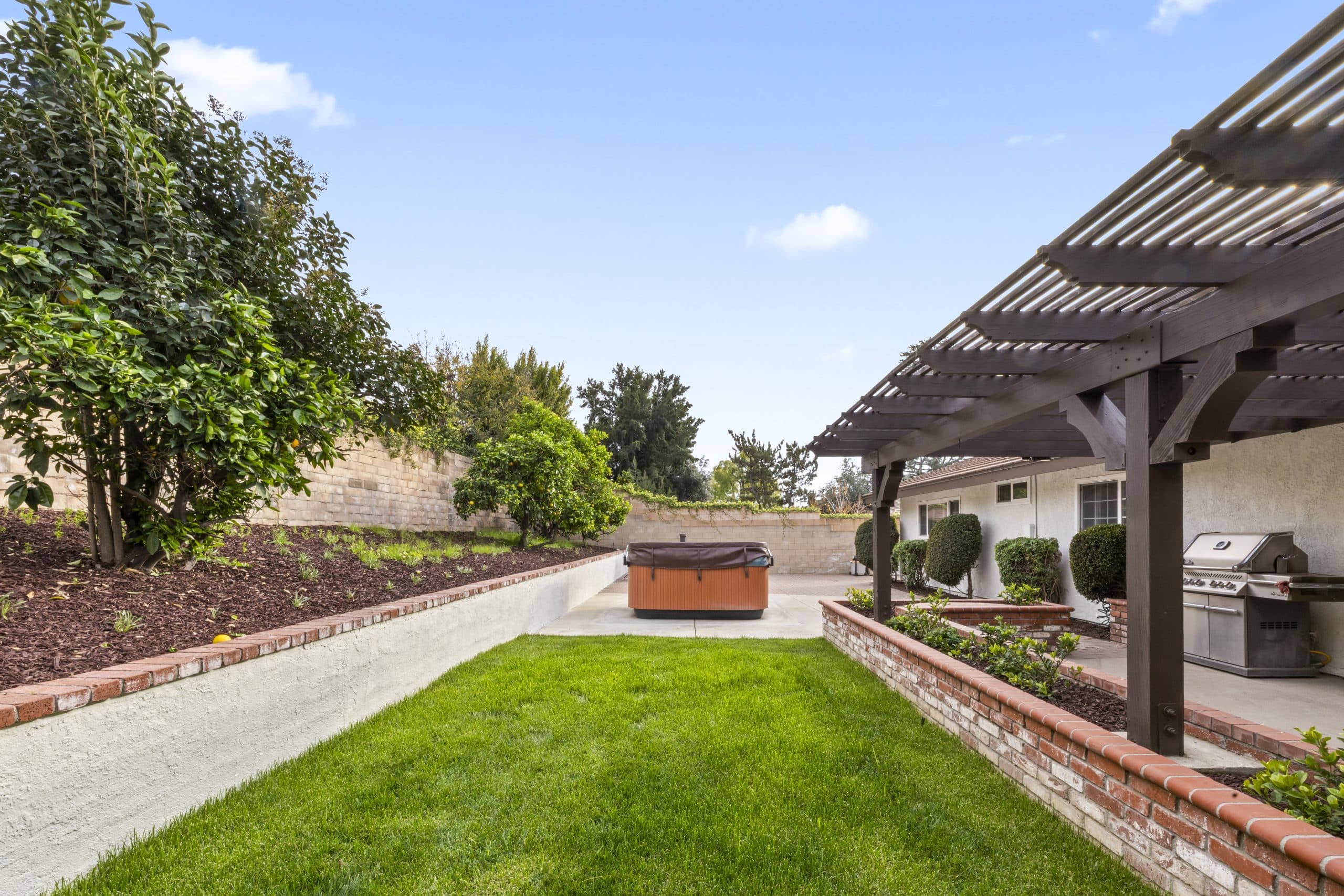
- Landscaping and grounds. A garden at its worst looks like deferred maintenance rather than dormancy. That reads into the condition rating discussed in the condition and quality guide, and unlike the market it is genuinely within your control.
- Light and photographs. Short winter afternoons and a rushed visit produce a darker exhibit set. It should not change a conclusion. It does affect how a reviewer downstream reads the file.
- Weather-revealed defects. A wet stretch exposes drainage problems, roof leaks and staining that a dry month conceals. This is not unfairness; it is information surfacing at a particular time.
- Seasonal amenities. A pool visited in the cold is still a pool. Its contribution comes from what the market has paid for comparable properties, not from whether anybody wants to swim on inspection day. The general principle is in the contributory value guide.
Scheduling and capacity
The other seasonal reality is administrative. Appraiser availability varies with lending volume, and busier stretches can mean longer waits for an inspection and for a completed report. That is a timeline risk in an escrow rather than a value risk, and it is handled by ordering early and keeping the property genuinely accessible.
Holiday periods compound it. City permit counters, association management companies and title offices all slow down at the same time, which matters if your file depends on retrieving permit history or association documents.
What to do with all this
Time your sale around your own circumstances and around buyer demand, not around a theory about appraisers. Then control the controllables.
Make the grounds legible whatever the season. Fix drainage and staining rather than hoping for a dry inspection week. Ensure every space can be entered. Assemble the documentation file described in the preparation guide, and include recent sales and pending transactions as factual information, which matters most precisely when the comparable set is thin.
What is never permitted, in any season, is any attempt to steer an appraiser toward a number. Supplying facts is allowed. Suggesting a value, a range or a target is not, for anyone, and the reasoning sits in the appraiser independence guide.
Roles, stated plainly: Mr. Claremont is a licensed real estate salesperson, not a licensed appraiser. He prepares a comparative market analysis, a broker's opinion of value used for pricing and negotiation, and coordinates independent, state-licensed appraisers when a formal appraisal is required for lending, estate or legal purposes. He does not perform appraisals, does not certify them, and cannot influence an appraiser's conclusion.
Start at the appraisal hub for the full cluster, and read the timing and delays guide next if scheduling is the part of this that actually affects your escrow. Anthony Grynchal has been licensed in California since November 2009. This is general information, not lending or appraisal advice.
Frequently asked questions
Do Claremont appraisals come in higher in spring?
An appraisal is an opinion of value as of a stated effective date, supported by market analysis. Where a market has genuinely moved, the appraiser is expected to detect that and adjust older comparable sales, in either direction. There is no seasonal premium applied to a report as a matter of practice.
Does a quiet season hurt my appraisal?
Not directly, but it can thin the evidence. Fewer recent closed sales mean the appraiser reaches further in time, distance or property type, and each reach requires a supported adjustment. The result is a wider range of defensible values rather than a systematically lower one.
Should I wait for better weather before the appraisal?
Base the timing on your circumstances and on buyer demand rather than on the inspection date. What is worth controlling is the property itself: grounds that read as maintained, drainage and staining addressed, and every space accessible. Documentation of unseen work matters far more than the month.
Can my agent time the appraisal to get a better number?
No. Attempting to influence an appraisal outcome by any means, including timing chosen for that purpose, runs against appraiser independence rules. Mr. Claremont is not a licensed appraiser; he prepares a comparative market analysis for pricing and coordinates independent, state-licensed appraisers when a formal appraisal is required.

Written by
Anthony Grynchal
Anthony Grynchal is a California real estate professional with eXp Realty, licensed since November 2009 (California DRE# 01873626), and the Designated Local Expert™ for Claremont — where he has lived for more than 33 years.
More about AnthonyPublished · Updated