Most of what goes wrong in a divorce listing is not a pricing failure or a market problem. It is a message that reached one spouse before the other, or a decision that one party heard about after it had been made, or a conversation in a driveway that got repeated inaccurately three days later.
The fix is unglamorous and it works: agree the communication rules before the property is listed, write them down, and follow them without exception. This page sets out what those rules usually contain and why each one is there.
None of it is legal advice. How communication is structured in your case, and whether it should run through attorneys entirely, is a decision for the parties with counsel. And to be clear about my own position throughout: I do not take a side, I do not carry messages between spouses, and I do not comment on anyone's conduct in the marriage or the case.
The default rule: everything to both, at the same time, in writing
This is the whole protocol compressed into one line, and if a file only ever adopts one rule it should be this one.
Every piece of information about the property goes to both owners simultaneously and in a form that can be re-read: showing feedback, offer notifications, inspection results, price discussions, timeline changes, anything. Not a call to one and a text to the other. Not a summary passed along by whoever answered the phone.
The reason is not bureaucratic. In a divorce, information asymmetry looks like favouritism even when it is accidental, and once one party believes the agent is closer to the other, every subsequent decision gets read through that lens. Simultaneous written updates remove the question entirely. They also produce a record, which protects both spouses and, frankly, the agent.
Deciding who is on the distribution
Before anything is sent, the file needs a clear answer to a simple question: who receives communications about this property?
Common configurations include both spouses directly; both spouses with both attorneys copied; attorneys only, with the spouses briefed by their own counsel; or a hybrid where scheduling goes direct and anything substantive goes through counsel. Each has a rationale, and which one is right depends on circumstances I am not in a position to assess.
What matters is that it is decided rather than assumed, that it is written down, and that it is not quietly changed mid-listing because one arrangement became inconvenient. If it needs to change, it changes explicitly and both sides are told.
Routing anything substantive through counsel
There is a category of question I will not answer, and it is worth naming so it does not read as evasion.
Anything about entitlement, characterisation of property, reimbursements, support, or the effect of a sale on the case itself goes to the attorneys. Anything with a tax dimension goes to a CPA. That is not caution for its own sake — those answers depend on facts I do not have and law I do not practice, and a confident wrong answer from an agent can cost a party real money.
What I do answer, fully and to both parties at once, is everything operational: what the property needs, what buyers are saying, what a repair request means, what a timeline looks like. The line between the two is usually obvious, and where it is not, the question goes to counsel.
The rules that prevent specific, predictable problems
- No message-carrying. I do not pass along anything from one spouse to the other beyond the transaction information both are entitled to receive. If something needs to be said between the parties, it goes through their attorneys.
- No instruction from one about the other. In either direction. A request to withhold something from the other owner is declined the same way regardless of who makes it.
- No commentary. Not on the marriage, not on either party's conduct, not on why someone is taking a position. Speculation about motives is corrosive and it is not my business.
- Nothing said in the house travels. Occupied listings produce a great deal of incidental conversation. None of it goes anywhere.
- Nothing goes to buyers. The circumstances of the sale are not disclosed in photographs, remarks, or conversation. A buyer who senses distress negotiates on it, and the cost lands on both owners equally.
- Decisions in writing. Verbal agreements between two people under this much pressure are remembered differently. Anything decided is confirmed in writing to both.
Where the protocol gets tested
Two moments strain it reliably.
The first is the offer. Offers arrive with a response deadline, and deadlines invite shortcuts — a quick call to whoever is easiest to reach. The protocol has to hold precisely there, because that is the decision with money attached and the one most likely to be revisited later. Offers go to both, at the same time, with the same explanation.
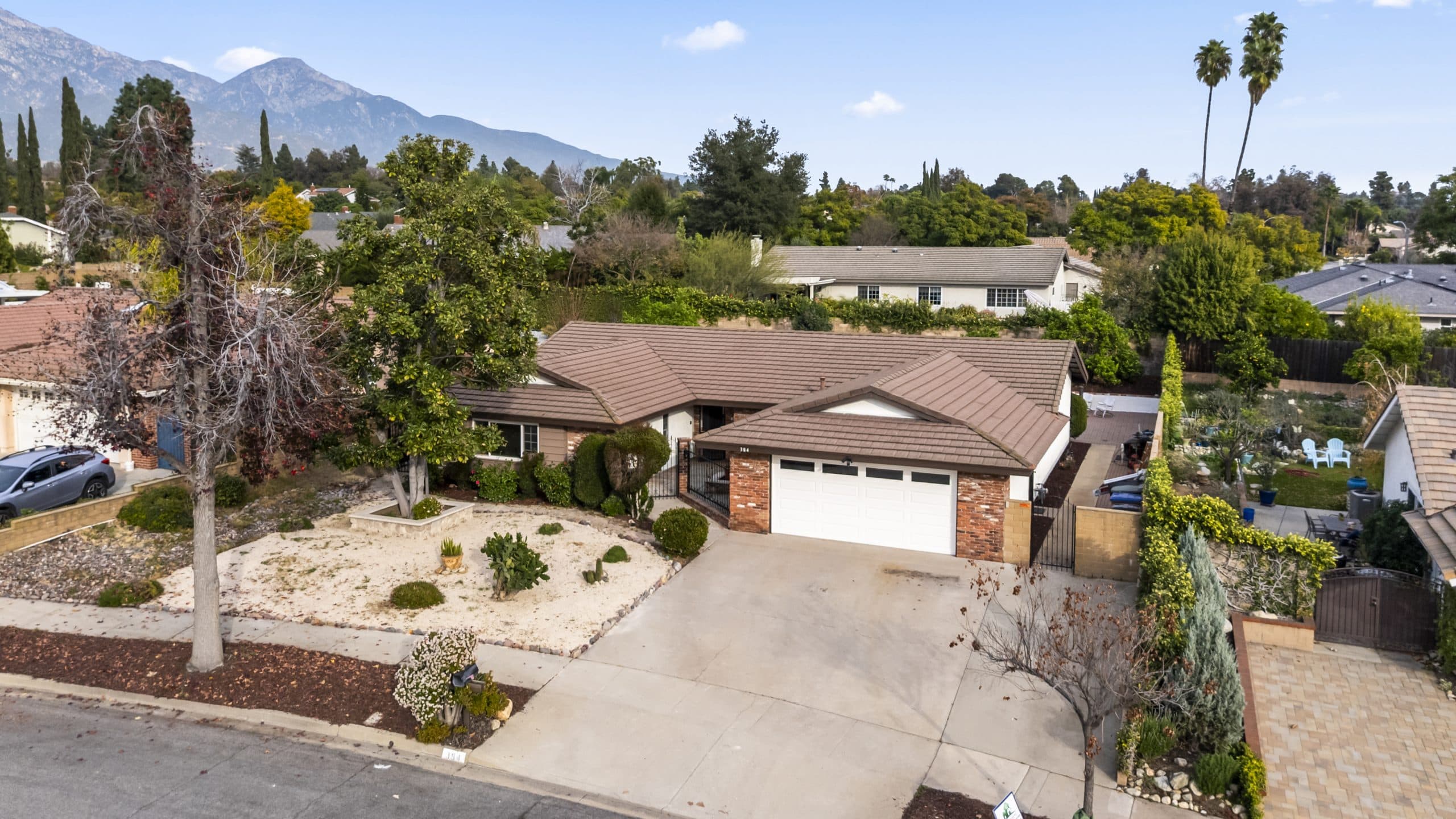
The second is the occupied house. When one spouse is living in the property, the agent is in that spouse's presence constantly and the other spouse's rarely. That asymmetry becomes bias quietly if nobody guards against it. The mechanics of managing it are covered in When One Spouse Still Lives in the Claremont House, and the discipline is the same: coordinate scheduling with whoever must be coordinated with, but present every decision to both owners identically.
What good looks like from the outside
A well-run divorce listing is boring to observe. Both spouses know the same things at the same time. Neither is surprised by anything. Neither has to ask what the other was told. Disagreements happen — they are a normal feature of two people with a shared asset and diverging plans — but they happen over the substance rather than over who knew what first.
That standard is the whole of my role in these files, and it is described in full in Choosing a Neutral Realtor for a Claremont Divorce Sale. Sale mechanics themselves — the sequence from listing to close — are in Selling a House During Divorce in Claremont: The Basics.
Set the rules early, while everyone is calm enough to agree to them. They are much harder to introduce in week six, and they are most needed in week six.
The full map is the Claremont divorce sales guide. Anthony Grynchal has been licensed in California since November 2009.
Frequently asked questions
Should all communication about the sale go through our attorneys?
That depends on the circumstances of the case and it is a decision for the parties with counsel. Common arrangements range from direct contact with both spouses, to attorneys copied on everything, to attorneys only. What matters is that the arrangement is decided explicitly, written down, and not changed quietly mid-listing.
Will the agent pass messages between spouses?
No. A listing agent should carry transaction information to both owners equally and nothing else. Anything that needs to be communicated between the parties belongs with their attorneys. That rule applies identically in both directions and does not change based on who asks.
What if one spouse asks for something not to be shared with the other?
It is declined, whoever asks. Both owners are entitled to the same information about their property at the same time, and withholding from one is the fastest way to lose the neutrality the whole arrangement depends on. Requests of that kind are best directed to counsel instead.
Do buyers find out it is a divorce sale?
They should not. Nothing in the photographs, the listing remarks, or conversation at a showing should signal the circumstances. That is discretion and it is also negotiation: a buyer who perceives urgency bids accordingly, and that cost is borne by both owners equally.

Written by
Anthony Grynchal
Anthony Grynchal is a California real estate professional with eXp Realty, licensed since November 2009 (California DRE# 01873626), and the Designated Local Expert™ for Claremont — where he has lived for more than 33 years.
More about AnthonyPublished · Updated