A divorce after a long marriage is a different transaction from a divorce after a short one, and the house is the reason. Thirty or forty years in one Claremont property produces a set of circumstances that a couple in their thirties simply does not have: decades of accumulated belongings, a mortgage that may be small or gone, a tax base established in another era, adult children with opinions, and two people making a housing decision at a stage of life when the next move is meant to be the settled one.
This page covers what that looks like in practice. It is general information, not legal, tax, or financial advice, and it takes no position on either spouse's choices. The decisions belong to the two of you with your attorneys, and where money and retirement are involved, with your own financial and tax advisers.
The physical scale of it
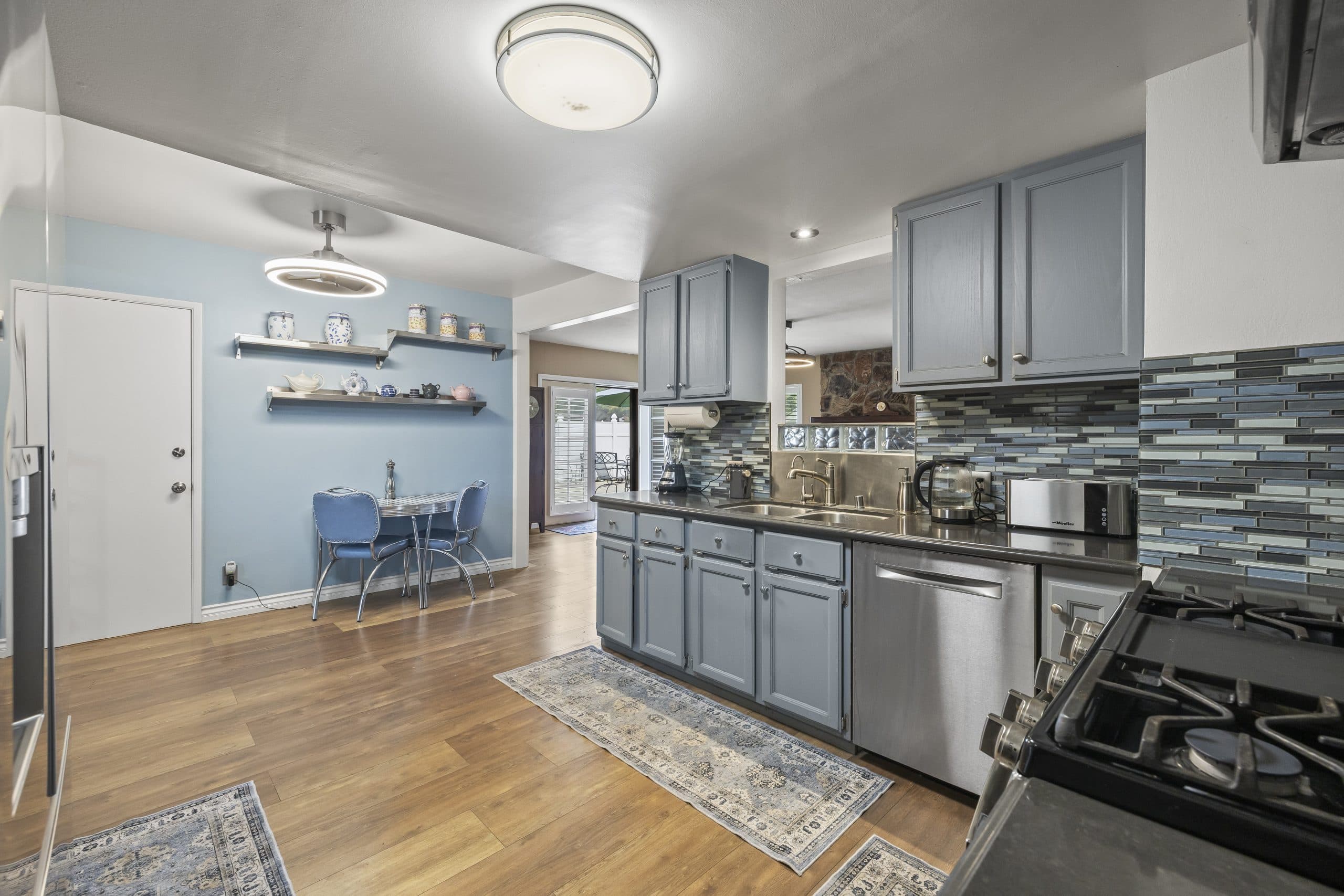
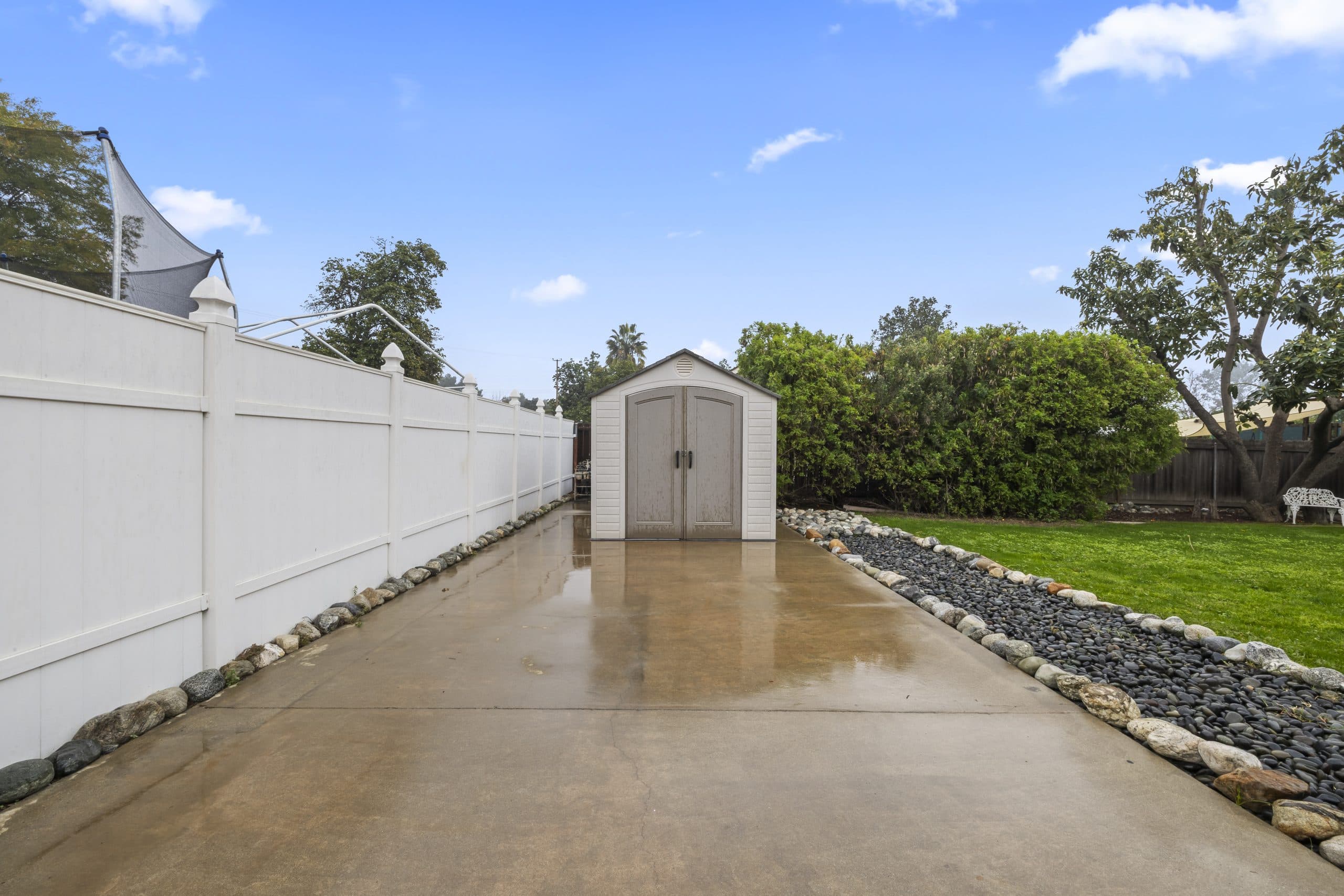
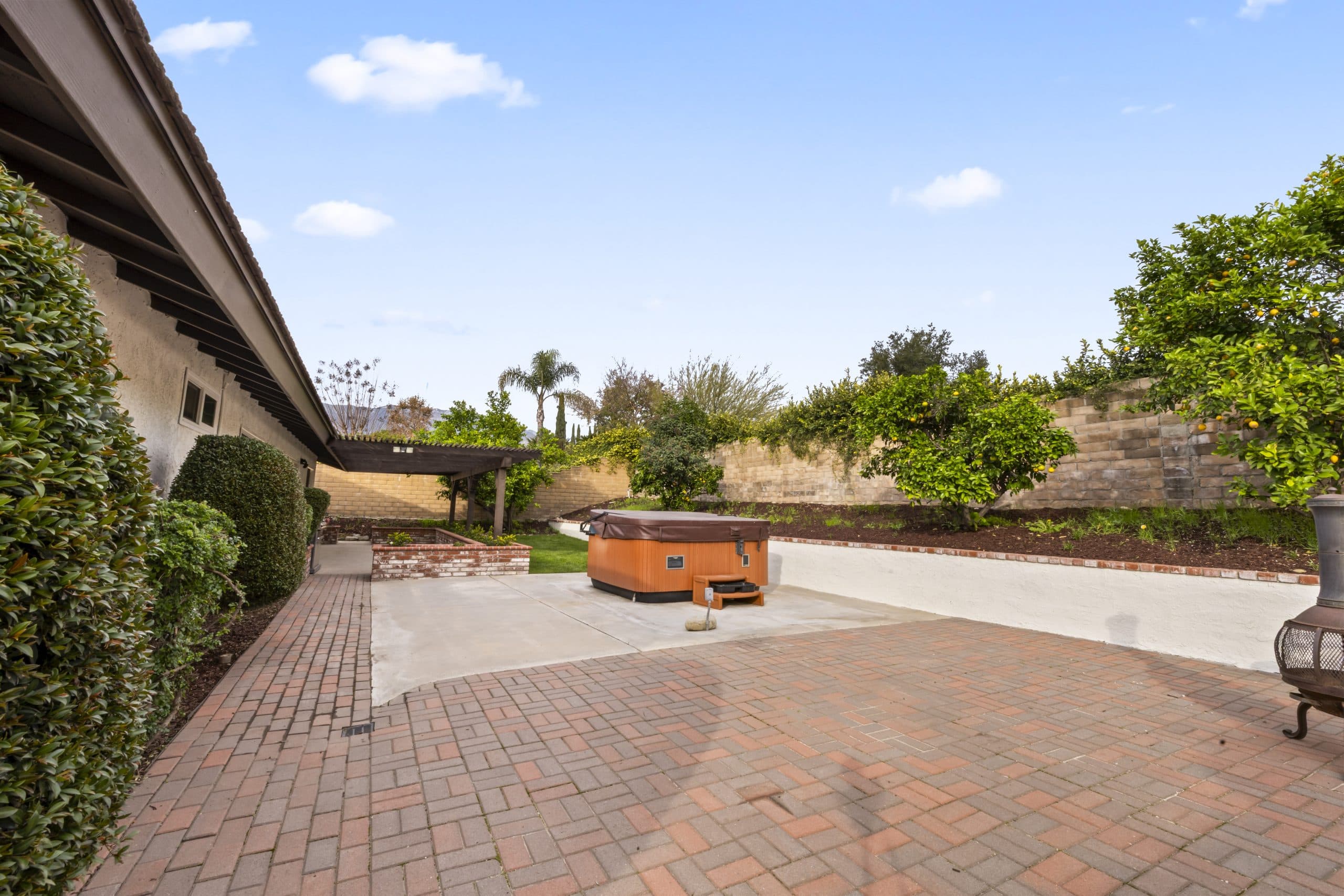
Nobody warns people about this part. A house lived in for decades contains a genuinely large volume of material — the garage, the attic, the shed, the boxes from the parents' house that arrived in the nineties, four sets of children's things that were never collected.
Sorting it takes far longer than anyone estimates, it is physically demanding, and every third box has something in it that stops the work for twenty minutes. Plan a schedule that is honest about that rather than one that assumes a weekend.
Practical suggestions, offered without any suggestion about who should do what: work in short sessions rather than marathons; decide the categories before you start rather than item by item; get the adult children to collect their belongings on a defined date; and agree in writing, through counsel, how anything of joint value is dealt with, so a disagreement about a piece of furniture does not become a disagreement about everything.
Deferred maintenance surfaces at the worst moment
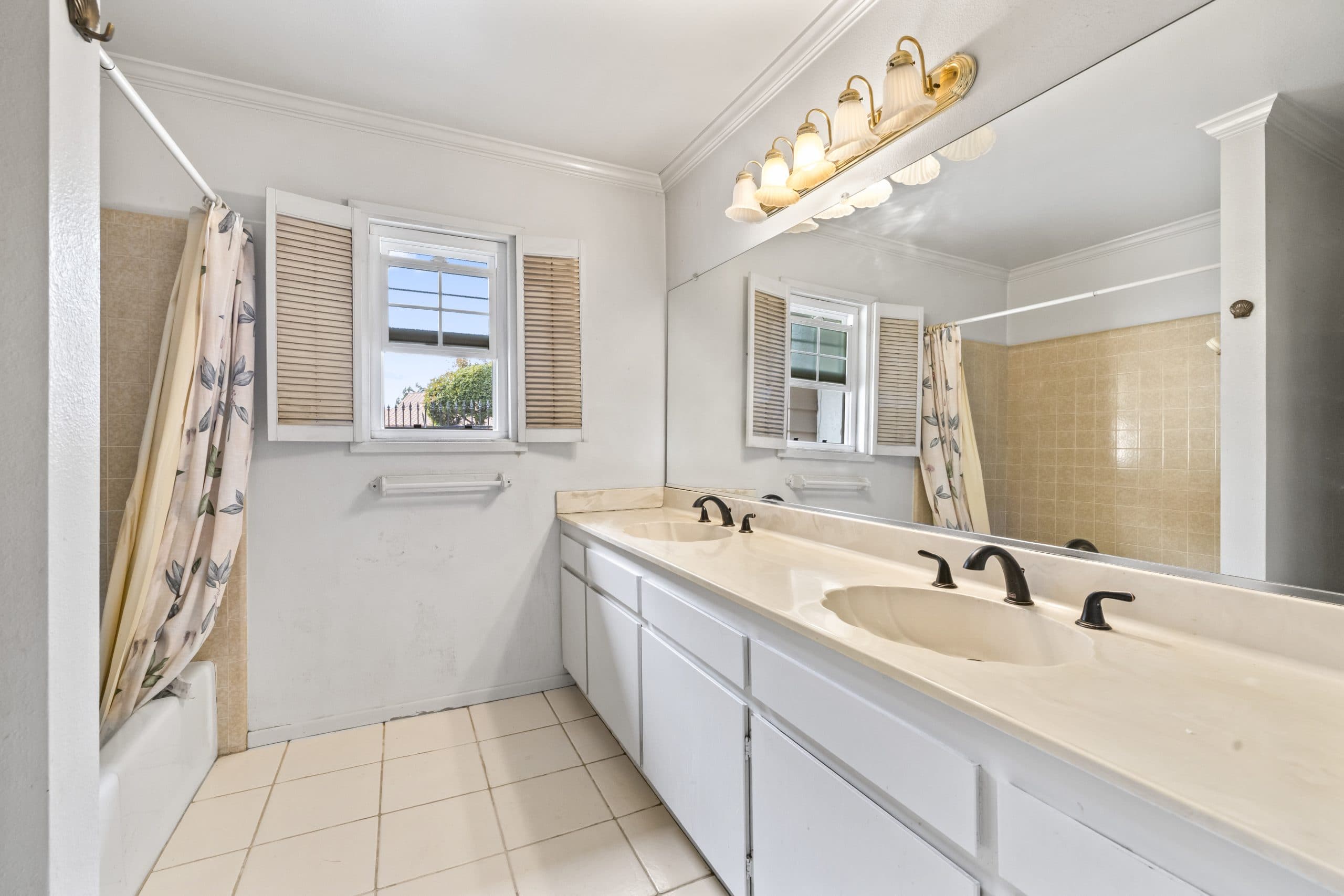
Long-held homes usually carry accumulated maintenance. Not neglect — just the ordinary consequence of decades, and of a household that grew used to the way things were. Original systems, older roofs, work done before permits were routine, additions whose paperwork nobody can find.
A buyer's inspection will find all of it, and in a divorce that report arrives at two people who may be short of both money and patience. The way to make it manageable is to know first: a pre-listing assessment of the property, shared with both owners at the same time, so the conversation about what to repair and what to disclose happens before an offer is on the table rather than during escrow.
What gets repaired, and who funds it, is a joint decision or a matter for the court. My role is to present the same information and the same options to both owners simultaneously, which is the standard set out in Choosing a Neutral Realtor for a Claremont Divorce Sale.
The financial questions are different at this stage
In a long marriage the house is often the largest asset and sometimes the largest part of what both people will live on. That changes the character of the decisions, and it means the professional advice matters more, not less.
Whether one spouse can keep the home is not only a question of whether the buyout is fair; it is a question of whether the ongoing cost is sustainable on a retirement income, and whether qualifying for financing is realistic — see Refinancing to Keep the Claremont House After Divorce and test it with a lender early rather than late.
The property tax base of a long-held home is also part of the picture, along with whether it can move to a replacement residence. Those questions go to the county assessor and a CPA, as set out in Divorce, Prop 13, and Your Claremont Property Tax Base.
And retirement assets, pensions, and support at this stage of life are their own specialist territory. Get advice from someone qualified in it. I am not that person and I would not pretend otherwise.
Two next homes, not one
One outcome that arrives in almost every later-life divorce: instead of one household continuing, two people need somewhere to live, often in a market they have not participated in for decades.
That is disorienting in a specific way. The last time either of you looked for a home, the process was different, the prices were different, and you did it together. Doing it alone in your sixties or seventies, in the same town where everyone knows you, is a real adjustment.
The useful thing is to start that conversation early and separately. Each spouse should be forming their own picture of what is realistic for them — location, size, single-storey or not, proximity to family and to medical care — rather than leaving it until escrow is closing. Both of you are entitled to your own advice on it, and taking it separately is normal rather than adversarial.
Adult children, and their opinions
Grown children in a gray divorce frequently have views about the house, and they express them. Sometimes to their parents, occasionally to the agent.
My position is straightforward: the owners are the clients, the decisions are theirs, and I do not take instruction from a family member who is not an owner. I say that kindly, because the children are usually acting out of genuine attachment to a house they grew up in. But it is the parents' asset and the parents' decision.
The sale itself follows the ordinary sequence, described in Selling a House During Divorce in Claremont: The Basics.
Pace
If there is one recommendation specific to a long-marriage divorce, it is about time. There is more to sort, the decisions carry more weight, and the people making them are often managing health, work, and family alongside it.
Nothing about a home sale requires a decision this week. Where the legal timeline allows, take the extra weeks. A property prepared properly, by two people who are not exhausted, sells better than one rushed to a date that nobody actually required.
The full map is the Claremont divorce sales guide. Anthony Grynchal has been licensed in California since November 2009.
Frequently asked questions
What makes a later-life divorce sale different?
Scale and stakes. Decades of belongings to sort, accumulated maintenance a buyer's inspection will find, a property tax base established long ago, and a house that may represent a large share of what both people will live on. The transaction is ordinary; the preparation and the financial advice around it are heavier.
Can one spouse keep a long-held home after a gray divorce?
Sometimes, but the question is not only whether the buyout is fair. It is whether the ongoing cost is sustainable on the income available and whether financing is achievable. Test both with a lender and a financial adviser early, before the arrangement is agreed in principle.
How should we handle decades of accumulated belongings?
Plan a realistic schedule rather than assuming a weekend, work in short sessions, decide categories before starting, and give adult children a defined date to collect their things. Agree in writing through counsel how anything of joint value is dealt with, so one disputed item does not stall everything.
Do adult children have a say in the sale?
Not as a matter of the transaction. The owners are the clients and the decisions are theirs, and an agent should not take instruction from a family member who is not an owner. Children's attachment to the house is real and worth acknowledging, but it does not change who decides.

Written by
Anthony Grynchal
Anthony Grynchal is a California real estate professional with eXp Realty, licensed since November 2009 (California DRE# 01873626), and the Designated Local Expert™ for Claremont — where he has lived for more than 33 years.
More about AnthonyPublished · Updated