Sometimes, by the time the house is listed, nobody lives in it. Both spouses have found somewhere else to be, the furniture is split between two apartments, and the property that was the centre of the argument is standing empty on a quiet Claremont street.
A vacant divorce listing is easier in some ways and harder in others. It removes the hardest part — showings in an occupied home during the worst year of someone's life — and replaces it with a different set of duties that fall on two people who are no longer in the habit of coordinating anything.
As always, this is general information. Who is responsible for what during the case is decided by the parties or by the court with counsel advising, and nothing here is legal advice or a comment on either spouse's decision to move out.
The three things that need an owner
An empty house does not stop needing attention; it stops having anyone who automatically notices. Three items in particular need a name attached to them, in writing, before the listing goes live.
Insurance. Homeowners policies commonly treat vacancy differently from occupancy, sometimes materially so, and the treatment varies by carrier and policy. Call the carrier, tell them the truth about the occupancy status, and get the answer in writing. An uninsured loss in a house two people jointly own is a problem neither of them needs, and this is a question for your insurer rather than for an agent.
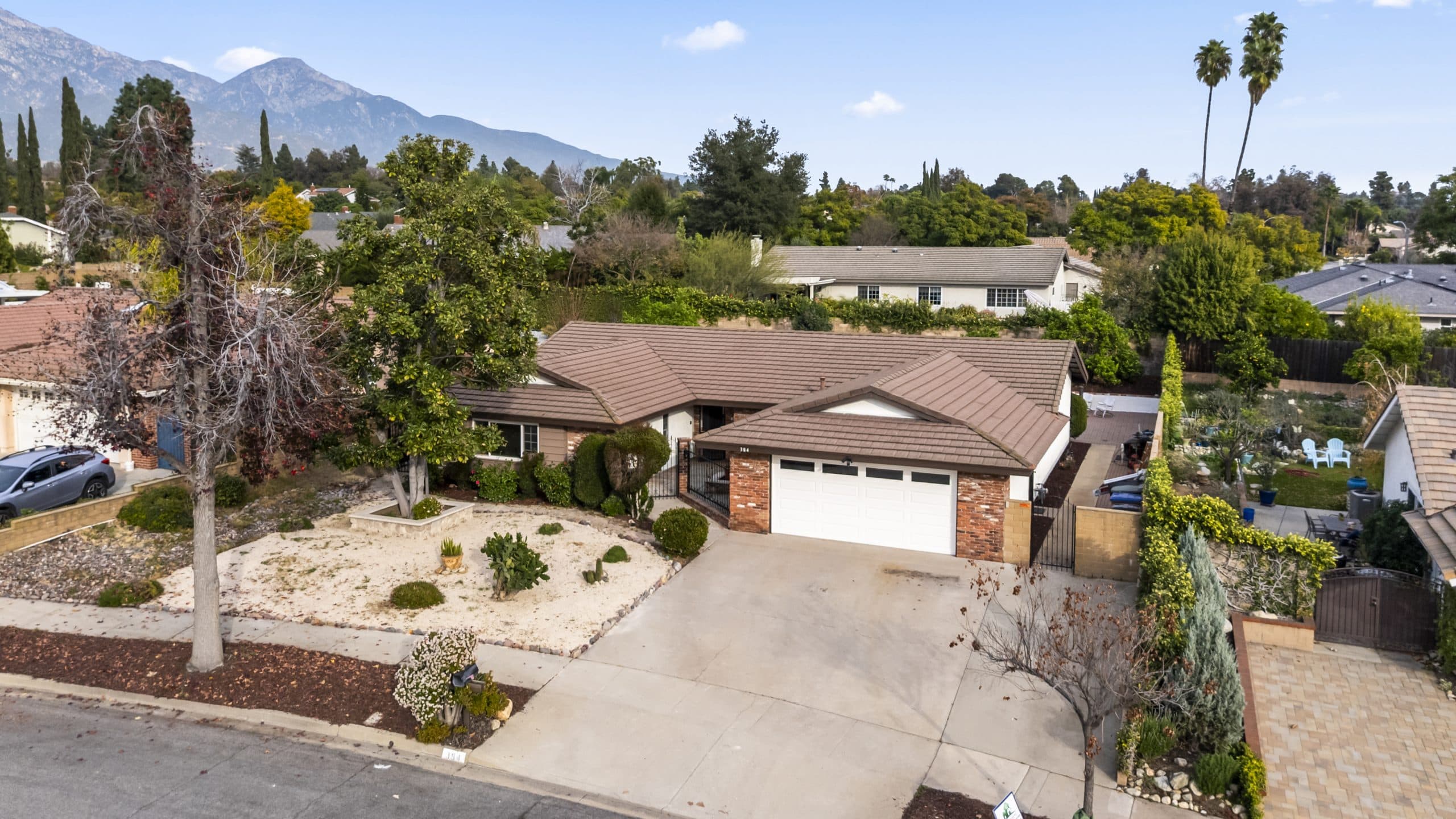
Security. An obviously empty house invites attention. The usual measures apply — lighting on timers, a maintained exterior, mail collected or held, someone physically walking the property on a schedule.
Utilities. Kept on, and the accounts kept current. Buyers cannot evaluate a house with no lights and no water, inspectors cannot inspect one, and in the warm months a closed-up Claremont house with no air movement gets unpleasant quickly.
Upkeep when nobody is there to notice
Small problems in an occupied house get caught in a day. Small problems in a vacant one get caught when someone finally visits, and by then some of them are not small.
The list is short and dull: landscaping on a schedule because a browning front yard reads as neglect and Claremont neighbours notice; a plumbing check because slow leaks are the classic vacant-house loss; pest and rodent attention because empty houses attract them; and a walkthrough by a real person at regular intervals, not a promise that someone will drop by.
Who does all this, and who pays for it, is exactly the sort of item that should be written down through counsel rather than assumed. If neither party wants the job, a property manager or a service can be engaged — again, agreed in writing, funded from an agreed source, and accounted for at closing.
Presenting an empty house
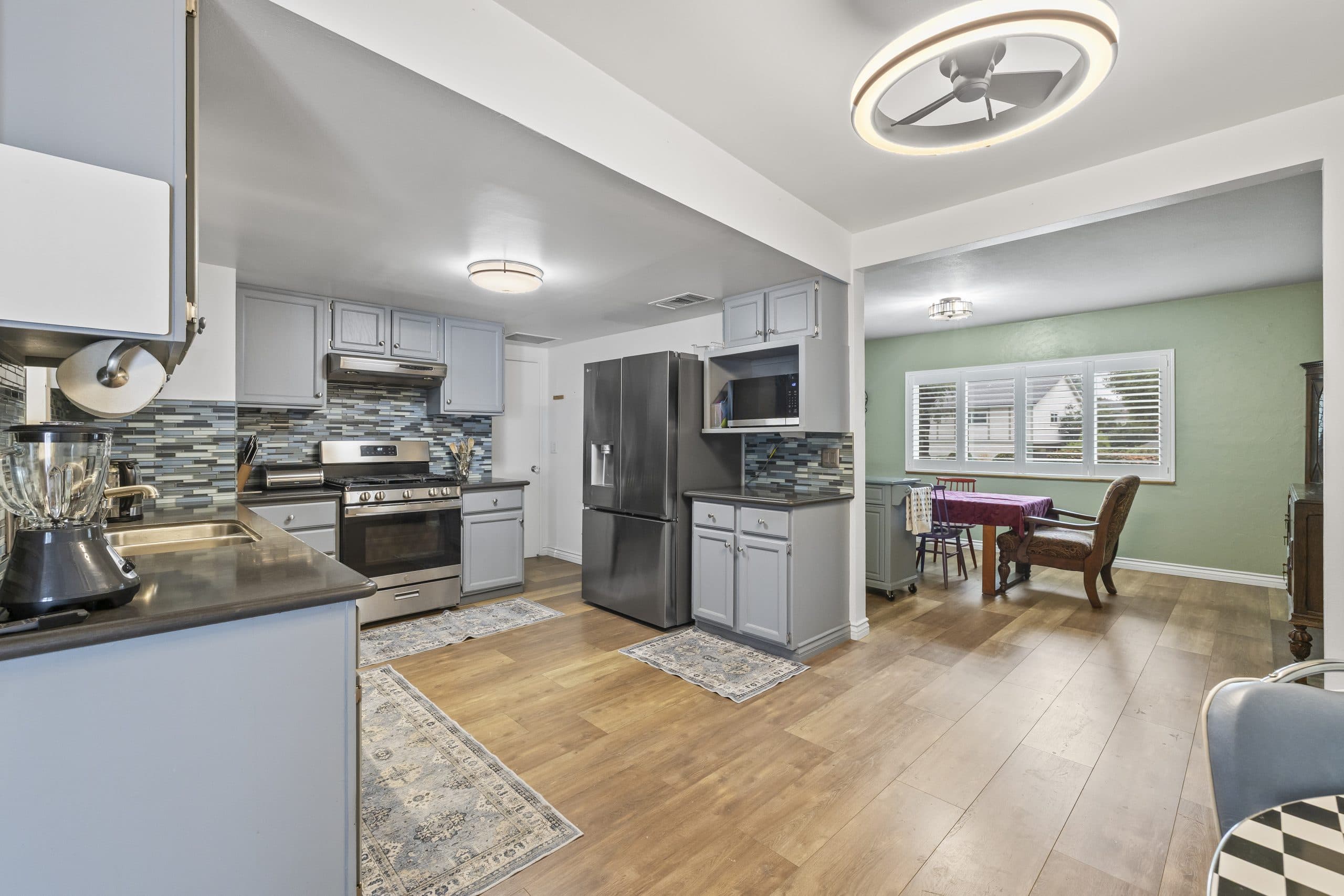
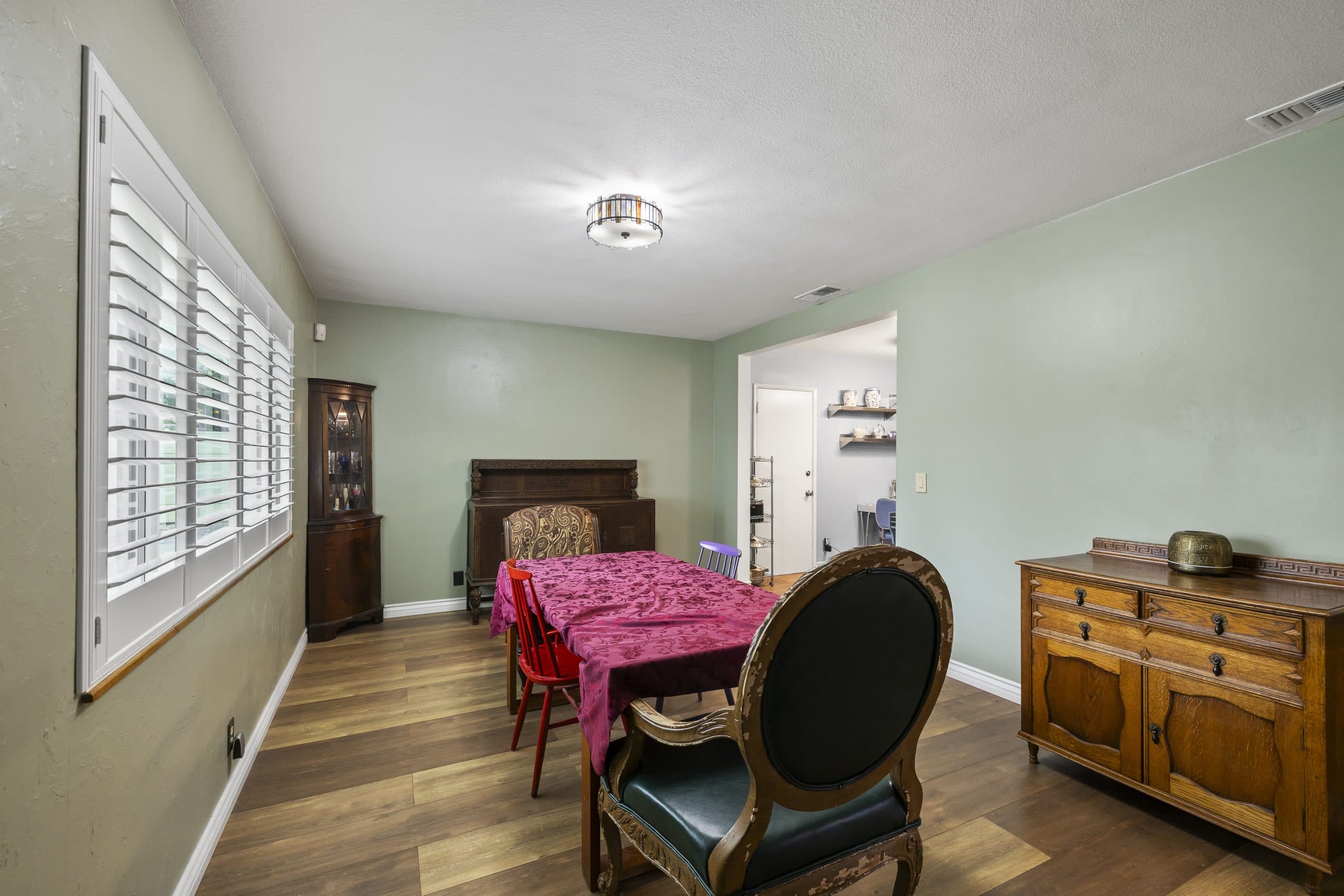
Vacant homes photograph honestly and show every flaw. Empty rooms look smaller than furnished ones, scale is hard for buyers to judge, and every scuff on a baseboard has nothing to compete with for attention.
The usual answers are cleaning to a genuinely high standard, touch-up paint, and either staging or nothing — a half-furnished house tends to read worse than an empty one. Whether staging is worth commissioning is a judgment about the specific property, and in a divorce it is also a spending decision requiring two people's agreement. I present the case to both spouses at the same time, in writing, with the cost, and I do not lobby either of them.
One advantage worth naming: showings on a vacant house are simple. No notice arrangements, no children to work around, no negotiation over windows. Buyers can be shown at their convenience, which is genuinely good for the sale. The complications that dominate an occupied divorce listing — all of them covered in When One Spouse Still Lives in the Claremont House — simply do not arise.
Two absent owners, one property
Here is the practical difficulty of a vacant divorce listing. Decisions still arrive at the same pace — a repair request, a price question, an offer with a short fuse — but neither owner is at the property, and both have moved on to new routines in different places.
What keeps it moving is agreeing the decision structure before it is needed: who may instruct on the listing, whether either spouse can approve a repair alone and up to what amount, how quickly a response to an offer is expected, and how price changes get agreed. Those terms come from the parties' agreement or a court order, and the general framework is in Selling a House During Divorce in Claremont: The Basics.
My side of it does not change. Every update goes to both owners simultaneously and in writing. I do not take instruction from one about the other, I do not carry messages, and I do not comment on the case. That standard is set out in Choosing a Neutral Realtor for a Claremont Divorce Sale.
What buyers can and cannot infer
Buyers do notice a vacant house, and some of them will assume something about the sellers' position from it. That is one reason the property is kept looking maintained and occupied-adjacent rather than abandoned: a house that reads as neglected invites a different sort of offer.
Beyond that, nothing about the circumstances belongs in the photographs, the remarks, or a conversation at a showing. Discretion here is not sentimentality — a buyer who senses distress negotiates on it, and the cost falls on both owners in equal measure.
The last thing worth saying
An empty family home is a strange thing to walk into, and both people usually have to at some point during the listing. If that visit can be scheduled separately rather than shared, schedule it separately. There is no operational reason for the two of you to be in the house at the same time, and no reason to make a hard year harder than the transaction requires.
The full map is the Claremont divorce sales guide. Anthony Grynchal has been licensed in California since November 2009.
Frequently asked questions
Does homeowners insurance change when the house is vacant?
It can, and sometimes materially, but the treatment varies by carrier and policy. Tell your insurer the truth about the occupancy status and get the answer in writing. A coverage gap on a jointly owned property is a problem for both owners, and this is a question for the insurer rather than for an agent.
Should a vacant divorce listing be staged?
It depends on the property. Empty rooms read smaller and every flaw shows, so staging can help, but a partially furnished house often shows worse than an empty one. In a divorce it is also a joint spending decision, so the cost and the case for it should go to both owners at the same time and in writing.
Who maintains the house while it is empty?
Whoever the parties agree or the court orders, and the answer should be in writing before the listing begins. Landscaping, plumbing checks, pest control, utilities, and regular physical walkthroughs all still need doing. Where neither party wants the job, a service can be engaged and funded from an agreed source.
Is a vacant house easier to sell during a divorce?
Showings are much easier, since there is no occupant to give notice to and no children to work around. The harder part is decision-making, because both owners have moved on to separate routines while the property still generates decisions at the same pace. Agreeing that structure in advance is what keeps it moving.

Written by
Anthony Grynchal
Anthony Grynchal is a California real estate professional with eXp Realty, licensed since November 2009 (California DRE# 01873626), and the Designated Local Expert™ for Claremont — where he has lived for more than 33 years.
More about AnthonyPublished · Updated