Parking is one of those requirements nobody puts on a list and everybody notices immediately once it is short.
In a larger home the garage does several jobs at once. It shelters the cars, it holds the tools and the ladder and the bicycles, and it is the overflow for whatever has not been decided about yet. A smaller home frequently has less of it, and sometimes has an association with opinions about how it may be used.
It is worth being deliberate about, because the answer changes which properties are actually candidates.
Start with how many vehicles, honestly
This sounds obvious and it is regularly got wrong, in both directions.
Some households carry two vehicles out of habit when one plus occasional alternatives would do, and the second car is a real cost sitting in a space that a property is being chosen to provide. Working that out before the search is worth doing, because it can widen the field considerably.
Others assume that a smaller home means fewer vehicles, and then discover that two people with independent lives still need to go different places on the same morning. Deciding on someone else's behalf that they will drive less is not a plan.
Add anything else with wheels. A trailer, a camper, a work vehicle, a motorcycle, or bicycles that live indoors are all parking requirements, and the last of these is the one most often forgotten.
Learn the local vocabulary of parking
Listings use words loosely, so look rather than read.
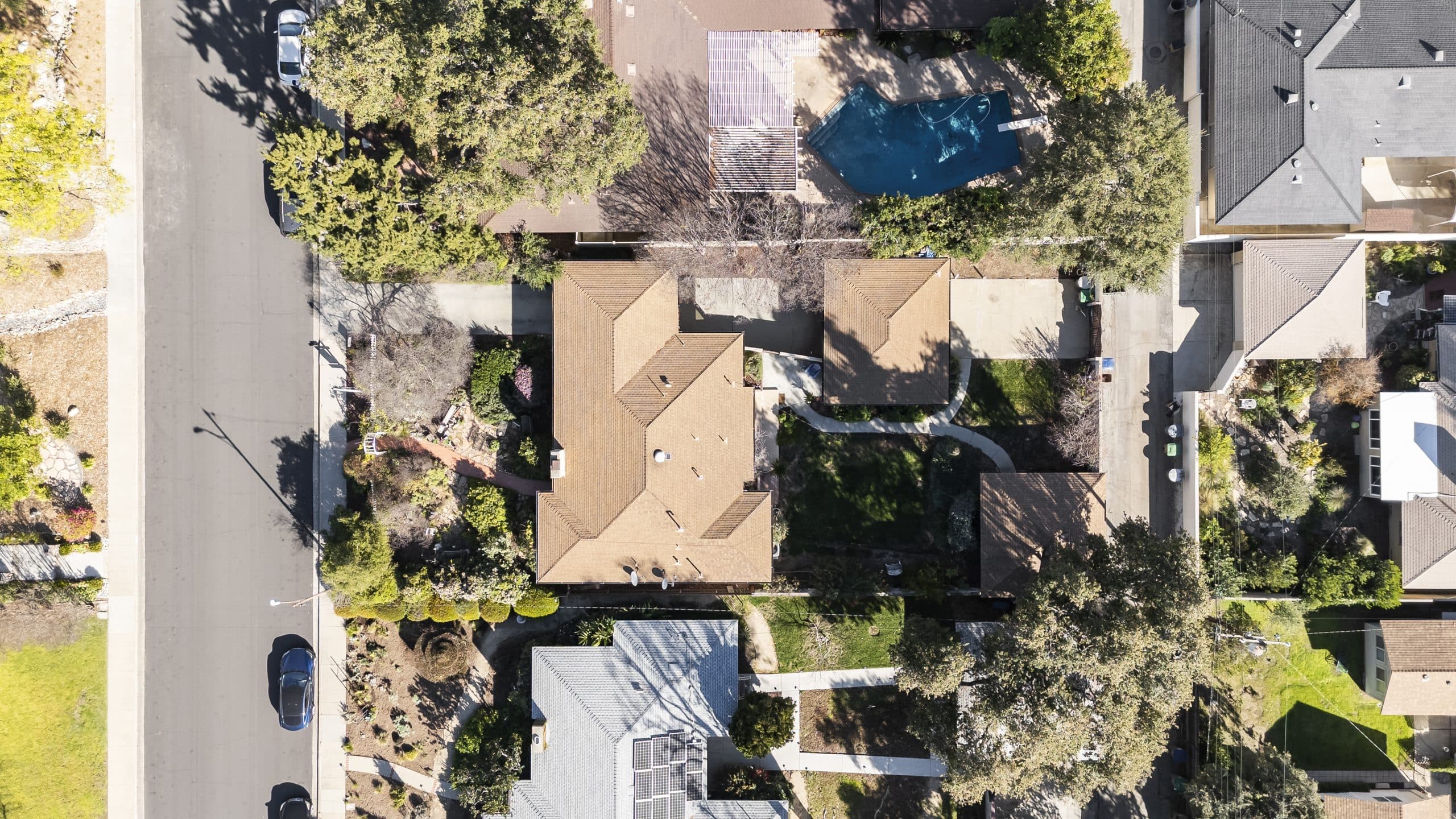
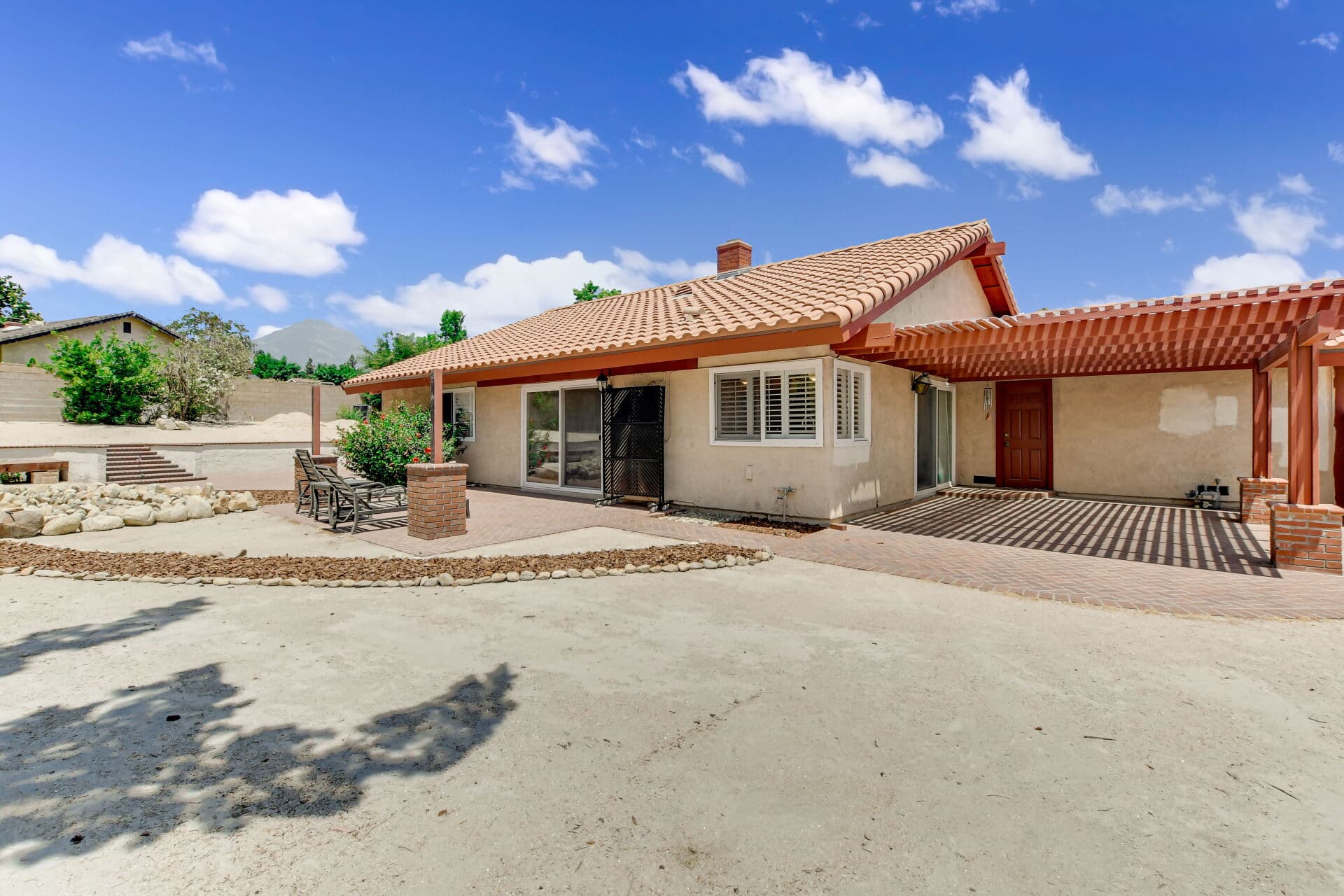
An attached two car garage with a driveway in front of it is four spaces in practice. A two car garage with no driveway apron is two. A tandem garage holds two cars in a line, which means one of them is trapped behind the other, and whether that is workable depends entirely on who drives when.
A carport shelters a car and stores nothing. An assigned space in a shared lot is a space and nothing more. Street parking may be plentiful, restricted, permit-only, or subject to overnight rules, and that is a question for the city rather than for an assumption.
Measure the garage itself. Older garages, and Claremont has many, were built for the vehicles of their era, and a modern car or truck can be a genuinely tight fit in depth as well as width. Take the tape measure in and check both, and check the door opening height if anything you own is tall.
Ask what the garage is really for
Here is the collision that catches people. The garage is being counted twice: once as parking and once as storage.
Both cannot happen in a single bay. If the tools, the ladder, the holiday boxes, the bicycles, and the workbench are all going into a one car garage, the car is going on the driveway.
That may be a perfectly reasonable outcome. It should just be a decision rather than a discovery on the day the boxes arrive. The workshop half of that problem is set out in downsizing a workshop, studio, or home office, and the wider storage assessment is in reading a smaller home's storage.
What to ask an association before you commit
Attached homes and planned developments vary widely, and their rules are in the governing documents rather than in the listing.
Ask specifically. How many spaces come with the unit, and are any of them assigned rather than deeded. Where do guests park, and is there a time limit or a permit system. Are there rules about what may be stored in a garage, since some associations restrict it or require that a garage remain usable for a vehicle. Is there any restriction on trailers, recreational vehicles, commercial vehicles, or vehicle work on the property. And how is charging handled if an electric vehicle is in the picture, since installing a charger in a shared structure is a question of both electrical capacity and permission.
Get these answers during the document review period, in writing where possible. They are ordinary questions and an association is used to being asked them. What the association takes on generally is covered in what shared maintenance really covers.
Guest parking is a real requirement
If people visit regularly, or if family comes for holidays, the parking question extends beyond your own vehicles.
A home with one space and a restricted street is a different hosting proposition than one with a driveway that takes three cars. That is not a reason to reject anything, but it is worth knowing in advance, particularly if gatherings matter to you. That side of it fits with the assessment in still hosting in a smaller Claremont home.
The walk from the car to the door
Worth a paragraph on its own, because it is used every single day and never appears in a listing.
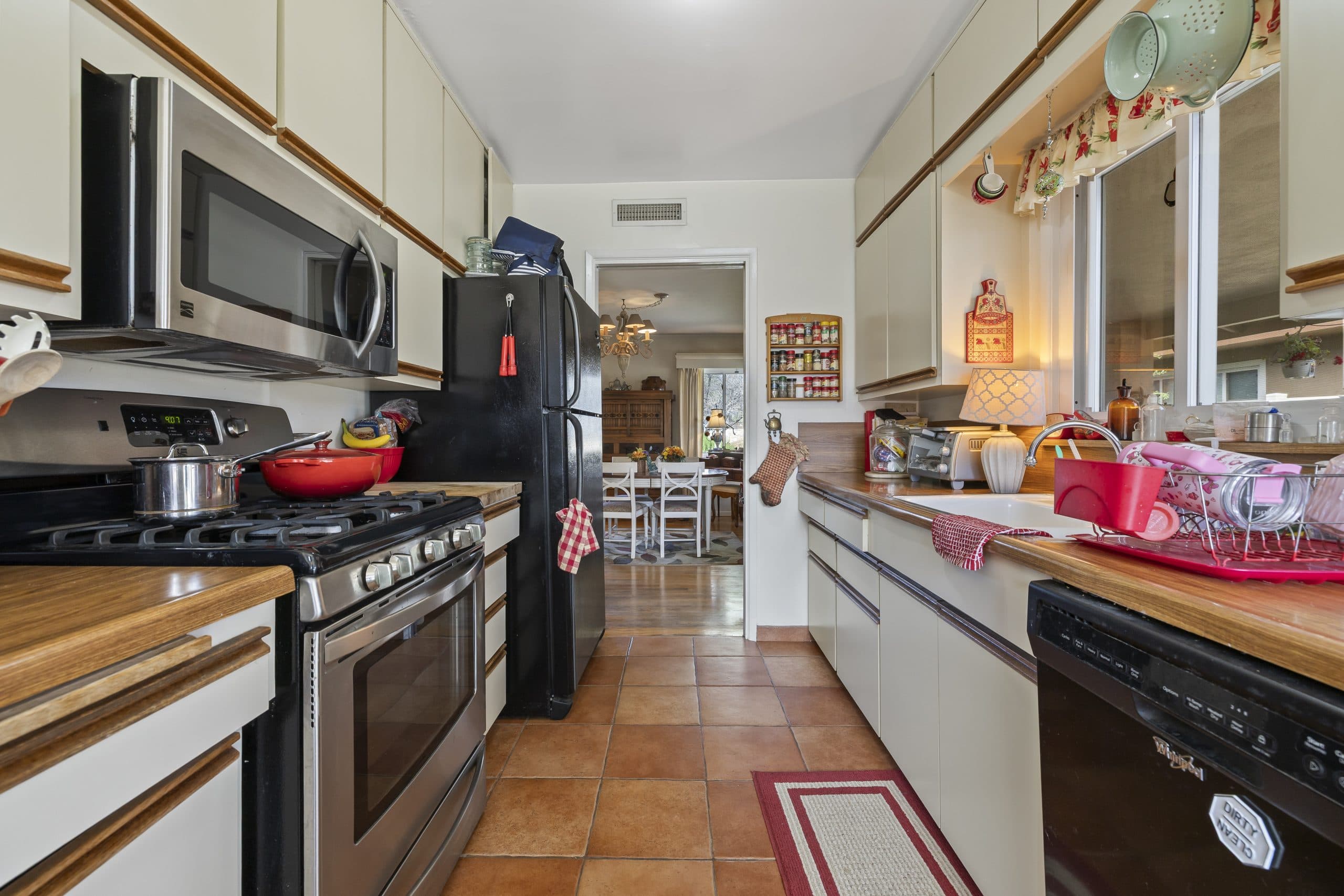
Note where the parking is relative to the kitchen, since that is the route groceries take. Note whether it is covered, whether it is lit at night, whether there is a step, and whether the path is even.
A detached garage at the end of a long path is charming and it is also a long path in the rain with an armful of shopping. Neither good nor bad, just a thing to know before rather than after.
Put parking on the written list
The practical advice is to give parking its own line in the requirements rather than letting it sit as an assumption.
Write down the number of vehicles, anything else with wheels, whether the garage also has to store, and what guest parking needs to look like. Then measure properties against it, the way you would measure anything else, using the tier method in what to ask a smaller home to do.
Parking is structural. It is one of the few things about a property that genuinely cannot be added later, which is precisely why it deserves to be checked early rather than noticed late. The rest of the cluster is at the Claremont downsizing hub.
Anthony Grynchal has been licensed in California since November 2009.
Frequently asked questions
How much parking will I actually need?
Count vehicles honestly, in both directions, and add anything else with wheels: trailers, motorcycles, and bicycles that live indoors. Deciding on someone else's behalf that they will drive less is not a plan, and carrying a second vehicle out of habit narrows the field of properties unnecessarily.
Can the garage be used for storage?
Only if it is not also holding a car. A single bay cannot do both. Decide which job it is doing before you buy, and check whether an association restricts garage storage, since some require that a garage remain usable for a vehicle.
What should I ask an association about parking?
How many spaces come with the unit and whether they are assigned or deeded, where guests park and under what limits, what may be stored in a garage, whether trailers or recreational vehicles are restricted, and how electric vehicle charging is handled.
Are older garages big enough for modern cars?
Not always. Many were built for the vehicles of their era and can be tight in depth as well as width. Take a tape measure to the showing and check the interior dimensions and the door opening height, particularly if anything you own is tall.

Written by
Anthony Grynchal
Anthony Grynchal is a California real estate professional with eXp Realty, licensed since November 2009 (California DRE# 01873626), and the Designated Local Expert™ for Claremont — where he has lived for more than 33 years.
More about AnthonyPublished · Updated