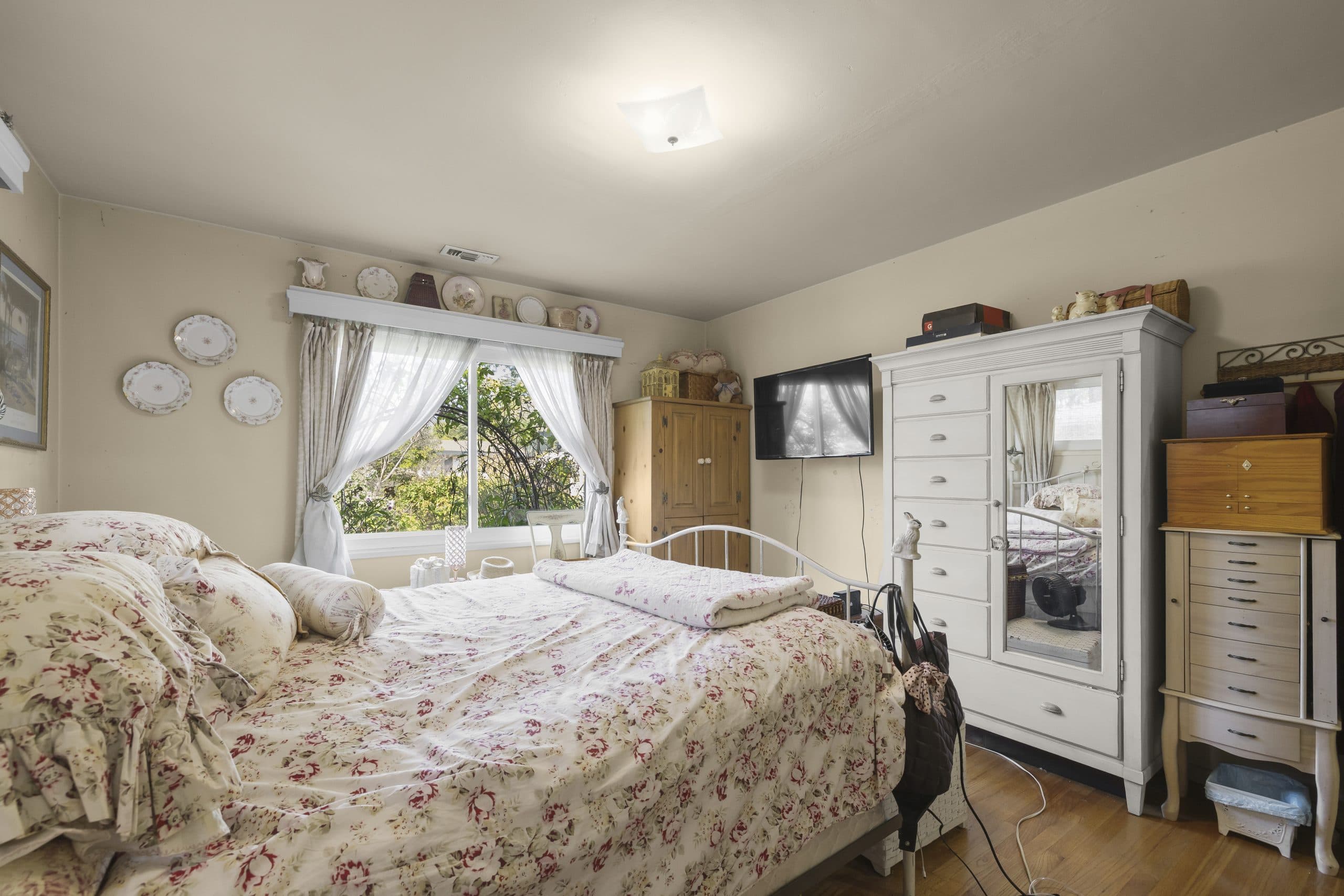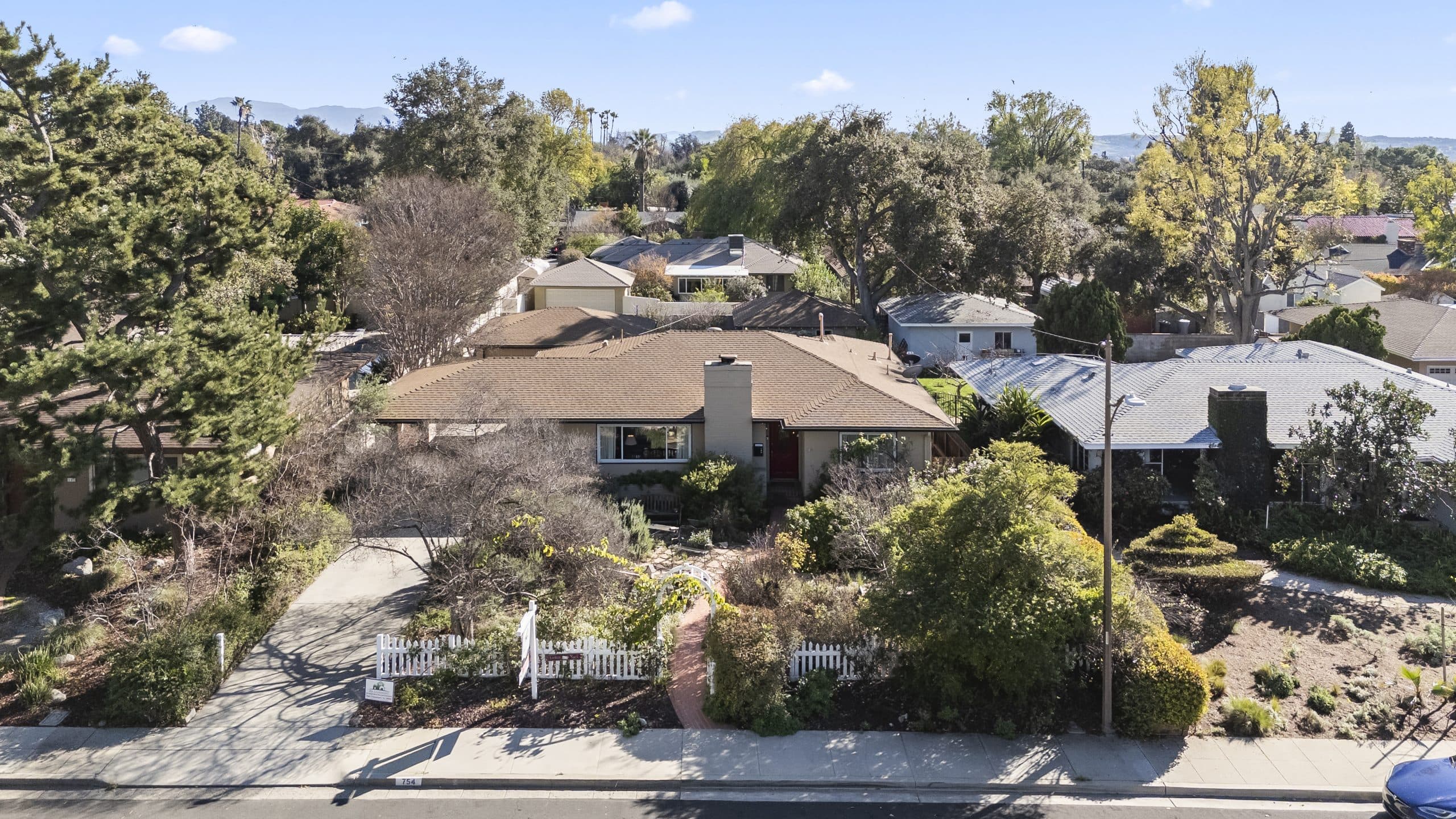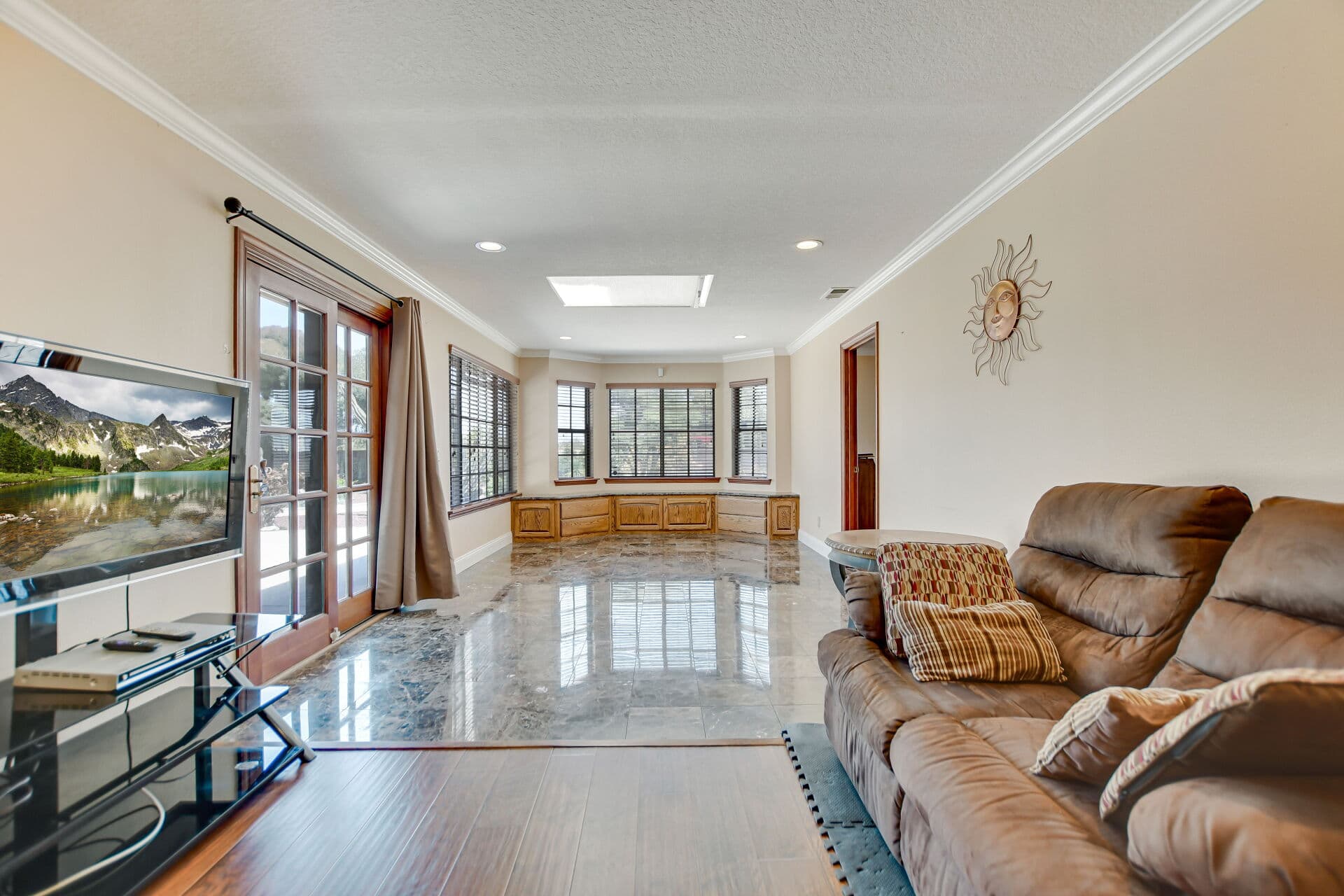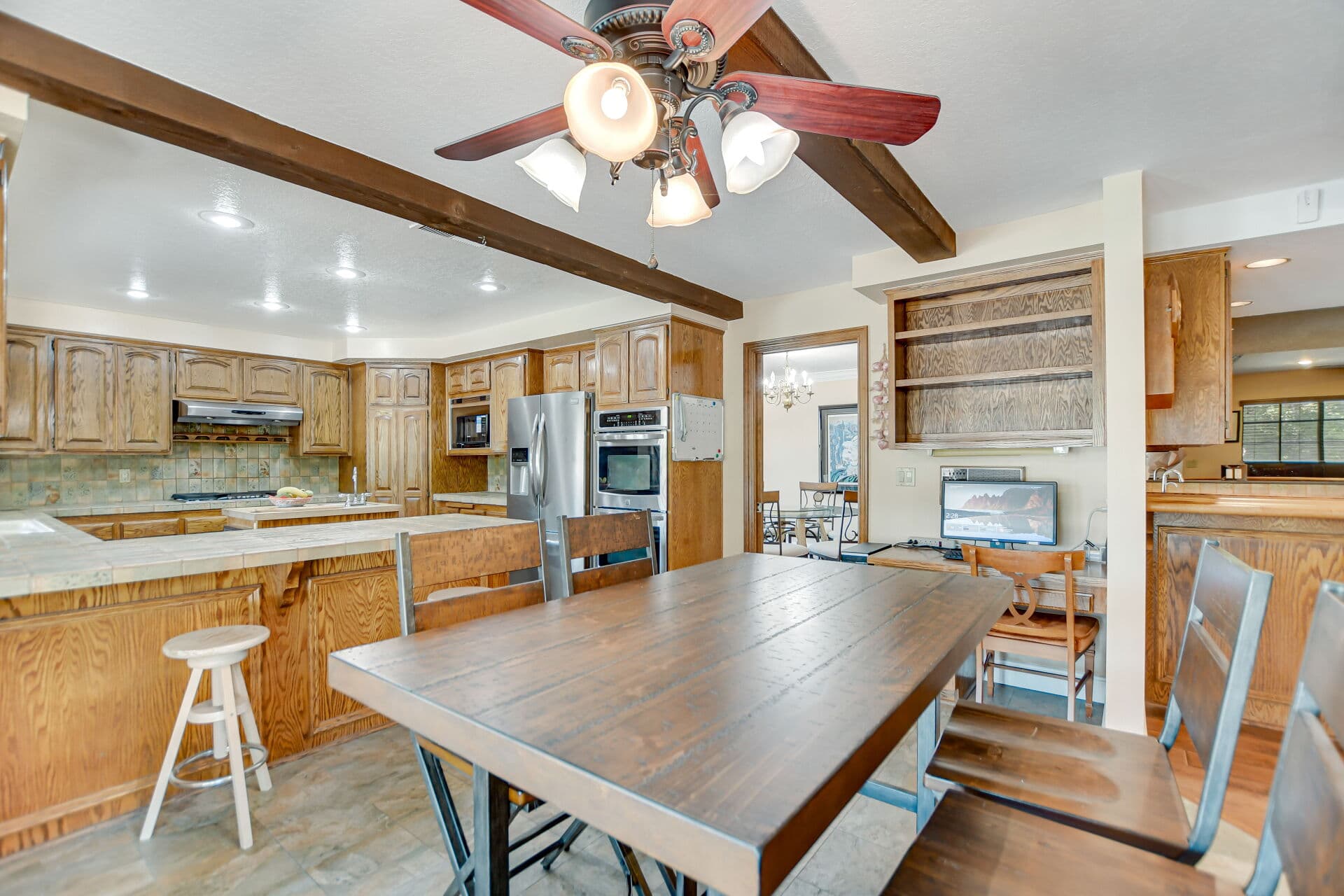
It is a good problem, and it is still a problem. Two homes. Both workable. Two people who each lean a different way, or one person who genuinely cannot choose. Meanwhile the clock is running, because homes do not wait for anyone's decision-making process.
What follows is a method rather than a formula. The aim is not to compute a winner but to make sure the thing you choose on is the thing that will actually matter to you in five years.
First, separate what can change from what cannot
This is the single most useful sorting step, and most first-time buyers do it backwards.
Cannot change: the location, the lot, the orientation and light, the noise, the street, the commute, the general layout footprint, and the basic structure of the building.
Can change, over time and at a cost: paint, flooring, fixtures, cabinets, appliances, landscaping, and most finishes. Some of it is cheap. Some of it is expensive and slow. All of it is possible.
Now review your reasons for preferring each home and mark them. If the pull toward Home A is mostly "cannot change" reasons and the pull toward Home B is mostly finish and staging, you have probably already found your answer and just have not said it out loud. A beautifully presented house on an unpleasant street stays on that street.
The reverse is also true and worth saying: a tired-looking home in the right spot is often the better long-term decision, provided you are honest about what bringing it up to your standard will take and when you can realistically do it.
Second, go back at a different hour
Most homes are shown at flattering times. If you have seen both on a Saturday afternoon, you have seen the marketing version of both.
Go back on a weekday, at whatever hour you actually live in a house. Morning, if you work from home. Evening, if you do not. Sit outside for ten minutes with the engine off and listen. Drive the commute at the real time, not at eleven in the morning.
This step breaks more ties than any other, because sound, light and traffic are exactly the variables that photographs cannot hold, and exactly the ones you cannot renovate away later.
Third, write the trade-off in one sentence each
Force it into a sentence. "Home A gives us the street and the light, and costs us a small kitchen and a longer wait for the work we want." "Home B gives us the space now, and costs us the walk to the Village and afternoon sun."
Two sentences, written down, side by side. When two buyers are disagreeing, this exercise usually reveals that they are not actually disagreeing about the houses. They are disagreeing about which trade-off they can live with, which is a much easier conversation to have once it is on paper.
Fourth, check that both are genuinely comfortable
Sometimes the tie is not real, because one option only works if you stretch further than you meant to. If Home A is comfortable and Home B requires you to abandon the reserves you promised yourself you would keep, that is not a tie. That is one workable home and one aspiration.
Do the honest version of this check with your lender rather than in your head, and include what it costs to run each home, not only what it costs to buy it. A larger house, an older roof, a pool or a big lot all carry ongoing costs that are easy to ignore while you are excited.
Fifth, ask what each one asks of you in year one
Every home comes with a first-year list. One might need nothing but boxes unpacked. The other might need a water heater, some electrical attention and a serious weekend on the yard before it feels like yours.
Neither answer is wrong. What matters is whether you have the money, the time and the appetite for the list attached to the home you are choosing. A buyer with a demanding job and no interest in projects should weigh that honestly rather than assume enthusiasm will appear after closing.
When it is still a tie
If you have done all of that and the two are genuinely level, then it is level, and the decision is smaller than it feels. At that point, use a tiebreak you can live with rather than agonizing further:
- Which one do you picture yourself in on an ordinary Tuesday, not on a holiday?
- Which one would you regret losing more if you heard tonight that it was gone?
- Which one is easier to leave, if life changes in a way you did not plan?
That last question is the least romantic and the most useful. A first home is rarely a last home, and a property that is easy to explain to the next buyer is a kinder thing to own than one that requires a special sort of person to appreciate it.
A note on pressure
Nobody should be rushing this. Not the listing side, not your own agent, and ideally not you. Yes, homes get taken while people think. That is real, and it is still not a reason to commit to the wrong one, because the cost of choosing badly is measured in years and the cost of losing a house is measured in weeks.
If both homes go while you are deciding, you have learned something useful about your own decision speed, and the next round will be quicker. That is a much better outcome than owning something you talked yourself into. If a run of losses has worn you down, the recovery plan for losing your first few offers is worth reading before you write the next one.
Where to go next
Before your second visits, run through the things first-time buyers overlook at Claremont showings, and keep the rest of the first-time buyer guides nearby as the search continues.
If you would like a second opinion on two specific homes, that is a normal thing to ask for. Anthony Grynchal has been licensed in California since November 2009.
Frequently asked questions
How do I decide between two homes when my partner and I disagree?
Write each home's trade-off as a single sentence and compare them side by side. Most disagreements turn out to be about which trade-off is tolerable rather than about the homes themselves.
Should I choose the nicer finishes or the better location?
Finishes can be changed over time; location, light and noise cannot. If your preference for one home rests mainly on presentation, weigh that carefully against what is permanent.
Is it worth visiting a home a second time before deciding?
Yes, and at a different hour than the first visit. Weekday mornings and evenings reveal traffic, noise and light that a weekend showing does not.
What if both homes sell while I am deciding?
It happens, and it is not a disaster. Losing a home costs you weeks; committing to the wrong one costs you years. Use the experience to move more decisively next time.

Written by
Anthony Grynchal
Anthony Grynchal is a California real estate professional with eXp Realty, licensed since November 2009 (California DRE# 01873626), and the Designated Local Expert™ for Claremont — where he has lived for more than 33 years.
More about AnthonyPublished · Updated