A steady share of first-time buyers here arrive from the coastal side of the region. They have been renting in Los Angeles or Orange County, ownership there feels out of reach, and Claremont turns up as a place where a first purchase might actually be possible.
That instinct is reasonable. What follows is what actually changes when you make the move, including the parts people underestimate.
Test the commute before you commit
This is the first thing, and it is the thing people get wrong most often.
If anyone in the household will travel toward the coast regularly, DRIVE IT. Not once on a Saturday. Drive the actual route at the actual departure time on an actual weekday, in both directions, more than once. The difference between a mid-morning run and a Tuesday at seven is not a small variance; it is a different trip.
Then price the commute honestly in time as well as money. Hours in a car are a real cost that no listing mentions, and a household that has not tested it tends to discover the truth six months after closing, when unwinding the decision is expensive.
If the trip is occasional rather than daily, or if there is remote flexibility, the math is entirely different. Rail options exist in this corridor and are worth investigating for your specific schedule directly with the transit agency, since service and timetables change.
What the housing stock is actually like
Claremont is a small city with an unusual amount of variety for its size, and it is not laid out like a coastal neighborhood.
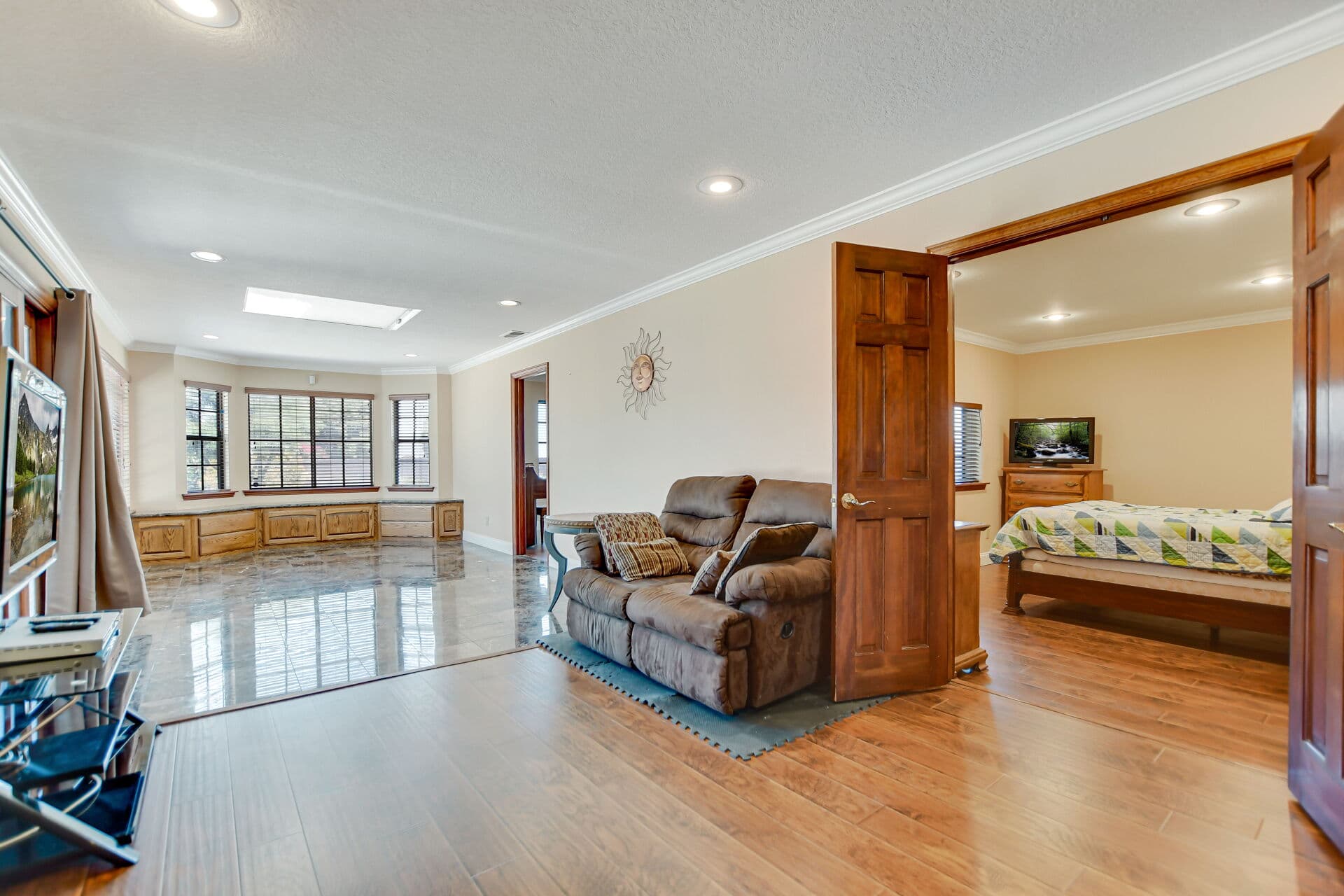
You will find older homes near the Village and the Colleges, mid-century tract streets, larger parcels toward the foothills, and a real attached market of condominiums and townhomes. Lots and setbacks generally read differently from what you may be used to, and mature trees are a defining feature of the town.
Older housing stock brings character and maintenance together. Systems have finite lives, and a house that charms you at a showing may be carrying several items near the end of theirs. That is a reason to inspect thoroughly, not a reason to avoid older homes. What first-time buyers overlook at showings covers what to look at while touring.
The attached market is where a lot of first purchases here actually happen, and it works differently from detached ownership in ways worth understanding before you dismiss it. See how the condo-first strategy works.
Things that are genuinely different
A few practical adjustments come up repeatedly with buyers from the coast.
Summer heat inland is not the same as summer near the ocean. Cooling equipment, insulation, window orientation, and shade become things you care about rather than details you skim. Ask about the age and condition of the cooling system, and notice which rooms face west.
The town runs at a different pace, and it is genuinely walkable in parts, particularly around the Village and the Colleges. For many people arriving from a car-dependent neighborhood, that is the real appeal.
Wildfire and insurance considerations exist across much of California and vary by location and by carrier, and both the regulatory landscape and carrier appetite have moved in recent years. Get quotes early in the process for the specific property rather than assuming coverage will be routine, and let your insurance professional advise on the specifics.
Schools: ask the district, not a listing
Families relocating almost always ask about schools, and the answer has to come from the right place.
Attendance boundaries and enrollment policies are set and changed by CLAREMONT UNIFIED SCHOOL DISTRICT. Boundaries move; listings are not authoritative and are not updated when policies change. If school assignment matters to your decision, confirm it with the district for the specific address before you write an offer.
I will not rank schools or tell you which is best for your child. That is your family's judgment, made from the district's information and from visiting.
The strongest move: rent here first
If you can, rent in the area for a period before buying.
You learn which part of town suits you, whether the commute is livable, how the summer feels, and where you actually spend your time. Those are facts you cannot get from weekend visits, and they are exactly the facts that decide whether the move works.
Renting first also removes pressure. A buyer who already lives here is not trying to conclude a search during a two-day trip, and that alone prevents a lot of regret. Renting longer is a legitimate choice rather than a delay, and for a relocating household it is often the smartest one available.
Practical mechanics of buying from out of the area
If you are buying while still living elsewhere, plan for it.
Give yourself a longer runway than you think you need; a first purchase here generally unfolds over months. Expect to make trips at specific moments, particularly for touring and, if you can, for the inspection, which is worth attending in person.
Talk to a lender before you look at listings, so you know what is possible and what documentation is required. If a job move is part of this, employment timing has its own rules; how a new job affects the purchase covers that in detail.
And be deliberate about wiring instructions. Never take them from an email; call escrow on a number you already had and confirm verbally before sending anything. Out-of-area buyers doing everything remotely are the most targeted group in this business.
Where to start
Drive the commute. Then talk to a lender. Then read the full sequence on the Claremont first-time buyer hub and the first-time buyer's path to a Claremont home.
One representation note: a buyer's agent's compensation is NEGOTIABLE and agreed in writing between you and the agent, and it is not automatically paid by the seller.
Anthony Grynchal has been licensed in California since November 2009.
Frequently asked questions
Is the commute from Claremont to LA or OC manageable?
That depends entirely on your route and schedule, and the only reliable way to know is to drive it at your actual departure times on weekdays, in both directions, more than once. Rail options exist in this corridor and should be checked directly with the transit agency for current service.
How is Claremont housing different from coastal neighborhoods?
The stock varies more than people expect, from older homes near the Village and the Colleges to mid-century streets, foothill parcels, and a real attached market. Older homes bring character and maintenance together, which is a reason to inspect thoroughly.
What should I know about summers here?
Inland summer heat is meaningfully different from coastal weather, so cooling equipment, insulation, shade, and window orientation matter more than you may be used to. Ask about the age and condition of the cooling system.
Should I rent in Claremont before buying?
If you can, yes. Living here first tells you which part of town suits you, whether the commute is livable, and how the seasons feel, and it removes the pressure of trying to conclude a search during a short visit.

Written by
Anthony Grynchal
Anthony Grynchal is a California real estate professional with eXp Realty, licensed since November 2009 (California DRE# 01873626), and the Designated Local Expert™ for Claremont — where he has lived for more than 33 years.
More about AnthonyPublished · Updated