An owner spends a weekend clearing brush, replaces vents, boxes in the eaves, and reasonably expects the insurance bill to notice. Sometimes it does. Frequently it does not, and the reason is almost never that the work was pointless. It is that nobody told the carrier, or the work was done to a standard that does not match what the carrier measures, or it was measured at a level the property does not control.
California regulation now requires insurers to account for wildfire mitigation in the way they rate and evaluate properties. The exact structure of that requirement, what qualifies, at what level, and how it must be evidenced is set by the California Department of Insurance and by each carrier's filed program, and it has changed more than once. Treat every specific in this article as a prompt to verify rather than as a current rule. VERIFY THE CURRENT FRAMEWORK with the California Department of Insurance and with a licensed insurance broker before spending money on the expectation of a credit.
This article extends the insurance guide. It is written by a real estate professional, not an insurance broker, an adjuster or a fire official. It cannot tell any reader whether their property qualifies for anything.
The two levels, and why owners confuse them
Mitigation is evaluated at two scales, and only one of them belongs to the homeowner.
THE STRUCTURE AND ITS IMMEDIATE SURROUNDINGS. The roof covering and assembly, the vents, the eaves, the windows, the exterior cladding, the deck, the fencing where it attaches to the house, and the vegetation and combustible material within the zones immediately around the building. This is the owner's territory. It is where work gets done and where documentation gets produced.
THE COMMUNITY. Whether the surrounding area participates in a recognized wildfire preparedness program, and how the wider landscape is managed. An individual owner contributes to this and does not control it.
The confusion arrives when an owner completes real structural work and sees no change, because the property sits in an area whose broader assessment did not move. Both scales matter, and neither substitutes for the other.
The part owners consistently get wrong
Work that is not documented did not happen, as far as any underwriter is concerned. This is the same lesson the rest of this cluster keeps producing, and it applies with unusual force here because mitigation is largely invisible six months later. Ember-resistant vents look like vents. A cleared zone regrows.
What survives is PAPER: contractor invoices identifying the product and the standard it meets, permits where a permit was required, product documentation and listings, and DATED PHOTOGRAPHS taken before, during and after. Photographs are especially useful because underwriting inspection is itself photographic, and a photograph is the format the process already speaks. What a carrier photographs and why is set out in the article on carrier inspections.
Second consistent error: doing the work and never reporting it. A carrier does not audit its book for improvements. If nobody submits the file, the file does not exist, and the property continues to be evaluated on whatever was known before. Ask the licensed broker exactly what to submit and in what form, and confirm receipt.
The Claremont specifics
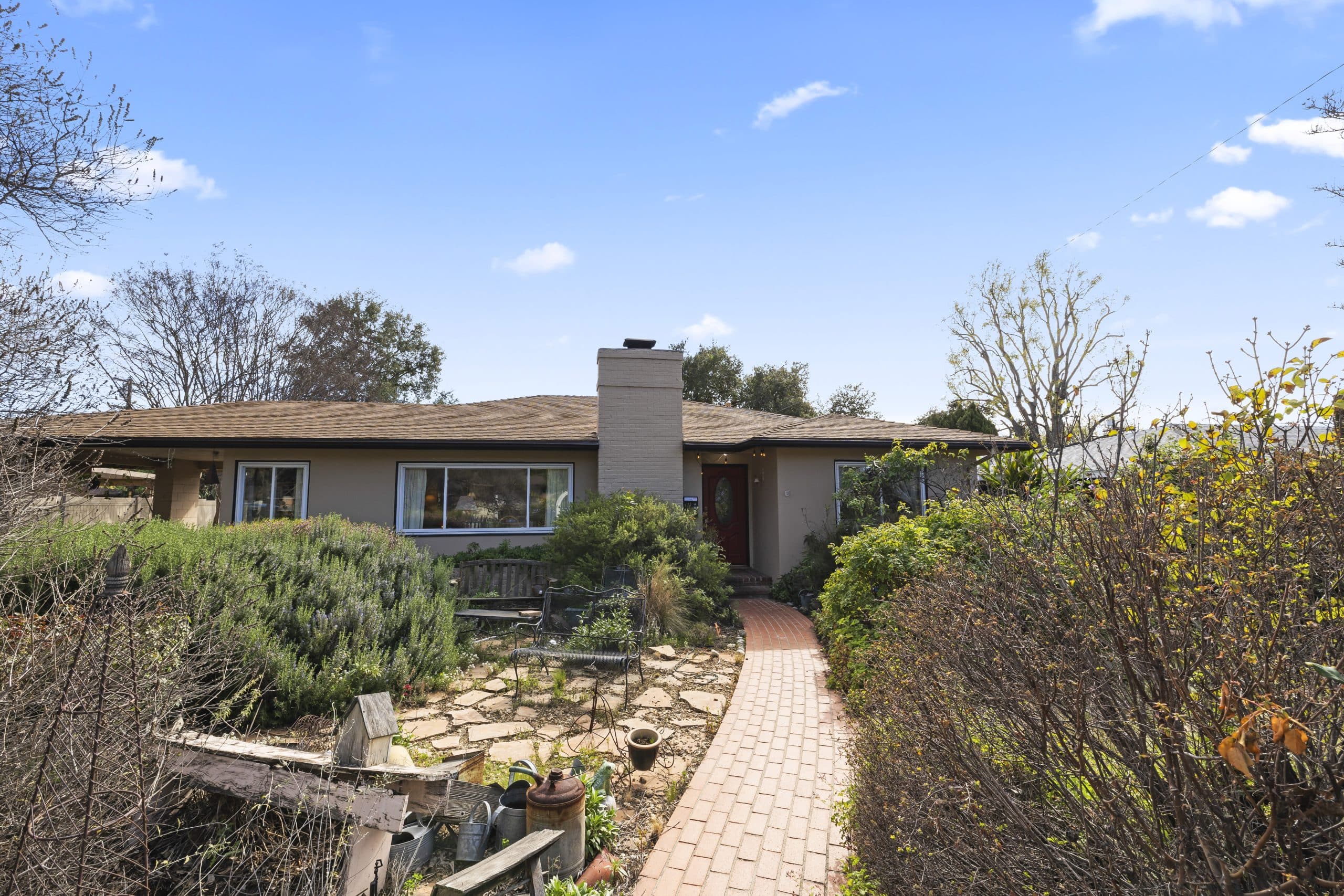
The northern edge of the city meets the foothills, and exposure is not uniform across town. Two houses a few streets apart can sit in materially different circumstances. That is the first thing worth establishing about any particular address, and it is a question for the fire authority and a licensed broker rather than a general article.
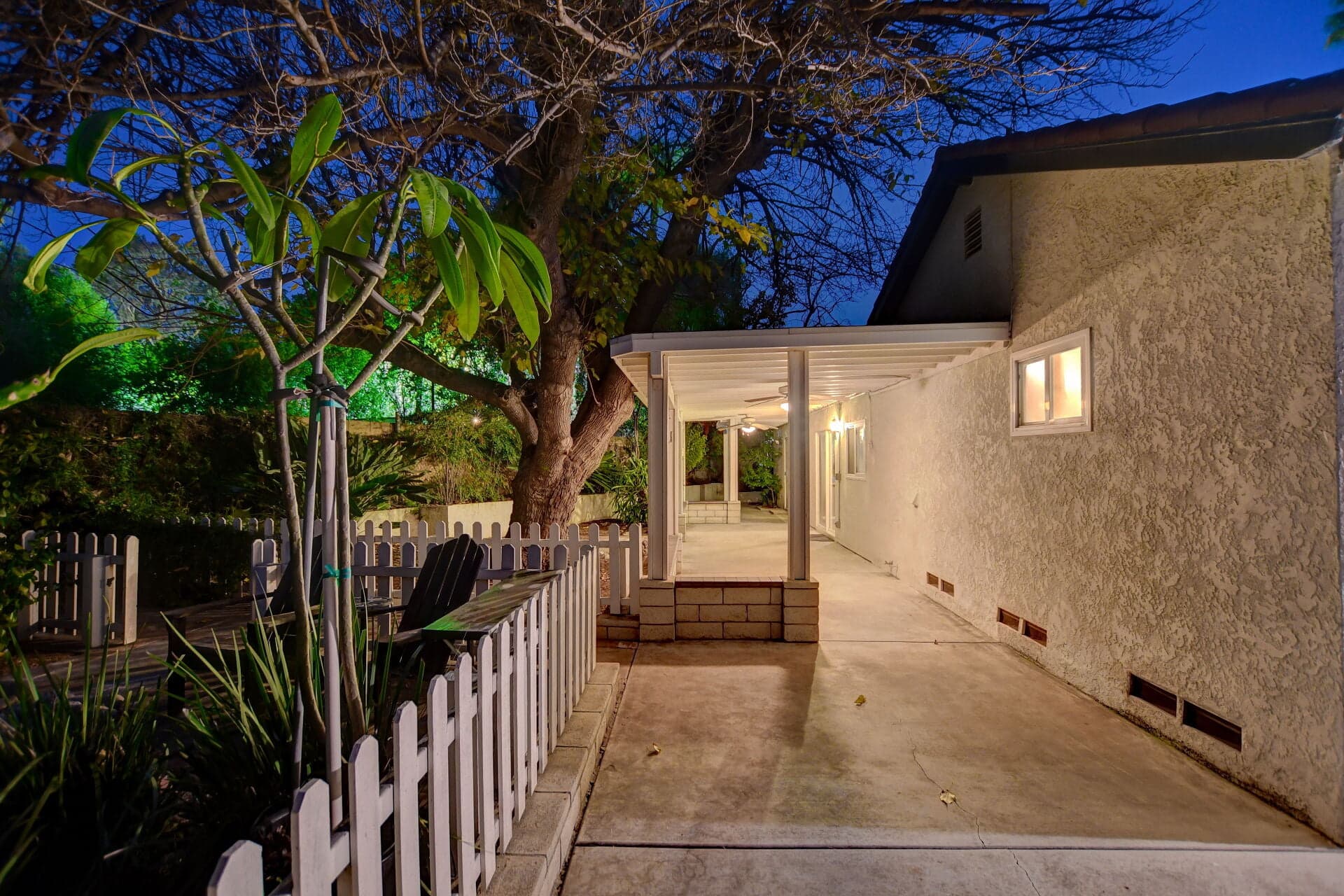
The canopy is the second Claremont-specific factor, and it is genuinely two-sided. The mature trees are a large part of why people live here. They also drop material into gutters, valleys and roof planes continuously, and accumulated organic debris is both fuel and a maintenance problem. Clearance and vegetation standards are set by the fire authority and by state law, they are revised, and they are enforced locally. Verify the current requirements with the fire authority directly rather than relying on any written description, including this one.
The third factor is roof-related, because in a wildland-adjacent area the roof is simultaneously the largest weather surface and a primary ignition surface. The underwriting weight it carries is covered in the article on roof age and insurance.
What the credit question really is
Owners tend to frame mitigation as a price question. In the current California market that is the less important half. AVAILABILITY is the binding constraint: whether a carrier will write the address at all, and whether an existing carrier continues to. Mitigation work belongs in that conversation first, and any rating effect is a secondary benefit rather than the reason to do it.
Which is also the honest framing for the money. Nobody should perform expensive work on the promise of a specific financial outcome from an insurance company, because no article, contractor or agent can promise one. Mitigation is defensible on its own terms as a way of making a house more likely to survive an event. The insurance consequence, whatever it turns out to be, is a question for the licensed broker working the actual address against current carrier programs.
Inside a transaction
For BUYERS, ask what mitigation exists and whether it is documented, in the same week-one conversation that establishes whether the property can be insured at all. Documented mitigation is a genuine asset in a placement discussion; undocumented mitigation is a story.
For SELLERS, the mitigation file belongs with the house. A seller who hands over invoices, product documentation and dated photographs gives the next owner's broker something to work with, and removes a category of mid-escrow friction that is currently one of the most common reasons a Claremont deal gets difficult. What that friction looks like is described in the article on insurance threatening a deal.
The takeaway
Do the work for the house, not for the discount. Do it to the standard the fire authority currently publishes, not to a standard remembered from an article. Document it while it is visible. Report it to the carrier and confirm they received it. And take every question about whether a specific measure earns a specific outcome to a licensed insurance broker, to the carrier in writing, and to the California Department of Insurance, all of which can speak to the current framework in a way that no static page can.
Where mitigation fits when a carrier has already sent a notice is covered in the article on non-renewal options. Anthony Grynchal has been licensed in California since November 2009.
Frequently asked questions
Do California insurers have to recognize wildfire mitigation?
California regulation requires insurers to account for mitigation in how they rate and evaluate properties, but the structure of that requirement and what qualifies is set by the Department of Insurance and by each carrier's filed program, and it changes. Verify the current framework with the Department of Insurance and a licensed broker.
Why did my mitigation work not change anything?
Common reasons include that the carrier was never told, that the work was not documented in a form underwriting accepts, or that part of the evaluation happens at a community scale the owner does not control. Ask your licensed broker what was submitted and what was actually considered.
What documentation should I keep for hardening work?
Contractor invoices naming the product and the standard it meets, permits where required, product documentation, and dated photographs taken before, during and after. Photographs matter because underwriting inspection is itself photographic.
Is mitigation about price or about getting covered at all?
In the current California market, availability is usually the binding constraint rather than price. Mitigation belongs in the conversation about whether a property can be written and kept written, with any rating effect a secondary benefit.
Where do I find current defensible space requirements?
From the fire authority and the local building department directly. Clearance and vegetation standards are set by law and revised periodically, so a written description in any article can be out of date by the time it is read.

Written by
Anthony Grynchal
Anthony Grynchal is a California real estate professional with eXp Realty, licensed since November 2009 (California DRE# 01873626), and the Designated Local Expert™ for Claremont — where he has lived for more than 33 years.
More about AnthonyPublished · Updated