Ask a homeowner what their house is insured for and most will answer with a number that resembles what the house is worth. That instinct is understandable and it is the wrong frame. The dwelling limit on a homeowners policy is not an estimate of market value. It is an estimate of what it would cost to REBUILD the structure, on its own lot, to current code, using current labor and materials. Those two numbers are related only loosely, and in a place like Claremont they can point in opposite directions.
This article extends the insurance guide. It is written by a real estate professional, not an insurance broker or an adjuster, and it does not tell any reader what their dwelling limit should be. Setting that number is the work of a licensed insurance professional working from the actual property, and every question about limits, endorsements, eligibility and what a claim would pay belongs to that professional, to the carrier in writing, and where a consumer question arises, to the California Department of Insurance.
Why the two numbers separate
Market value is a price a buyer will pay for a property, and a large share of it is the LAND. Location, lot, view, school access, walkability and scarcity all sit in that price, and none of them burn down. A total loss destroys the structure and leaves the parcel.
Rebuild cost is a construction estimate. It answers a different question: what would a contractor charge, today, to reconstruct this specific building, one house at a time, on an occupied street, to the code in force at the time of the rebuild. That estimate can be higher than market value or lower than it, depending on the house and the moment.
The reason this matters is that a policy pays toward the second number and not the first. An owner reassured by a large dwelling limit because it looks close to their home's value may be reasoning about the wrong quantity entirely.
What actually drives a rebuild estimate
Several inputs move the figure, and most owners underweight all of them.
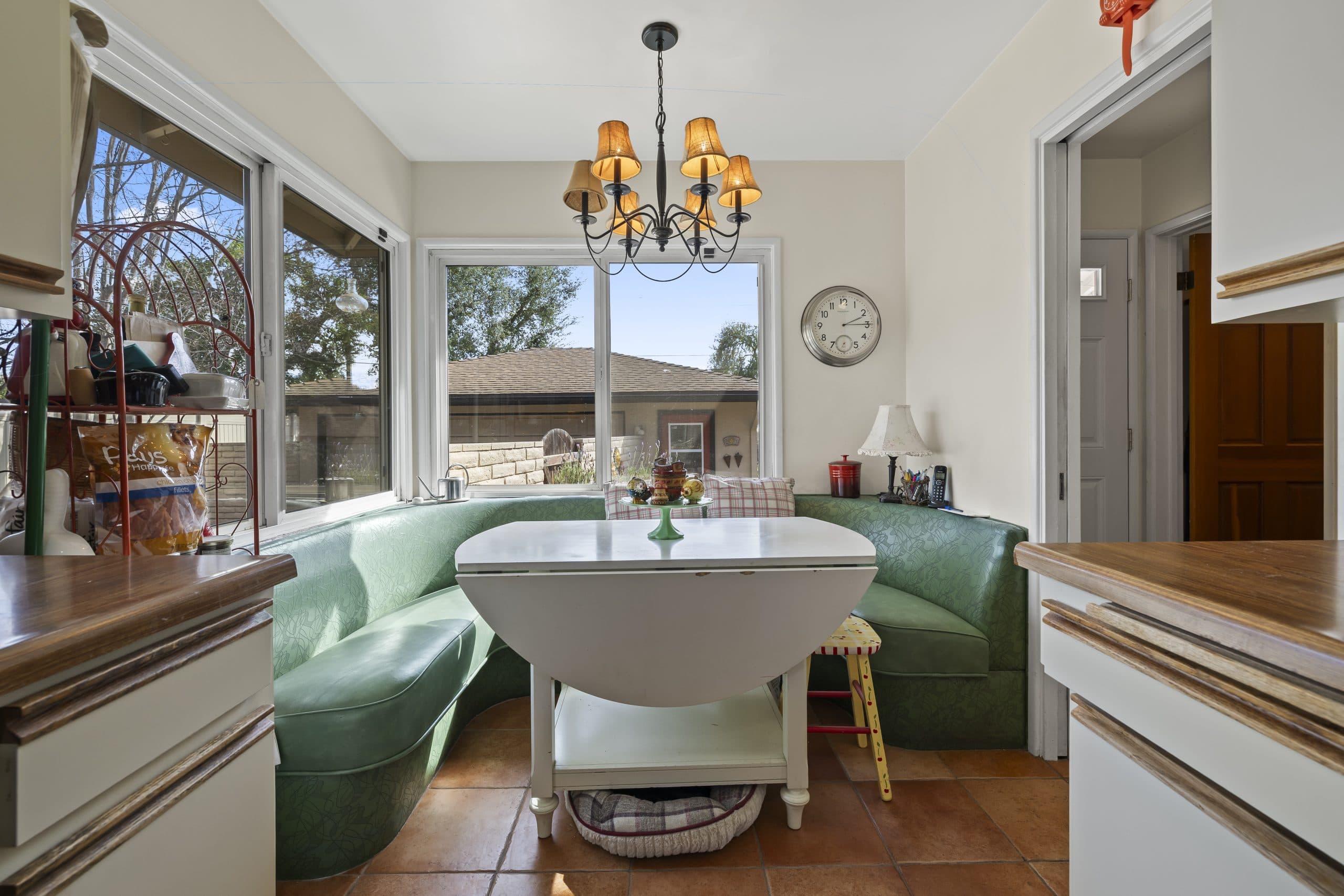
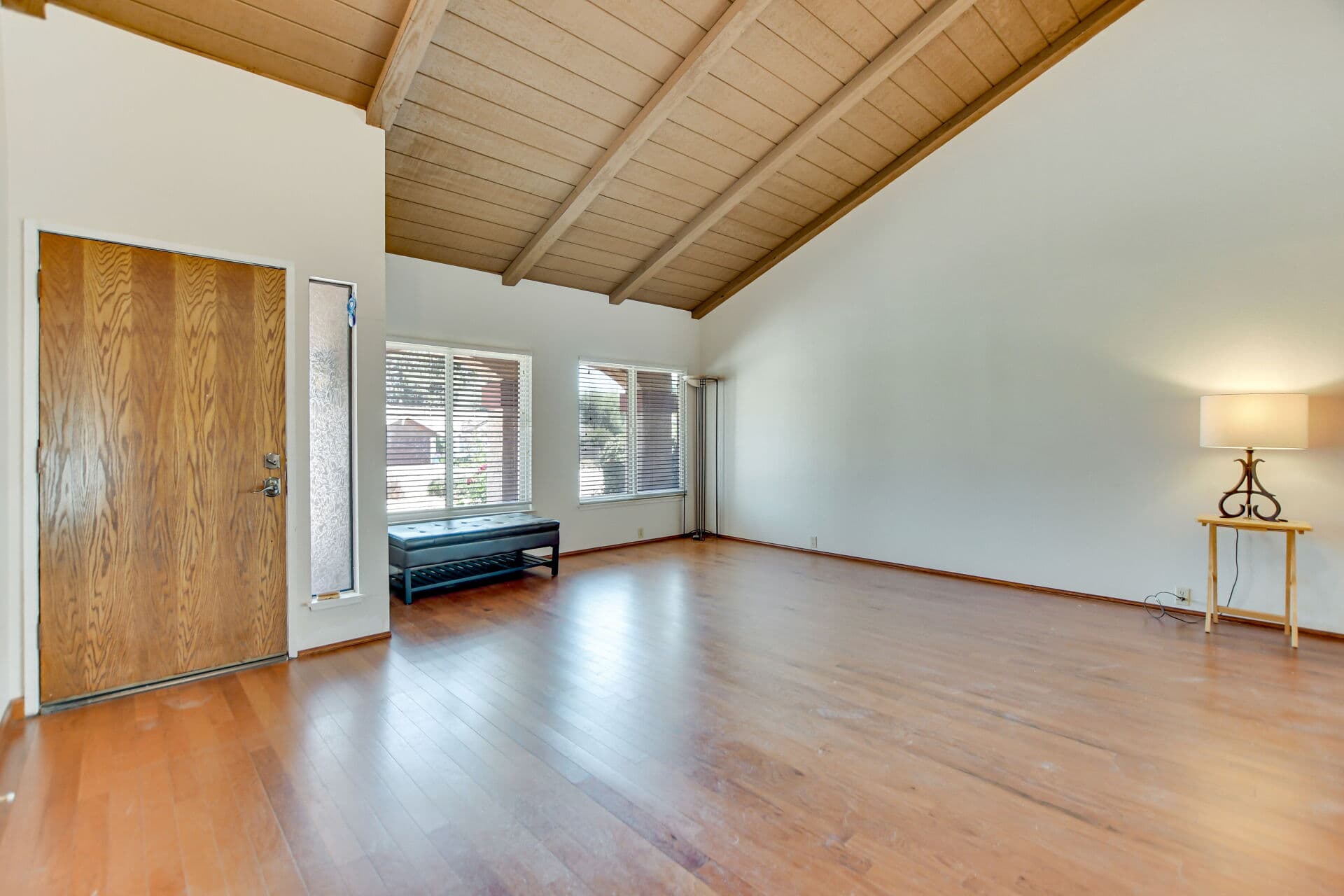
CONSTRUCTION TYPE AND FINISH. A plaster-walled home with hardwood, custom millwork, a tile roof or period detailing does not rebuild at the cost of ordinary contemporary construction. The distinctive features that make older Claremont houses desirable are also the features that are expensive and slow to reproduce.
CODE IN FORCE AT REBUILD. A house built decades ago was built to the rules of its era. It does not get rebuilt to those rules. That gap is the subject of ordinance and law coverage, which is a separate provision with its own limit, and it is explained in the article on ordinance and law coverage.
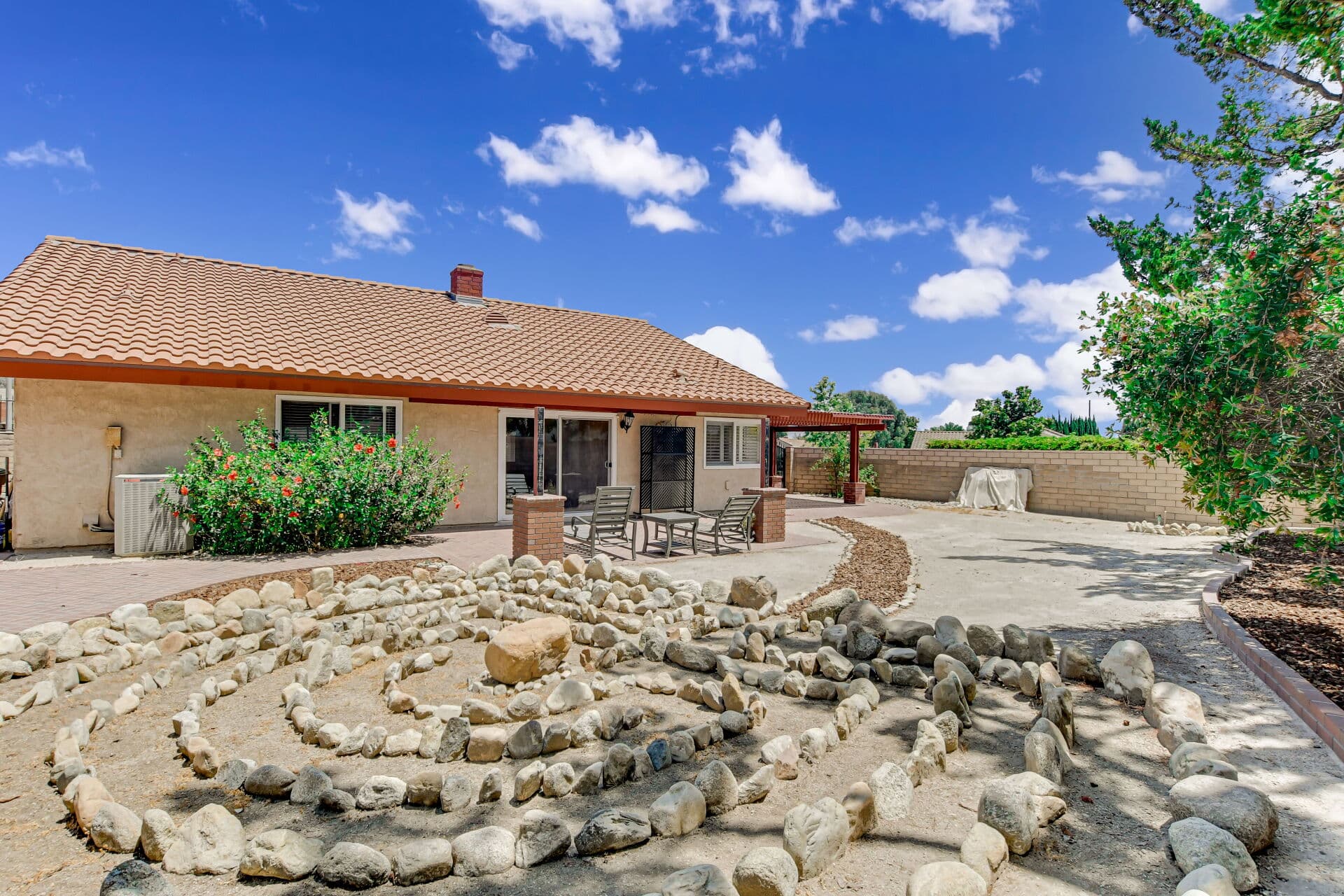
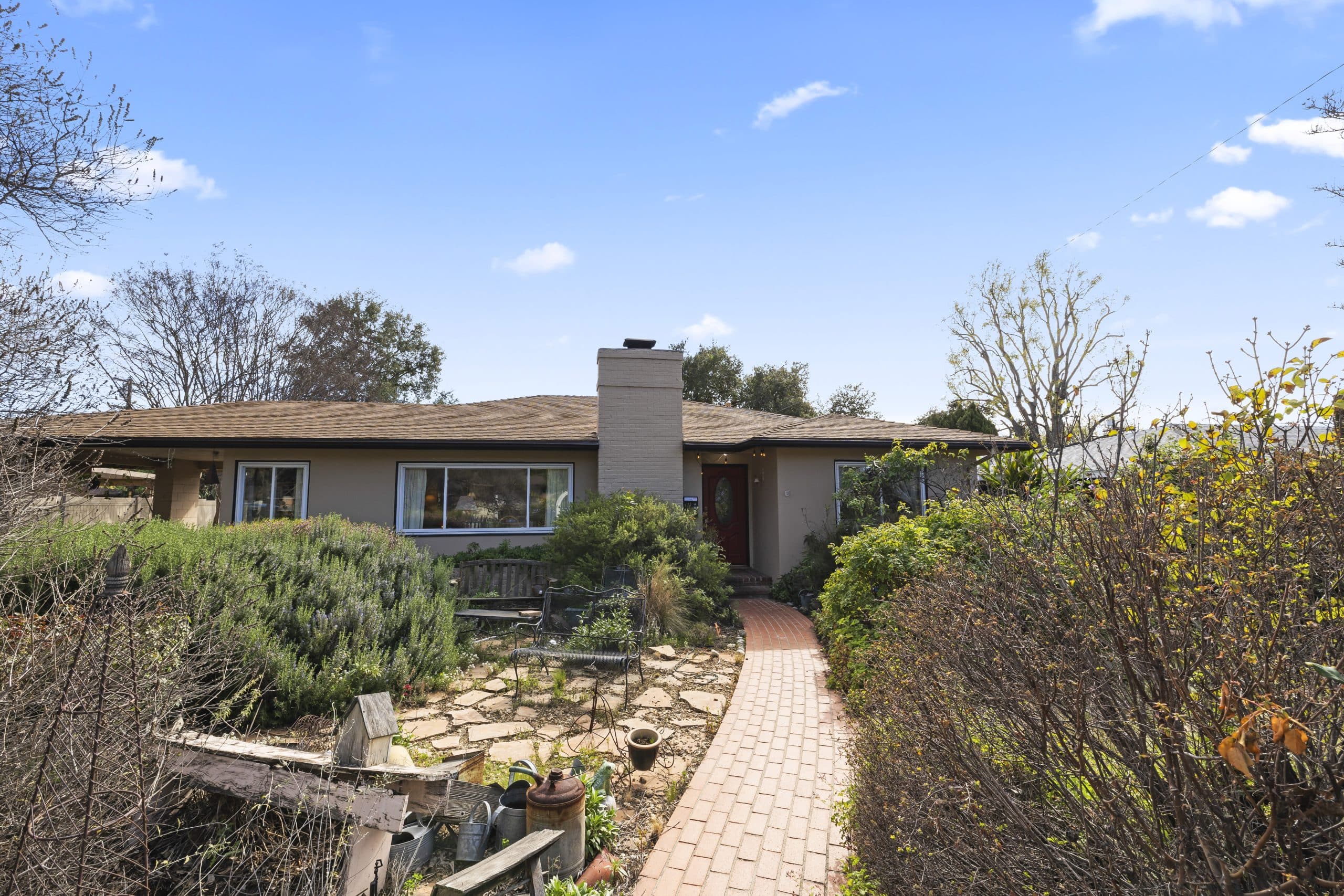
SITE ACCESS AND LOT CONDITIONS. A narrow street, a steep or deep lot, a mature canopy that constrains equipment, or a hillside setting all add cost that a generic square-footage calculation does not see.
SINGLE-HOME ECONOMICS. Rebuilding one house is not a tract build. There are no volume efficiencies, and every trade is scheduled around a single job.
DEMAND SURGE. After a widespread event, labor and materials in a region get scarce at exactly the moment many owners need them at once. This is the specific pressure that endorsements above the dwelling limit exist to address, and the settlement side of the same question is set out in the article on replacement cost versus actual cash value.
How the number gets set, and why it drifts
Carriers typically produce a dwelling limit from a replacement-cost estimating tool fed by property characteristics: square footage, year built, construction type, roof, number of stories, and a set of interior quality assumptions. The output is only as good as those inputs. If the tool was told the house has builder-grade finishes and it has hand-troweled plaster and quartersawn oak, the estimate reflects the fiction rather than the house.
Then it drifts. Owners remodel. Kitchens and baths get rebuilt to a higher standard, square footage is added, a detached structure goes up. Construction costs move. Many policies apply an annual inflation adjustment, which is a blunt instrument and is not the same thing as re-estimating the house.
The result is a quiet gap that nobody notices, because nothing on the declarations page announces it. It shows up once, at the worst possible time.
What an owner can actually do
Three things, none of which require guessing at a number.
FIRST, know the inputs. Ask the licensed broker what property characteristics the estimate was built from and check them against the actual house. Errors in year built, square footage, construction type and finish level are common and correctable.
SECOND, report improvements. A remodel that raises the cost to reproduce the house is information the carrier needs, and it is information most owners never send. The same instinct applies to a detached structure or an accessory dwelling; the coverage mechanics for those are in the article on insuring an ADU.
THIRD, document the house before anything happens to it. Photographs and a written record of finishes and systems are what turn a rebuild conversation from a memory contest into a documented one. The method is set out in the article on building a home inventory.
Inside a transaction
For BUYERS, the dwelling limit conversation belongs in the first week of escrow alongside the availability question, not at the end. A buyer who discovers late that the quoted policy assumed a different house than the one they are buying has lost the room to do anything about it.
For SELLERS, a documented improvement history is useful to the next owner's insurance professional in the same way a roof file is. It is also the only credible answer to a rebuild estimate that reads low because the tool never learned what the house became.
The takeaway
Stop comparing the dwelling limit to the price. Compare it to the construction project. Ask what inputs produced it, correct the ones that are wrong, tell the carrier what has changed, and take the number itself to a licensed insurance professional who can look at the actual property. What a policy would pay in any particular loss is a question for the carrier and the licensed professional, never for an article.
The related settlement question is in the article on replacement cost versus actual cash value. Anthony Grynchal has been licensed in California since November 2009.
Frequently asked questions
Should my dwelling coverage match my home's market value?
No. Dwelling coverage estimates the cost to rebuild the structure, while market value includes the land and location, which cannot burn. The two numbers can diverge substantially in either direction. A licensed insurance professional sets the limit from the actual property.
Why would rebuilding cost more than the house is worth?
Rebuilding one house is a single-job construction project with no volume efficiency, priced at current labor and materials, built to the code in force at the time, and often complicated by site access or period finishes. None of that tracks the resale price.
How do carriers calculate a dwelling limit?
Usually with a replacement-cost estimating tool fed by property characteristics such as square footage, year built, construction type, roof and interior quality assumptions. The output is only as good as those inputs, which is why they are worth checking against the actual house.
Do I need to tell my insurer about a remodel?
Improvements that change the cost to reproduce the house are information the carrier needs, and many owners never report them. Ask your licensed insurance professional what to report and how, and confirm any change in writing with the carrier.
What happens if my dwelling limit turns out to be too low?
What a policy pays in any given loss depends on the policy language, the endorsements in place and the facts of the claim. That question belongs to the carrier and a licensed insurance professional, and consumer questions can be raised with the California Department of Insurance.

Written by
Anthony Grynchal
Anthony Grynchal is a California real estate professional with eXp Realty, licensed since November 2009 (California DRE# 01873626), and the Designated Local Expert™ for Claremont — where he has lived for more than 33 years.
More about AnthonyPublished · Updated