Buyers used to choose a house and then arrange insurance. A growing number now do something closer to the reverse: they establish what a property will cost and take to insure before they get emotionally committed to it. That is a real change in how a California purchase works, and it is worth being deliberate about rather than either ignoring or over-correcting.
This article extends the insurance guide. It is written by a real estate professional, not an insurance broker or an adjuster. It cannot tell any reader whether a property is insurable, what any carrier will do or what any policy would cost. Those questions belong to a licensed insurance broker working the actual address, to the carrier in writing, and where a consumer question arises, to the California Department of Insurance.
What actually changed
For most of recent memory, coverage was a line item handled in escrow with no meaningful uncertainty. In the current California market it is a real variable, and the variable that bites is AVAILABILITY rather than price. A property can be desirable, well-priced and financeable and still present a placement problem, and a placement problem cannot be solved by paying more or by wanting it enough.
That is why the sequencing advice in this cluster is so insistent about week one. It is not caution for its own sake; it is that placement takes elapsed time and a closing date does not move to accommodate it.
Where this belongs in the search
Two useful checkpoints, and it is worth keeping them separate.
BEFORE OFFERS, at the general level. A buyer working a particular area can have one conversation with a licensed broker about what tends to be involved there, what questions come up, and what documentation is usually needed. This is orientation, not a quote, and it prevents the sensation of being blindsided later.
IMMEDIATELY AFTER ACCEPTANCE, at the address level. This is the real one. The address goes to the broker on day two along with everything known about the roof, the systems and any history, and the answer arrives while the inspection period is still open. The full sequence is in the article on binding coverage in escrow.
What is NOT useful is trying to obtain firm answers on every candidate property during a search. Brokers cannot run full placements on speculation, and a buyer who tries to will slow their own search down for information they mostly cannot get.
The property characteristics that come up
Knowing what tends to matter lets a buyer notice it early instead of learning it in week three. The recurring ones in Claremont:
THE ROOF, its age, material and documentation, for the reasons in the article on roof age and insurance.
THE SYSTEMS, meaning wiring, panel, plumbing supply and water heater, covered in the article on what underwriters ask an older home.
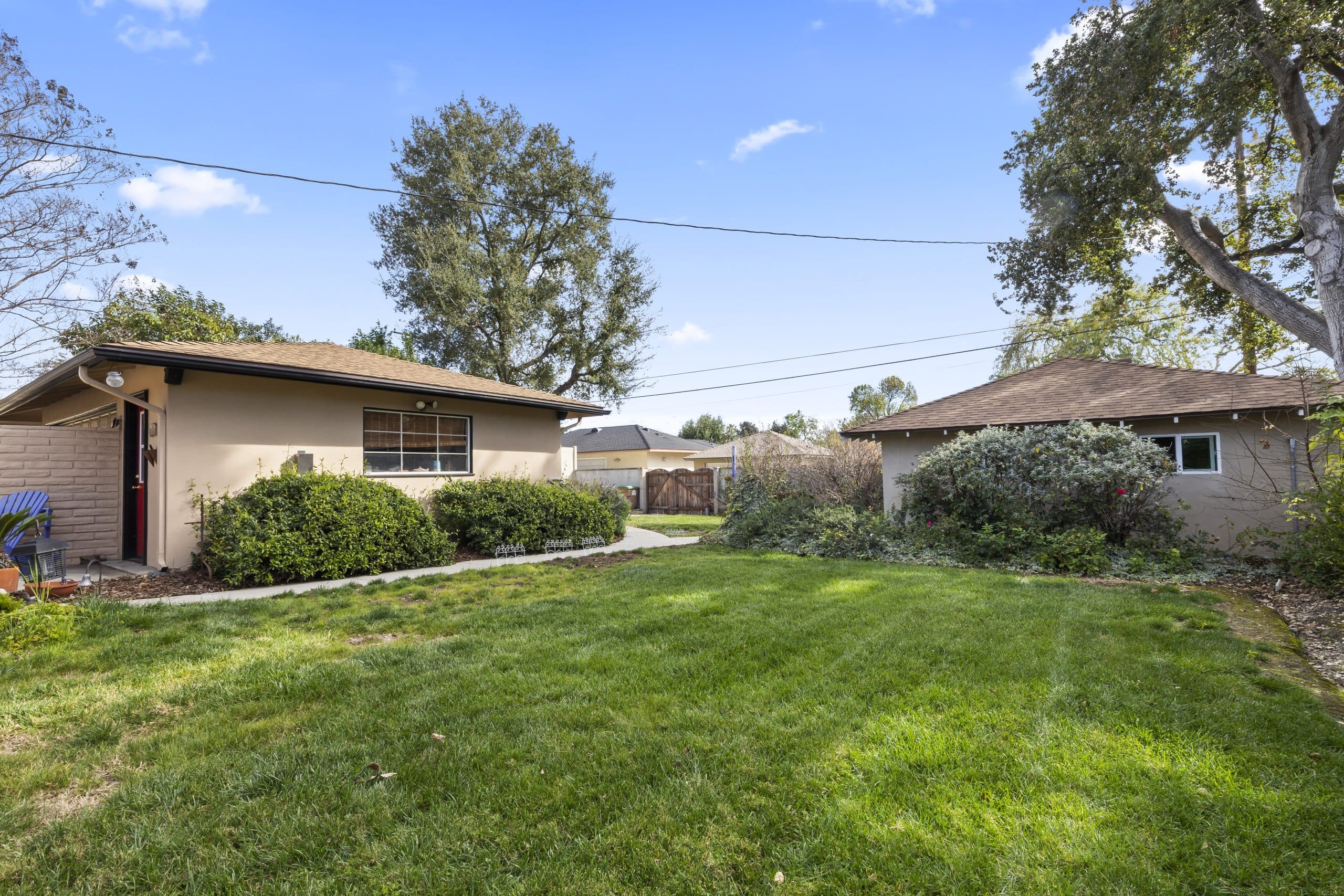
THE SETTING, since exposure is not uniform across a city that runs from a developed grid to a foothill edge, and landscape-scale factors are read by models rather than by people. The mechanics are in the article on wildfire risk scores.
THE HISTORY, since loss records follow the address.
THE DOCUMENTATION, which is frequently the difference between a manageable property and a difficult one regardless of the property's actual condition.
The over-correction to avoid
It is possible to take this too far, and some buyers now do. Ruling out entire categories of property on the strength of a general impression, a neighbor's anecdote or an online map is a good way to eliminate homes that would have been perfectly placeable, because these questions are ADDRESS-SPECIFIC and frequently DOCUMENTATION-SPECIFIC. Two houses on the same street can present very differently, and a well-documented older home is often an easier placement than an undocumented newer one.
The disciplined version is to treat insurability as one factor among the ordinary ones, to check it early on the property actually under contract, and to get the answer from a broker rather than from inference.
What a buyer can control
Very little about a landscape and quite a lot about a file. The property is what it is, but whether its roof, systems, improvements and mitigation are documented is frequently the deciding factor in how a placement goes, and a buyer can ask for that documentation as part of ordinary due diligence. A seller who has it will produce it; a seller who does not has told you something useful about how much research the escrow is going to involve. What a well-assembled version looks like is set out in the article on the seller insurance packet.
The second controllable is breadth. A single answer from a single source is one company operating under one set of guidelines, and buyers who conclude too much from one conversation regularly abandon properties that a broader search would have placed.
What this means for how you write an offer
How contingencies work and what protection they provide is a matter for the purchase agreement and the professionals in the transaction rather than for an insurance article, and the answer depends on the agreement actually used. What is worth understanding is the practical point: the value of any inspection or contingency period depends on doing the insurance work INSIDE it. A period that expires while the broker is still shopping has protected nothing. The failure mode is described in the article on insurance threatening a deal.
The takeaway
Insurability has moved from a formality to a genuine factor, and the right response is timing rather than fear. Have the general conversation before you are making offers. Put the actual address in front of a licensed broker on day two. Ask about the roof, the systems, the setting, the history and the documentation. Let the answers inform the decision alongside everything else that matters about a house. And take every specific about eligibility, coverage and cost to the licensed professional and the carrier, which are the only places a real answer exists.
Anthony Grynchal has been licensed in California since November 2009.
Frequently asked questions
Should I check insurance before making an offer on a home?
A general orientation conversation with a licensed broker about an area is useful before offers. The address-level conversation belongs immediately after acceptance, because brokers cannot run full placements on speculation for every candidate property.
Can insurance really stop a purchase from closing?
Availability rather than price is the binding constraint in the current California market, and a placement problem cannot be solved by paying more. That is why the address should reach a licensed broker in the first days of escrow.
Should I avoid older homes or homes near the foothills?
These questions are address-specific and often documentation-specific, and ruling out categories on a general impression eliminates homes that would have been placeable. A well-documented older home is frequently an easier placement than an undocumented newer one.
What property details should I ask about early?
The roof age, material and documentation, the wiring, panel, plumbing and water heater, the property's setting and exposure, its loss history, and whether any of it is documented. Documentation is often the deciding factor.
Does my inspection period protect me if insurance falls through?
What any contingency provides depends on the purchase agreement and belongs to the professionals in the transaction. The practical point is that a contingency period only helps if the insurance work happens inside it rather than after it expires.

Written by
Anthony Grynchal
Anthony Grynchal is a California real estate professional with eXp Realty, licensed since November 2009 (California DRE# 01873626), and the Designated Local Expert™ for Claremont — where he has lived for more than 33 years.
More about AnthonyPublished · Updated