
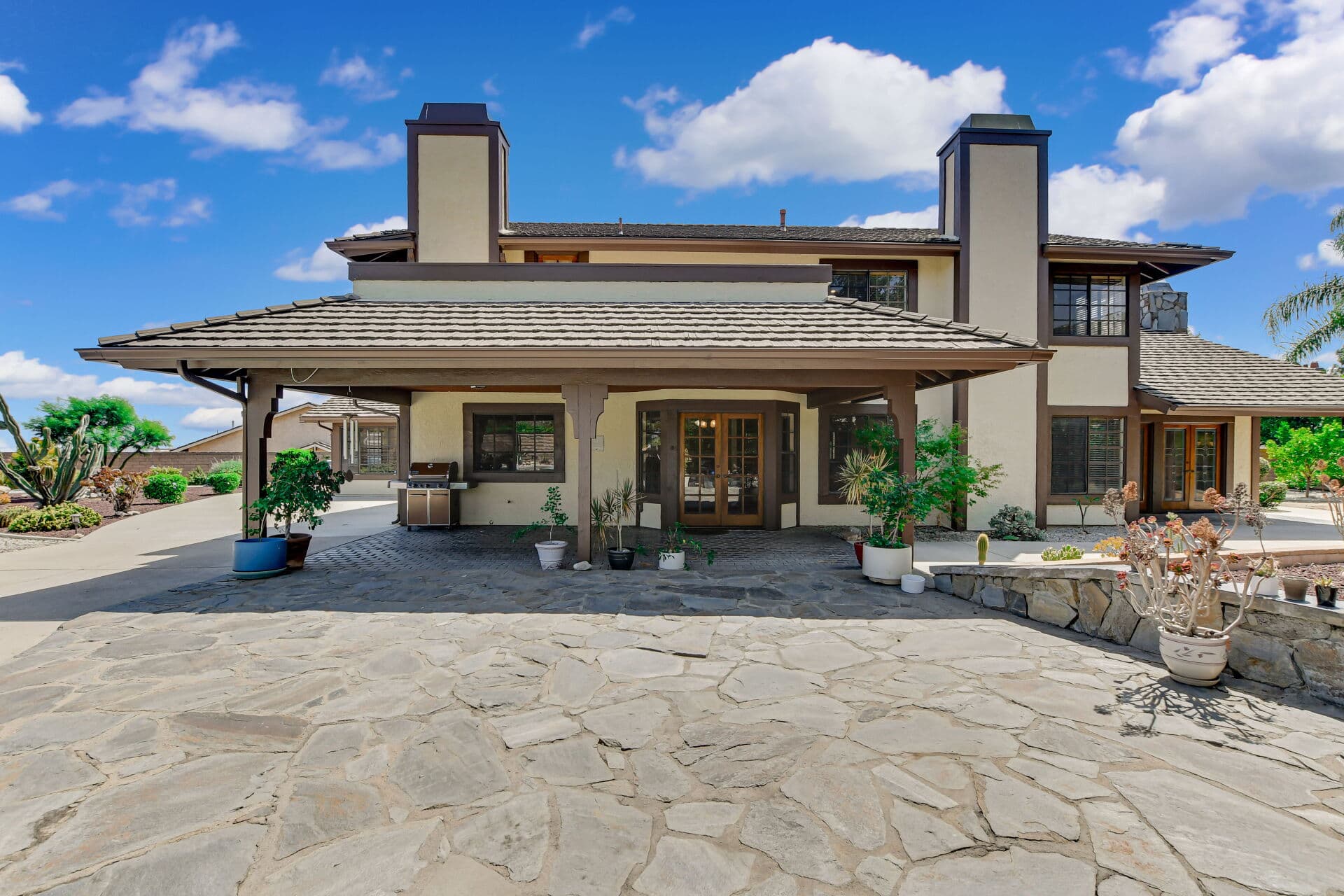
Claremont's yards were largely designed for a water budget that no longer exists. The town's postwar landscape default — a lawn in front, a lawn in back, sprinklers on a timer — was installed in an era of cheap water and no drought consciousness, and every owner of that inheritance now faces the same question: keep pouring water into turf, or convert to a landscape designed for the climate the yard actually lives in. Done thoughtfully, the conversion is one of the rare projects that cuts a recurring bill, reduces maintenance, satisfies tightening water rules, and looks BETTER than what it replaced — this is the town of the botanic garden, after all, and the native palette is gorgeous. Done thoughtlessly, it is gravel over plastic, hotter and uglier than the lawn it killed. This article is the difference. It deepens the maintenance guide; watering rules and their seasonal rhythms belong to the seasonal guide's territory and your water provider's current schedule — this article is the design-and-plants layer underneath them.
The design logic: hydrozones, shade, and soil
Drought-smart is a design discipline, not a plant list. THINK IN HYDROZONES: group plants by water need so irrigation can serve each zone appropriately — the classic conversion failure is a 'drought-tolerant' bed watered on the old lawn schedule, which drowns the natives and saves nothing. KEEP THE TREES, ALWAYS: Claremont's canopy is the town's signature and its air conditioning, and mature trees are the LAST thing a water-wise conversion should sacrifice — established trees are typically modest water users for the shade they return, many natives among them famously so (what their roots do to sewer lines is the root-management guide's parallel subject), and a conversion plan that stresses or removes a mature tree to save lawn-water is arithmetic done backwards (the canopy guide covers the tree side of stewardship). BUILD THE SOIL, SKIP THE PLASTIC: mulch generously — it is the cheapest water-saving technology there is — and be skeptical of sheet plastic under gravel, which suffocates soil, cooks roots, and creates the dead-yard look that gives xeriscape its worst reputation. AND DESIGN FOR HEAT HONESTLY: hardscape reflects and stores heat, so an all-gravel yard trades a water bill for a heat island; the premium conversions balance permeable hardscape, living groundcover, and shade structure so the yard stays usable in a Claremont summer.
The plants that belong here
The right palette for this climate is not cactus-or-nothing — it is the Mediterranean and California-native range that evolved for exactly this rainfall rhythm: wet winters, long dry summers. The categories to build from (species selection is where a good local nursery or the botanic garden's plantings out-teach any article): NATIVE SHRUBS AND PERENNIALS — the sages, buckwheats, and manzanitas that anchor the region's gardens, feeding pollinators and needing little once established; MEDITERRANEAN COMPANIONS — rosemary, lavender, olive and their kin, culturally at home in Claremont's architecture; CLIMATE-ADAPTED GROUNDCOVERS as the lawn's successor where a green plane is wanted; AND STRATEGIC DECIDUOUS SHADE — the classic trick of summer shade and winter sun on the house itself, which is a landscaping decision doing energy-bill work. Two honest establishment notes: 'drought-tolerant' describes the ESTABLISHED plant — the first seasons need regular water while roots build, so a conversion's water savings arrive on a lag; and natives planted into the wrong drainage or the old lawn's irrigation pattern fail at high rates, which is why the hydrozone design above precedes the shopping trip. Rebate programs for turf replacement and irrigation upgrades exist through water agencies and change over time — check your provider's current offerings before starting, not after, since some require pre-approval.
The conversion, staged without regret
The no-regret sequence: START WITH IRRIGATION (convert spray to drip where beds allow, fix the leaks, add a weather-based controller — the smart-irrigation question is its own subject, but the plumbing comes first regardless); TAKE THE FRONT LAWN QUESTION SERIOUSLY BUT NOT FIRST (practice on a side yard or parkway strip, learn what thrives in YOUR soil and sun, then commit the front with confidence); PRESERVE WHAT WORKS (mature trees, established shrubs that earn their water, the bones of the yard); AND MIND THE RULES THAT TOUCH LANDSCAPING — water-provider schedules and drought-stage restrictions, city standards for parkway strips and street trees, and HOA landscape rules where they apply (the architectural-approval process the HOA guide describes reaches front yards in governed communities, and California law has evolved to protect water-wise landscaping choices — a verify-current conversation for HOA residents). The resale footnote, stated carefully: a well-designed, obviously-maintained drought-smart yard reads as stewardship and modernity to buyers, while a dead lawn or a plastic-and-gravel moonscape reads as deferred maintenance — the design quality, not the water philosophy, is what the market prices. This is general information; your water provider's current rules, the city's standards, and a knowledgeable local nursery or designer govern the specifics.
Anthony Grynchal has been licensed in California since November 2009 and has watched Claremont's front yards evolve the whole time; the conversions that helped homes sell all shared one trait — they looked designed, not surrendered.
Frequently asked questions
What is the best way to start a drought-tolerant yard conversion?
Irrigation first: convert spray to drip where beds allow, fix leaks, add a weather-based controller. Then practice on a side yard before committing the front, group plants into hydrozones by water need, mulch generously, and keep every mature tree — the canopy is the last thing a water-wise plan should sacrifice.
Which plants work for Claremont's climate?
The Mediterranean and California-native range built for wet winters and dry summers: sages, buckwheats, and manzanitas among the natives; rosemary, lavender, and olive among the companions; climate-adapted groundcovers where a green plane is wanted. A good local nursery — and the botanic garden's own plantings — out-teach any list.
Do drought-tolerant plants need watering?
Yes, at first — 'drought-tolerant' describes the established plant, and the first seasons need regular water while roots build, so savings arrive on a lag. The classic failure is natives drowned on the old lawn's schedule, which is why hydrozone design precedes the shopping trip.
Does removing the lawn hurt resale value?
Design quality decides, not water philosophy. A designed, maintained drought-smart yard reads as stewardship and modernity; a dead lawn or plastic-under-gravel moonscape reads as deferred maintenance. Avoid the heat-island all-hardscape look, keep living shade, and the market responds to the craft.

Written by
Anthony Grynchal
Anthony Grynchal is a California real estate professional with eXp Realty, licensed since November 2009 (California DRE# 01873626), and the Designated Local Expert™ for Claremont — where he has lived for more than 33 years.
More about AnthonyPublished · Updated