Maintaining a Claremont Home: The Owner's Guide

Claremont home maintenance for this climate: mature trees, older systems, dry summers, the foothill fire edge, and the rhythm of a year of honest care.

The national home-maintenance checklist was not written for Claremont. It assumes a youngish house in a temperate suburb, and this town is neither: the housing stock runs old, from century-old craftsman homes to midcentury tracts now deep into their second act; the trees, the town's whole signature, stand taller than the roofs they shade and have opinions about sewer lines; the summers are long, dry, and genuinely hot; and the northern neighborhoods end where the chaparral begins, which brings fire season into the conversation in a way no generic list mentions. Owning here is not harder than owning elsewhere, but it is different, and the owners who thrive are the ones maintaining the house they actually have, in the climate it actually sits in. This page is the map: the tree layer, the water layer, the old-house layer, the foothill layer, the rhythm of a Claremont year, and the paperwork habit that quietly pays for itself when you eventually sell.

I am Anthony Grynchal, Mr. Claremont, licensed in California since November 2009. I walk through more Claremont houses in a normal month than most owners see in a lifetime, which means I see what deferred maintenance does to sales here, and what a well-kept home does to a negotiation. Everything below is written with both ends of that telescope in mind.

The trees: living with the canopy

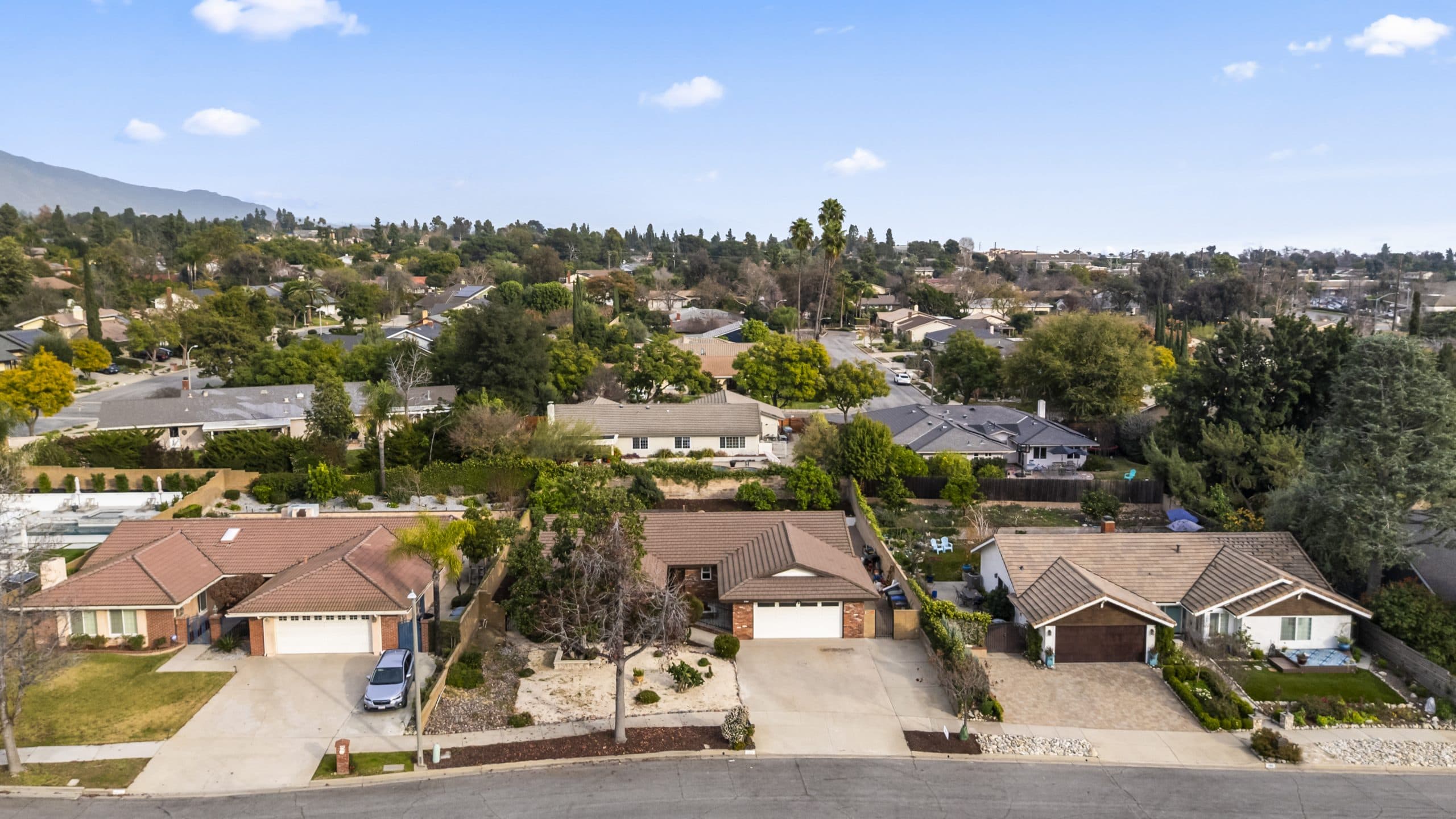
Claremont's mature canopy is the most valuable amenity in town and the most demanding tenant on your property. Overhead, the relationship to manage is tree and roof: branches that touch or overhang shed debris into gutters and valleys, hold moisture against roofing, and offer wildlife a bridge, so a standing rhythm of trimming, done properly and with respect for the tree's health, protects both parties. After any serious wind, walk the property and look up, hanging limbs are not a someday problem. Underground, the relationship is roots and pipes: many older Claremont homes drain through aging sewer laterals, and roots find their joints with patient, remarkable efficiency. If your home is older and you have never had the line camera-inspected, that inspection is one of the highest-value pieces of information an owner here can buy, and it is standard diligence at sale time anyway; knowing first is better. One more local note: many of the trees along Claremont's streets are in the public parkway and under the city's care and rules, so before touching a street tree, check with the city, the town takes its canopy seriously, and so should you.

Water: the dry-summer disciplines

Claremont's water year has two personalities, and each asks something different of an owner. The long dry season is the irrigation season: systems drift out of tune quietly, a broken head here, an overwatered zone there, a timer still running spring settings in the August heat, and a yearly walk-through of every zone, watching where the water actually goes, keeps the landscape healthy and the bills honest. The deeper dry-season move is designing for the climate rather than against it: drought-conscious landscaping suits this town's character and its future, established shade trees are worth prioritizing and preserving, and rebate programs for turf conversion and efficient irrigation exist through water agencies from time to time, with terms that change, so check what is currently offered before starting a project. Then comes the other personality: winter rain, which arrives occasionally in bulk. The week to prepare for it is in the fall, gutters and downspouts cleared, drains tested, and grading checked so water moves away from the foundation, a particular point of attention on sloped lots in the town's northern tiers, where hillside drainage deserves professional eyes if it has never had them.

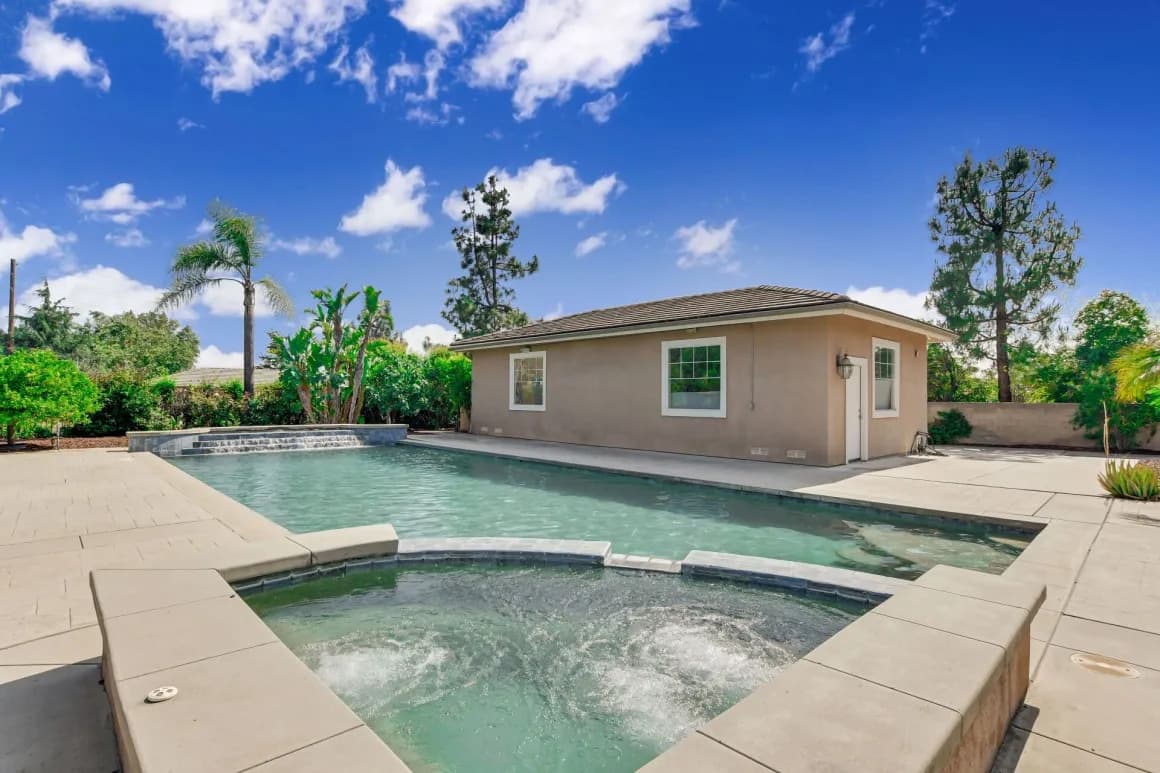
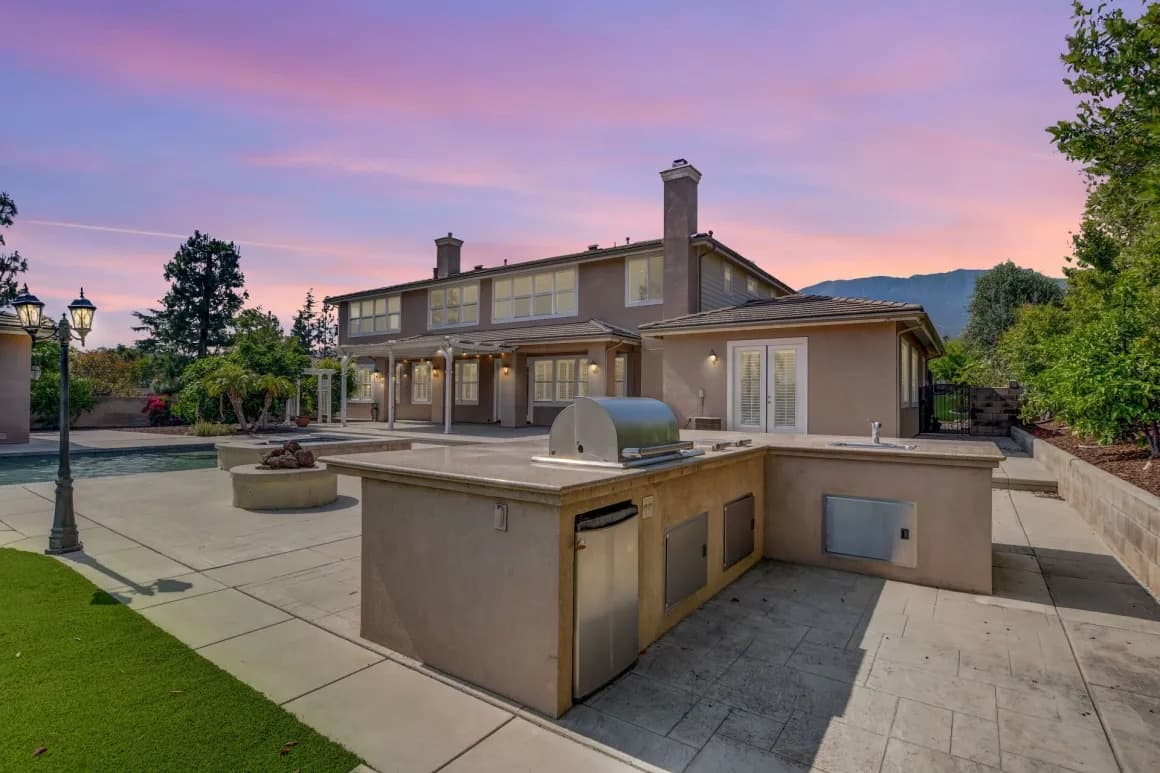
Pools deserve their own line in the water budget, because Claremont's long swim season works equipment hard: circulation and filtration need steady attention through the heat, water chemistry drifts faster in high temperatures, and equipment sheltered from the afternoon sun ages more gracefully. An annual professional once-over of the pool's mechanical bones, alongside the routine care, keeps the backyard resort from becoming the backyard project.

Old bones: the systems of an older house

Much of Claremont's charm is age, and age has plumbing. The systems layer of an older home rewards attention on a simple principle: know what you have before it fails. Electrical service installed generations ago may be undersized for a modern household's load, and certain older panel types are worth a professional evaluation on their own; if your home still runs original wiring, an electrician's assessment is not alarmism, it is information. Plumbing tells a similar story, older galvanized supply lines age from the inside, and water pressure or discoloration changes are the house talking. Foundations in this stock are often raised rather than slab, which is genuinely good news, they are inspectable and repairable, and a periodic look underneath, for moisture, for movement, for the condition of posts and piers, catches small problems while they are small. Living in earthquake country adds the seismic question: bolting and bracing an older raised-foundation home is a well-understood retrofit here, worth discussing with a foundation professional if yours has never been evaluated. Two habits govern all of it: call the professional when the stakes or the systems exceed the weekend skill set, and check whether a repair needs a permit before starting, the city can tell you in a phone call, and unpermitted work has a way of surfacing at the worst moment, which is escrow. Owners of the town's designated older homes carry one more layer, approvals for exterior work, mapped in the Claremont historic homes guide.

The foothill edge: fire season is a maintenance season

For the northern tiers of Claremont, where neighborhoods meet the chaparral, wildfire readiness is not a news-cycle anxiety; it is a maintenance category with a calendar. The concept that organizes it is defensible space, keeping the zones around a structure maintained so fire has less to carry it, cleared dead vegetation, separation between plantings, trimmed trees, tended slopes. The specific requirements, which zones, what distances, what deadlines, are set by the fire authorities and are updated over time, so verify current rules with the Los Angeles County Fire Department and the city rather than trusting any static summary, including this one. Alongside the vegetation work sits home hardening, the retrofit conversation about ember-resistant vents, roof and eave condition, and the points where a structure is most vulnerable; qualified professionals and the fire authorities publish current guidance. Two practical notes from the real estate side: insurance carriers ask increasingly detailed questions in these zones, so maintenance done and documented is also an insurability asset, and buyers educated about fire risk notice a visibly well-kept defensible space, it reads as a home that has been cared for in the ways that matter here.

A Claremont year: the seasonal rhythm

The work above sorts itself into a calendar, and the calendar is the difference between maintenance and emergency:

  • Spring: walk the irrigation zones as the dry season starts; service the cooling system before the first heat wave finds its weaknesses; inspect for termite evidence, a perennial Southern California subject, and schedule professional attention if anything looks active.
  • Summer: watch the landscape's water needs through the deep heat; keep an eye on trees under drought stress; tend defensible space through the peak of fire season in the foothill tiers.
  • Fall: the busiest window, clear gutters and downspouts, check the roof and flashings before the first storm, test drainage paths, trim what winter wind could bring down.
  • Winter: during the big rains, watch how the property actually drains and note what to fix in spring; service the heating side; use the quiet season for the indoor projects and the under-house look.

None of it is exotic. All of it compounds: a house kept on this rhythm ages well, and a house that skips it presents its accumulated bill all at once, usually at sale time.

The file that pays you back

Here is the habit that costs minutes and returns real money: keep the file. Every service visit, every repair, every replacement, every permit, dated, with the invoice, in one folder, paper or digital. Live, the file makes you a better owner, you know what was done when, and systems get serviced on schedule instead of on failure. At sale time, it becomes evidence: a documented history of care answers the buyer's deepest question about an older home, how has it been treated, in a way no fresh paint can, it steadies inspections, supports your price, and shortens negotiations, a dynamic explained across the Claremont selling guide and the Claremont home values guide. The same discipline applies doubly to big projects: if you are contemplating major work, or an addition like a backyard unit, the planning and permitting layer is its own subject, mapped for one common case in the Claremont ADU guide. And if you need the other half of the equation, the people, one of the quiet perks of working with a local agent for years is the vendor bench: the roofers, plumbers, arborists, and foundation people who have already proven themselves in these houses. Call me at (909) 731-5374 and I will happily share referrals from mine, no transaction required; well-kept Claremont homes are good for everyone in this town, including me.

Frequently asked questions

What maintenance does a Claremont home need that generic checklists miss?

Four local layers. The mature tree canopy demands a trimming rhythm around roofs and, for older homes, sewer-line attention because roots find aging laterals. The long dry summer makes annual irrigation tune-ups and drought-conscious landscaping genuinely consequential. The older housing stock carries systems questions, aging electrical panels, older plumbing, raised foundations, seismic retrofitting, that newer suburbs rarely face. And in the foothill neighborhoods, defensible space and home hardening make fire season a real maintenance category with its own calendar.

What are the defensible space requirements for Claremont foothill homes?

The organizing concept is keeping maintained zones around the structure, cleared dead vegetation, separation between plantings, trimmed trees, and tended slopes, so fire has less to carry it to the home. The specific requirements, which zones apply, what distances, and what deadlines, are set by the fire authorities and change over time, so verify current rules directly with the Los Angeles County Fire Department and the City of Claremont rather than relying on any summary. Documented compliance also increasingly matters to insurance carriers in these areas.

Should I have my older Claremont home's sewer line inspected?

If the home is older and the line has never been camera-inspected, yes, it is one of the highest-value pieces of information an owner here can buy. Claremont's mature trees are wonderful overhead and persistent underground: roots find the joints of aging sewer laterals with remarkable efficiency, and a camera inspection tells you the line's actual condition before it becomes an emergency. It is also standard diligence at sale time anyway, so learning the answer while you can plan the response is strictly better.

Do maintenance records really matter when selling a Claremont home?

Substantially, and more here than in newer towns, because so much of Claremont's stock is older and the buyer's deepest question is how the home has been treated. A dated file of service visits, repairs, replacements, and permits answers that question with evidence instead of assurances: it steadies inspections, supports the asking price, and shortens negotiations. The habit costs minutes per event. Keep every invoice in one folder, and the folder becomes part of the home's value story when you eventually sell.