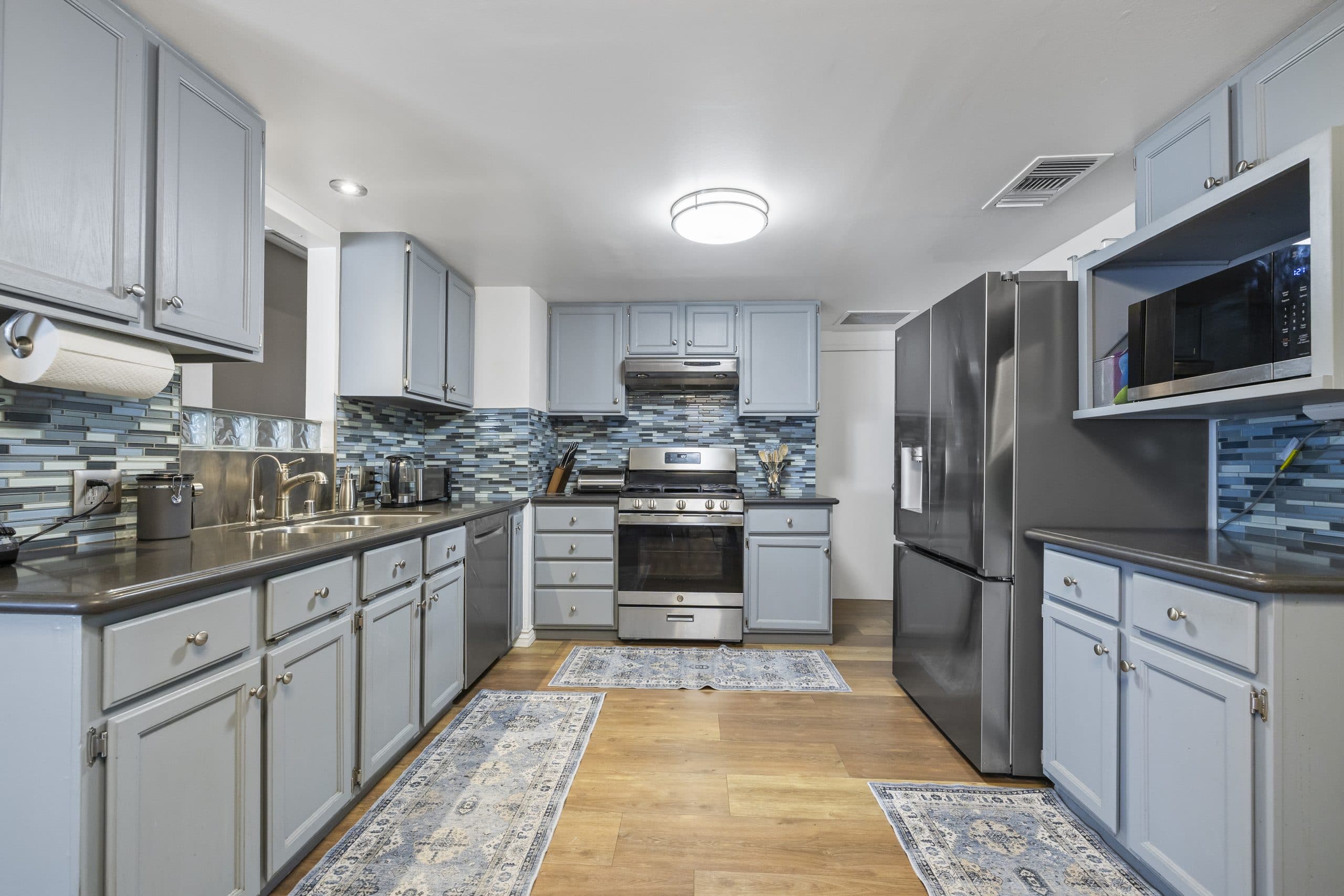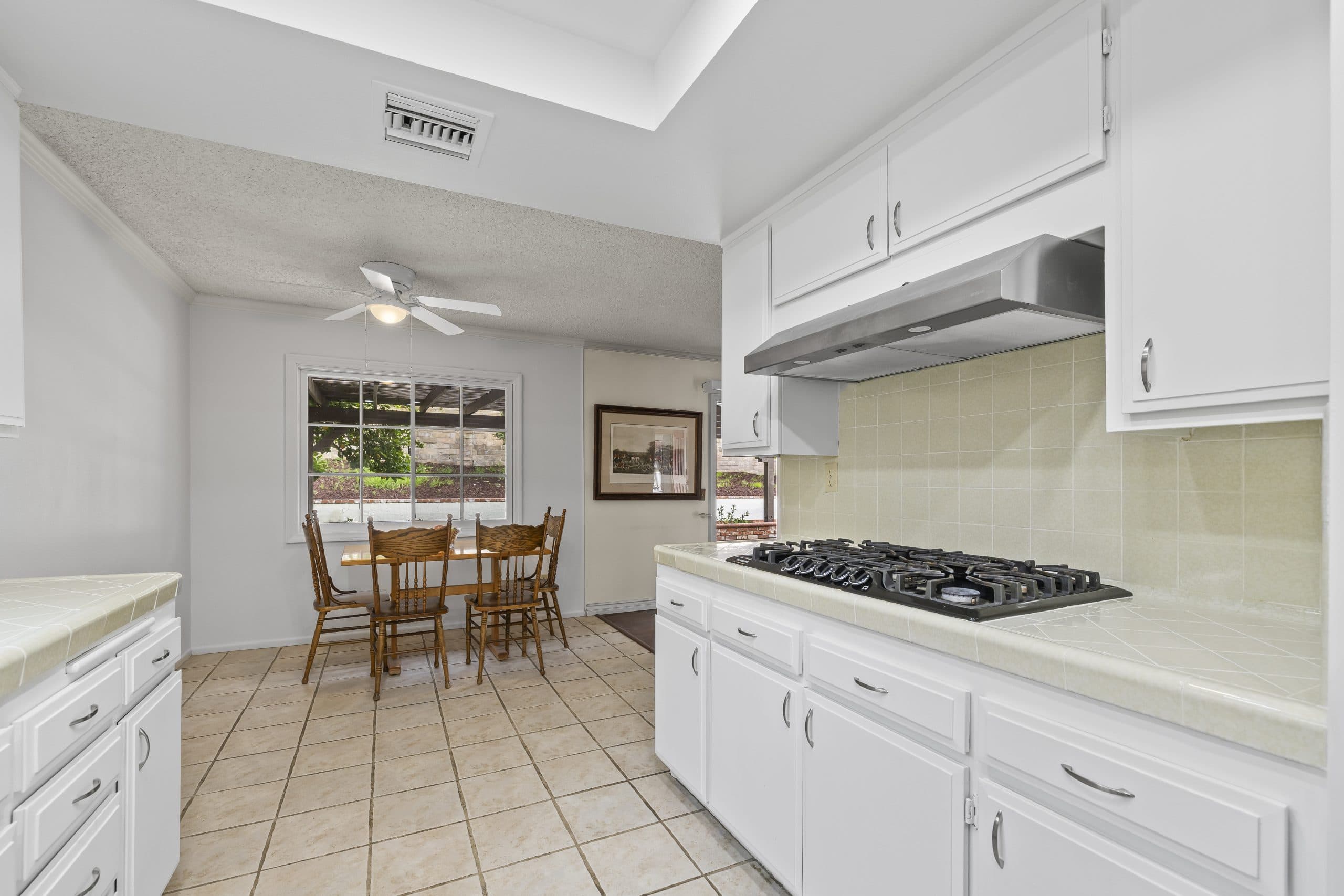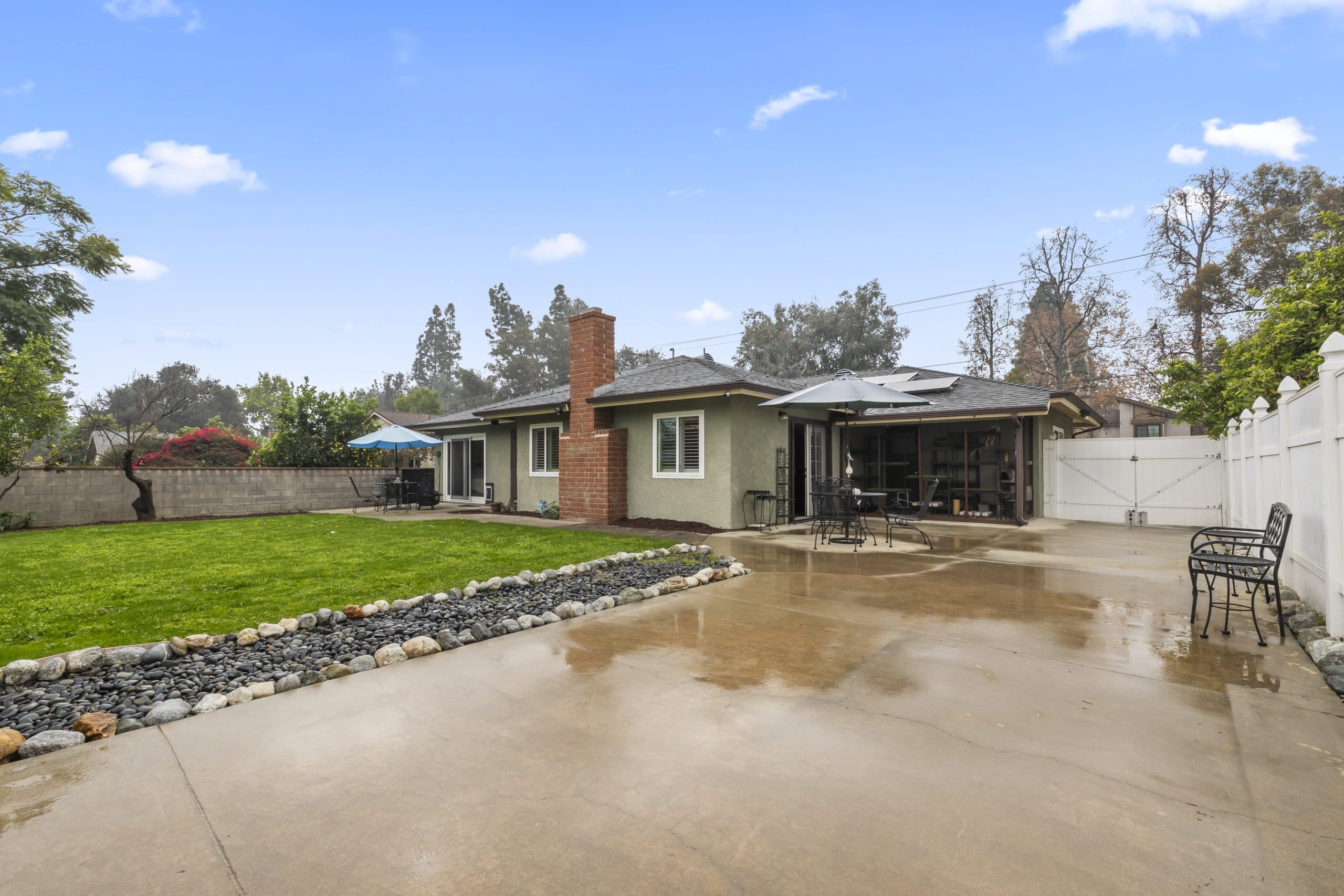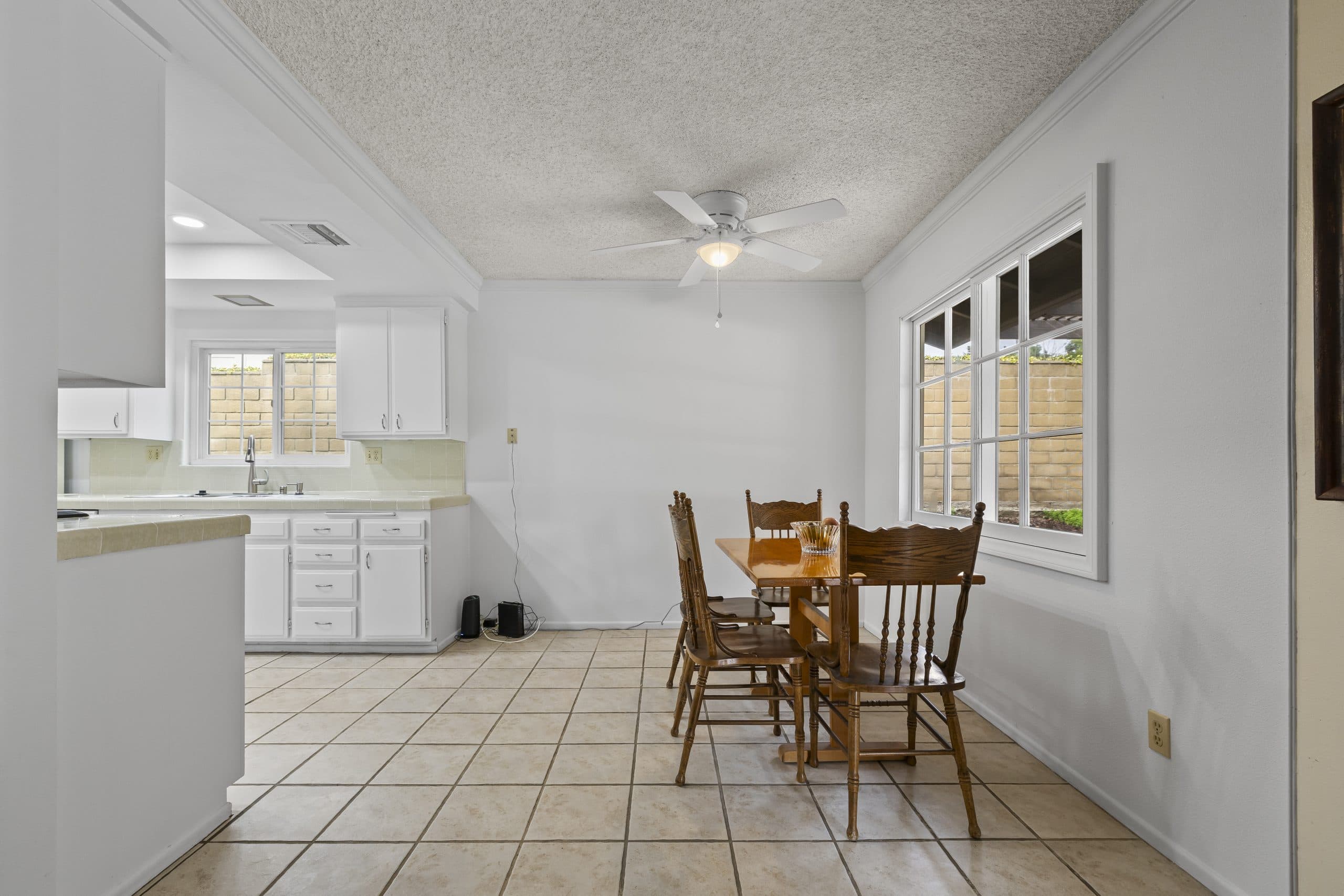
Between the nightly-stay market and the standard year lease sits a format that suits this town unusually well: the furnished rental let for a few months at a time. Investors call it mid-term. The tenant calls it the place they live while their appointment runs, or while their house is rebuilt, or while their contract lasts.
Claremont produces this demand naturally, because the colleges bring people here on defined calendars. That does not make it easy money. It makes it a DIFFERENT BUSINESS from a standard rental, with more revenue per month and materially more work, and it deserves to be evaluated as such rather than drifted into.
Who actually rents this way here
VISITING SCHOLARS AND SABBATICAL APPOINTMENTS. The most characteristic stream in this town. Someone arrives for a semester or an academic year, often from another country, and needs a furnished home from day one because shipping a household is not on the table.
NEW HIRES IN TRANSITION. Faculty, staff, and professionals who have accepted a position and need somewhere to live while they search for a permanent home. They tend to be excellent tenants precisely because they are being careful about a bigger decision.
TRAVELING PROFESSIONALS, including healthcare and technical contract workers assigned to the region for defined periods.
INSURANCE AND RENOVATION DISPLACEMENT. Households out of their own home after a loss or during major work. This demand is unpredictable in timing but real.
FAMILIES IN TRANSITION for personal reasons — a sale closed early, a purchase delayed, a household reorganizing.
Note what these have in common: they are ADULTS WITH A REASON, not tourists. That distinction shapes everything about how the property should be set up and how it should be marketed. The wider map of who rents in this town is in the rental demand guide.
Verify the rules before you plan anything
This is the paragraph to act on first, because it can end the plan.
Cities regulate short-term rentals, and the definitions, permitted terms, permit requirements, and enforcement vary by city and change. Whether a given letting format is permitted at a given property in Claremont is a question for the City of Claremont, asked about your specific property, with the answer in writing.
Then check the layers underneath. If the property is in a homeowners association, the governing documents may impose a minimum lease term or an approval requirement that overrides your plan entirely — the HOA guide covers how to read those documents. Your lender may have occupancy expectations. Your insurer almost certainly needs to know, because a standard landlord policy is not necessarily written for furnished short-stay letting.
And on the legal side: term length affects what body of law governs the tenancy in California, and how tenancy rights attach as an occupancy lengthens is a real and consequential question. Have a California attorney confirm the position for the terms you intend to offer, and use a lease drafted for that purpose. Nothing here is legal advice.
What the format actually costs
THE FURNISHINGS ARE CAPITAL. Furniture, mattresses, linens, kitchenware, small appliances, a television, and everything else a person needs to arrive with a suitcase and live. That is a real outlay before the first tenant, and it depreciates, gets damaged, and needs replacing.
UTILITIES AND SERVICES ARE USUALLY YOURS. Furnished lettings typically include utilities and internet, which converts a category of cost you previously passed through into a category you now absorb — and one you cannot control, because the tenant has no reason to.
TURNOVER IS FREQUENT AND HANDS-ON. A stay measured in months means several turns a year, each requiring a deep clean, an inventory check, restocking, repairs, and re-marketing. Compare that honestly with a single annual turn on a standard lease.
VACANCY IS LUMPIER. Demand comes in cycles tied to academic and contract calendars, and a gap between stays is a gap with the full cost still running. The mid-term owner should assume more vacant days than a standard-lease owner, not fewer.
MANAGEMENT IS EITHER YOUR TIME OR SOMEBODY'S FEE. Guest communication, arrivals, problems, and the constant small logistics do not stop. If you are not going to do it yourself, price professional management before deciding the format works — and if you are remote, read the out-of-area guide before assuming you can.
Higher monthly rent is the reason people do this. Whether the higher rent survives contact with those five cost categories is arithmetic you must run on your own property, with your own figures, current data, and no assumption that it does. It sometimes does not, and real estate can lose money.
Setting the property up properly
The successful version of this is boring and thorough. A tenant staying four months is not a guest; they are living there, and their standards are a resident's standards.
WORKSPACE MATTERS ENORMOUSLY in a college town. A desk, a chair someone can sit in for six hours, and genuinely reliable internet are not amenities here, they are requirements.
A REAL KITCHEN, properly equipped. People staying months cook.
LAUNDRY ON SITE. Non-negotiable for this length of stay.
DURABLE, COMFORTABLE FURNISHINGS rather than decorative ones. Everything will be used daily for months at a time.
CLEAR DOCUMENTATION. A written inventory with condition and photographs at every arrival and departure, a lease drafted for furnished occupancy, and a documented process for damage. This is where disputes are won or lost.
Deciding whether it suits you
Mid-term furnished letting rewards owners who are LOCAL, ORGANIZED, AND WILLING TO OPERATE. It penalizes owners who wanted passive income and chose it for the headline rent.
The honest test is simple: if you would not want to run a small hospitality operation, do not choose a format that is one. A standard unfurnished lease to a stable tenant is a perfectly good business, and for many owners in this town it is the better one — the retention economics are in the operating budget guide.
For where this format sits among the alternatives, start at the investor guide.
Anthony Grynchal has been licensed in California since November 2009.
Frequently asked questions
Who rents furnished mid-term in Claremont?
Mostly visiting scholars and sabbatical appointments, new hires in transition, traveling professionals on contract, households displaced by insurance claims or renovation, and families between homes. They are adults with a specific reason, not tourists.
Do I need permission to let a property this way?
Possibly. Cities regulate short-stay letting, definitions and permitted terms vary and change, and an association's governing documents can impose minimum lease terms. Confirm with the City of Claremont for your specific property, and check the HOA documents, your lender, and your insurer.
Why is the higher monthly rent not automatically better?
Because furnishings are a capital cost, utilities and internet usually become yours, turns are frequent and hands-on, vacancy is lumpier around academic and contract calendars, and management is either your time or a fee. Run the arithmetic on your own property.
What do mid-term tenants care about most?
A real workspace and reliable internet, a properly equipped kitchen, on-site laundry, and durable comfortable furnishings. Someone staying months is a resident, not a guest, and judges the property accordingly.

Written by
Anthony Grynchal
Anthony Grynchal is a California real estate professional with eXp Realty, licensed since November 2009 (California DRE# 01873626), and the Designated Local Expert™ for Claremont — where he has lived for more than 33 years.
More about AnthonyPublished · Updated