Some households entertain twice a year and some entertain constantly, and the two need different houses. This is one of the few lifestyle questions that translates directly into floor plan, and it is one of the least discussed during a search.
If having people over is central to how you live, it is worth being deliberate about it, because a house that hosts well is not simply a large house.
The climate does half the work
Start with the local advantage. In this valley, a very large share of the year is outdoor-hosting weather, and the town's habits reflect that.
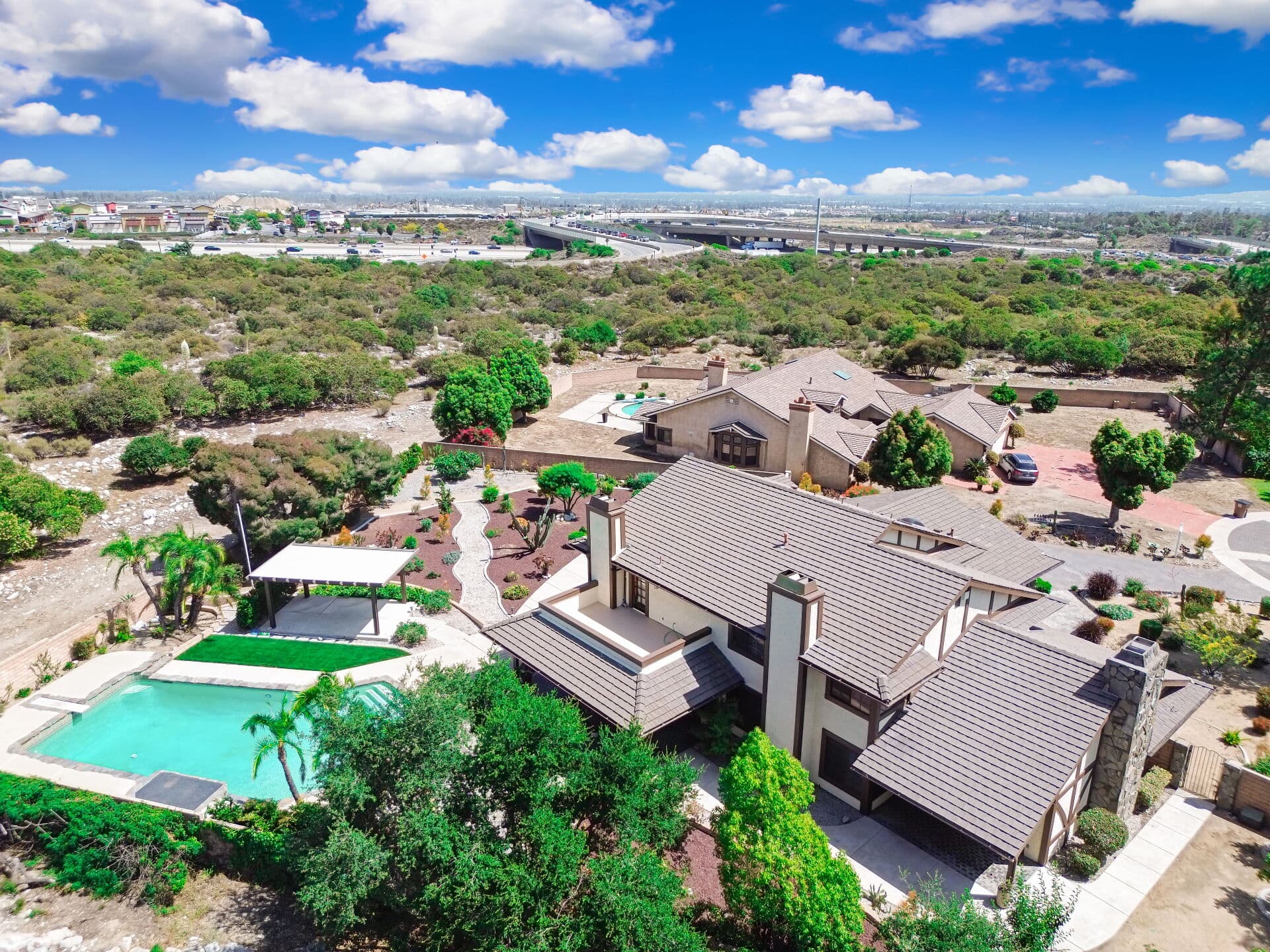
The practical consequence is that outdoor space here is not overflow. It is the primary room for a lot of gatherings, for a lot of months. A house with a modest interior and a genuinely usable outdoor space will out-host a larger house with a bare yard, and it will do it on a smaller footprint.
USABLE IS THE OPERATIVE WORD. A yard in full afternoon sun with no shade is not usable in the warm months, which is exactly when you would want it. Shade, whether from mature trees or from built structure, is what converts square footage of yard into square footage of room.
The same evening rhythm that governs everything else here applies: gatherings drift late in the warm months because that is when the outdoors becomes comfortable, and houses that have a good evening outdoor space get used differently from houses that do not.
What makes an interior host well
Inside, four features do most of the work, and none of them is total square footage.
THE KITCHEN'S RELATIONSHIP TO EVERYTHING ELSE. People gather where the food is, regardless of design intent. A kitchen closed off from the rooms where guests are is a kitchen the host stands in alone. Older houses here frequently have exactly that arrangement, since kitchens were work rooms rather than social ones, and it is one of the most common reasons for a renovation in this town's older stock.
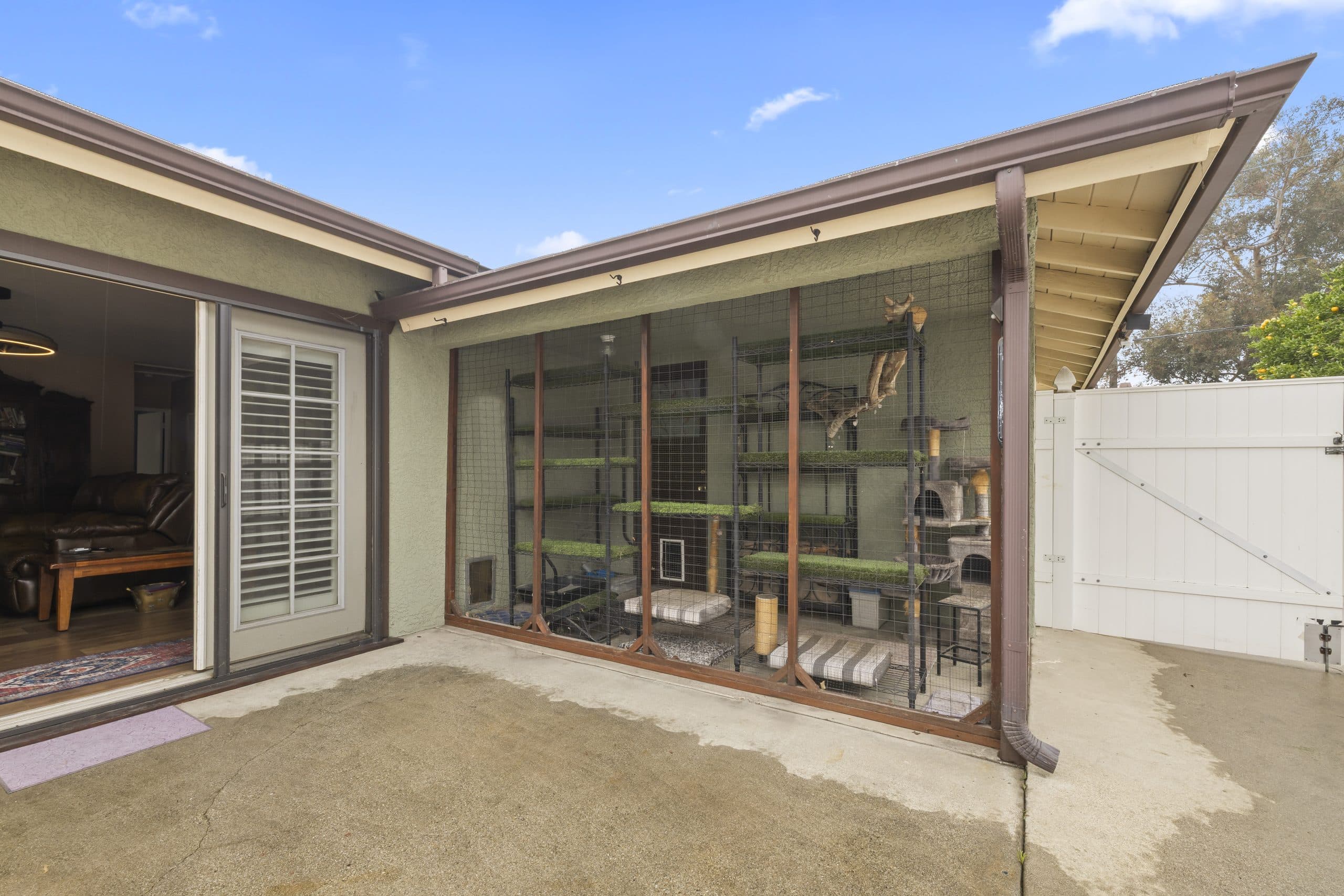
A PATH BETWEEN INSIDE AND OUT. If the outdoor space is the main room for half the year, how you get to it matters. A single door through a bedroom is a bottleneck. A wide opening or a pair of doors from a common room is a different property entirely.
SOMEWHERE FOR THE OVERFLOW. Gatherings split. Some people stay at the table, some drift. A house with one large room and nowhere else to go concentrates everyone in one place, which suits some occasions and not others. A house with a second seating area, a porch, or a den is more flexible than its size suggests.
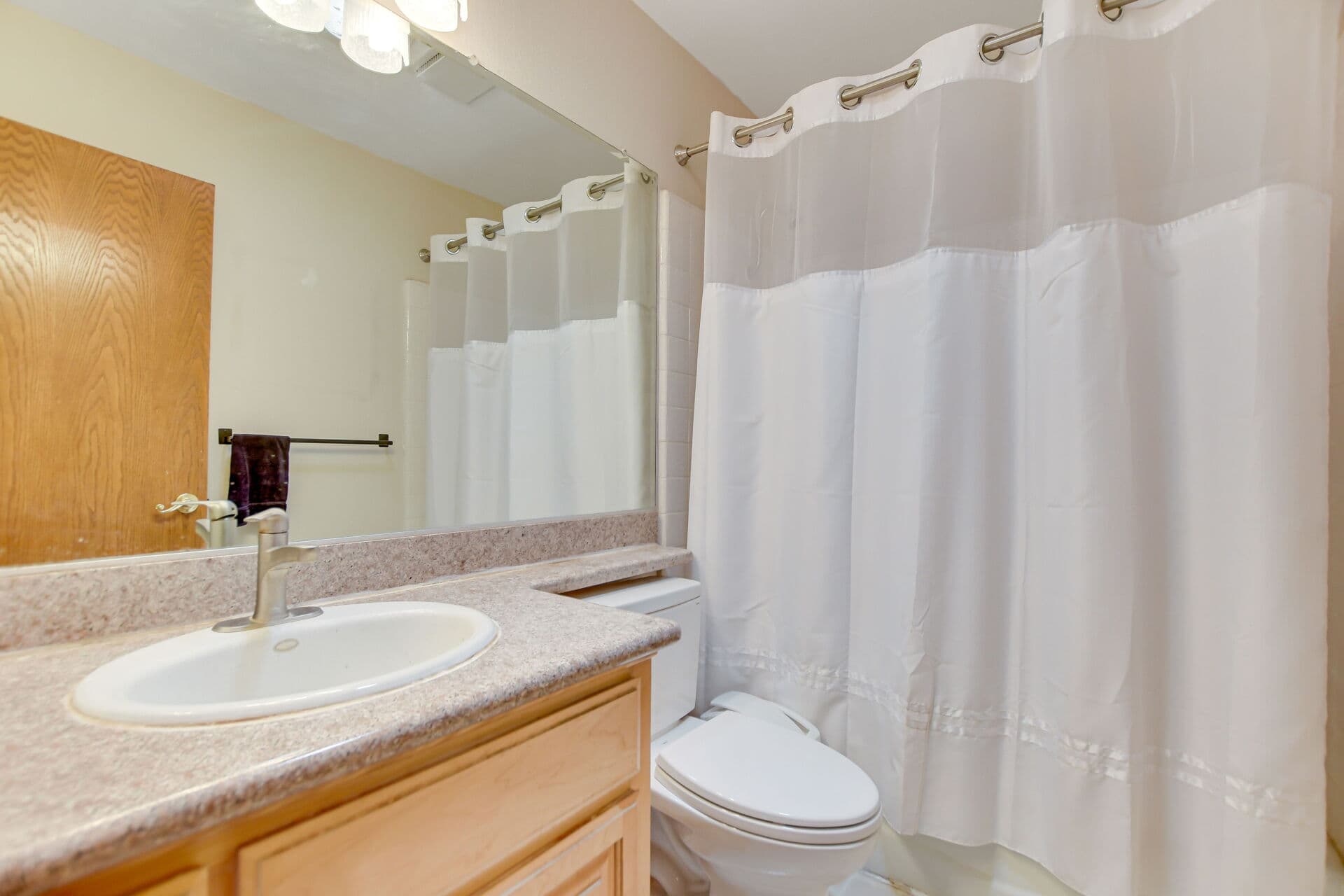
A GUEST BATHROOM ON THE PUBLIC SIDE OF THE PLAN. Unglamorous and it changes the experience considerably. A powder room off a hallway is a very different arrangement from routing guests through the primary suite.
The porch, again
It is impossible to write about hosting here without returning to the front porch, because in this town's older neighborhoods it is a real functional space rather than an ornament.
A porch hosts differently from a back yard. It is semi-public, it is casual, it accommodates the neighbor who was walking past, and it requires no preparation at all. Households with a good front porch tend to use it constantly and to host in a lower-effort, higher-frequency way than households without one.
Whether that appeals is a matter of temperament. The front-porch guide covers the culture around it in more detail, and it is worth knowing which style of hosting you actually do before deciding how much a porch is worth to you.
The parking question nobody asks
Here is the practical detail that catches people out in older neighborhoods.
If you host regularly, where do eight or ten cars go. On many older streets in this town the answer is on the street, and on many of those streets that is fine. On some it is not: narrow blocks, restrictions, or simply competition on certain evenings.
This is worth a direct question and a look at the block on a weekend evening. Nobody thinks about it during a showing and everybody thinks about it the first time they invite twelve people over.
Matching the house to the habit
The synthesis is simple. Decide honestly what your hosting actually looks like, then buy for that rather than for the version in your head.
Big seated dinners want a dining room that can hold a real table and a kitchen connected to it. Casual drop-ins want a porch and a front yard. Large outdoor gatherings want shade, a clean indoor-outdoor path, and parking. Holiday hosting with overnight guests wants a bedroom you are not otherwise using and a second bathroom.
Those are four different houses. All four exist in this town. The mistake is buying one and living the other, and it is entirely avoidable by naming the requirement out loud early in a search.
The lifestyle guide covers the wider picture of daily life here, and the yard calendar guide is the companion piece, because the outdoor space that hosts well is also the outdoor space that asks the most of you across a year.
Anthony Grynchal has been licensed in California since November 2009. Buyers who host regularly should say so at the start of a search, because it reorders which floor plans are worth a showing.
Frequently asked questions
What makes a Claremont home good for entertaining?
Less about total size than about four things: how connected the kitchen is to the rooms where guests actually gather, whether there is a clean path from the interior to the outdoor space, whether there is a second area for people to drift to, and whether a bathroom sits on the public side of the plan rather than through a bedroom.
How important is outdoor space for hosting here?
Very, because a large share of the year is outdoor-gathering weather in this valley. Outdoor space functions as a primary room rather than as overflow. The qualifier is shade: a yard in full afternoon sun is not usable during exactly the months you would most want it, so shade is what converts yard area into usable room.
Is a front porch actually useful or just decorative?
In this town's older neighborhoods it is genuinely functional. A porch supports a different kind of hosting from a back yard: semi-public, casual, no preparation required, and open to whoever happens to be walking past. Households with a good porch tend to entertain more frequently and with less effort.
What is the most overlooked hosting problem in older neighborhoods?
Parking. If you regularly have eight or ten guests, where those cars go is a real question, and on some older streets with narrow blocks or evening competition the answer is not obvious. It is worth looking at the block on a weekend evening before buying if hosting is central to how you live.

Written by
Anthony Grynchal
Anthony Grynchal is a California real estate professional with eXp Realty, licensed since November 2009 (California DRE# 01873626), and the Designated Local Expert™ for Claremont — where he has lived for more than 33 years.
More about AnthonyPublished · Updated