
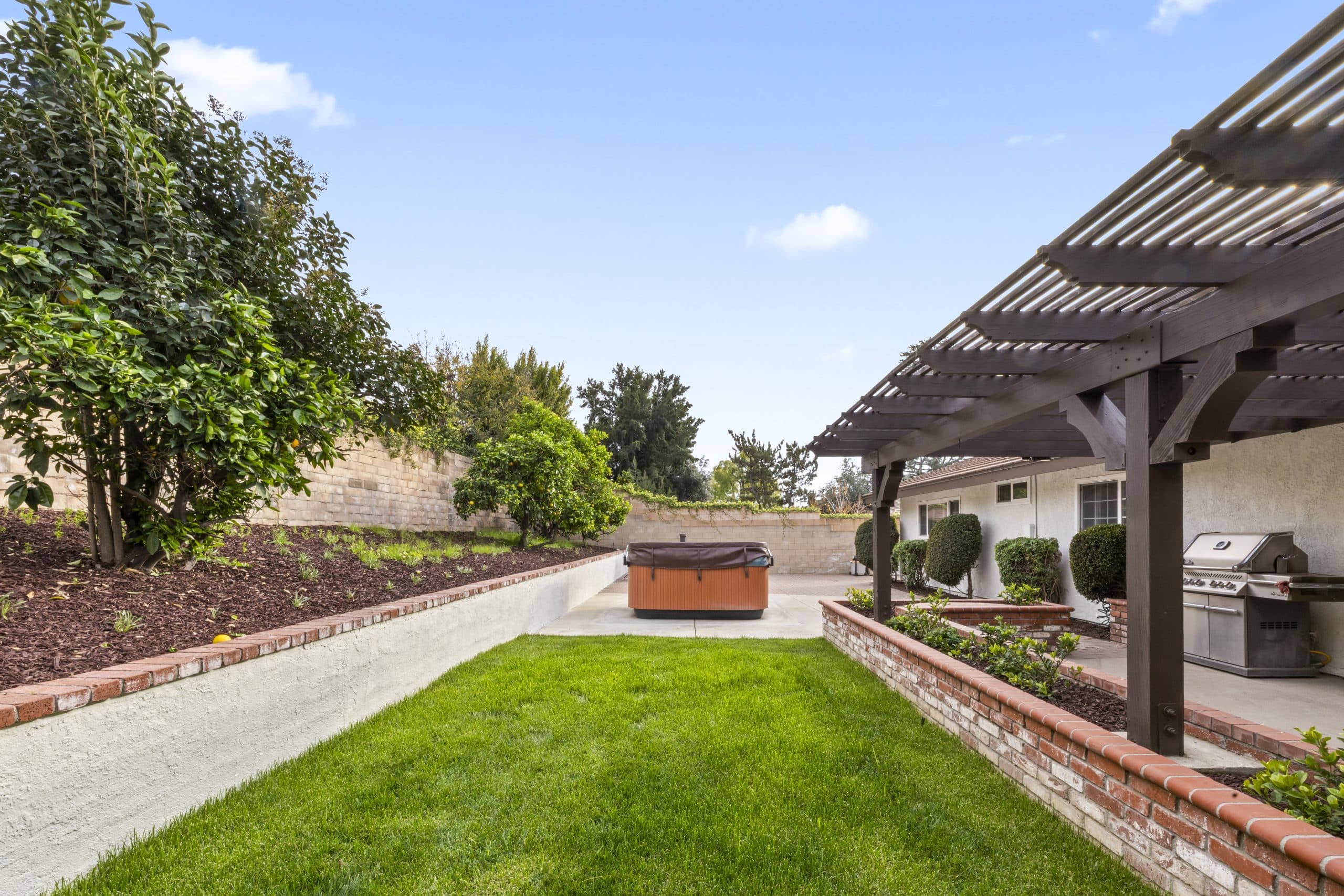
People do not really decide to buy a house; they decide to live a certain life, and then a house makes it possible. That is why the most important question about Claremont is not about the housing stock at all — it is what daily life here actually feels like, and for whom it works. This page is the synthesis: the texture of the town, the honest trade-offs, and a candid accounting of who thrives here and who chafes. It is written to be balanced on purpose. A town is not a rank; it is a fit, and a good agent's job includes telling some people, honestly, that this is not their town. If you are weighing a move, the relocation guide covers the logistics; this page covers the life.
The shape of an ordinary day
Start with texture, because texture is what you actually live in. A Claremont morning starts early and outdoors more often than not — first light on the mountains at the top of every north-south street, walkers and runners on Thompson Creek Trail before work, coffee in the Village while the sidewalks are still cool. The day's middle is quiet in the way of a town where much of the work is teaching, thinking, caring, and commuting. Late afternoon brings the school-pickup choreography and the dog-walking hour under the street trees, and evenings are the town's best trick: long, soft, and made for the front porch, the patio table, or the short stroll to dinner. Sundays have a fixed center — the farmers market, where a noticeable share of the town shows up to buy vegetables and see itself. Underneath it all runs a soundtrack visitors comment on: birdsong, campus bells, wind in the canopy, and not much else. None of this is spectacular, which is the point. Claremont's pleasures are dailiness done well, and people who need their pleasures spectacular should read the trade-offs section closely.
The college-town texture
The Claremont Colleges give the town a texture that has no substitute at this scale: a standing calendar of lectures, recitals, exhibitions, and ideas, most of it open to residents and much of it free; books-and-coffee culture as a civic baseline; and a population that partly renews every year, keeping the town from settling into itself. The academic calendar is the town's second set of seasons — term-time energy, commencement crowds, a high-summer exhale — and residents learn to live by it. The mix matters as much as the programming: students, professors, retired academics, young families, and long-tenure locals share the same sidewalks and the same market Sunday, and the town is unusually intergenerational for its region. People who came for a degree and returned for a life are a recognizable Claremont type.
The civic layer deserves equal billing, because it is where the town's texture becomes participation. Claremont runs on an unusual density of volunteerism — committees, school organizations, garden and heritage groups, the standing machinery of a town that argues about trees in public because it genuinely cares how the argument comes out. For newcomers this is the open door: the fastest route from resident to neighbor here is to join something, and the town offers more somethings per capita than almost anywhere its size. People who use that door report the same arc — a season of showing up, a season of being recognized, and then the shift into belonging that no amount of house shopping can purchase directly.
The outdoor register
The other register of Claremont life is outdoor and daily rather than occasional. The town's mature canopy makes ordinary walking genuinely pleasant most of the year; Thompson Creek Trail turns exercise into a habit for the neighborhoods near it; the Wilderness Park puts real chaparral hiking at the top of town; and Mt. Baldy fills the northern sky with an actual mountain — snow-dusted in winter, hikeable in summer, and a standing reminder that this is a foothill town in fact rather than in name. The parks and recreation guide maps this endowment in full. What matters for the fit question is the rhythm it creates: Claremont rewards people whose idea of a good week includes being outside in it, morning trail or evening walk, and gives them the infrastructure to make it automatic.
What the town asks you to accept
Now the other column of the ledger, stated plainly:
- Evenings are quiet. The town's idea of a late night is modest. Dinner, a concert, a lecture, a walk — yes. Nightlife in the metropolitan sense — no. The people it suits call this civilized; the people it does not call it sleepy. Both are describing the same fact.
- Summer means real heat. The valley summer is long and hot, and life reorganizes around mornings, evenings, and shade. The canopy helps enormously; it does not repeal the climate.
- You will be seen. Small-town visibility is real here. You will run into people you know at the market, and your dog will be recognized before you are. People fleeing big-city anonymity find this healing; people who prize anonymity find it costly.
- Desirability is priced in. Claremont's virtues are not a secret, and the cost of entry reflects them. The neighborhood guide covers where the trade-offs sit inside the town itself.
- The pace is deliberate. Civic change here is argued thoroughly and moves slowly, which is exactly how the town preserved what it preserved. People who want their surroundings to iterate quickly will grind their teeth.
- The city is a drive, not a doorstep. Los Angeles and its urban pleasures are reachable — that is part of the arrangement — but they are an excursion, not an ambient condition.
Who thrives here
Patterns repeat across years of watching people settle in. Claremont tends to fit: readers, makers, and the intellectually restless, who plug into the college layer within a season; households with children who want a walkable, tree-shaded childhood with the market and the parks as fixtures; outdoor-habit people whose week is built around a trail; remote workers who want texture — a real coffee culture, a real core, a reason to leave the house between calls; and people in their second act who want engagement without a city's overhead — the retirees here are notably busy. What the list shares is a preference for depth over stimulation: the town's offer is a life that compounds, not a life that dazzles.
Who chafes
The honest inverse, offered with equal respect: people whose evenings need a scene — the town cannot supply one and does not intend to; those who prize anonymity and dislike being known at the counter; people allergic to deliberation, for whom the town's slow civic metabolism reads as obstruction; and those whose working geography makes the regional commute a daily tax they will resent — a calculation that depends entirely on where the work is, and one worth doing honestly before falling for a porch. None of these are character flaws, and none of them are flaws in the town. They are mismatches, and a mismatch identified before a purchase is cheap; discovered after, expensive.
Rehearse the life before you buy it
The useful news is that this particular decision can be rehearsed. Come on a market Sunday and watch the town greet itself. Come back on an ordinary Tuesday evening and see whether the quiet reads as peace or as absence. Walk the Village at breakfast on a weekday — a district alive at that hour is serving residents, not visitors. Sit somewhere outdoors in the late-July heat and take the climate seriously. Try the dining scene at the pace you would actually use it, and if the outdoors is your register, walk the trail at your real hour, not a tourist's. Two or three honest visits answer the fit question better than any page can — this one included. And bring the whole household: the town has to fit everyone who will live in it, and the disagreements are far cheaper to discover on a visit than in escrow. The living in Claremont overview carries the practical companion to this essay.
Anthony Grynchal has been licensed in California since November 2009, and the conversations that start a Claremont purchase are almost never about houses — they are about mornings, evenings, and what a week should feel like. Bring that conversation as it actually is. If the town fits, the right house is a solvable problem; if it does not, hearing so early is the most valuable thing an agent can tell you.
Frequently asked questions
What is it like to live in Claremont?
Daily life runs on a walkable, tree-shaded rhythm: mornings on the trail or in the Village, a Sunday farmers market that functions as the town's living room, a steady stream of college lectures and performances, and long, soft evenings. The pleasures are dailiness done well rather than spectacle — which is exactly what residents love and what nightlife seekers find missing.
What are the downsides of living in Claremont?
Stated honestly: evenings are quiet and true nightlife is elsewhere; the valley summer is long and hot; small-town visibility means you will be known; the cost of entry reflects the town's desirability; civic change moves deliberately; and Los Angeles is an excursion, not a doorstep. Whether these read as costs or virtues depends entirely on the life you want.
Is Claremont a good place to raise a family?
For families who want a walkable, tree-shaded childhood, it is one of the region's strongest fits: parks and playgrounds within reach of most addresses, a farmers market and community calendar built for showing up, an unusually intergenerational town, and an education-centered culture. The trade-offs — cost of entry and quiet evenings — are the ones to weigh.
Is Claremont boring?
It depends on your definition of interesting. The town offers lectures, live music, trails, a busy community calendar, and a genuine dining core — but its energy is depth rather than stimulation, and its idea of a late night is modest. People who want a scene will find it sleepy; people who want a life that compounds tend to find it quietly absorbing.

Written by
Anthony Grynchal
Anthony Grynchal is a California real estate professional with eXp Realty, licensed since November 2009 (California DRE# 01873626), and the Designated Local Expert™ for Claremont — where he has lived for more than 33 years.
More about AnthonyPublished · Updated