Almost everything written about a town assumes you are awake in the daytime. Nurses, dispatchers, bakers, line cooks, freight drivers, security staff, and anyone on a swing rotation get an entirely different city, and they get an entirely different set of housing problems.
This is the guide for that household. It is not about whether Claremont is a good place to work nights — that depends on your employer, not on the town. It is about which houses on which streets make daytime sleep possible, and which ones quietly make it miserable.
The inversion, stated plainly
A night worker sleeps during the loudest and brightest part of the day and lives during the quietest and darkest. Every ordinary neighborhood virtue flips.
Sunlight becomes an obstacle rather than an amenity. The cheerful morning street becomes the thing that wakes you. Gardeners, deliveries, trash collection, school pickup traffic, and construction all land squarely in your sleep window. Meanwhile the town's evening life, which is the part everyone else buys the house for, is happening while you are at work, and the shops and counters are shut when you are free.
That last point deserves emphasis because it undercuts a common assumption. Much of what makes Claremont pleasant runs on daytime and early-evening hours. If your free time is between one and five in the morning, you are living in a quiet residential town with almost nothing open, and the walkable-core premium that the third-place guide describes buys you much less than it buys your neighbor. Weigh that honestly before you pay for proximity you cannot use.
What actually decides daytime sleep
Five things, in rough order of how often they ruin a purchase.
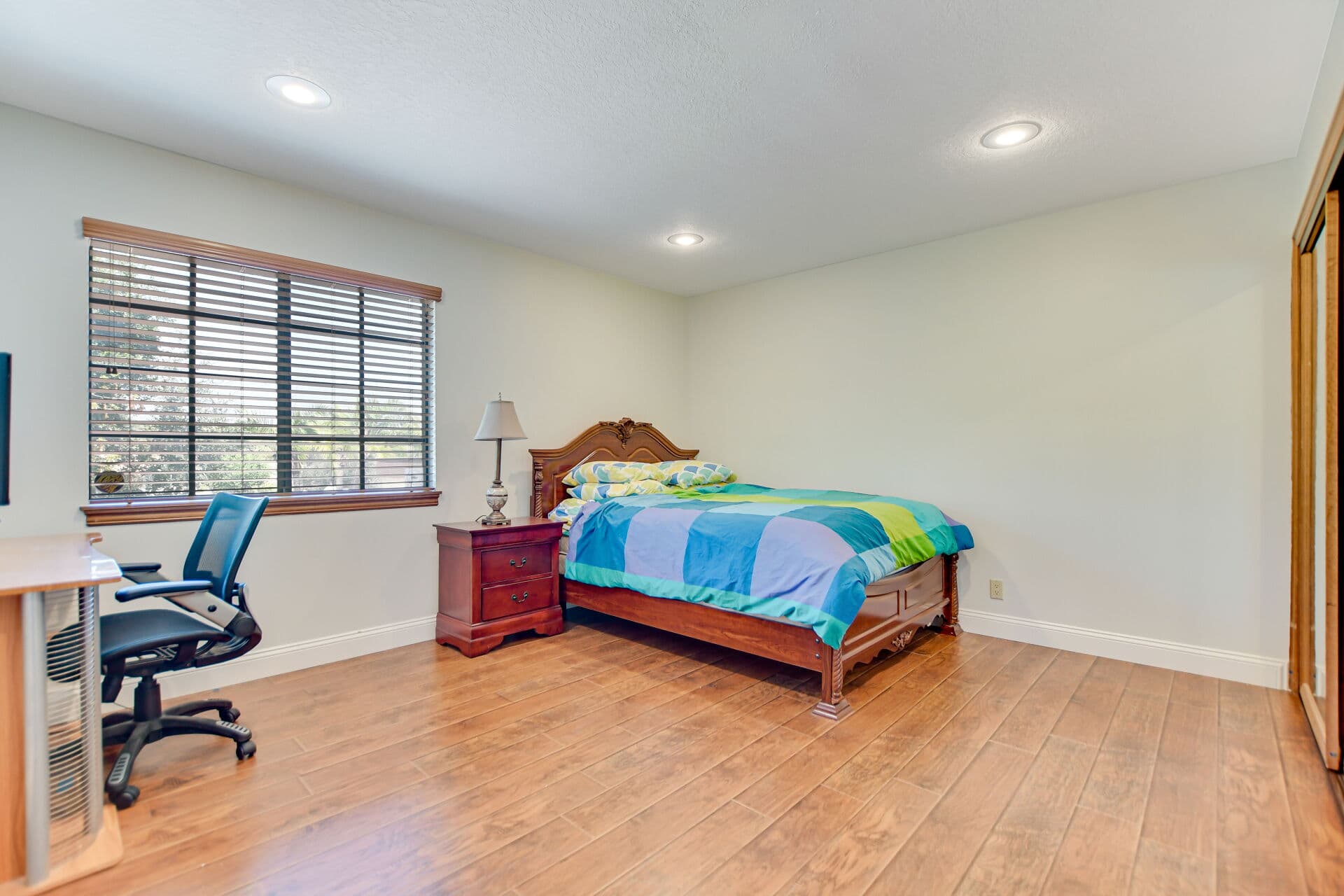
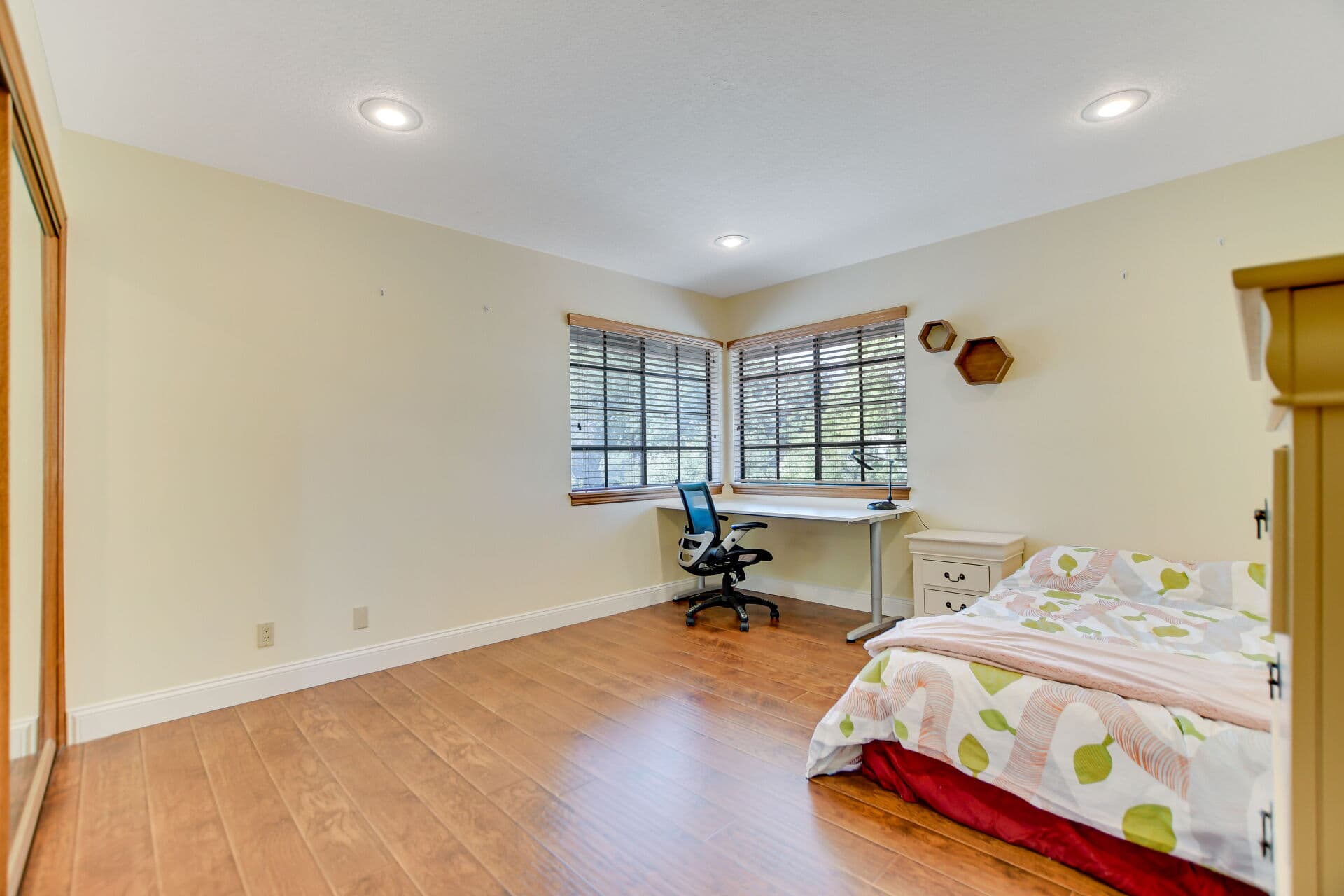
BEDROOM PLACEMENT. A bedroom at the front of a house, facing the street, is exposed to every arrival, delivery, and conversation on the block. A rear bedroom, especially in an older Claremont layout where the sleeping rooms sit off the back of the plan, is a materially different room at ten in the morning. This is the single highest-value thing to check, and it is free to check.
ORIENTATION. An east-facing bedroom takes the full morning sun exactly when a night worker is trying to fall asleep, and in this climate that is heat as well as light. West-facing takes the afternoon load instead, which lands mid-sleep. North-facing is the calmest. None of this is fatal, but it changes how hard your window treatments and your cooling have to work.
WINDOW AND WALL CONSTRUCTION. Older housing stock here often carries original single-glazed windows, which are charming and acoustically thin. Whether the walls carry insulation at all varies enormously by era. Both are upgradeable; neither is cheap; and the difference between them is the difference between sleeping through a leaf blower and not.
THE COOLING QUESTION. Sleeping through an inland afternoon in a house that relies on evening cross-ventilation does not work, because the free cooling arrives after you have already spent hours awake. A night worker needs whatever the house's real daytime cooling strategy is to function in the middle of a hot day, in one room, reliably. That is a mechanical question and worth an honest answer before an offer.
THE STREET ITSELF. Collector streets, blocks near a school approach, blocks near a campus edge, and anything on a route that carries service traffic all run louder from mid-morning onward. The campus-adjacent guide covers one version of that; the general principle is that a night worker should be shopping the interior of a residential grid rather than its edges.
Things that are easier here than elsewhere
It is not all cost, and two structural features genuinely help.
The CANOPY. Claremont's street trees shade houses as well as sidewalks, and a bedroom under mature shade runs cooler and darker through the middle of the day than the same room on a bare lot. On a hunt where daytime sleep is the priority, tree cover over the roof and the west wall is a real specification, not an aesthetic preference.
The SCALE. This is a small enough town that a night commute is genuinely uneventful in most directions, and the roads a night worker uses at odd hours are empty rather than merely quiet. Households that moved here from denser places often report that the drive home at the end of a shift is the part that improved most.
Practical adjustments that work
Assume you will need blackout treatment in the sleeping room, and check that the window has enough reveal depth to mount it without light leaking around the edges — a shallow frame with a shade hung outside it leaks along both sides all day. Assume white noise, and place it between the bed and the street rather than beside your head.
Talk to your neighbors early and specifically. On a Claremont block, where people know each other and are outdoors a lot, a request that lands as information rather than a complaint is generally honored. Most gardening and service work is schedulable, and a neighbor who knows you sleep until early afternoon will often move a weekly appointment an hour without being asked twice.
And plan the social cost deliberately, because it is the part people underestimate. A household on a night rotation misses the ordinary evening rhythm of a neighborly town, so the connections have to be made on purpose — usually on days off, and usually in the morning while the rest of the block is also out. The front-porch guide explains why that window works.
Where to go next
Start at the lifestyle guide for how these daily-life variables map onto housing decisions, and read the sound guide next, since for a night worker the acoustic profile of a street is not a nicety, it is the specification. Anthony Grynchal has been licensed in California since November 2009.
Frequently asked questions
What should a night-shift worker look for in a Claremont house?
A rear bedroom rather than a street-facing one, an orientation that keeps direct sun off the sleeping room, windows and walls that actually block sound, a cooling strategy that works in the middle of a hot afternoon, and a street inside the residential grid rather than on a busy edge. Bedroom placement is the cheapest thing to check and the most often decisive.
Does Claremont's walkable core help someone who works nights?
Less than it helps everyone else. Most of what makes the core valuable runs on daytime and early-evening hours, so a household free between one and five in the morning gets a quiet residential town with little open. Weigh a location premium against the hours you can actually use it.
Do Claremont's street trees help with daytime sleep?
Yes, measurably in comfort terms. Mature canopy over the roof and the west wall keeps a bedroom darker and cooler through the middle of the day than the same room on an unshaded lot. When daytime sleep is the priority, tree cover is worth treating as a specification rather than a preference.
How do you handle neighborhood noise during a daytime sleep window?
Blackout treatment with enough window reveal depth to avoid light leaking around the edges, white noise placed between the bed and the street, and an early, specific conversation with neighbors. Gardening and service visits are usually schedulable, and neighbors who know your hours generally shift them.

Written by
Anthony Grynchal
Anthony Grynchal is a California real estate professional with eXp Realty, licensed since November 2009 (California DRE# 01873626), and the Designated Local Expert™ for Claremont — where he has lived for more than 33 years.
More about AnthonyPublished · Updated