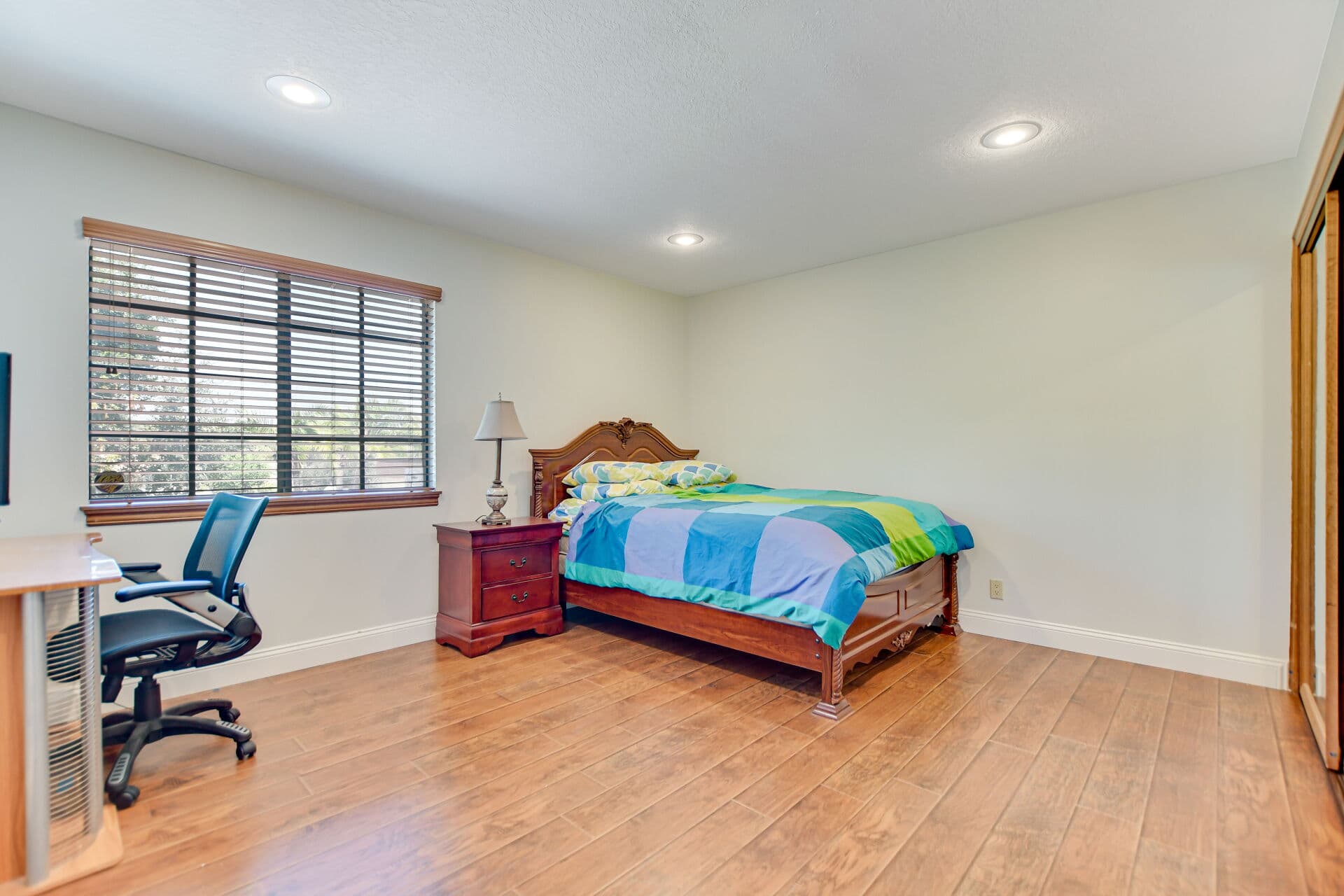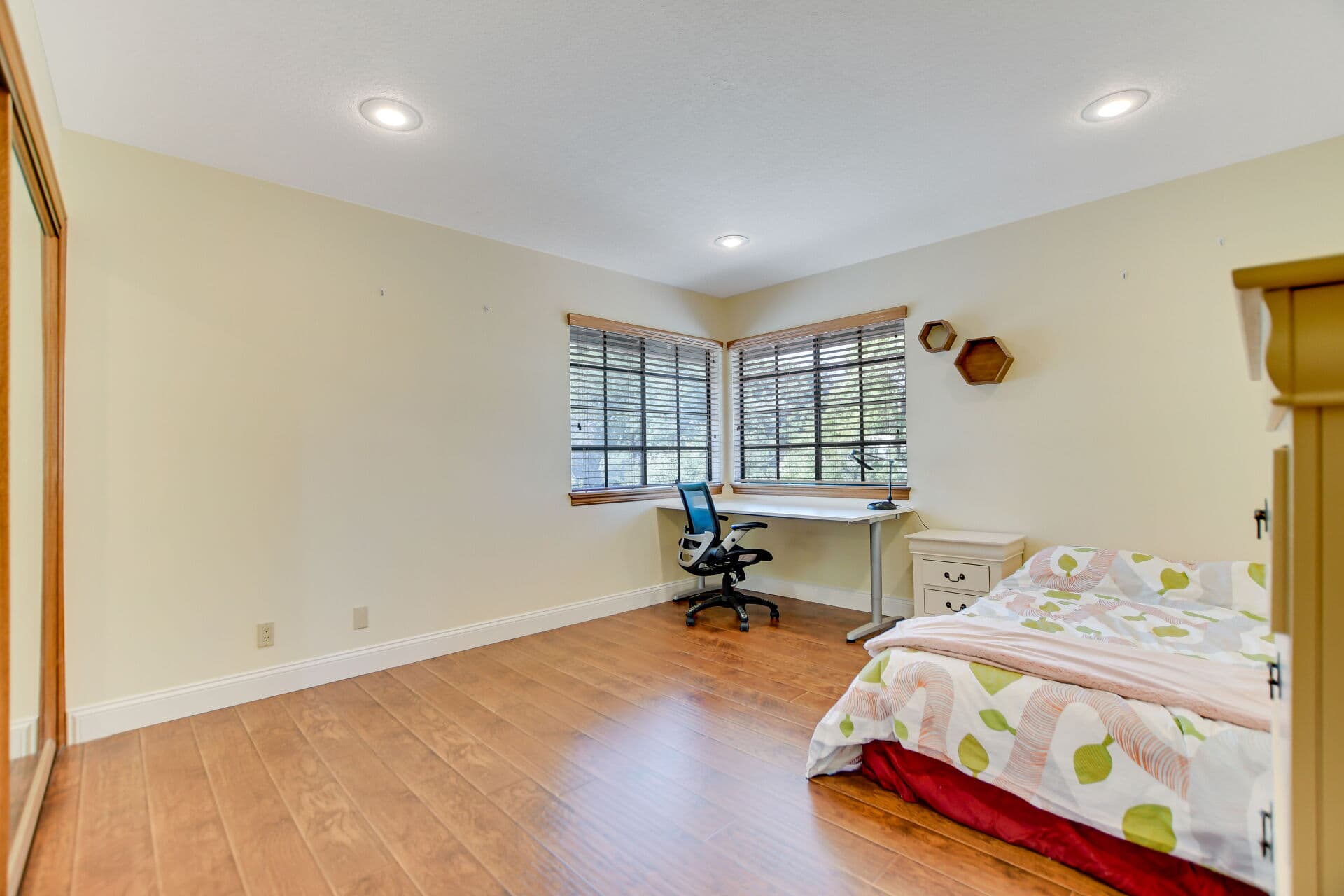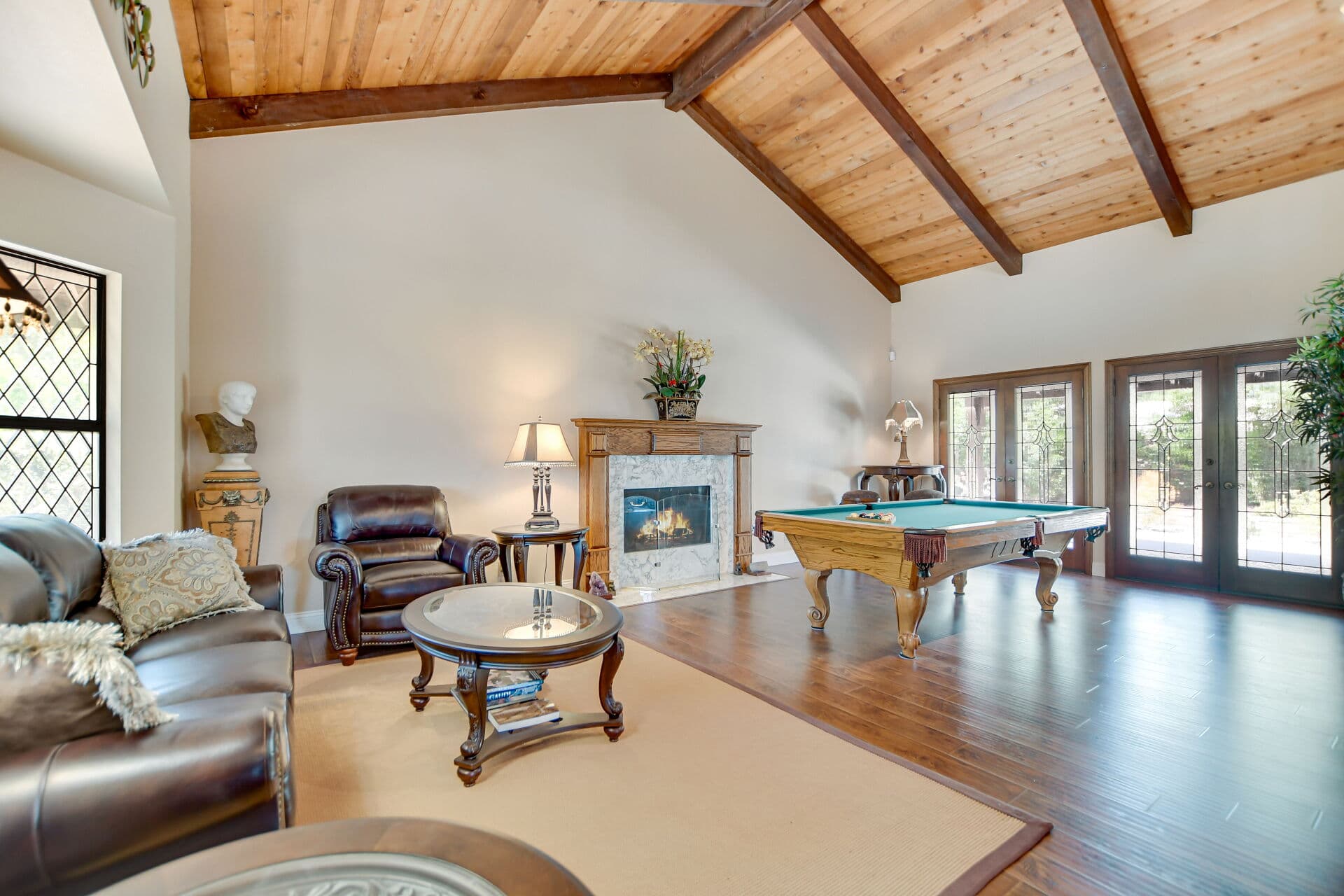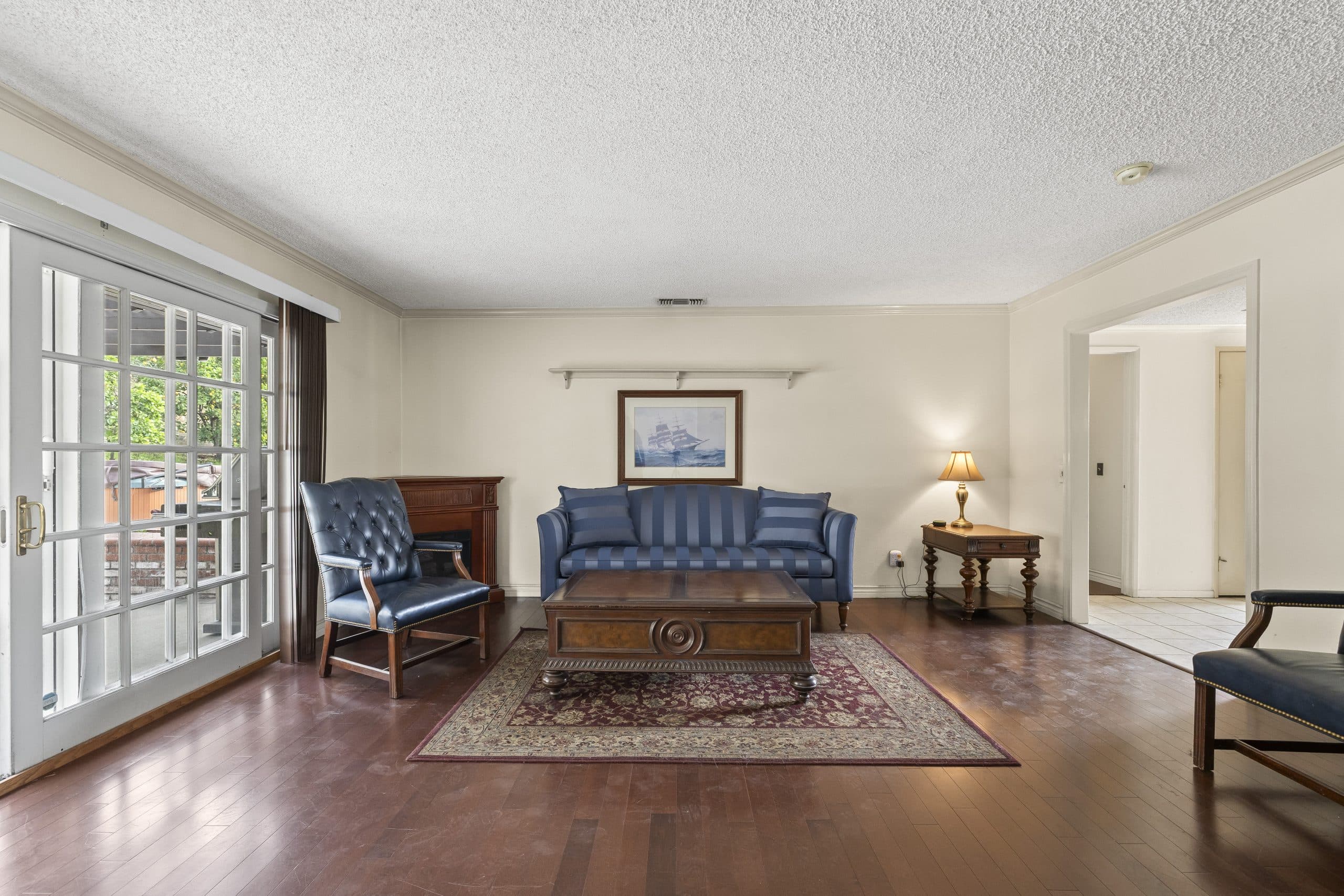
Here is a question that almost never appears on a buyer's wish list and probably should: how much of your life do you intend to live OUTSIDE your house?
The answer changes what you should buy. A household that reads at a library table, works at a counter, meets friends on a bench, and takes its long conversations to a campus lawn needs a different floor plan than a household that does all of that at home. In most of Southern California the question is academic, because there is nowhere to go. In Claremont it is a live variable, and it is one of the quieter reasons two families can look at the same listing and reach opposite conclusions.
What a third place actually does
The term is borrowed and slightly worn, but the mechanism is real. A third place is neither home nor work. It is somewhere you can sit for a while without a transaction justifying every minute, where the entry cost is low and nobody is surprised to see you.
Claremont has an unusual density of them for a town this size, and they come in four rough types. INSTITUTIONAL ones: the public library, the civic spaces, the college grounds that are porous enough to walk through and sit down in. COMMERCIAL ones: the counters and small dining rooms in the Village, which persist because a compact core keeps them within walking distance of a real customer base rather than a parking lot. OPEN ones: the shaded benches, the plazas, the lawns, the trail. And ACCIDENTAL ones: the sidewalk itself, which in the older neighborhoods carries more standing-and-talking than most streets in the region, a habit the front-porch guide traces back to how the blocks were built.
What matters for a housing decision is that each of those absorbs a function a house would otherwise have to hold. A library reading room is a study. A campus lawn is a back yard. A dining room in the Village is a dining room you did not have to furnish, heat, or clean.
The square-footage trade
Run it forward and the trade becomes obvious. Within the walkable radius, a smaller house works because the town is doing part of the work. The old bungalow with two bedrooms and no formal dining room is not cramped if the household's default for a long evening is to walk somewhere. The same house, dropped on a street where every outing requires a car, is a house you would eventually resent.
Buyers feel this instinctively and then talk themselves out of it. The instinct says the small house near the core is enough. The spreadsheet says buy more square feet farther out for the same money. Both are correct about different lives. The honest version of the question is not which is the better house but which life you are actually going to live, and the evidence for that is your last two years, not your intentions.
Two cautions before anyone buys tiny on the strength of this. First, third places have HOURS, and a household that runs on a different clock cannot rely on them — which is the whole subject of the night-shift guide. Second, they have WEATHER. The outdoor half of Claremont's third-place inventory is genuinely usable most of the year and genuinely unpleasant on a hot inland afternoon, which pushes that life into mornings and evenings and thins it out in the middle of a summer day.
Where the substitution breaks down
Some rooms cannot be outsourced, and it is worth naming them before the theory gets away from anyone.
A place to do focused paid work is the first. A counter is a fine place to answer email and a poor place to take four calls, and the town's home-office arithmetic is its own subject — the remote-work guide covers what a working household actually needs from a floor plan. Storage is the second: third places hold your afternoon, not your belongings. And anything that involves noise, mess, or equipment stays home by definition, which is why the studio-space guide exists as a separate problem.
There is also a durability question that a buyer should at least look at squarely. Commercial third places are businesses, and businesses close. The institutional and open ones — the library, the trail, the campus edges, the shaded benches — are the ones with real staying power, because they are backed by public commitments and a plat rather than by a lease. If you are buying a smaller house on the theory that the town will hold the overflow, weight the permanent inventory more heavily than the fashionable inventory.
How to test it before you commit
Do not take anyone's word for the radius, including mine. Stand at the candidate address and walk. Time it in the evening and again in the heat of an afternoon, because those are different towns. Notice whether the walk is shaded, whether the crossings are casual or negotiated, and whether you would do it carrying something.
Then do the honest audit. Over your last month, how many evenings did you spend somewhere other than your own living room? How many of them required a car? If the answer is most of them and the car was always involved, a location premium buys you a real behavior change. If the answer is that you are a homebody who enjoys the idea of a walkable town, buy the square footage. There is no shame in it, and it is a much better outcome than paying for a life you do not lead.
One more variable worth folding in: the mix of errands the town can absorb on foot is not the same as the mix it can absorb at all. The walkability guide is the map of what genuinely works without a car, and it pairs with the honest inventory of what still requires driving.
Where to go next
The whole cluster sits under the lifestyle guide, and the nearest neighbor to this question is the home-office guide, since the room you cannot outsource is usually the one that decides the purchase. If you want the address-level version of this analysis for a specific property, that is a conversation rather than an article. Anthony Grynchal has been licensed in California since November 2009.
Frequently asked questions
Does a walkable Claremont address really let you buy a smaller house?
It can, if your household actually spends evenings outside the home. Nearby libraries, counters, campus grounds, and shaded benches absorb functions a study or a formal dining room would otherwise hold. If your real pattern is to stay in, the substitution never happens and the square footage matters more than the location.
Which Claremont third places are the most reliable over time?
The institutional and open ones. A library, a trail, a public plaza, and porous campus edges are backed by public commitments and street layout rather than by a lease, so they tend to outlast any particular business. Commercial gathering spots are lovely and much less permanent, so weight them accordingly if you are buying on the strength of them.
What can't a third place replace in a house?
Focused paid work, storage, and anything noisy or messy. A counter suits email and suits a call schedule badly, belongings still have to live somewhere, and hobbies with equipment stay home by definition. Those three usually decide the minimum floor plan a household can accept.
How do I test the third-place radius at a specific address?
Walk it, twice. Once in the evening and once in the heat of an afternoon, because they behave like different towns. Note whether the route is shaded, whether crossings feel casual, and whether you would make the trip carrying something. Then compare that against how many evenings you actually spent out of the house last month.

Written by
Anthony Grynchal
Anthony Grynchal is a California real estate professional with eXp Realty, licensed since November 2009 (California DRE# 01873626), and the Designated Local Expert™ for Claremont — where he has lived for more than 33 years.
More about AnthonyPublished · Updated