A street closure does not remove traffic. It relocates it.
Everybody understands the closed street. Almost nobody thinks about the streets that inherit its cars, and those are the ones with the problem, because they were never designed to carry that load and they get no notice, no cones and no attention.
If you are buying anywhere near a district that closes streets, the closed street is the visible risk and the detour street is the invisible one. Learning to identify the second is a twenty-minute exercise that most buyers never do.
Detours follow the shape of the grid
Traffic reroutes along the path of least resistance, and that path is determined by street hierarchy, not by distance.
Drivers do not spread evenly across every alternative. They funnel onto the next street that looks like a through route: wider, with a center line, with signals rather than stop signs, and with a name they recognize. That funneling is why one residential street can take an enormous share of a detour while the street parallel to it takes almost none.
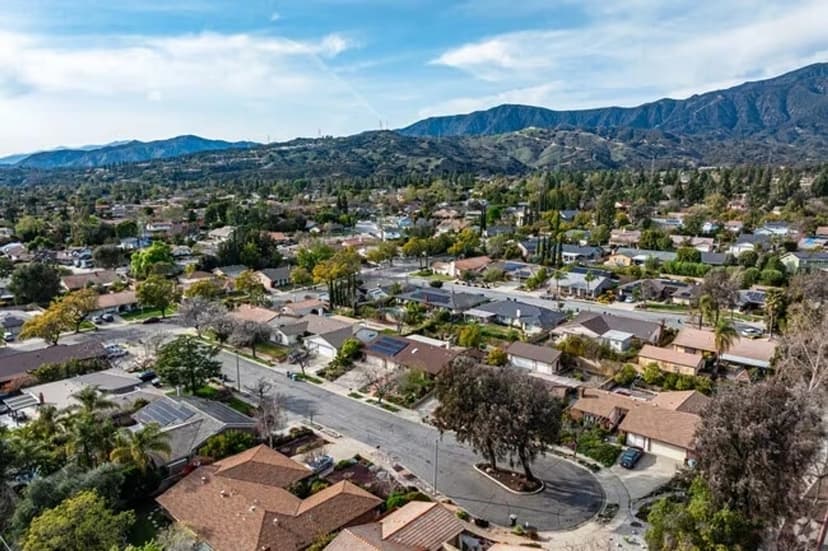
The residential streets that get hit are the ones with a through connection at BOTH ends. A street that connects to a major road at one end and dead-ends or bends at the other is largely safe. A street that runs cleanly from one arterial to another is a de facto bypass whether or not anyone intended it, and it will find that role every single time something upstream closes.
The four kinds of traffic a closure produces
They behave differently and they land in different places.
- Through traffic that never wanted to be here. Drivers passing across town who hit the barricade and reroute. These are the fastest and least careful, because they have no local knowledge and are already annoyed. They take the widest-looking alternative.
- Arriving visitors looking for parking. Slow, circling, making sudden stops, turns and questionable maneuvers. These do not follow the detour route at all. They probe residential blocks in a widening spiral around the destination.
- Departing traffic all at once. The heaviest load and the shortest duration. When a gathering ends, a large volume tries to leave through whatever is open, in a compressed window, often in the dark.
- Residents trying to get home. The group nobody plans for, doing three-point turns in front of the barricade because the route they use daily is gone.
The circling group is the one that matters most for a house. Through traffic uses the arterials and is gone. Circling traffic comes down YOUR street at walking pace with its head out the window, and it is the source of nearly every blocked-driveway story you will hear.
How to identify a detour street on foot
Start at the district and work outward, and read the street the way an engineer would.
Look at both ends. Walk to each end of the block and see what it connects to. Two arterial connections make a bypass. One makes a cul-de-sac in practice.
Look at the width and the markings. A center line on a residential street is a strong tell that it already carries more than its houses generate.
Look at the traffic calming. Speed humps, chicanes, bulb-outs, turn restrictions and diverters are not decoration. They are the record of a fight. A residential block with several of them has a documented history of carrying traffic it did not want, and the city responded. That is useful information delivered for free.
Look at the signage. No-through-traffic signs, turn restrictions during certain hours, and permit parking zones all mark streets that have taken load before.
Look at the curb. Scraped corners, worn parkway edges and crushed curb faces near turns tell you vehicles regularly take that turn faster or wider than intended.
The questions to ask
Ask a neighbor a specific question, not a general one. Not whether the street gets busy. Ask: when something closes down there, does traffic come through here? Ask: how do you get out of your driveway on those days? Ask whether anything has been added to the street in the last few years to slow cars down.
A resident who has a routine has answered you completely. Routines only develop around recurring problems.
What to actually do about it
None of this argues against buying near a lively district. It argues for pricing the specific block correctly, which is a different thing.
A house on a genuine bypass street carries a recurring cost that a house one block over does not, and that difference is rarely reflected in the asking price because it is invisible on a Tuesday morning. It is exactly the kind of thing a buyer discovers in month four.
The mitigations, where they exist, are worth knowing about: permit parking programs, turn restrictions and calming measures are all things residents petition for, and they go through the city's normal process. That process is slower than people expect and it starts with knowing which body to approach.
For the visitor side of this, meaning where people actually put their cars and how the pressure radiates outward, see the Claremont event parking cheat sheet. For the physical read of an individual block under load, see judging a Claremont street by how it handles a crowd.
For the wider context of how the town's public life is organized, start at the Claremont local events guide.
Closure notices, detour plans, permit parking rules and traffic calming programs are all administered by the City of Claremont and change over time. Verify current details with the city directly rather than relying on any third-party summary.
Anthony Grynchal has been licensed in California since November 2009.
Frequently asked questions
Which residential streets are most likely to become detour routes?
Streets with a through connection at both ends, especially those running from one arterial to another. Width, a painted center line and signalized intersections increase the likelihood further, because rerouting drivers funnel onto whatever looks most like a through route rather than spreading evenly across the alternatives.
What does traffic calming on a street tell a buyer?
That the street has a history. Speed humps, chicanes, bulb-outs, diverters and turn restrictions are installed in response to a documented problem, usually after residents raised it. Several of them on one residential block is a free record that the street has carried traffic it was not designed for.
Which kind of detour traffic causes the most trouble for a home?
Circling drivers looking for parking. Through traffic uses the arterials and leaves quickly, but arriving visitors probe residential blocks slowly in a widening spiral around the destination, and that is the group responsible for most blocked driveways, sudden stops and awkward turns in front of houses.
Can anything be done about a street that becomes a bypass?
Sometimes. Permit parking programs, turn restrictions and physical traffic calming are the usual tools, and residents typically initiate them through the city's own process. It is slower than most people expect, so it is better treated as a possible future improvement than as a reason to overlook the issue at purchase.

Written by
Anthony Grynchal
Anthony Grynchal is a California real estate professional with eXp Realty, licensed since November 2009 (California DRE# 01873626), and the Designated Local Expert™ for Claremont — where he has lived for more than 33 years.
More about AnthonyPublished · Updated