Two streets in the same city, four blocks apart, can be socially unrecognizable to each other.
One has an annual party, a group message thread, and neighbors who take in each other's packages. The other has been perfectly civil for thirty years and nobody has ever been inside anyone else's house. Same zoning, same schools, similar homes, completely different daily experience.
Buyers evaluate cities and neighborhoods. The block is where you actually live, and it is the unit almost nobody researches.
What varies block to block
The differences are specific and they are learnable before you buy.
- Front yard use. Whether people sit out front, or whether life happens entirely in back yards. This one variable predicts more than any other.
- Parking convention. Whether the street is used for storage, guests, or nothing. Whether people leave a space in front of each house free.
- Noise tolerance. When a block considers evening over. Varies more than you would think within one city.
- Yard standards. Not enforced anywhere without an HOA, but informally consistent, and a house maintained well below the block's average draws attention.
- Kid density and kid freedom. Whether children move between houses, and whether that has been the pattern for a generation or is new.
- Communication. Whether there is a list, a thread, a bulletin board, or nothing at all.
Why front yards predict everything
The single most reliable signal on a residential block is whether the front of the house is used.
Porches with real furniture, chairs in a driveway, a table set out under a tree, garage doors open with someone working. Those are all evidence of a street where people expect to be seen and expect to interact.
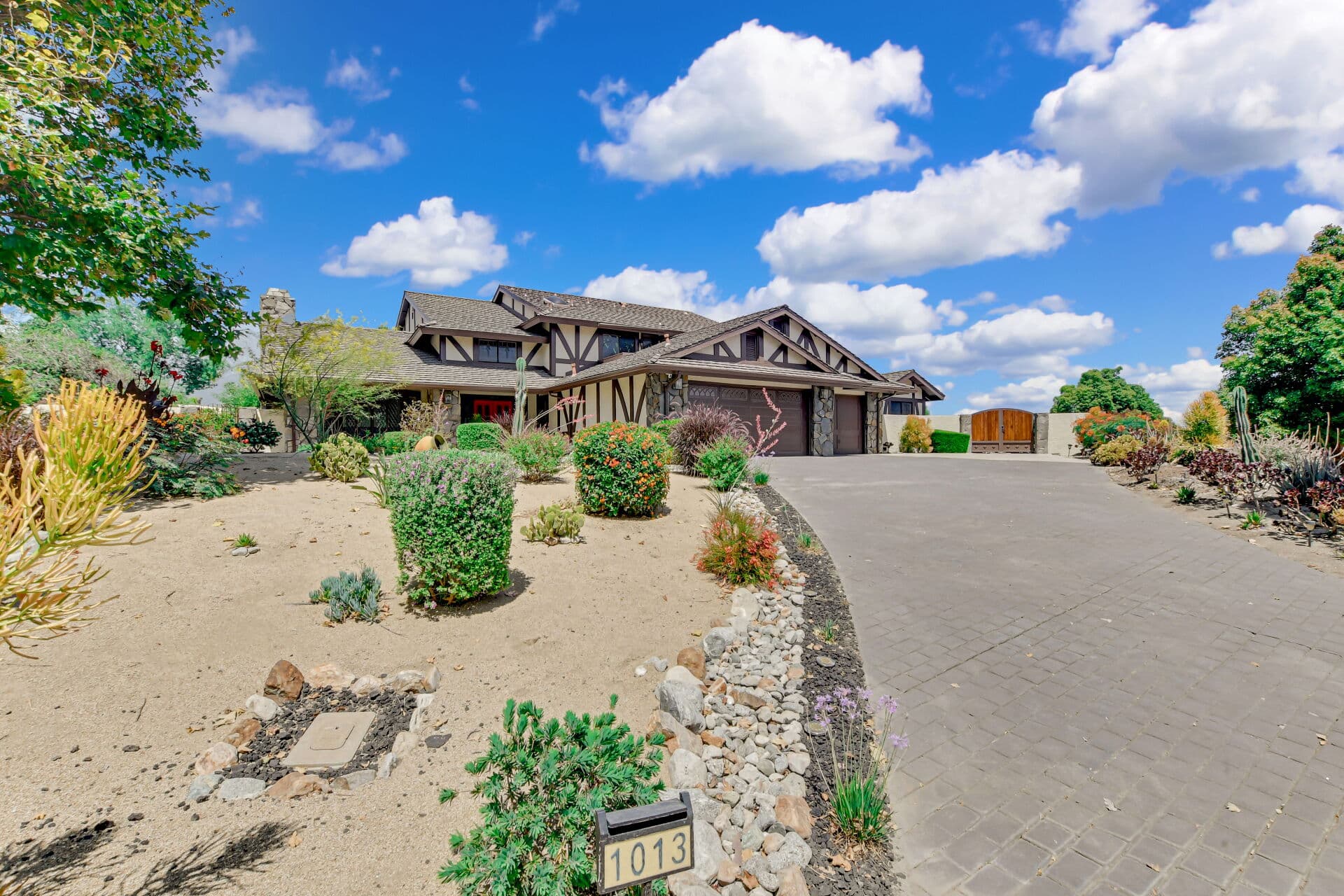
A block where every front yard is decorative and all activity is behind a fence is not unfriendly. It is private, deliberately, and it will stay that way. Buying into it expecting a block party is a mismatch you can detect in ten minutes from a car.
How to read a street before you make an offer
Visit at three different times
A weekday morning, a weekday evening around dinner, and a weekend afternoon. Streets have completely different personalities across those three, and one visit tells you almost nothing.
Count what is out
Basketball hoops, chairs, potted plants at the curb, chalk on the sidewalk, holiday decoration in season. Each of those is somebody deciding the front of their house is social space.
Talk to two neighbors, not one
One neighbor gives you an opinion. Two gives you a pattern, including whether they mention each other, which is itself the answer.
Ask the direct question
Does the street do anything together? People answer honestly, and the shrug is as useful as the yes.
Watch how people park
Cars tell you about density, household composition, and whether the block has an unwritten agreement about the curb.
Entering a block without a bad first impression
The first ninety days set your reputation for years. That is not an exaggeration in a place with long tenure.
The things that go wrong are consistently the same. Construction noise starting early with no warning. A dumpster or a contractor fleet occupying the street for weeks unannounced. Removing a mature tree without saying anything. A dog left barking during work hours. Parking a second and third vehicle on the street from day one.
Almost every one of those is forgiven completely if it is mentioned in advance. NOTICE IS THE WHOLE THING. A note before a renovation buys more goodwill than any amount of politeness afterward.
How to introduce yourself, practically
Go to the adjacent neighbors and the ones directly across within the first two weeks. Not a formal visit. A knock, a name, and a sentence about what you are planning to do to the house.
Ask one question and let them talk. Something like how long they have been here, or what the street is like in summer. Long-tenured neighbors want to tell a new owner about the block, and the information is genuinely useful: which trees drop, which corner floods, when the trash trucks come, who the difficult household is.
That last one is worth knowing early rather than discovering.
Norms you inherit with the house
Some things come with the property and predate you.
A shared driveway with an informal arrangement. A fence somebody built on a line nobody surveyed. A tree that overhangs and has been trimmed by whoever felt like it. A neighbor who has parked in the same spot for twenty years. A gate between yards that two families have used for a decade.
None of these are legally binding simply because they are habitual, and some of them do carry legal weight through recorded easements or through long use. Where money or boundaries are involved, the recorded documents and a survey are the authority, not the habit. But the social cost of unilaterally ending a long-standing informal arrangement is high and worth counting before you act.
When norms and legal rights disagree
They do, regularly, and it is where most neighbor disputes start.
You may have every right to build to a setback, remove a tree on your property, or close a gate. Exercising a right without notice on a block where nobody expected it is the fastest way to convert a good street into a difficult one for yourself.
The practical approach is boring and effective. Confirm the right, then tell people before you use it. For anything involving boundaries, easements, protected trees, or permits, the city's own requirements and the recorded documents govern, and a professional should confirm rather than a neighbor's recollection.
Why this is worth real research time
You can change a kitchen. You cannot change a block.
Households that are unhappy with a home are frequently unhappy with the street rather than the structure, and street mismatch is not fixable with money. It is, however, entirely detectable in advance, at the cost of three short visits and two conversations.
Where to go next
For the wider picture of how the town gathers, start with the Claremont local events guide. For a structured way to evaluate an area before offering, read how to test a Claremont neighborhood's social life. For what happens when the town shows up all at once near you, read living near the Village and the event weekend trade-off.
For permits, tree rules, and anything requiring city approval, check the City of Claremont's own requirements rather than a neighbor's account.
Anthony Grynchal has been licensed in California since November 2009.
Frequently asked questions
What is the fastest way to read a street's social character?
Look at whether front yards are used. Porch furniture, chairs in driveways, open garages with someone working, and chalk on the sidewalk all indicate a block where people expect to interact. A street where all activity happens behind fences is private by design and unlikely to change.
How many visits does it take to judge a block?
At least three, at different times: a weekday morning, a weekday evening around dinner, and a weekend afternoon. Streets have distinct personalities across those windows, and a single showing tells you almost nothing about how the block actually lives.
How should a new owner introduce themselves?
Within the first two weeks, knock on the adjacent doors and the ones directly across. Give your name, mention any work you plan on the house, ask one open question, and let them talk. Advance notice about construction, dumpsters, or tree removal prevents nearly every common first-year conflict.
What about informal arrangements that came with the house?
Shared driveways, long-used gates, fences on unsurveyed lines, and habitual parking spots are common. Habit alone is not legally binding, though some arrangements carry weight through recorded easements or long use. Where boundaries or money are involved, rely on recorded documents, a survey, and professional advice rather than recollection.

Written by
Anthony Grynchal
Anthony Grynchal is a California real estate professional with eXp Realty, licensed since November 2009 (California DRE# 01873626), and the Designated Local Expert™ for Claremont — where he has lived for more than 33 years.
More about AnthonyPublished · Updated