Buyers inspect roofs. Almost nobody inspects the social life of the street, and it is the thing they end up talking about five years later.
Claremont has an unusual amount of public life for a city this size, which makes the question worth asking rather than assuming. Some streets here are genuinely sociable. Some are pleasant and private. Neither is better. They are just different products, and you can tell them apart before you make an offer.
Here is how to run the test.
First, decide what you are actually looking for
People say they want a friendly neighborhood and mean at least four different things.
- Neighbors who would notice if something were wrong at your house.
- Kids who play outside without a scheduled arrangement.
- Adults who host, and who invite.
- Simple proximity to public space where you meet people without organizing anything.
Those are not the same street. The fourth one is largely a location question and is easy to solve in Claremont. The third is a personality question and no amount of location fixes it. Know which you are buying.
The sidewalk test
Walk the block at three separate times: a weekday morning, a weekday evening, and a weekend afternoon.
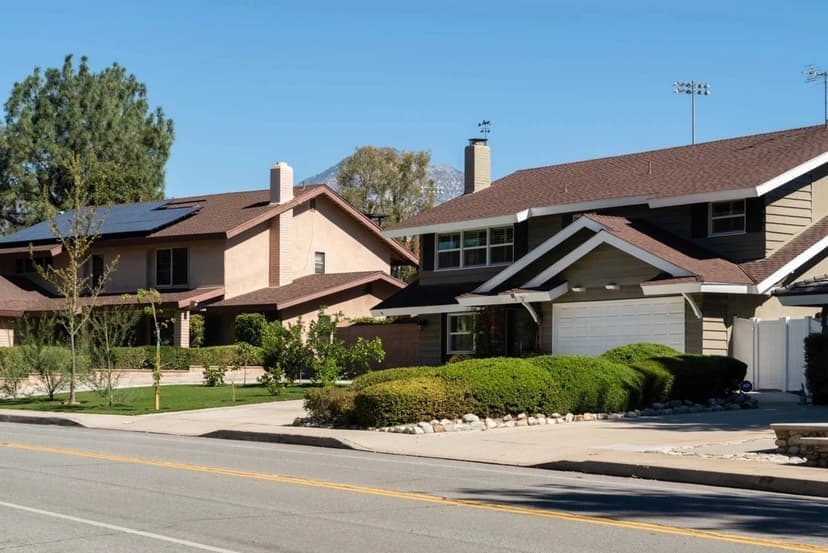
Count people. Not cars, people. Are they walking somewhere or standing and talking? Are the same faces out at more than one hour? Do dogs know each other?
A street with pedestrian traffic at all three hours is sociable almost regardless of who currently lives there, because the infrastructure keeps producing encounters. A street with none at any hour will require you to make your own social life from scratch.
The front-yard test
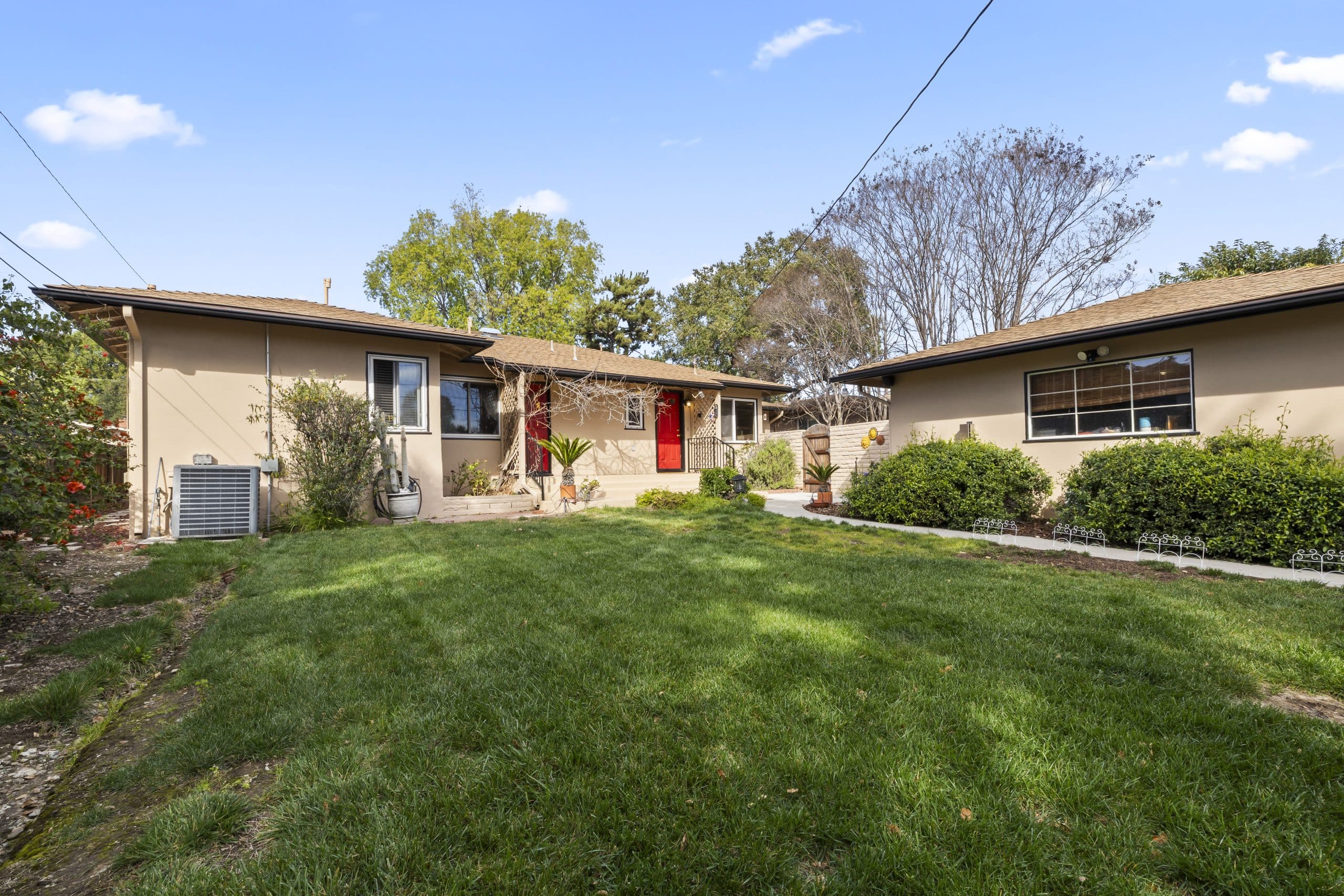
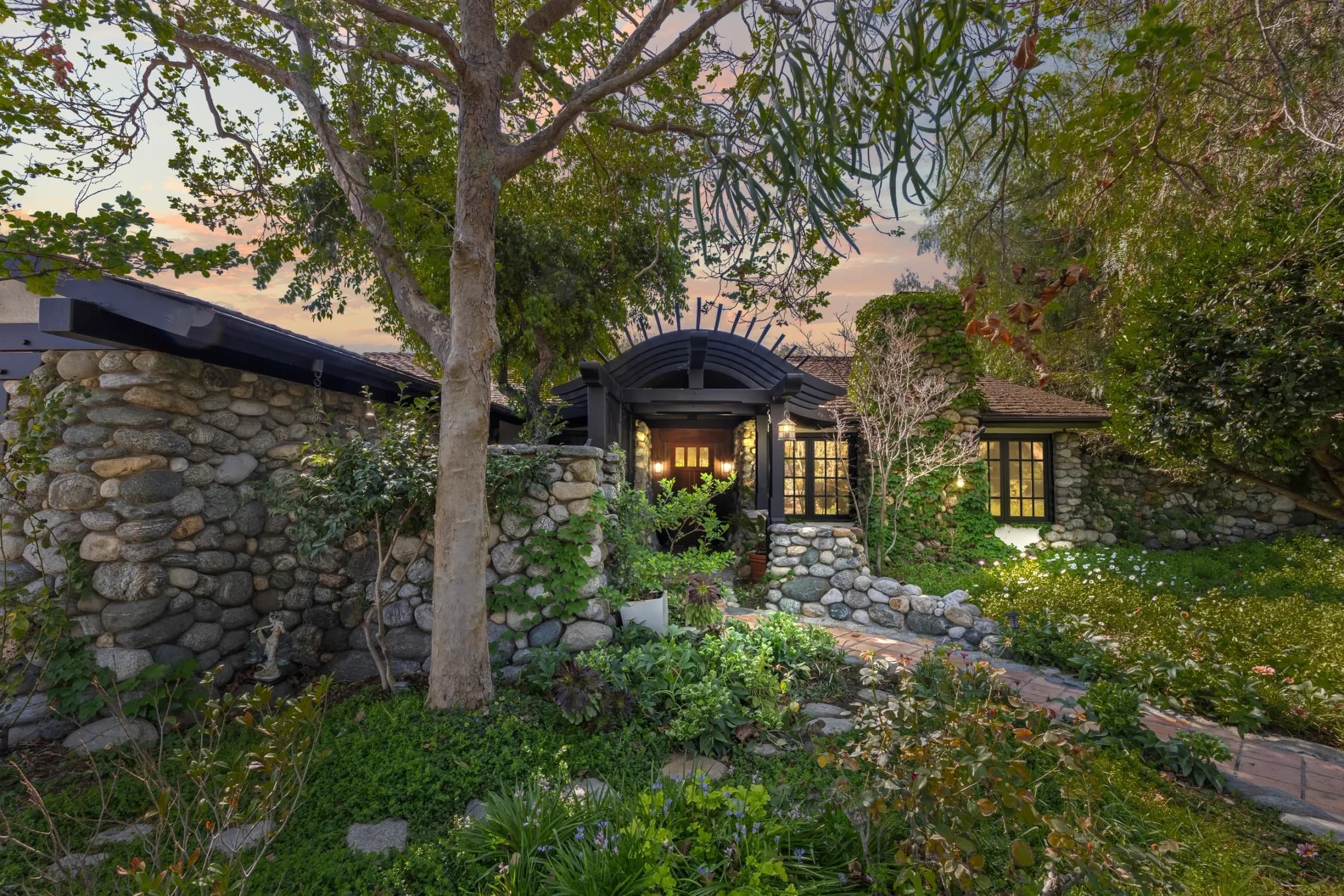
Look at where the outdoor furniture is. Front porches with actual chairs on them, used chairs with cushions that live outside, mean a street where people sit facing the road.
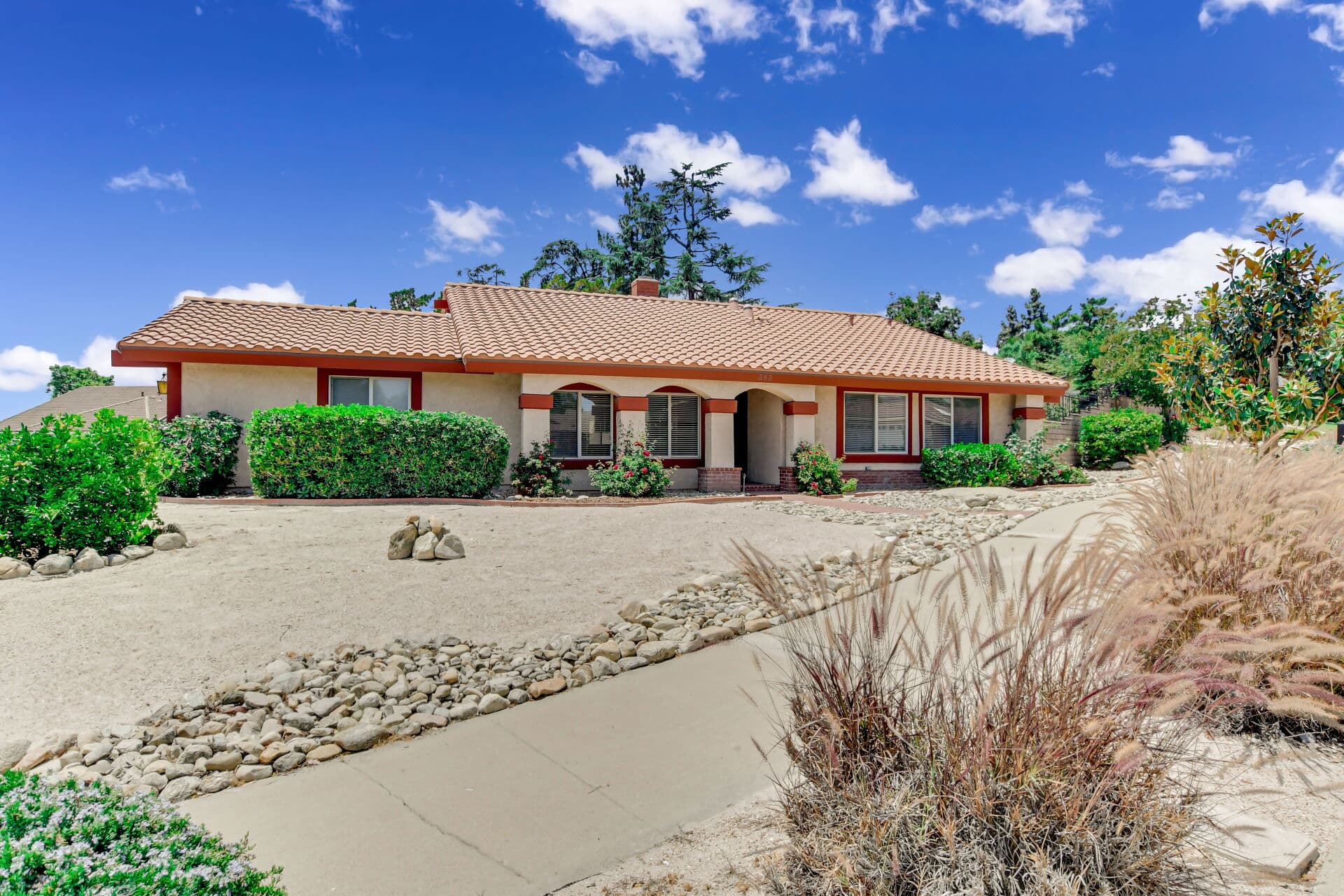
Blocks where all the seating is behind a fence tell you the same thing in reverse. That is not unfriendly, it is a different design of life, and older Claremont neighborhoods and newer ones tend to differ here.
Also look at the middle distance. Basketball hoops, chalk, a stack of folding tables in a carport, a shared little library. Those are traces of gatherings that already happen.
The walk-to test
From the front door, time the walk to the nearest thing worth walking to. A park. A coffee counter. A school. The edge of the Village.
Under about fifteen minutes and people actually do it. Beyond about twenty and the car wins on most days, whatever the intentions. That single number predicts more about a household's social life here than square footage does.
Claremont's walkable core is a real asset in this respect and it fades with distance in a way that is easy to measure and easy to underestimate from a map.
The public-space test
Spend an hour in the nearest park or plaza to the house you are considering, at the hour you would actually be there.
Who is there? Is it families, students, older residents, or nobody? A public space with a mixed crowd is a healthy one. A public space that is empty at the hour you would use it is not going to serve you, no matter how good it looks.
The town's long-running institutions, the farmers market chief among them, are useful for this because they draw a genuinely mixed crowd and they run all year. Standing in one for twenty minutes tells you more about who lives here than a demographic table will.
The neighbor question
Ask someone. Directly. Most people will answer honestly and the reluctance is almost always on the asker's side.
Good questions, in rough order of usefulness:
- How long have you been here?
- Do people on this street know each other?
- What is the worst week of the year on this block?
- Is there anything you wish you had known before you moved in?
The tenure answer matters most. A street where several households have been in place a long time is a street where the social fabric survived several turnovers, and that is a durable quality rather than a current mood.
What to weigh less than you think
A few signals that feel meaningful and mostly are not.
A neighborhood social media group
Online groups tell you who complains, not who gathers. They skew toward the least representative fraction of any street.
One friendly encounter
Meeting a nice person at a showing is pleasant and predicts nothing. So is meeting a curt one.
Event photos
Every town looks sociable on its best day. The ordinary day is the question.
Doing it in one weekend
If you have limited time, this is the compressed version.
Saturday morning, spend it at the town's main public gathering rather than at the house. Saturday afternoon, walk the candidate block. Saturday evening, come back after dark and see who is out.
Sunday morning, do the walk-to test with a stopwatch. Sunday afternoon, sit in the nearest park for an hour.
That is roughly six hours and it will tell you more than a month of listing photos. It also costs nothing but attention.
Where to go next
For how the town's public life is organized across a year, start with the Claremont local events guide. If you are arriving from out of the area, events that introduce you to Claremont is the fastest way in. And if you are timing showings around the town's busier weekends, read how event weekends affect Claremont open houses.
For dates, permits, and closures, use the City of Claremont's own calendar.
Anthony Grynchal has been licensed in California since November 2009.
Frequently asked questions
How can I tell if a Claremont street is sociable before I buy?
Walk it at three different hours and count people rather than cars, look for used outdoor seating facing the street, and time the walk to the nearest park, school, or coffee counter. Under about fifteen minutes and people actually make the trip.
Is it appropriate to knock on a neighbor's door before making an offer?
Most people answer willingly and appreciate being asked. Keep it short and specific: how long they have lived there, whether the street knows each other, and what the worst week of the year looks like on that block.
Does living closer to the Village guarantee a better social life?
It improves the odds because proximity produces unplanned encounters, but it does not replace personality or effort. Closer also means the parking and busy-weekend trade-offs are yours, so it is a choice rather than a free upgrade.
What is the single best hour to evaluate a neighborhood?
A weekday evening around dinner time. Weekend afternoons flatter every street; a plain Tuesday at six shows you whether people are actually outside, and whether the block feels lived-in or merely well kept.

Written by
Anthony Grynchal
Anthony Grynchal is a California real estate professional with eXp Realty, licensed since November 2009 (California DRE# 01873626), and the Designated Local Expert™ for Claremont — where he has lived for more than 33 years.
More about AnthonyPublished · Updated