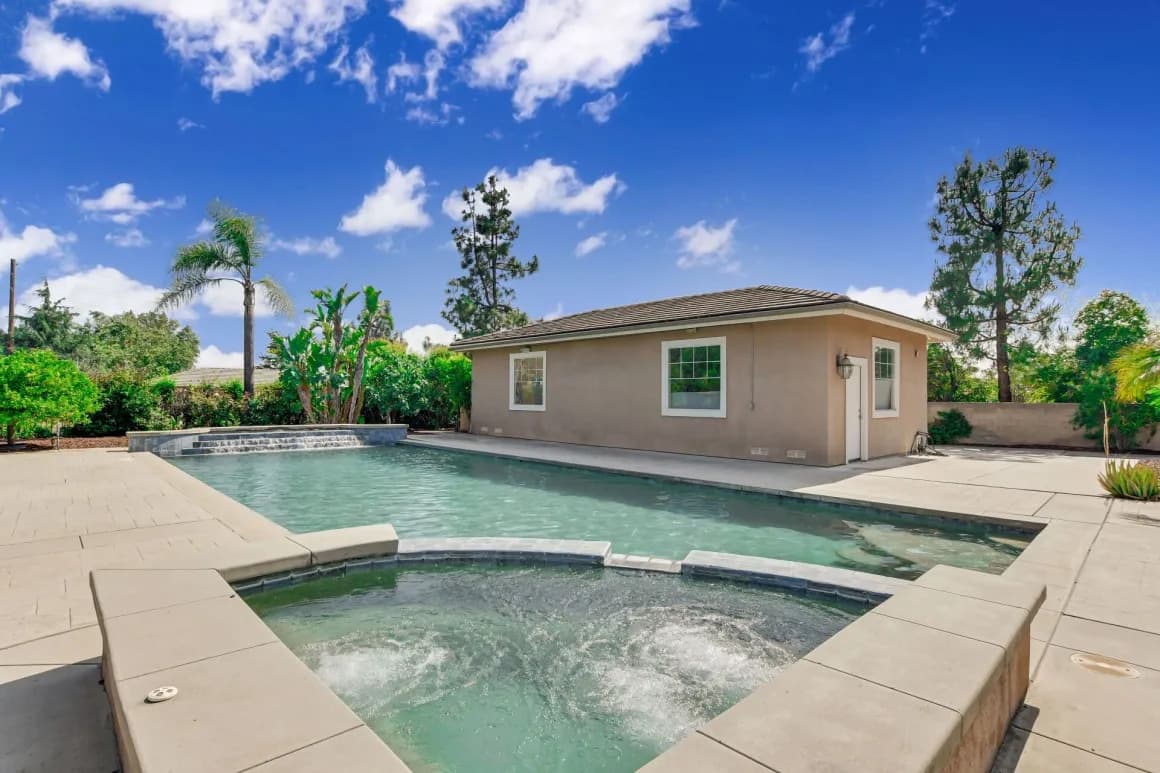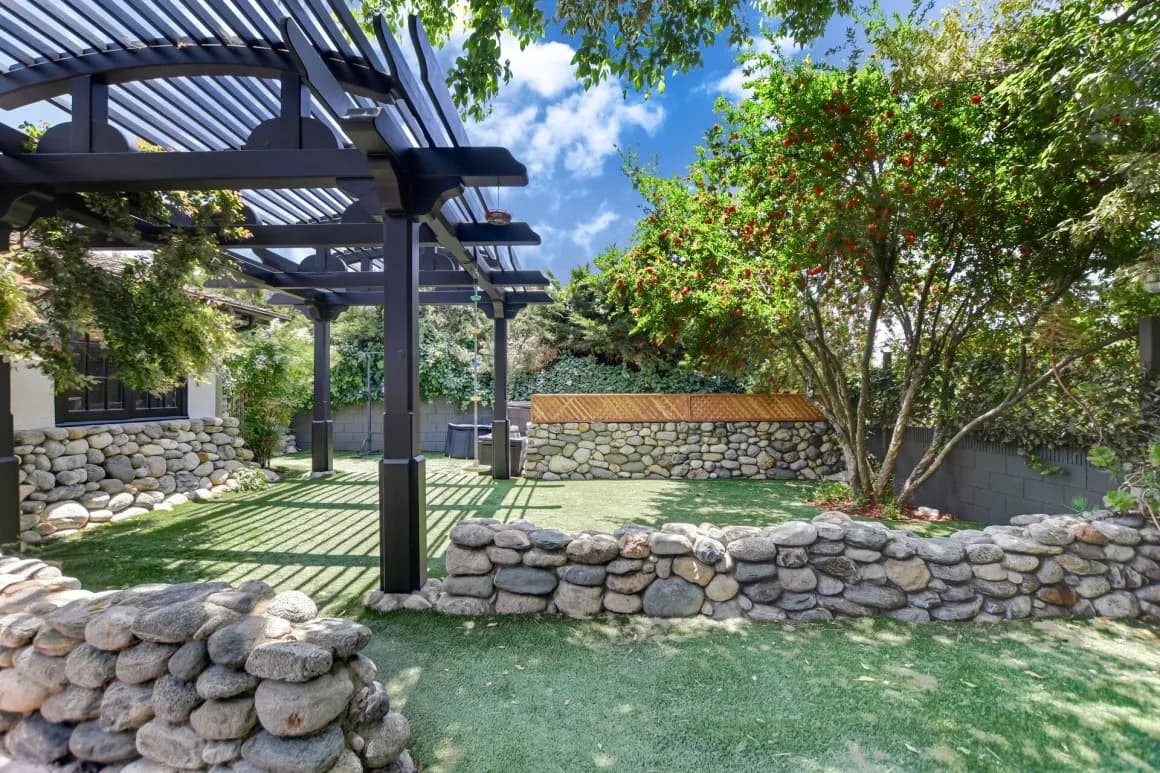
Sport courts, guest houses, poolhouses, workshops, wine rooms, detached studios. Once a Claremont property crosses into the top tier, it usually carries at least one structure or feature the ordinary market does not have to think about.
Buyers tend to treat these as pure upside. Sellers tend to treat them as a line item that should come back at resale. Both are usually wrong, and the reasons are worth understanding before an offer is written.
Amenities do not return their cost
Start with the honest general rule: a specialized amenity rarely returns what it cost to build. A court, a pool with elaborate hardscape, a purpose-built wine room — these are built by owners who want them, and they are valued by the next buyer according to whether that buyer wants them too.
The pool of buyers who specifically want a tennis court is smaller than the pool who want a large lot. So the court usually adds less than the land it occupies would suggest, and on some properties it subtracts, because the buyer sees a surface to resurface, fence, light and maintain — occupying ground they would rather use another way.
None of which means do not build one. It means build it because you want it, and value it at resale as what it is: a feature that will delight a narrow set of buyers and be neutral to negative for the rest.
The accessory dwelling question
The casita is the amenity where the money is real, because a legal, permitted second dwelling is a different asset from a room over a garage.
What matters is legal status, and it is not obvious from looking. A structure may be a permitted accessory dwelling unit with a kitchen and its own address, or a permitted guest quarters without cooking facilities, or a converted space that was never permitted at all. The three look similar and are worth very different amounts.
Verify with the city, from records, not from the seller's description or the listing remarks. Ask what was permitted, when, and whether the final inspection was signed off. An unpermitted conversion is not a disaster, but it is a negotiating item, an insurance question and potentially a future compliance cost, and the buyer should know which of those they are buying.
Where a structure is rented or intended to be, the rules governing that are a separate area with its own requirements, and both parties should confirm the current position rather than assume it.
How appraisers treat these features
An appraiser values a specialized amenity by finding sales of similar properties with and without it, then adjusting. In a low-turnover market of one-of-a-kind homes, those paired sales frequently do not exist, so the adjustment becomes a judgment call — and a conservative one, because unsupported adjustments are exactly what a review scrutinizes.
The practical consequence for a seller: do not expect the appraisal to carry the full amenity value the market may be willing to pay. The practical consequence for a buyer: an appraisal that treats the court as near-neutral is not evidence you overpaid, and it is not evidence you did not.
How that plays out in a financed purchase is the subject of pricing without perfect comps.
The diligence list, feature by feature
POOL AND SPA: age and type of surface, equipment age, heater, any auto-cover, safety features and whether they meet current requirements, and the condition of surrounding hardscape on a sloped site.
SPORT COURT: surface condition and drainage, fence and net hardware, lighting and whether it was permitted, and any restriction on hours or lighting from a governing document.
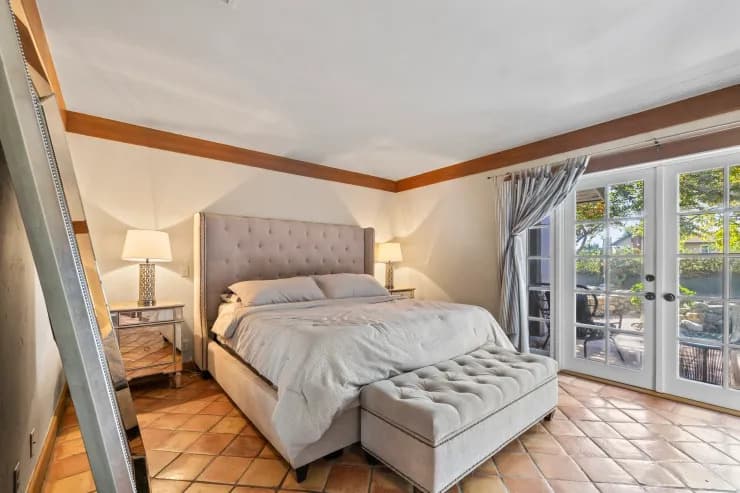
CASITA OR GUEST HOUSE: permit status as above, plus separate utility metering or the absence of it, plumbing and heating adequacy, and access arrangements.
WINE ROOM: it is a refrigeration system in a house. Cooling unit age, insulation and vapor barrier detail, condensate handling, and whether the installation was done in a way that will not damage adjacent framing.
OUTBUILDINGS AND WORKSHOPS: permits, electrical service, and whether the structure sits within setbacks.
DETACHED ANYTHING: how far the utilities run, and what condition they are in underground.
These specialty items sit beyond a general inspector's scope, which is why estate diligence is built differently; that whole subject is covered in inspecting a Claremont estate.
Insurance and carrying cost
Amenities show up on the insurance side in ways buyers frequently do not anticipate. Pools and sport courts can affect liability underwriting. A second dwelling may change how the policy is structured. Detached structures may need to be scheduled specifically.
Carrying cost is the other half. Every one of these features has a maintenance rhythm and a replacement horizon, and on a large property they stack. It is worth building an honest annual figure for the property you are considering, with your own contractors' input, rather than discovering it in the second year.
The seller's version of the same question
If you are preparing to sell, the question is not whether to add an amenity — building one to sell is almost always a loss — but whether to fix what you have.
Bring the existing features to good working order and DOCUMENT them. A pool with clear water, tidy equipment and a service record reads as a maintained asset. A court with visible cracking and dead lighting reads as a project the buyer has to price. The difference between those two impressions is usually maintenance money, not construction money.
The wider top-tier process is mapped on the Claremont luxury homes hub. Anthony Grynchal has been licensed in California since November 2009.
Frequently asked questions
Does a tennis court add value to a Claremont home?
It adds value only to the narrow set of buyers who want one. For others it reads as ground occupied by a surface they must resurface, fence, light and maintain, so it can be neutral or negative. Specialized amenities rarely return what they cost to build.
How do I know whether a casita is legal?
Verify with the city from permit records rather than the listing remarks. Ask what was permitted, when, and whether the final inspection was signed off. A permitted accessory dwelling, a permitted guest quarters without a kitchen, and an unpermitted conversion look alike and are worth very different amounts.
Why did the appraisal give little credit for the pool and court?
Appraisers value amenities by comparing sales with and without them. In a low-turnover market those paired sales often do not exist, so the adjustment becomes a conservative judgment call. It is not evidence about whether the buyer overpaid.
Should I add an amenity before selling?
Almost never. Building to sell tends to lose money. Repairing and documenting what already exists is the better spend: a pool with clear water, tidy equipment and a service record reads as maintained, while visible neglect reads as a project the buyer will price.

Written by
Anthony Grynchal
Anthony Grynchal is a California real estate professional with eXp Realty, licensed since November 2009 (California DRE# 01873626), and the Designated Local Expert™ for Claremont — where he has lived for more than 33 years.
More about AnthonyPublished · Updated