Most staging advice is written for a house with a small number of ordinary rooms, a buyer pool measured in dozens, and a weekend to make an impression. Almost none of that transfers cleanly to a large Claremont property.
The goal is the same — help a buyer understand the house — but nearly every mechanic changes. Here is what actually differs at the top, and what staging cannot do no matter how much of it you buy.
Scale is the first problem
Furniture that reads as generous in a standard living room disappears in a room built at estate proportions. Rented pieces from a general inventory frequently look undersized, and a room furnished too small makes the house feel oddly cheap — the opposite of the intended effect.
The practical consequences are logistical. Fewer stagers hold inventory at this scale, so lead times run longer. Access can be constrained by a narrow drive or a hillside approach. Large rooms often need lighting brought in, because fixtures sized for a magazine photograph are not what the room actually has.
Book the work early. A staging installation squeezed into the week before photography is how launch dates slip.
Editing beats adding
An occupied high-end home rarely suffers from too little furniture. It suffers from accumulation: art collected over decades, personal objects on every surface, rooms that have taken on a specific owner's habits.
The work is subtraction. Clear enough that the ARCHITECTURE reads — the ceiling height, the window wall, the way one room gives onto the next. What a buyer is being asked to value at this level is largely the building and its site, and those are exactly what clutter obscures.
Art needs its own decision. Significant pieces are frequently the best thing in a room, and stripping walls bare in the name of neutrality can be a real loss. But art is also the most personal thing in a house, and photographs of it circulate. Some owners remove or substitute for that reason alone, which is a reasonable call and belongs with the wider question of showing protocol covered in private showings and discretion.
The grounds are half the property
On a Claremont estate parcel, a buyer's impression begins at the street and often at the gate. Approach, drive, entry, the transition from public road to private ground — that sequence does more than any interior vignette.
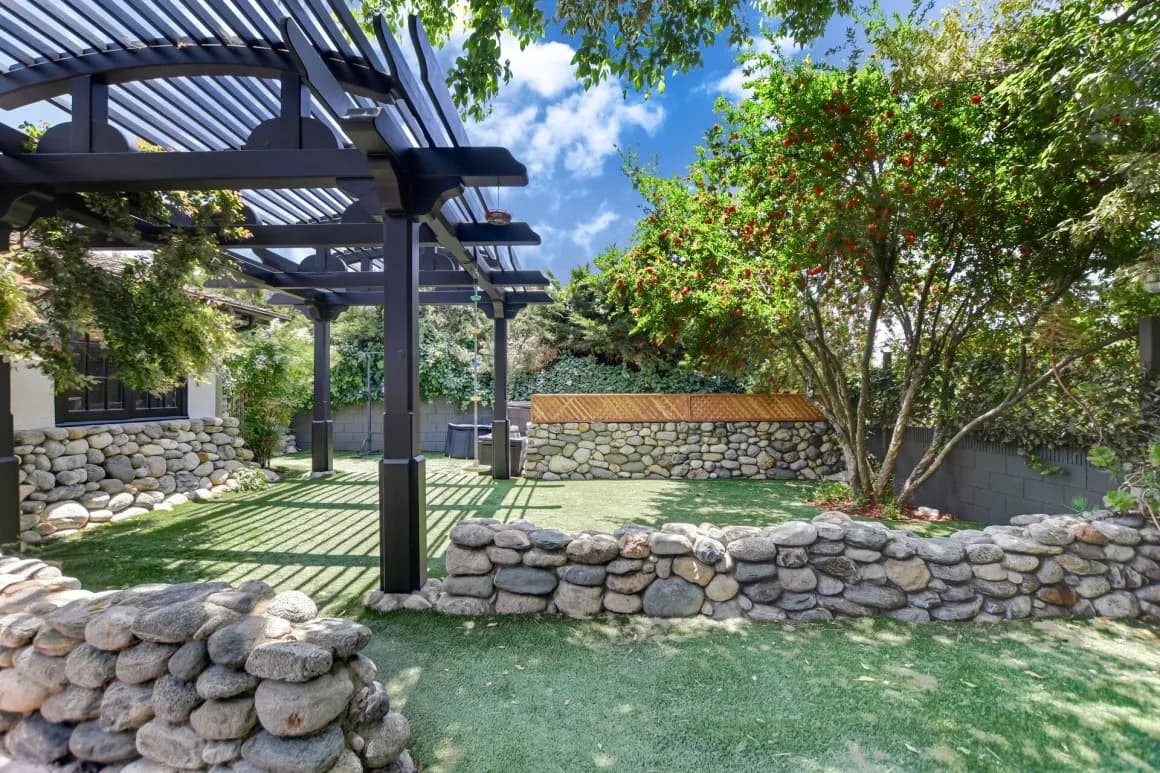
What pays: the hard edges. Clean drive and paths, straight gate operation, working exterior lighting, irrigation running properly, no visible failure in hardscape or retaining structures. Mature planting handled with restraint and shaped rather than sheared. Pool water clear and the equipment area tidy, because buyers read an untidy pool enclosure as deferred maintenance on the whole property.
What rarely pays: new planting installed weeks before listing. It reads as new, does not fill in, and the money almost always does more in cleanup and repair. The value of a mature landscape and how it is judged is a subject in itself, covered in Claremont luxury landscaping.
Vacant versus occupied
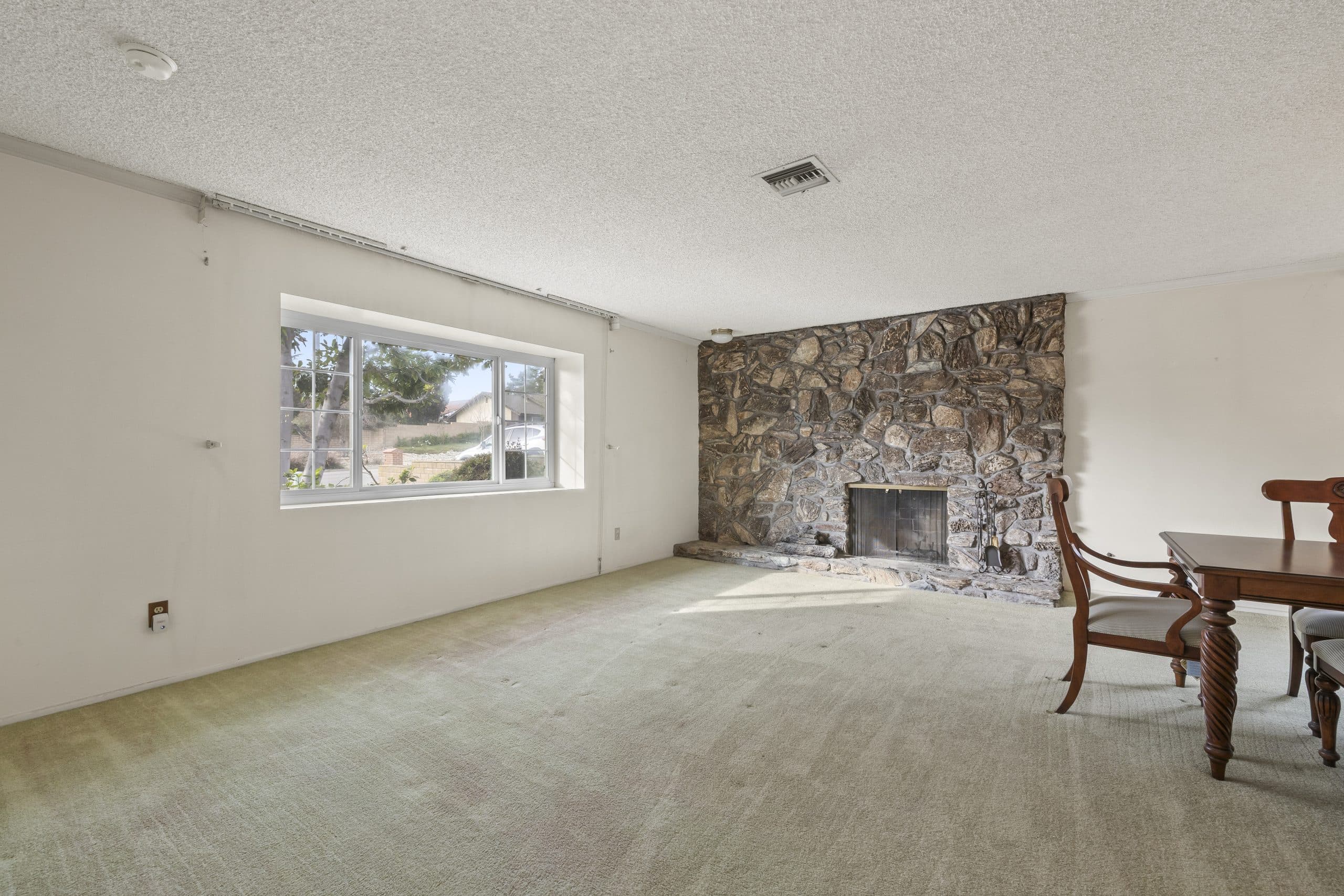
A vacant estate is difficult. Empty rooms at scale read as cold, distances are hard to judge, and small defects that furniture would hide become the visual subject. Vacant properties usually justify full staging simply to make the house legible.
An occupied estate presents the opposite problem: the house works beautifully for the way its owners live, which is not necessarily the way it photographs or shows. Partial staging — editing plus a few substituted pieces — often does more here than a full installation.
Either way, decide before photography. Reshooting a house is expensive, and a listing whose photographs do not match what a visitor walks into starts every showing at a deficit.
What staging cannot fix
This is the part worth saying plainly, because staging budgets at the top can get large enough to feel like a strategy.
Staging cannot fix a layout. If the primary suite is awkwardly placed or the kitchen sits at the wrong end of the house, furniture will not resolve it, and buyers see it in the first two minutes.
Staging cannot fix deferred maintenance. A roof at the end of its life, a failing retaining wall, systems past their service life — these surface in inspection regardless, and a beautifully dressed house that inspects badly produces a worse negotiation than an honestly presented one, because the buyer's trust takes the hit along with the estimate.
Staging cannot fix the price. A property positioned above what the market supports does not become correctly priced by looking better. It becomes a well-photographed listing that sits.
And staging cannot manufacture provenance. Where value rests on an architect's work, on history, or on the land itself, the job is documentation and clear sightlines, not decoration.
A workable sequence
Repairs and cleanup first, because everything else is dressing on top of them. Then editing, which costs almost nothing and does the most. Then lighting, inside and out. Then furnishing decisions, sized to the rooms. Then photography, once, with the house finished.
Set the budget against the property, not against a percentage rule someone quoted. On a large parcel, more of it usually belongs outdoors than sellers expect.
The full sale process for a significant property sits on the Claremont luxury homes hub, alongside marketing Claremont estates, which picks up where preparation ends. Anthony Grynchal has been licensed in California since November 2009.
Frequently asked questions
Does staging a luxury home actually matter?
It matters most where it makes the house legible: a vacant estate whose room sizes are hard to judge, or an occupied one where accumulated furnishings hide the architecture. It does not fix layout, deferred maintenance or price, and buying more staging will not change those.
Should an occupied estate be fully staged?
Usually not. Editing plus a few substituted pieces tends to do more than a full installation, because the existing furniture is often correctly scaled to the rooms. Vacant properties are the ones that generally justify full staging.
Should art stay on the walls for showings?
It depends on the owner's comfort. Significant pieces are frequently the best thing in a room and stripping walls bare can be a real loss. But art is personal and listing photographs circulate widely, so some owners remove or substitute for privacy reasons alone.
How much of a staging budget should go outside?
On a large Claremont parcel, more than most sellers expect. The approach, drive, gate, exterior lighting, irrigation and pool enclosure shape the first impression. Cleanup and repair outdoors almost always outperform new planting installed just before listing.

Written by
Anthony Grynchal
Anthony Grynchal is a California real estate professional with eXp Realty, licensed since November 2009 (California DRE# 01873626), and the Designated Local Expert™ for Claremont — where he has lived for more than 33 years.
More about AnthonyPublished · Updated