A standard home inspection is scoped for a standard house: one structure, visible and accessible systems, a few hours, one report. It is a genuinely useful product and it is not sufficient for a large Claremont property.
The gap is not the inspector's competence. It is scope. A general inspection is a visual survey of what can be reached, and an estate carries structures, systems and site conditions that fall outside what any general inspector is engaged to evaluate.
Planning for that gap is the difference between a diligence period that produces information and one that produces a surprise after closing.
Build the timeline first
Specialists have to be scheduled, and the good ones are booked out. Reports come back after the visit, not the same day, and a report frequently recommends a further investigation you then need time to run.
So an estate purchase needs a longer diligence window than a typical transaction, negotiated at offer rather than requested later. Buyers who accept a standard contingency period on a complex property spend the whole of it firefighting, and often end up choosing between waiving a contingency and losing the deal.
Order the general inspection immediately, then use its findings to direct the specialists. A capable general inspector's most valuable output on a large property is frequently the list of things someone else needs to look at.
The structures
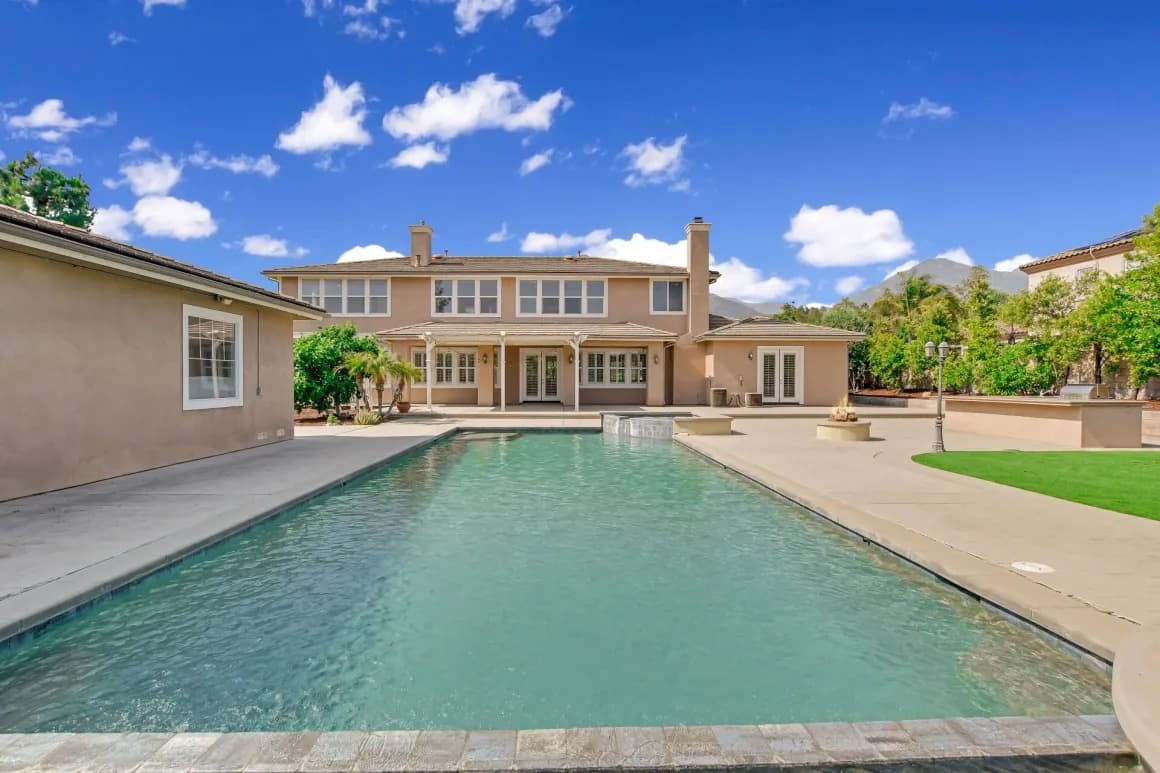
Each separate structure is its own inspection. A guest house, poolhouse, workshop or studio has its own roof, its own systems and its own condition, and none of it is covered by an inspection of the main house.
Permit status runs alongside. Pull the property's permit history from the city and compare it against what is physically standing. Where a structure or a conversion has no permit record, that is not automatically a deal problem, but it becomes a negotiating item, a possible insurance question and a potential cost the moment any future permit is pulled. The detail on accessory structures specifically is in tennis courts, casitas and Claremont amenities.
Older estates frequently carry additions built in earlier eras. Those are worth structural attention, particularly where a roofline changes, a floor level steps, or a wing was added over what used to be outdoor space.
The site is the part people skip
On a foothill parcel the ground matters as much as the house.
DRAINAGE. Where does water go in a heavy season? Look for signs of past flow: erosion channels, silt lines, patched hardscape, repairs at the base of walls. Drainage problems on a slope are expensive and they get worse.
RETAINING WALLS. Age, construction type, drainage behind them, any lean, crack pattern or displacement. A failing retaining wall is a major cost and can be an engineering project rather than a repair.
SLOPE AND SOIL. Where there is visible movement, settlement or prior repair, a geotechnical opinion is warranted. This is the report buyers most often skip and most often wish they had.
TREES. Large mature trees near structures need an arborist's view: health, structural condition, root activity near foundations and hardscape, and proximity to roofs. Removal of significant trees may be regulated, so a hazardous tree is not always a simple decision. The value side of that is covered in Claremont luxury landscaping.
ACCESS. Long drives, gates and bridges are property elements with their own condition and maintenance, and shared access carries recorded rights and obligations that belong in the title review.
Systems at estate scale
SEWER OR SEPTIC. A camera inspection of the main line is standard practice and even more warranted on an older property with mature trees. Where a property is on septic, the system needs its own specialist evaluation of tank, leach field and capacity.
WATER. If any part of the property is served by a well, or by irrigation from a source other than the municipal supply, that system needs a specific evaluation, and the rights attached to it need review with the title work.
ELECTRICAL. Large properties frequently have panels, subpanels and outbuilding feeds added over decades. Capacity, condition and permit status all matter, particularly where a buyer intends to add vehicle charging, a pool heater or a workshop load.
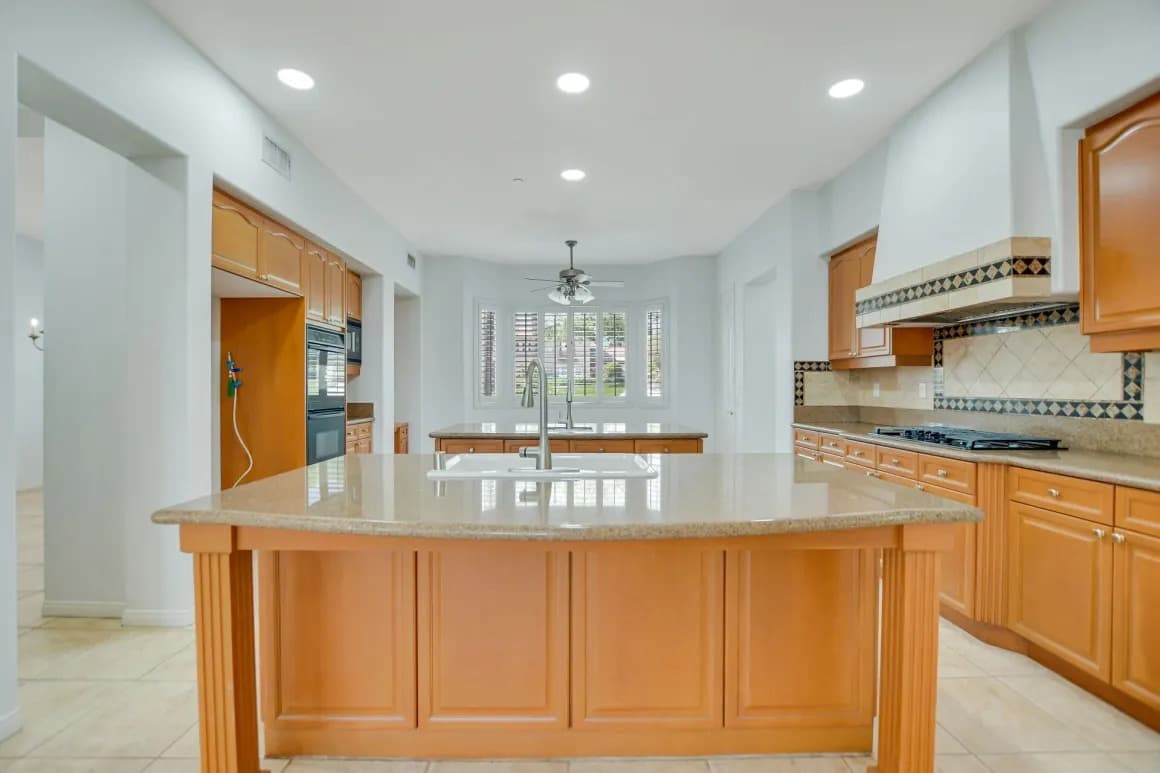
HVAC. Multiple systems of different ages, zoning that may or may not work as intended, and ductwork in spaces that have not been looked at in years.
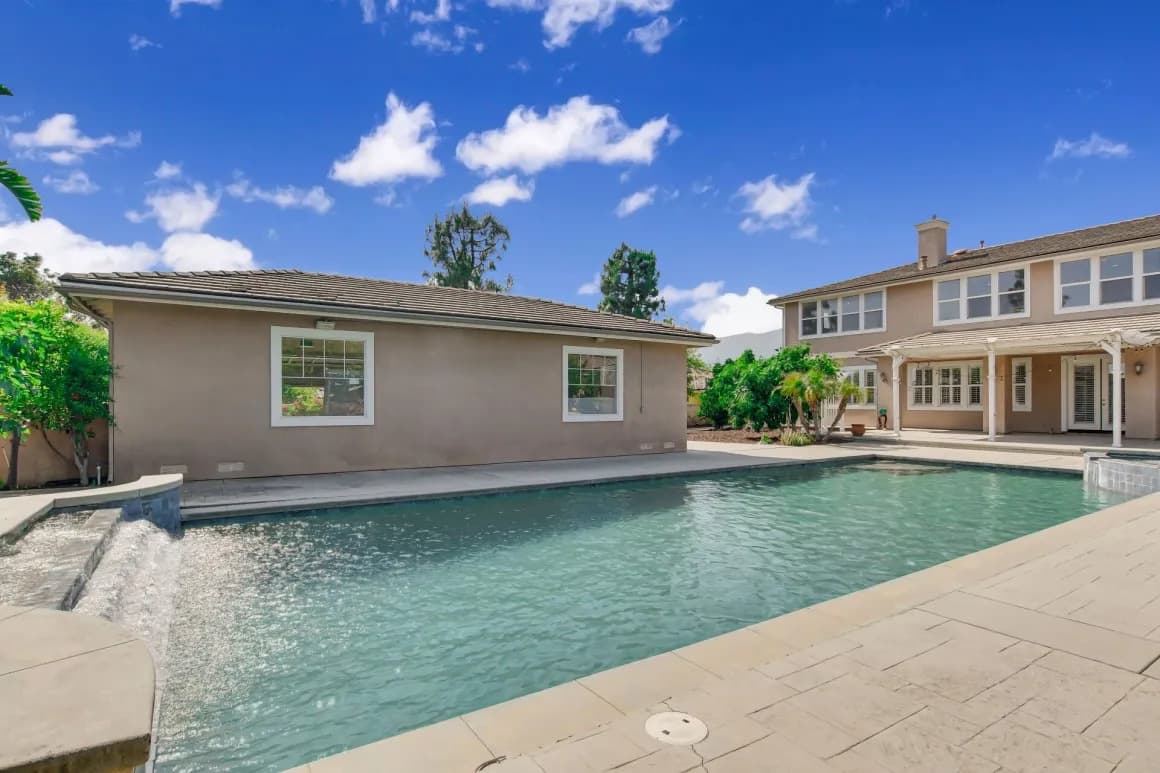
POOL AND SPA. Surface, structure, equipment, heater and safety features, evaluated by a pool specialist rather than glanced at.
SPECIALTY. Wine room refrigeration, elevators, generators, water treatment, home automation — each is a trade of its own, and each is a system that will need service.
Reading the reports without panicking
A thorough estate diligence file will be long, and length is not the same as severity. Sort what comes back into three buckets.
STRUCTURAL AND SITE issues, which are expensive, sometimes open-ended, and the ones worth taking seriously.
SYSTEMS AT END OF LIFE, which are quantifiable. Get real numbers from your own contractors rather than from the report's estimates, and treat them as a known future cost.
MAINTENANCE, which on a large property will always be a long list and is mostly the cost of owning it.
Then decide what you are asking for. On a one-of-a-kind property a seller may reasonably decline a long repair list, and a price adjustment or a credit is frequently the cleaner path for both sides.
What none of this supports is walking away from a strong property because the report was thick. Every large older house produces a thick report. The question is what is in it.
The wider top-tier process is mapped on the Claremont luxury homes hub. Anthony Grynchal has been licensed in California since November 2009.
Frequently asked questions
Is a standard home inspection enough for a Claremont estate?
No. A general inspection is a visual survey of accessible systems in one structure. An estate typically needs separate inspections for each additional structure plus specialists for sewer or septic, pool, drainage, retaining walls, trees and any unusual systems.
How long should the inspection period be on a large property?
Longer than a standard transaction, and negotiated at offer rather than requested later. Specialists are booked out, reports arrive after the visit, and a report often recommends a further investigation. A standard window on a complex property leaves no room to act on findings.
Which estate inspection do buyers most often skip?
A geotechnical opinion where there is visible slope movement, settlement or prior repair, and a proper look at drainage and retaining walls on hillside parcels. These are the site conditions that are most expensive to correct and most likely to worsen.
Should a buyer ask a luxury seller to complete a long repair list?
Often a price adjustment or credit is cleaner for both sides. On a one-of-a-kind property a seller may reasonably decline the repair list. Sort the findings into structural and site issues, systems at end of life, and ordinary maintenance before deciding what to ask for.

Written by
Anthony Grynchal
Anthony Grynchal is a California real estate professional with eXp Realty, licensed since November 2009 (California DRE# 01873626), and the Designated Local Expert™ for Claremont — where he has lived for more than 33 years.
More about AnthonyPublished · Updated