
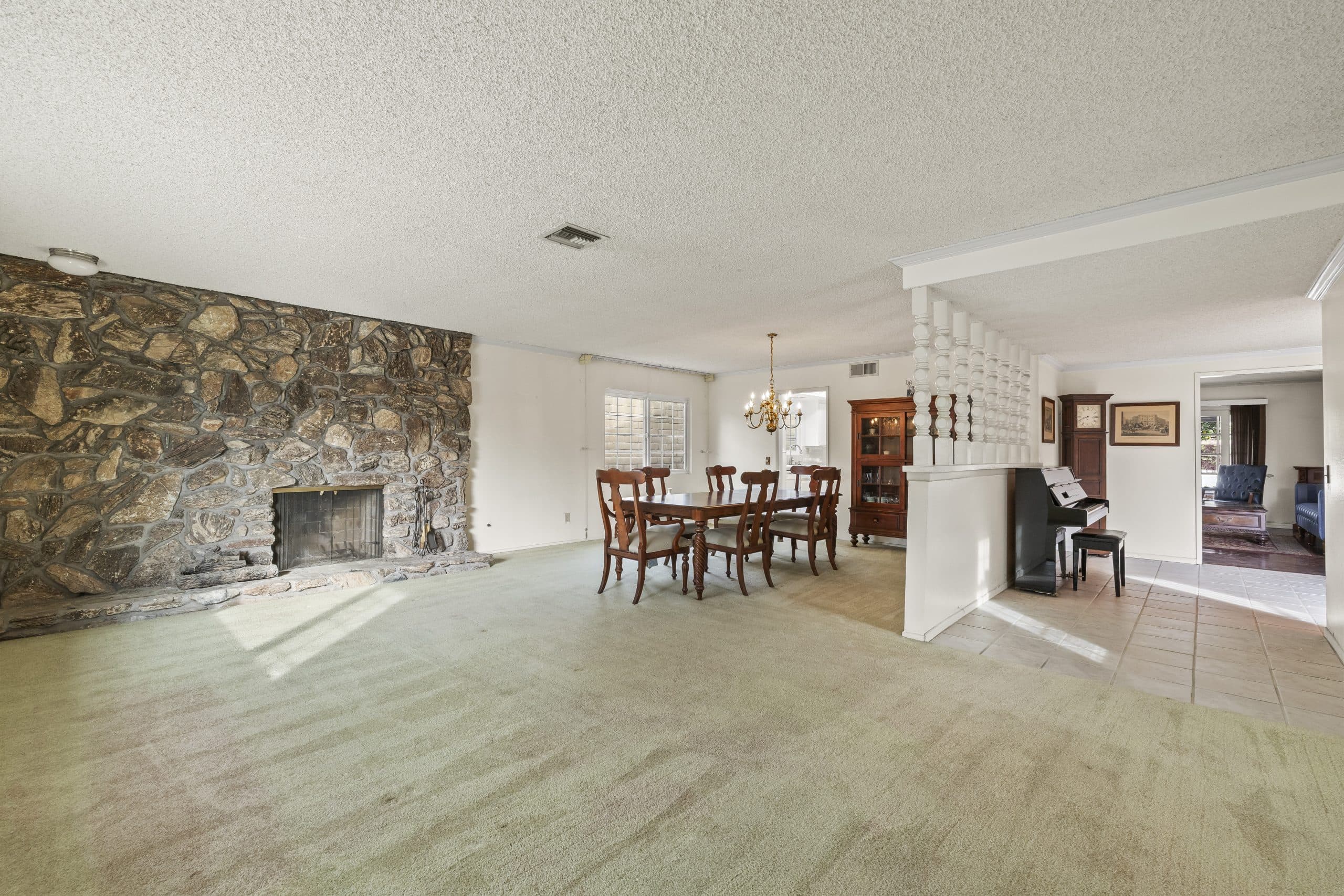
Orders arrive and the household faces a fork that gets far less thought than it deserves: sell the house, or keep it and rent it out. The second option is frequently chosen by default — the market feels wrong, the timing is tight, a tenant seems easier than a sale — and default is the wrong reason to become a landlord from another time zone.
This article lays out what the decision actually involves. It is general information rather than legal, tax, or lending advice; California and local rules governing residential tenancies are detailed, they change, and a landlord should have their own counsel and tax professional.
The decision is about role, not just money
Selling ends the relationship with the property. Renting converts it into a small business you will operate remotely, in a state with substantial tenant-protection law, while doing a demanding job elsewhere. That is a legitimate choice made by many households, and it is a poor accidental one.
The honest questions are these. Can the household absorb a stretch with no rent coming in and the mortgage still due? Is there a reserve for a failed water heater, a roof section, a plumbing repair in an older Claremont home? Who will physically respond when something happens on a weeknight? Is the household prepared to enforce a lease, including in the situation nobody plans for, from a distance?
If the answer to any of those is uncomfortable, selling is not a defeat. The selling guide covers that path, and the timing question is an ordinary one rather than a special military one.
The financing question comes first
If the home was purchased with a VA loan, keeping it while buying another has consequences for entitlement that are individual and that only the Department of Veterans Affairs and your lender can resolve for your file. Do not plan a two-property future on an assumption. Ask the question before the orders window closes, because the answer shapes what is possible at the new duty station.
Your loan servicer should also be told what is happening. Occupancy expectations and what a change in occupancy means for a specific loan are matters for the lender rather than for an article, and the sequence matters: the financing conversation happens before the rental listing, not after. Buyers relocating on the other end of this should read the PCS playbook alongside it.
What a distance landlord has to put in place
Four things, none of which can be improvised later.
- MANAGEMENT. Either a professional manager or a genuinely committed local person with authority to act. A friend who agreed to keep an eye on it is not management, and the gap surfaces on the worst possible day.
- INSURANCE. A policy written for an owner-occupied home is not the same as one written for a rental. Tell the insurer what the property is actually being used for, before a tenant moves in.
- COMPLIANCE. Residential tenancies in California are governed in detail — the notices, the deposit handling, the required disclosures, the entry rules, and in many places local ordinances layered on top. A landlord who learns the rules after a dispute begins is a landlord losing that dispute.
- ACCOUNTING. Rental income and expenses have tax consequences and they need a paper trail from the first month. Set it up before the first payment arrives, not the following spring.
Preparing an older Claremont home for tenancy
Claremont's housing stock is largely older, and the maintenance profile of an older house is precisely the profile a distance landlord finds hardest. Systems fail without warning, trees drop limbs, and small water problems become large ones while nobody is looking.
The practical answer is to spend money on the boring items before leaving. Address the safety items, deal with a system that is visibly near the end of its life, document the property's condition thoroughly at move-in, and keep the improvement and permit file organised — the same file that makes the property easy to sell later. The home maintenance guide covers the seasonal picture; the difference for a landlord is that deferred maintenance becomes an emergency call rather than a weekend task.
One more item belongs on that list before a tenant is placed: a written record of who does what. A distance landlord, a manager, and sometimes a family member all end up touching the property, and the boundaries between them should be on paper rather than assumed.
Screening, and the discipline it requires
Tenant selection is the single decision with the largest effect on the outcome, and it must be conducted lawfully. Fair housing law applies fully to a small landlord, and the criteria used should be written down, applied consistently to every applicant, and documented. Consistency is both the legal requirement and the practical protection.
Resist the urge to shortcut screening because a departure date is close. A vacancy is inconvenient; the wrong tenancy is expensive and hard to unwind from far away.
The exit, planned in advance
Decide now what the end looks like. Is this a property held for a defined tour and then sold, or a long-term hold? The answer changes what is worth spending on, how the lease should be structured, and whether the household should be building toward a sale in a particular season. A property kept without a plan tends to be sold eventually under pressure, which is the same failure the whole exercise was meant to avoid.
The rest of the cluster — eligibility, the appraisal, the remote-signing arrangements covered in the remote-closing guide — sits under the VA and military buyer guide.
Anthony Grynchal has been licensed in California since November 2009.
Frequently asked questions
Is keeping a home and renting it out after orders a good idea?
It can be, but it is a business decision rather than a default. The household should be able to absorb a vacancy with the mortgage still due, hold a reserve for major repairs, and enforce a lease from a distance before choosing that path.
Does renting out a VA-financed home affect future entitlement?
It can, and the effect is individual. Only the Department of Veterans Affairs and your lender can resolve it for your specific file, so ask before the orders window closes because the answer shapes what is possible at the next duty station.
What must a distance landlord set up first?
Real management rather than a friend keeping an eye on it, insurance written for a rental rather than an owner-occupied home, compliance with California tenancy rules and any local ordinances, and accounting from the first month.
What makes an older Claremont home harder to rent remotely?
Older systems fail without warning and small water problems grow while nobody is looking. Spend on the unglamorous items before leaving, document condition thoroughly at move-in, and keep the improvement and permit file organised.

Written by
Anthony Grynchal
Anthony Grynchal is a California real estate professional with eXp Realty, licensed since November 2009 (California DRE# 01873626), and the Designated Local Expert™ for Claremont — where he has lived for more than 33 years.
More about AnthonyPublished · Updated