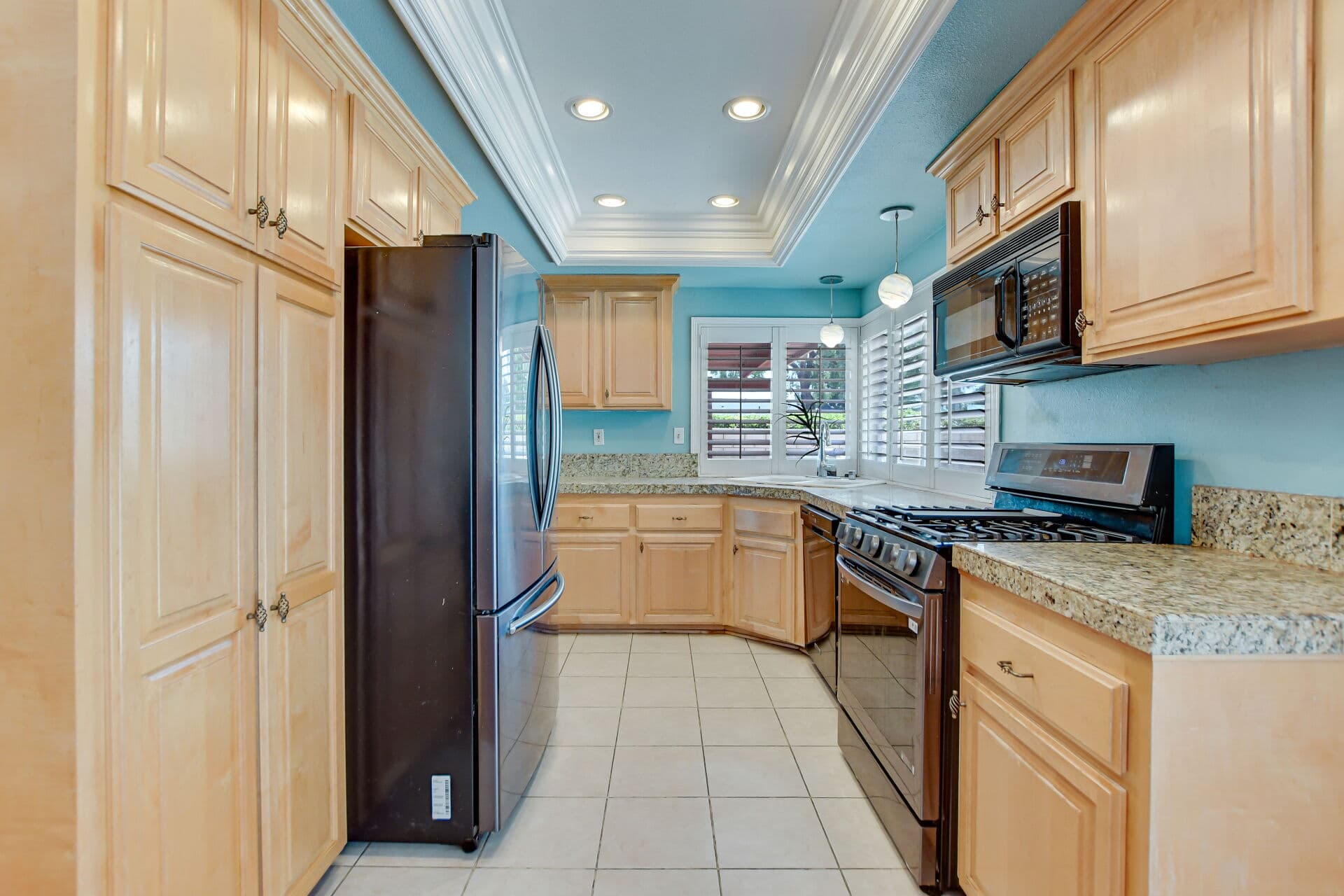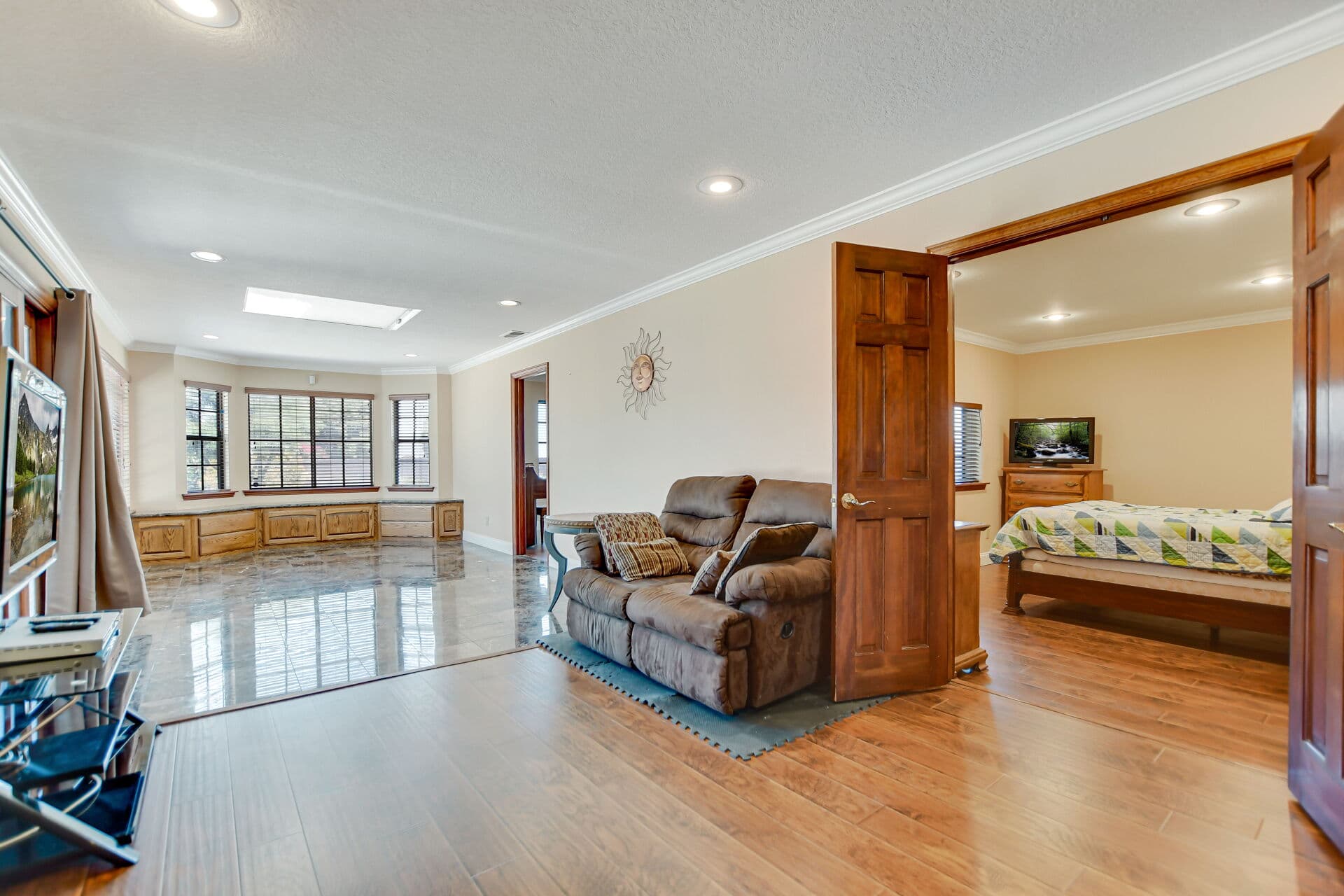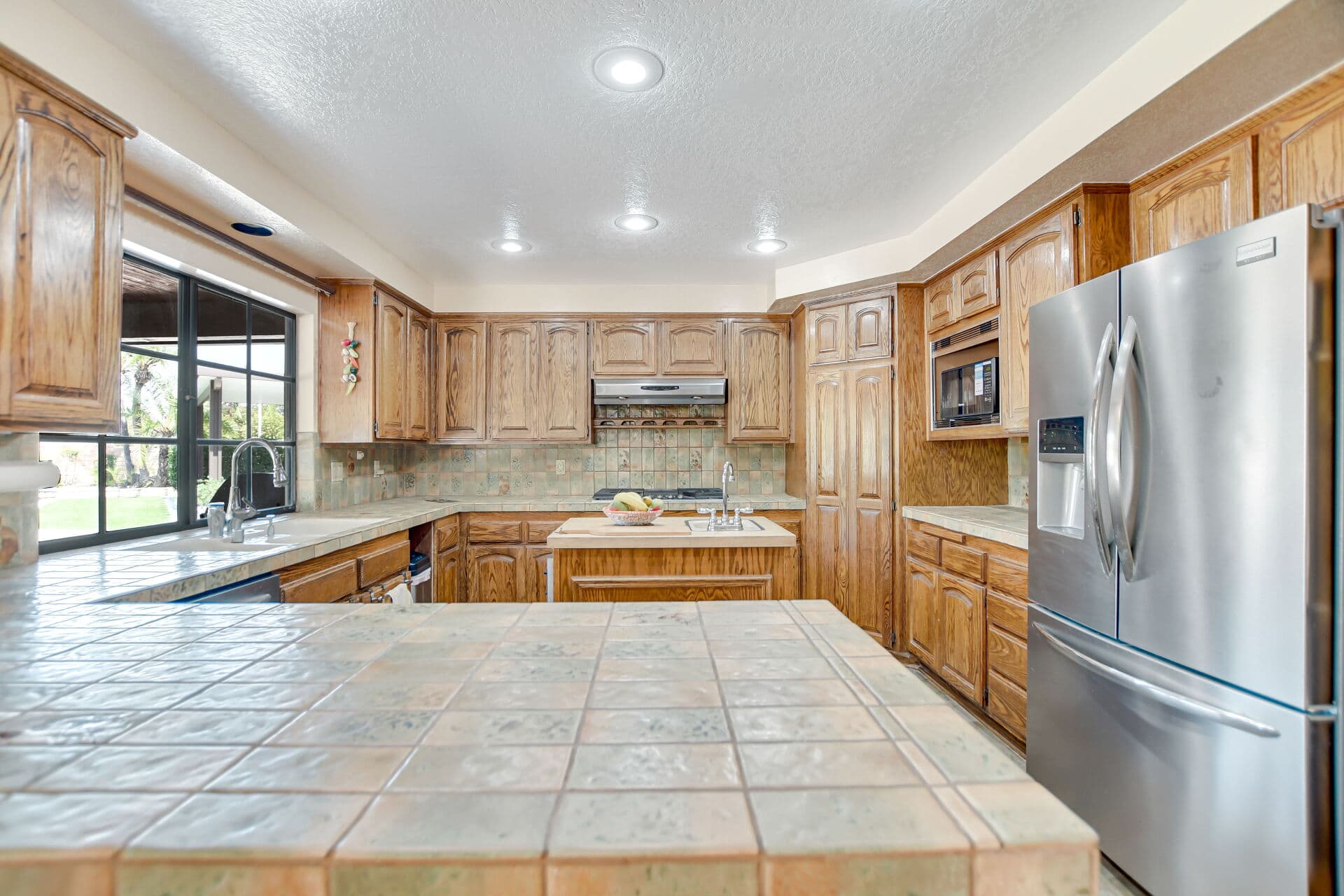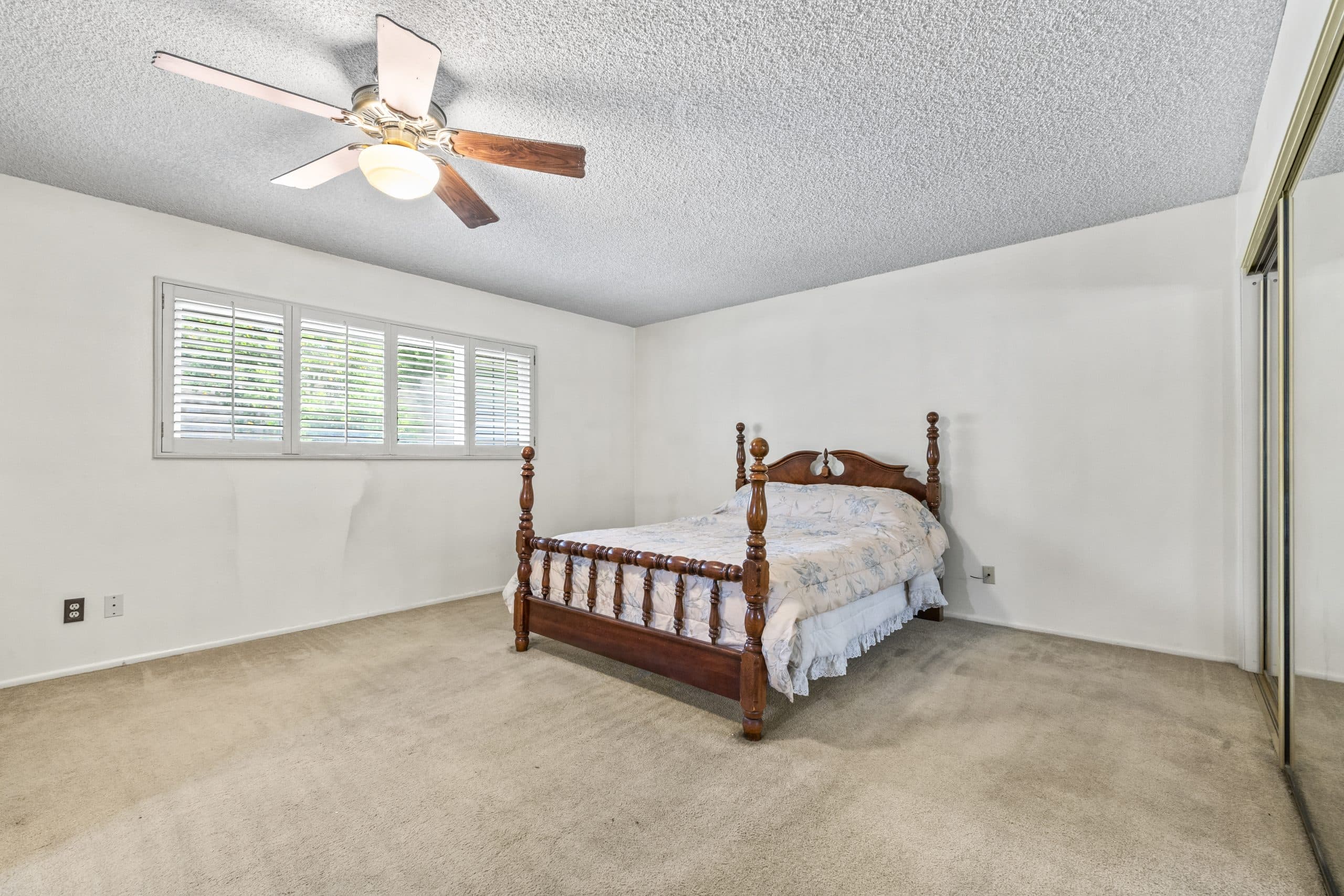
The cleaning happens at the worst possible moment. The truck has gone, the house is echoing, everyone is tired, and there is a key handover on the calendar. It is also the moment with a direct financial consequence attached, which makes it the wrong place to improvise.
Clean an empty house and it takes a fraction of the time it would have taken full. That is the one genuine advantage of doing this last, and it only pays off if the sequence is planned. This guide covers the order that works, the two different standards you may be cleaning to, and how to close the job so it is not reopened. It sits under the broader Claremont moving guide.
Two different jobs wearing the same name
A sale and a lease are not the same finish, and confusing them is how people either overspend or come up short.
A LEASE move-out is measured against a document. The lease itself, the move-in condition report, and California's rules on security deposits and normal wear and tear decide what you owe, and the standard is a return to the documented starting condition rather than perfection. Read your own lease before you buy anything; the deposit mechanics are covered in the rental move-out guide.
A SALE move-out is measured against a contract and a walkthrough. Purchase agreements commonly call for the property to be delivered broom-clean and empty of personal property and debris, and the buyer's final walkthrough is where that is checked. What that phrase means in your transaction is in your contract, and it is worth reading the actual sentence rather than relying on the general expectation.
The sequence that saves a day
Cleaning is a top-down, back-to-front problem, and every hour lost is an hour spent redoing something.
- Empty completely first. Nothing gets cleaned around. The garage, the shed, the attic, the side yard, and the one closet everyone forgets. A half-empty room cannot be finished.
- Dust and cobwebs from the ceiling down. Fans, vents, light fixtures, tops of doors, corners. Doing this after the floors is the classic wasted afternoon.
- Interiors of everything that opens. Cabinets, drawers, the oven, the refrigerator, the dishwasher filter, the medicine cabinet. Empty is not clean.
- Wet surfaces. Bathrooms and kitchen, hard surfaces, appliance exteriors, switch plates and door handles.
- Windows, tracks, and screens. The tracks are where the effort shows.
- Floors last, working toward the door. Then out, and stay out.
The garage tends to be the item that breaks the plan, because it is full of the things that were never going to be packed and were never going to move: paint, solvents, fuel, old chemicals. A crew will not carry most of that, and neither will a storage facility take it. Sorting the disposal route for those items is its own errand and it wants to happen days before the cleaning, not during it.
The spots that decide the walkthrough
An empty house hides nothing, and a walkthrough tends to land on the same handful of places every time.
- Behind and under where the refrigerator and range stood.
- Inside the oven, and the vent hood filter above it.
- The tracks of sliding doors and windows.
- Baseboards and the wall marks furniture was hiding.
- Bathroom exhaust vents and the grout line at the tub.
- The dryer vent and the space behind the washer.
- Light fixtures and every burnt-out bulb in the house.
Marks left by furniture and by the move itself are worth a separate pass. Wall scuffs from a sofa going around a corner are a normal part of a moving day and they are also the first thing a walkthrough sees.
Doing it yourself, or hiring it
There is no universal answer, and the honest way to decide is by time rather than by pride. An empty house is a known quantity: walk it, estimate the hours, and compare that against what else those hours have to cover in the same week. Households running a same-week close, or moving out of a lease with a deposit at stake and a documented condition report to answer to, are the usual candidates for hiring it out.
If you hire, get the scope in writing and be specific about the items on the list above, particularly appliance interiors and window tracks, which are the usual exclusions. If you do it yourself, do it in daylight; almost everything a walkthrough catches is visible in daylight and invisible at nine at night with a phone flashlight.
Close the job with a record
When the house is finished and still empty, photograph every room, every appliance interior, the garage, and the exterior. Date-stamped photographs of an empty clean house are the cheapest insurance in the entire move, and they answer the question that arrives a week later far better than anyone's memory does.
This is the same discipline that makes a photographic record of the household worth building before the truck loads, described in the photo inventory guide. Then hand over the keys, the remotes, the garage openers, the mailbox key, the pool key, and the appliance manuals in one labeled place rather than in four texts over the following month, and confirm the utility transfer dates line up with the handover date rather than with your last night in the house.
Anthony Grynchal has been licensed in California since November 2009. The move-outs that go smoothly tend to share one habit: the cleaning was a scheduled task with an owner and a date, rather than the thing that was going to happen after everything else. This is general information; your specific standard lives in your lease or your purchase contract.
Frequently asked questions
What does broom-clean actually mean for a home sale?
It generally means the property is delivered empty of personal property and debris, with floors swept and surfaces free of leftover mess, rather than professionally detailed. The operative language is in your purchase contract, so read the actual sentence, because the buyer's final walkthrough is measured against that and not against a general expectation.
Should I hire a move-out cleaner or do it myself?
Decide by available hours rather than by pride. Walk the empty house, estimate the time honestly, and compare it against everything else that week. Households running a same-week close, or leaving a lease with a deposit and a documented condition report at stake, are the usual candidates for hiring it out with a written scope.
What gets missed most often on a move-out clean?
Behind and under the refrigerator and range, oven interiors and vent hood filters, sliding door and window tracks, baseboards and the wall marks furniture was hiding, bathroom exhaust vents, the dryer vent, and burnt-out bulbs. Do a daylight walk before you finish, since nearly all of it is invisible under a phone flashlight.
How do I prove the house was left clean?
Photograph every room, appliance interior, the garage, and the exterior once the house is empty and finished, so the images are dated. That record answers a dispute a week later far better than anyone's recollection, and it takes ten minutes at the point when the house is at its most photogenic.

Written by
Anthony Grynchal
Anthony Grynchal is a California real estate professional with eXp Realty, licensed since November 2009 (California DRE# 01873626), and the Designated Local Expert™ for Claremont — where he has lived for more than 33 years.
More about AnthonyPublished · Updated