Sometimes the move cannot wait for the sale. A job starts, a lease ends, a purchase closes on the other end, and the household leaves a Claremont home that is still listed and still being shown.
That is a normal situation and a manageable one, but it changes several things at once: how the property shows, how it is insured, how it is maintained, and who is responsible for a house nobody is living in. This article covers the operational side of leaving early. Whether to list before or after moving is a strategy question that belongs with your agent and the selling guide. It sits under the broader Claremont moving guide.
Tell your insurer before you leave, not after
This is the item most likely to be missed and the one with the largest consequence.
Homeowners policies commonly treat an unoccupied or vacant property differently from an occupied one, and coverage can be restricted or affected once a home has been empty for a period defined in the policy. The specifics vary by policy and by carrier, so this is not something to reason about generally. Call your insurer, tell them the house will be empty and for roughly how long, and ask directly what changes and what, if anything, you need to add. Do this before the truck arrives rather than after a problem.
An empty house shows differently
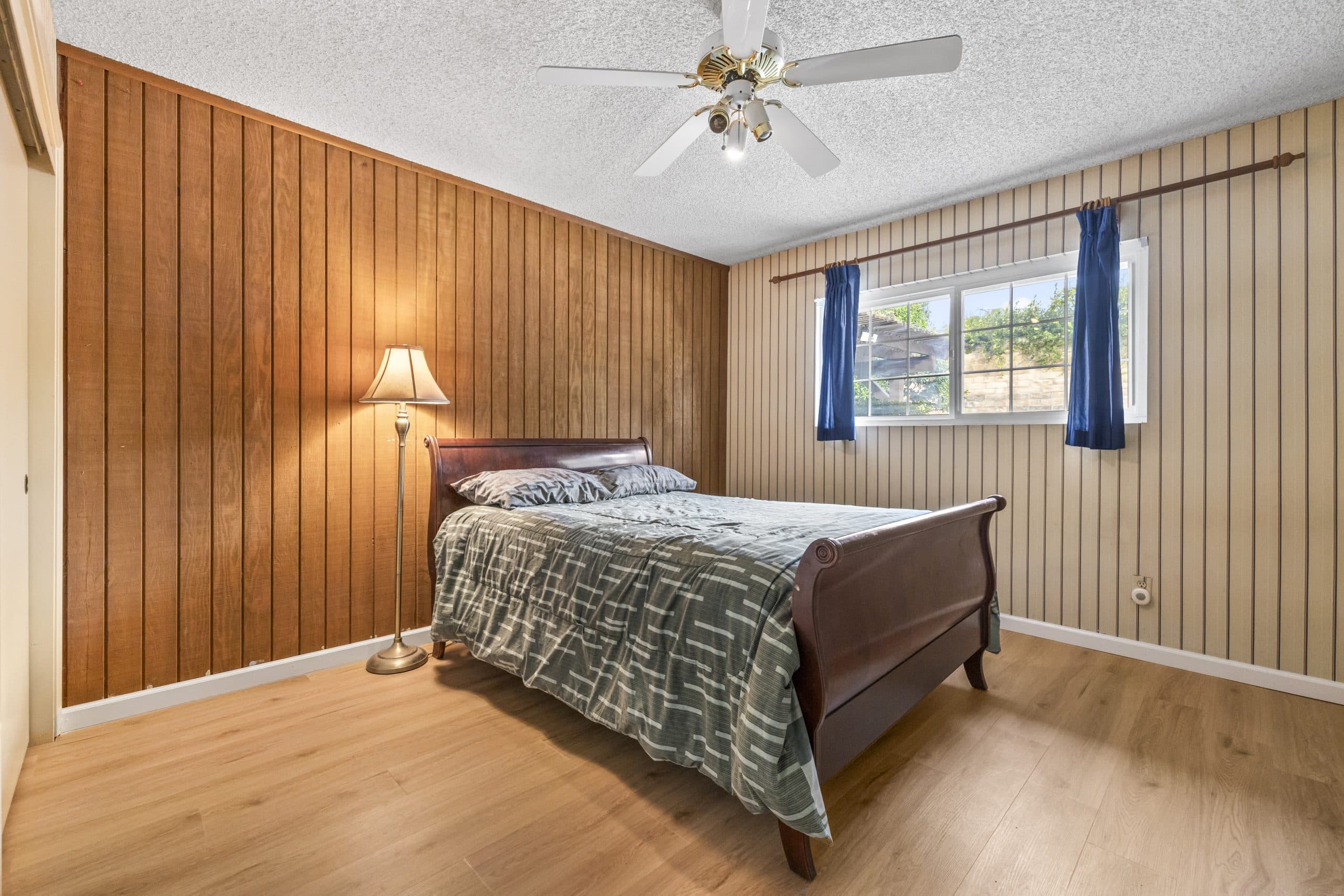
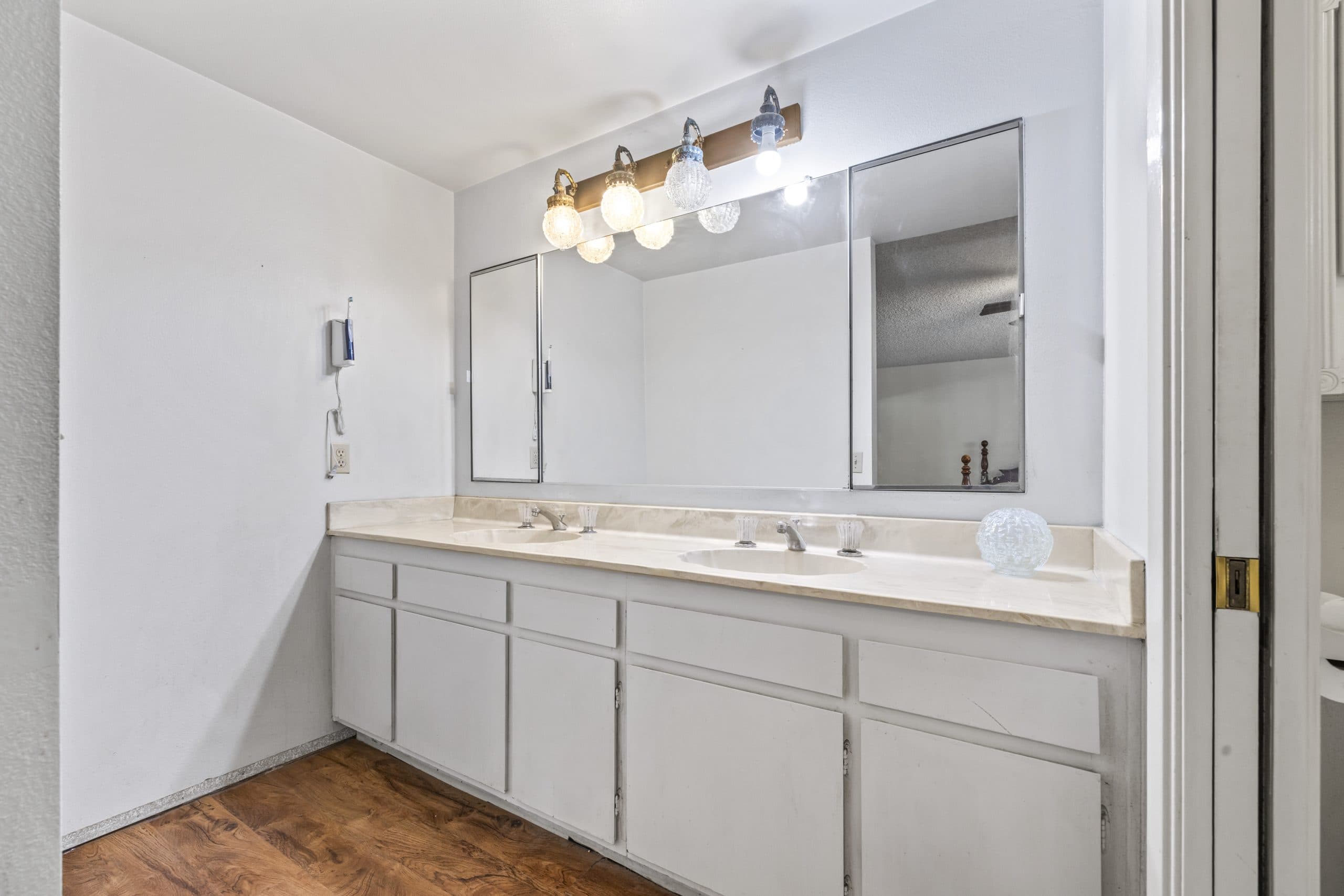
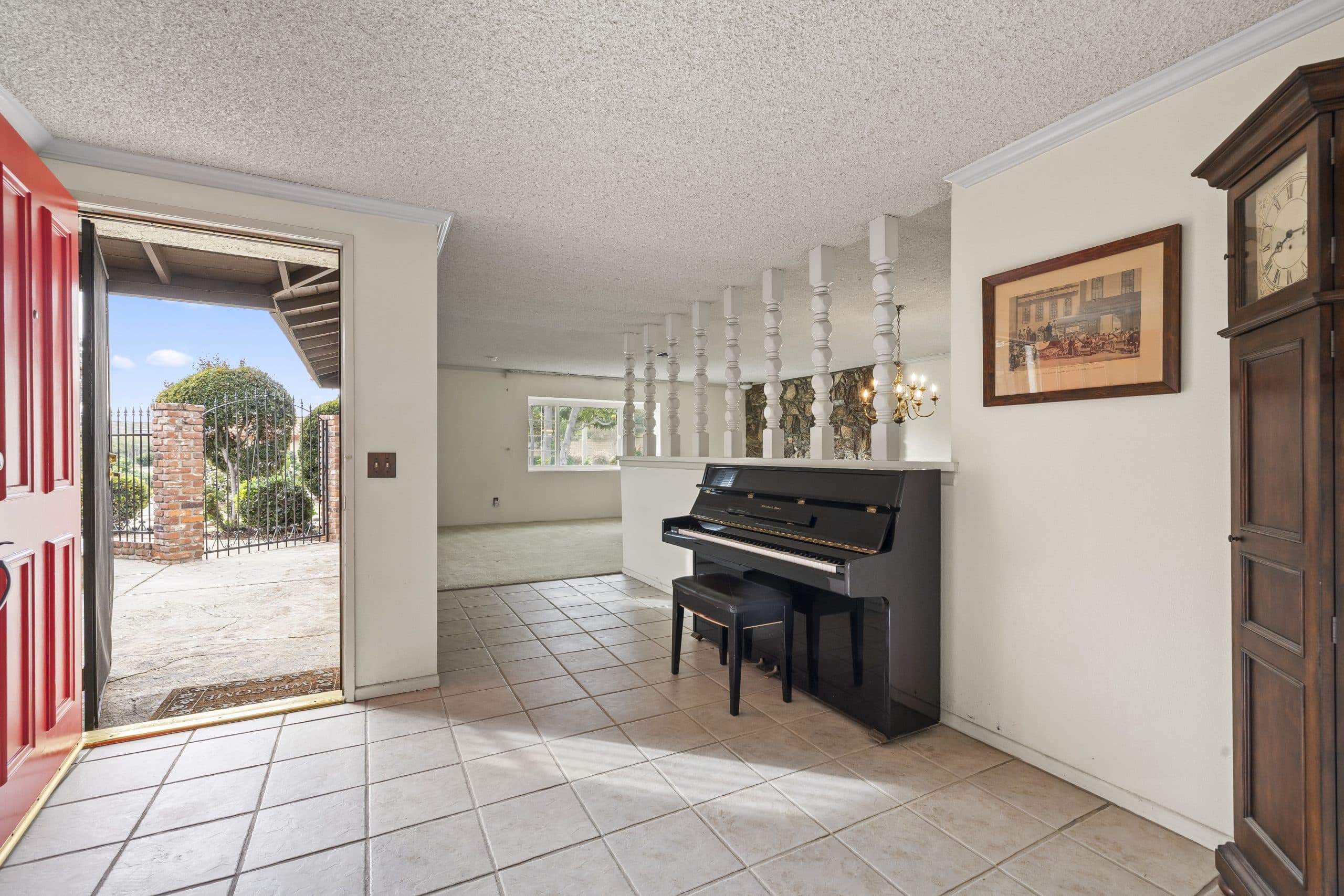
Empty is not neutral. A vacant room reads as smaller than a furnished one, every flaw in a floor and a wall becomes the only thing to look at, and echo makes a house feel unfinished. Buyers also find it harder to judge scale without furniture for reference.
There are also advantages: it is easier to show, always available, and it signals a seller who has already gone, which is a real consideration in negotiation. Discuss the tradeoff with your agent and decide deliberately rather than by accident. If some furniture is staying behind for showings, decide exactly which pieces before packing, mark them clearly, and keep them off the truck the way anything else that is not going is kept off it.
The empty house still needs to be maintained
A listed home has to be presentable on short notice, and nobody is there to make it so. Assign each of these to a person and a frequency before you leave.
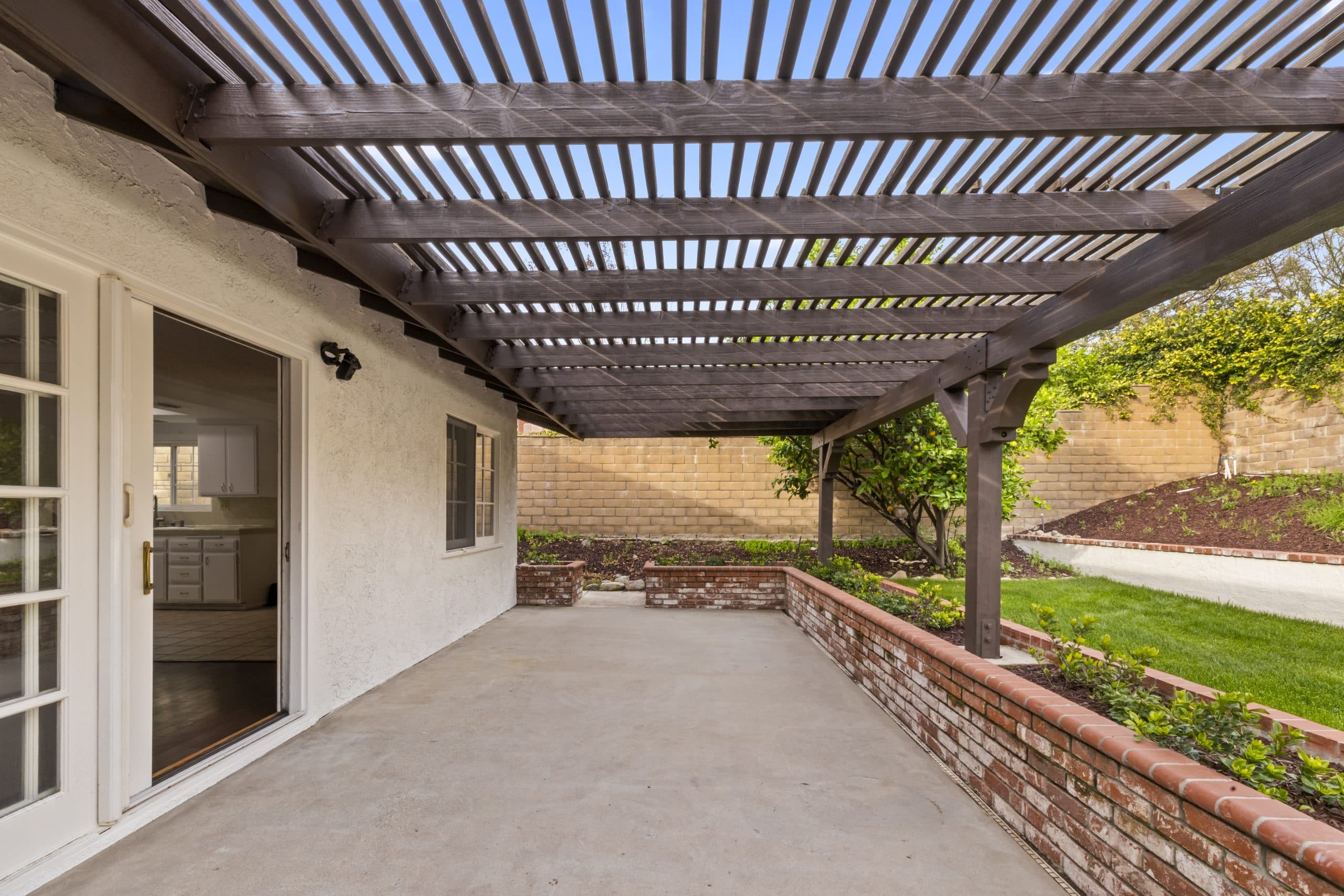
- Landscaping and the front approach. The first thing every buyer sees, and the first thing to look neglected.
- Interior checks. Dust settles, spiders arrive, and a house that smells closed reads badly within days.
- Utilities stay ON. A dark house cannot be shown properly and a house without water cannot be inspected. Leave power, water, and gas connected through closing and budget for it.
- Climate. Some conditioning matters, both for showings and for the condition of the house.
- Mail and deliveries. Forwarded, and packages redirected, since an accumulating pile advertises an empty house.
- Trash and bins. Managed on the collection day rather than left at the curb all week.
If you are leaving the area entirely, name a local person who will actually go in, and tell your agent who it is and how to reach them.
Security, without theatrics
An empty listed home is publicly known to be empty. Take the ordinary precautions and skip the elaborate ones. Lock everything including side gates and the garage service door. Use timers on interior lighting. Ensure the exterior is lit. Remove or secure anything left inside that is worth taking, and remember that valuables should already have travelled with you rather than been left behind; that list is in the valuables guide.
Keep the key and access arrangements between you and your agent, and know how showings are being scheduled and recorded while you are not there.
Sequence the move so nothing gets stranded
The specific risk of leaving early is that the household splits across two places with no clear line between them. Decide before packing what stays for showings, what goes now, and what may need to come back briefly for a final walkthrough or a repair negotiated during escrow.
Households leaving before a sale closes frequently route the load through storage between homes, which is worth planning as its own project rather than treating as a parking space. And the cleaning question changes shape: the house needs to be presentable now, for showings, and delivered to the contract standard later, which is covered in the move-out cleaning guide.
Costs to expect and plan for
Carrying an empty home has a real running cost: utilities kept on, landscaping maintained, whatever your insurer requires, and possibly a service to keep the interior presentable. None of that is optional if the home is being shown, and all of it is easier to absorb when it was in the plan rather than discovered monthly. Talk it through with your agent when the listing timeline is set, since it is one of the genuine inputs into how long you are comfortable carrying two places.
Anthony Grynchal has been licensed in California since November 2009. The sellers who handle this well decide two things before the truck comes: who is looking after the house, and what the insurer needs to know. This is general information, not advice on your policy, contract, or timeline.
Frequently asked questions
Does my insurance change if I move out before the house sells?
It may, and that is a call to make before you leave. Policies commonly treat an unoccupied or vacant property differently once it has been empty for a period the policy defines, and the specifics vary by carrier. Tell your insurer the house will be empty and for roughly how long, and ask what changes.
Should I leave the utilities on in an empty listed home?
Yes. A dark house cannot be shown properly, a house without water cannot be inspected, and some climate control matters both for showings and for the condition of the property. Leave power, water, and gas connected through closing and treat the cost as part of carrying the listing.
Does an empty house sell worse than a furnished one?
It shows differently rather than strictly worse. Empty rooms read smaller, flaws become more visible, and scale is harder to judge; against that, the home is easier to show, always available, and signals a seller who has already moved. Discuss the tradeoff with your agent and decide deliberately.
Who looks after the property while it is empty?
Assign it to a specific person with a specific frequency before you leave: landscaping and the front approach, interior checks for dust and closed-up smell, trash and bins on collection day, and mail and packages redirected. If you are leaving the area, tell your agent who that person is and how to reach them.

Written by
Anthony Grynchal
Anthony Grynchal is a California real estate professional with eXp Realty, licensed since November 2009 (California DRE# 01873626), and the Designated Local Expert™ for Claremont — where he has lived for more than 33 years.
More about AnthonyPublished · Updated