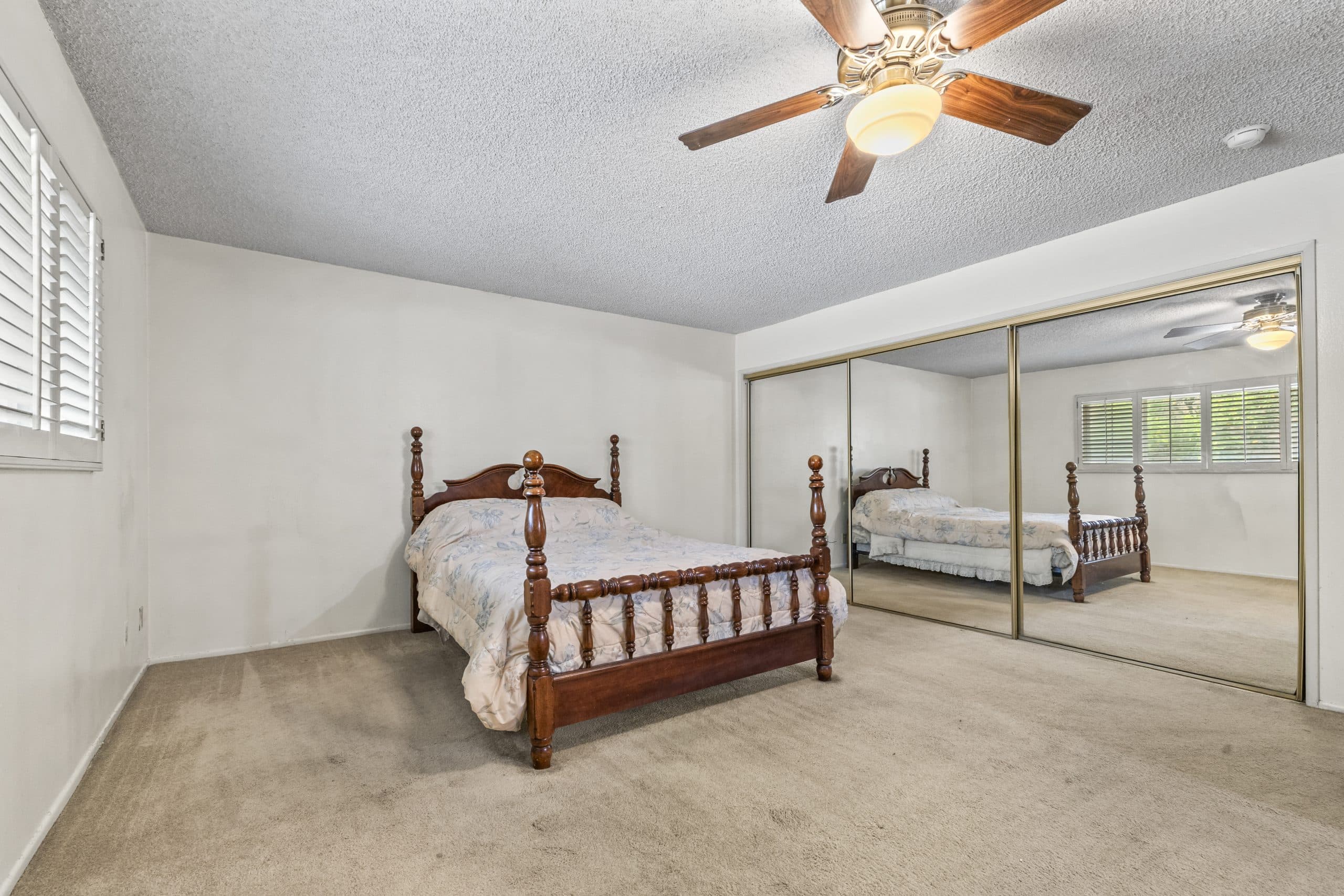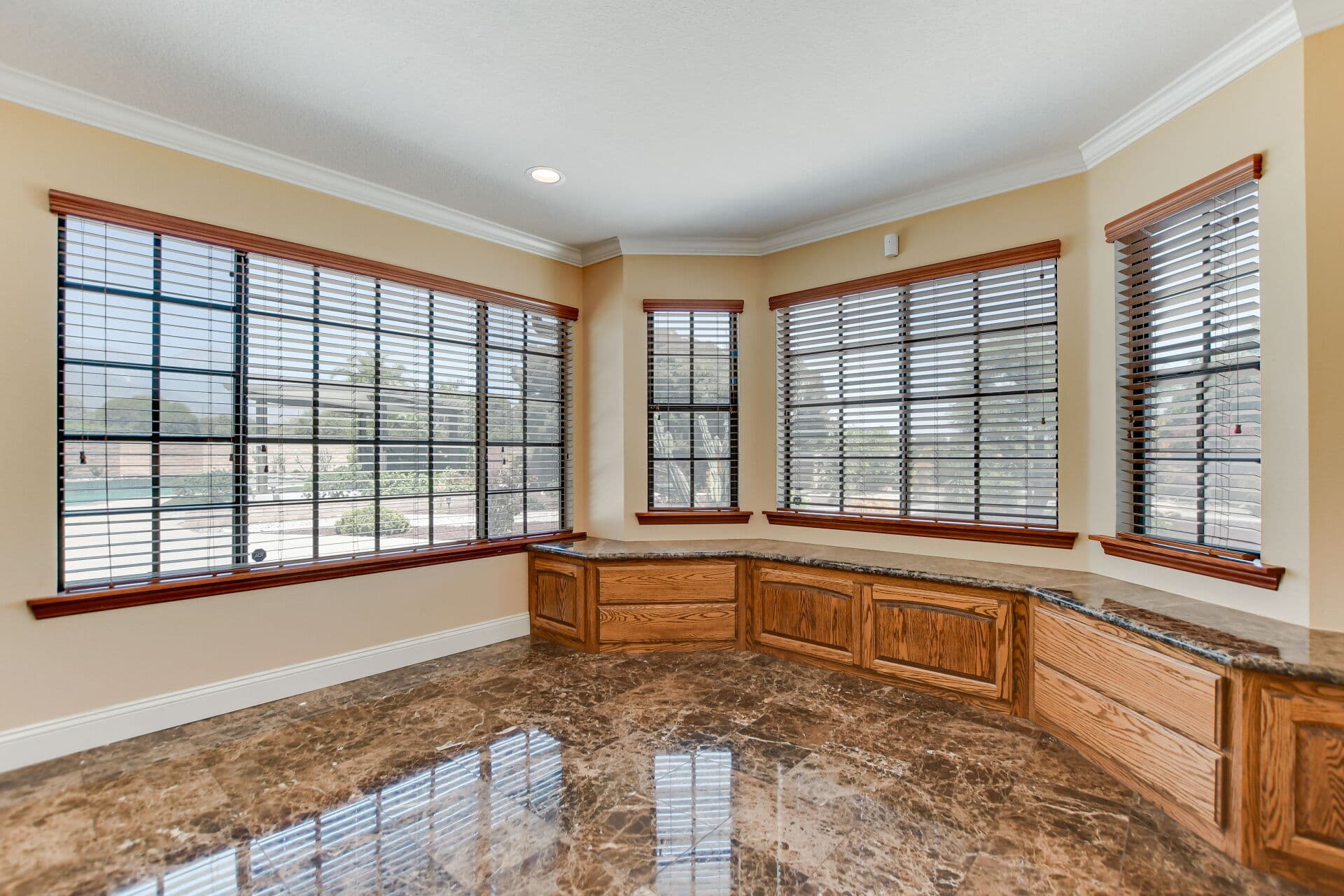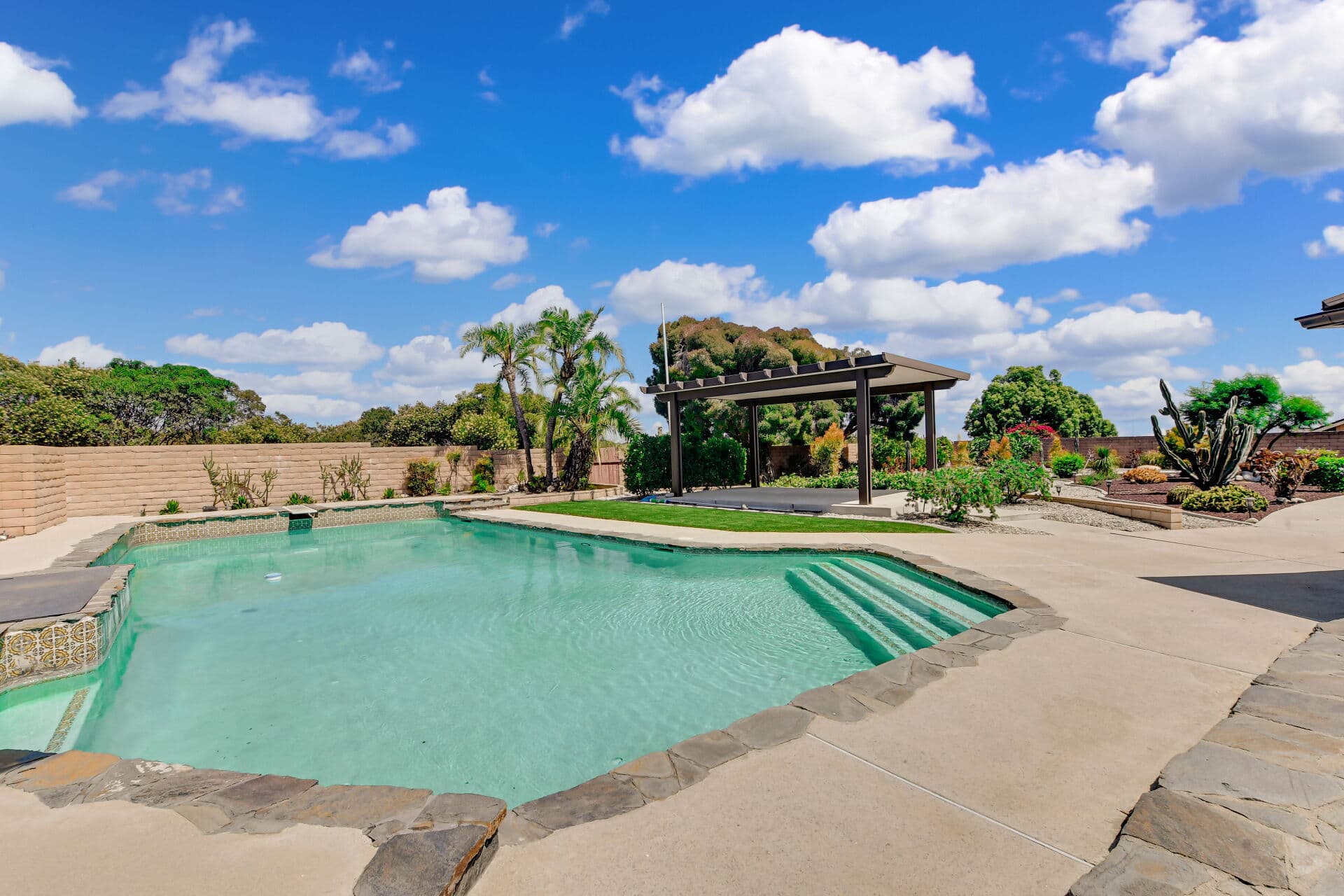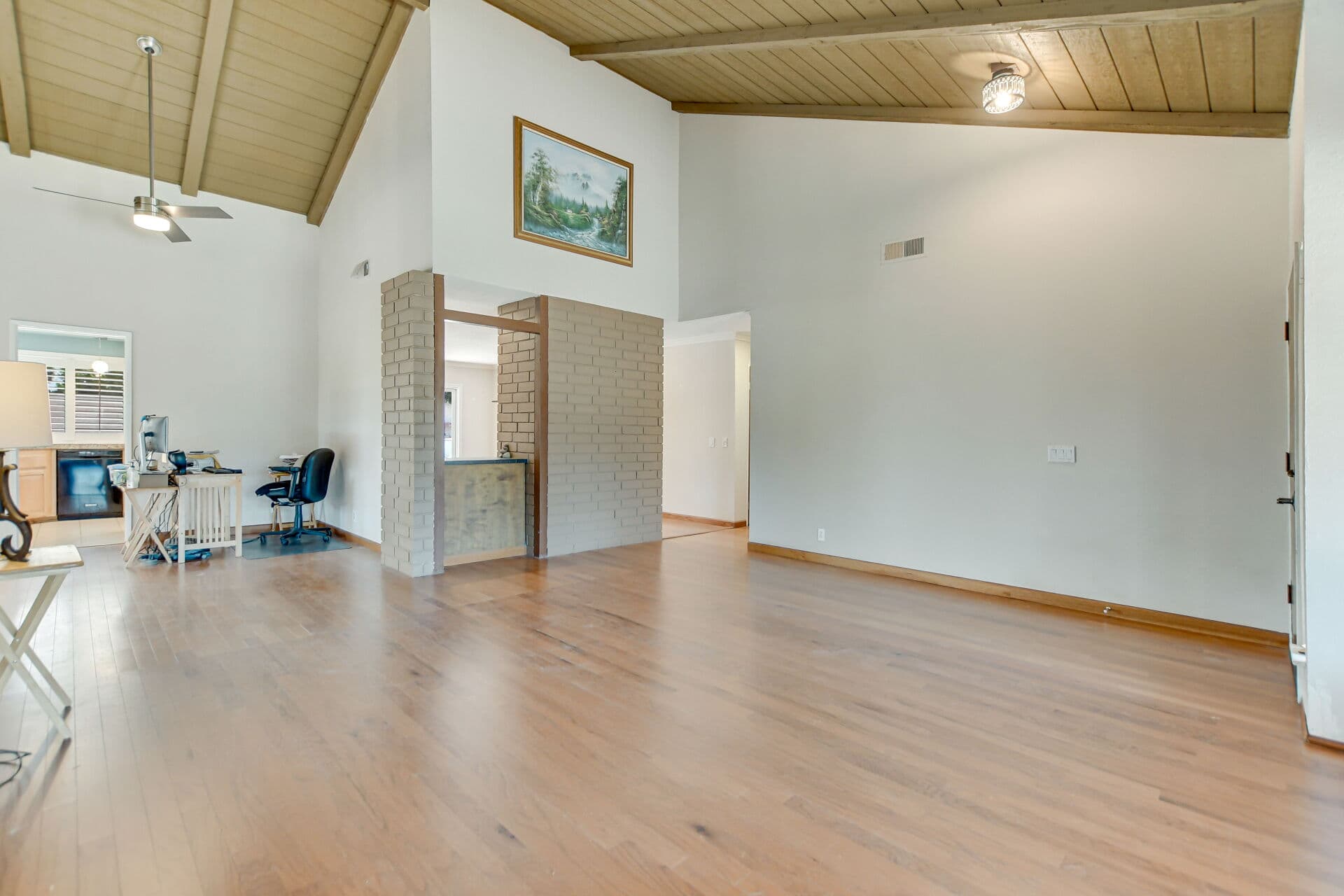
La Puerta is one of those Claremont names that shows up in conversation long before it shows up on a map. Ask five residents where it starts and stops and you will get five slightly different answers, all of them sincere. That is not a failure of local knowledge. It is how most pocket names in this town work.
So this guide does what a pocket guide should do. It describes what you can see and verify from the sidewalk and the parcel record, and it refuses to draw a line it cannot defend.
First, the boundary caution
There is no recorded municipal boundary called La Puerta. The name describes a cluster of streets that residents and agents have referred to as a unit for a long time, and like every informal name in Claremont it blurs at the edges. Marketing copy will happily place a listing inside a desirable pocket name; the county parcel record and the city will tell you what the property actually is.
Before that distinction matters to you emotionally, get it settled factually. Pull the parcel, confirm the jurisdiction, and confirm whether any association governs the property. Then let the name be what it is: useful shorthand, not a legal description. The same caution applies across town, and it is why the city-wide orientation guide treats pocket names as descriptions rather than records.
Reading the street pattern
The single most useful thing you can do in a pocket like this is stop looking at houses for twenty minutes and look at STREETS.
Street pattern tells you the era and the intent. A continuous grid that connects cleanly to the arterials is one kind of place. A looping layout with limited entry points is another. Cul-de-sacs and short stubs are a third. Each produces a different amount of through traffic, a different pedestrian experience, and a different relationship between your front yard and the rest of the city.
Walk the perimeter first. Note where cars enter and leave, where the sidewalk continues and where it stops, whether the curb is rolled or vertical, and whether streetlights are on poles at the curb or mounted higher on the arterial edge. Those details date a subdivision more reliably than a listing description does. If that kind of reading interests you, it is worked out at length in the guide to how Claremont streets connect.
Housing stock and what it asks of you
Claremont pockets tend to be coherent because they were built in bursts. One builder, one window of years, one prevailing plan set. That coherence is the practical value of a pocket name: it predicts the house before you open the door.
What to look for on your walk, in rough order of consequence:
- Roof lines and eave depth. Low pitch with deep overhangs points one direction; steeper gables with shallow eaves point another. Both tell you something about attic ventilation and about how the house handles summer sun.
- Window openings. Original openings, or enlarged ones. Enlarging an opening in a load-bearing wall is a permitted structural change, and unpermitted versions of that work show up in inspection.
- Foundation and floor level. Raised or slab. That one fact reshapes the entire plumbing conversation, because a slab home routes supply and waste differently and repairs read differently.
- Electrical service. Look at the meter and panel from the exterior. Panel capacity is one of the quiet costs of older stock, and it becomes loud the moment you want a vehicle charger, a heat pump, or a kitchen with modern loads.
- Additions. A rear addition with a different roof pitch or a change of siding is visible from the street more often than sellers expect. Ask for the permit history.
None of that requires a contractor. It requires an hour and a willingness to stand still.
Canopy, parkways, and the maintenance year
Claremont's tree canopy is not decoration. It is infrastructure, and in an established pocket it is mature infrastructure.
Mature street trees mean shade, lower afternoon interior temperatures, and a genuinely different acoustic quality on the block. They also mean leaf load in autumn, root systems that interact with sewer laterals and hardscape, and pruning responsibilities that split between the city and the owner depending on where the tree stands. Ask which trees on the frontage are city trees and which are yours. The answer changes who pays and who decides.
Parkway strips, the planted band between sidewalk and curb, are their own small negotiation. Some blocks maintain them uniformly, some do not. Look at the block, not just the listing.
What to verify before you commit
Three things, always, and none of them are optional in an established Claremont pocket.
Jurisdiction and address. A 91711 mailing address does not automatically mean you are inside Claremont city limits, and the difference decides who issues your permits and who provides your services. Confirm the parcel before you write.
School attendance. Assignment is set by Claremont Unified, not by neighborhood name, and boundaries can change. Confirm attendance for the specific address, in writing, with the district. No agent, this one included, is the right source for that answer.
Association documents, if any. If a governing association exists, the recorded documents control what you may build, park, plant, and change. Reputation does not control anything. Read the documents during your contingency period.
Who a pocket like this suits
Not a demographic. A pattern of use.
If you want a house that is legible, where the era is obvious and the surprises are the ordinary surprises of established stock, an interior pocket rewards you. If you want walk-everywhere access to the historic core, you should test that claim on foot before believing it, because in Claremont the difference between a pleasant walk and a resigned drive is often a quarter mile and one arterial crossing.
Pockets like this one also tend to be the places buyers overlook while they chase named hillside enclaves, which is exactly the argument made in the guide to Claremont pockets most buyers never see.
Where to go next
The full index of area portraits, comparisons, and neighborhood questions lives on the Claremont neighborhood guides hub. If this pocket appeals but you want to understand the northern half of the city first, read the North Claremont page and then life above Base Line.
Anthony Grynchal has been licensed in California since November 2009.
Frequently asked questions
Where exactly is La Puerta in Claremont?
There is no recorded municipal boundary for it. La Puerta is an informal pocket name locals use for a cluster of streets, and people disagree at the edges. Treat any published boundary as a description rather than a record, and confirm the parcel and jurisdiction with the county and the city before writing an offer.
Is La Puerta governed by a homeowners association?
That depends on the specific parcel, not on the pocket name. Some Claremont clusters carry recorded governing documents and some do not. Ask the seller for disclosure of any association and read the recorded documents during your contingency period, because those documents control what you may build, park, plant, and change.
Which schools serve homes in this area?
Attendance is assigned by Claremont Unified rather than by neighborhood name, and boundaries can change over time. Confirm the assignment for the specific street address directly with the district in writing before it factors into your decision.
What should I inspect first in an established Claremont pocket?
Start with the systems that cost the most to change: foundation type, electrical panel capacity, sewer lateral condition, roof age, and permit history for any visible addition. Mature street trees also deserve attention, since root systems interact with laterals and hardscape over time.

Written by
Anthony Grynchal
Anthony Grynchal is a California real estate professional with eXp Realty, licensed since November 2009 (California DRE# 01873626), and the Designated Local Expert™ for Claremont — where he has lived for more than 33 years.
More about AnthonyPublished · Updated