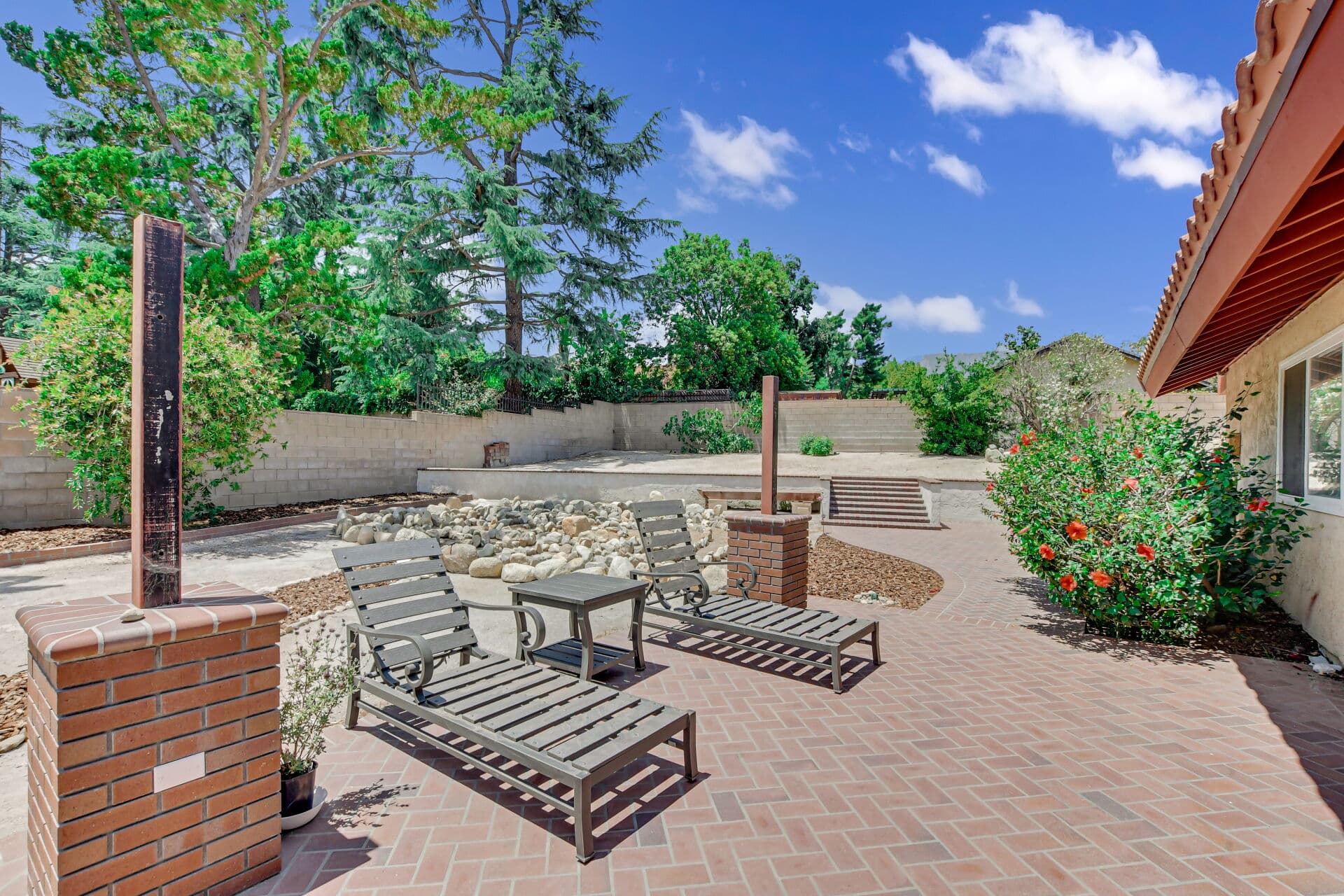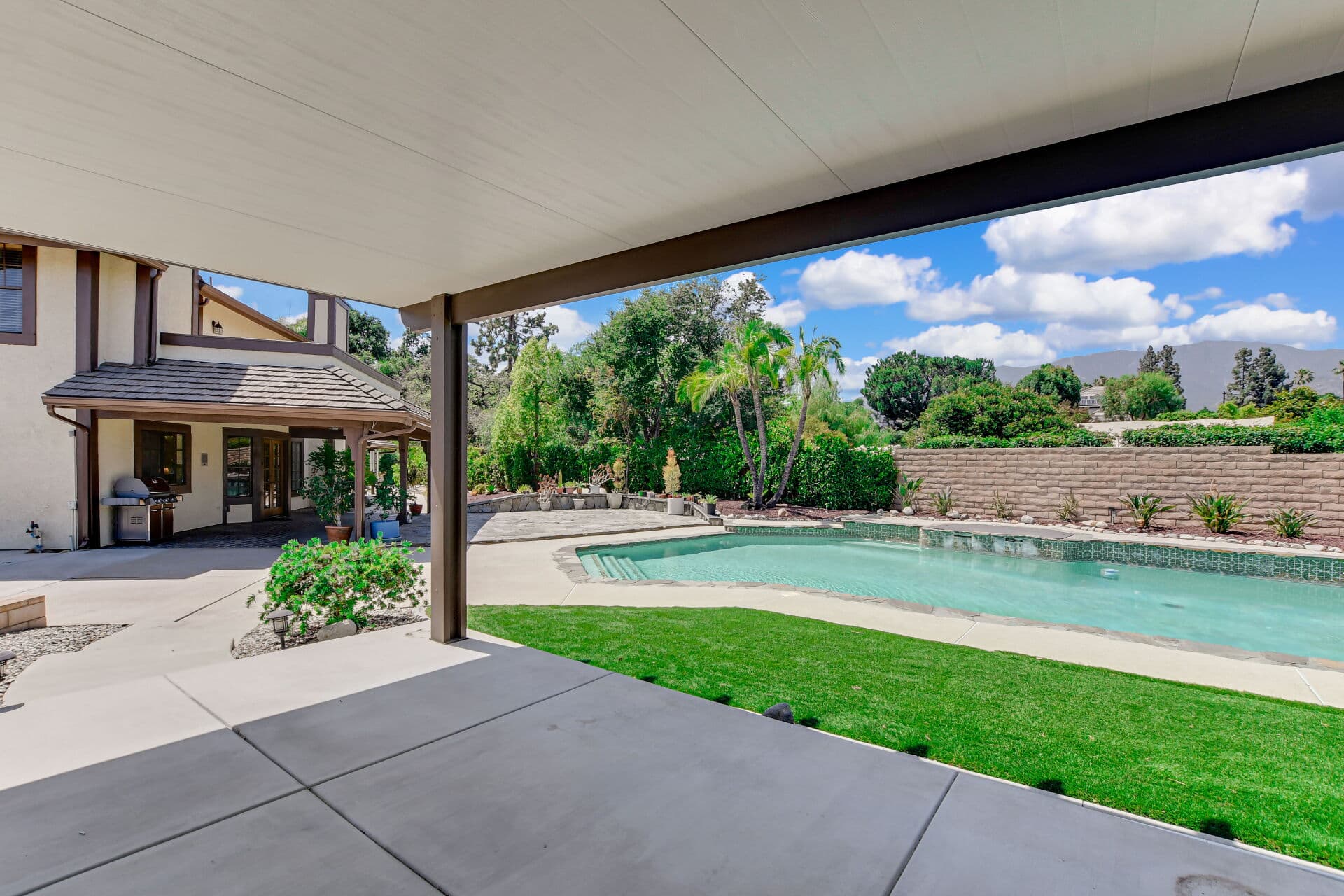
North Claremont is the half of the city most buyers underestimate on a first visit, because everything that makes it distinctive is at the top of the map and the top of the hill. Drive one loop of Foothill Boulevard and you have seen almost none of it. Drive north until the pavement ends near open ground and you have seen the actual proposition: deeper lots, wider sky, mountain views, and a housing stock that runs from solid midcentury single-story homes up into genuinely custom construction.
This guide covers what that is like to own, not just to admire.
How the tiers stack
North Claremont is not one thing. It reads as a sequence of tiers, and the tier matters more than the label.
The lower tier, closest to the middle of town, is largely midcentury: single-story homes, regular street grids, mature street trees, and lots that are generous by regional standards without being estates. This is where much of North Claremont's practical, liveable housing sits.
The middle tier climbs. Lots grow, streets curve to follow the terrain, and the architecture diversifies. Views begin to enter the pricing conversation in a serious way, and so does grade.
The upper tier is the hillside band, where custom homes, long driveways, retaining structures, and real elevation are the norm and the streets end near open space. The specific hillside enclaves get their own portraits, including the Claraboya guide, because life on a slope is a genuinely different arrangement from life on a flat lot half a mile downhill.
What the housing stock asks of you
The distinctive North Claremont maintenance conversation is about LAND rather than structure. That is the single most useful thing to understand before you buy here.
- Irrigation and mature landscape. Big lots mean real irrigation systems, established trees, and a watering plan. Mature trees are the area's greatest amenity and its most expensive one; ask about recent arborist work and look up before you look down.
- Slopes, drainage, and retaining structures. Anywhere the ground moves, water is the story. Ask how the lot sheds a heavy rain, look at retaining walls, and have any slope work reviewed by someone qualified rather than assumed to be fine.
- Fire-adjacent landscape management. On the streets nearest open ground, defensible space and vegetation management are an ongoing responsibility, and insurance underwriting takes an interest. Have the insurance conversation early rather than in escrow.
- Systems age. A midcentury house is a decades-old house. More forgiving layouts than a century-old cottage, but still a full inspection.
The daily rhythm: you drive
Life here leans INWARD. The house and the lot are the center of the day, gatherings happen at home, evenings are quiet, and the town's noise is somewhere in the distance. In exchange, almost every errand is a short drive. That is not a hardship, distances in Claremont are small, but it is a genuinely different pattern from Village life, and buyers who imagined they would walk to coffee usually discover they will not.
What you do get on foot is the trail network and the open space along the northern shoulder, which for many owners turns out to be the amenity they use every single day. If that is your priority, read the Thompson Creek guide, which covers the corridor specifically.
Views, and how to evaluate one honestly
Views are the currency of the upper tiers, and they are the easiest thing in real estate to misjudge. Three rules I give every buyer.
First, see it at more than one hour. A mountain view at four in the afternoon and the same view at eight in the morning are different products, and so is the same view in a marine layer.
Second, ask what protects it. A view over a neighbor's rooftop is a view held by someone else's decisions unless something recorded, a height limit, an easement, or a governing document, is doing the protecting. Find out which it is.
Third, price the access. A dramatic view frequently comes with a steep driveway, a longer route to town, and more landscape to maintain. That may be an easy trade for you. Make it deliberately.
How to tour North Claremont properly
Do it in one continuous loop rather than three separate appointments. Start at the lower tier and drive steadily north on several parallel streets, then cross east to west near the top. The tiers become obvious within twenty minutes, and you will find that your preference is usually for a tier rather than for a particular street.
Then return to your shortlist at a weekday evening hour and drive the commute you would really drive, out to the freeway and back. The single most common North Claremont regret is not about the house at all; it is about the drive that seemed trivial on a Sunday.
A last practical point for anyone comparing north to the rest of the city: space changes how a household behaves. Larger lots absorb projects, guests, vehicles, and hobbies that a tighter parcel simply cannot, and owners here tend to invest outward over time rather than fighting for square footage inside. That is worth thinking about honestly, because the value of a deep lot only shows up if you actually use it. Buyers who want land and never use it end up paying to maintain a yard they walk past, while buyers who garden, entertain, or need workshop and vehicle space find the trade obvious within a season.
Where to go next
If you are still weighing the town's two poles, the Village versus North Claremont comparison is the fastest way to decide, and the wider index of area portraits sits on the Claremont neighborhood guides hub.
Anthony Grynchal has been licensed in California since November 2009.
Frequently asked questions
What defines North Claremont?
It is the band of the city that climbs toward the San Gabriel foothills, roughly north of Foothill Boulevard. It reads as tiers: midcentury single-story stock at the lower end, larger lots and curving streets in the middle, and custom homes on the hillside streets that end near open space.
Is North Claremont walkable?
Not in the errand sense. Daily needs are a short drive rather than a stroll. What is walkable is the outdoors: the trail network and open space along the northern shoulder, which many owners use every day.
What extra maintenance comes with a foothill lot?
Irrigation and mature trees, drainage and any retaining structures, and vegetation management on streets near open ground. Ask how the lot sheds heavy rain, get slope and wall conditions reviewed, and have the insurance conversation before you are in escrow.
How should I evaluate a view property?
See the view at several hours and in different weather, find out whether anything recorded actually protects it, and price the access that comes with it: driveway grade, distance to town, and the extra landscape you will maintain.

Written by
Anthony Grynchal
Anthony Grynchal is a California real estate professional with eXp Realty, licensed since November 2009 (California DRE# 01873626), and the Designated Local Expert™ for Claremont — where he has lived for more than 33 years.
More about AnthonyPublished · Updated