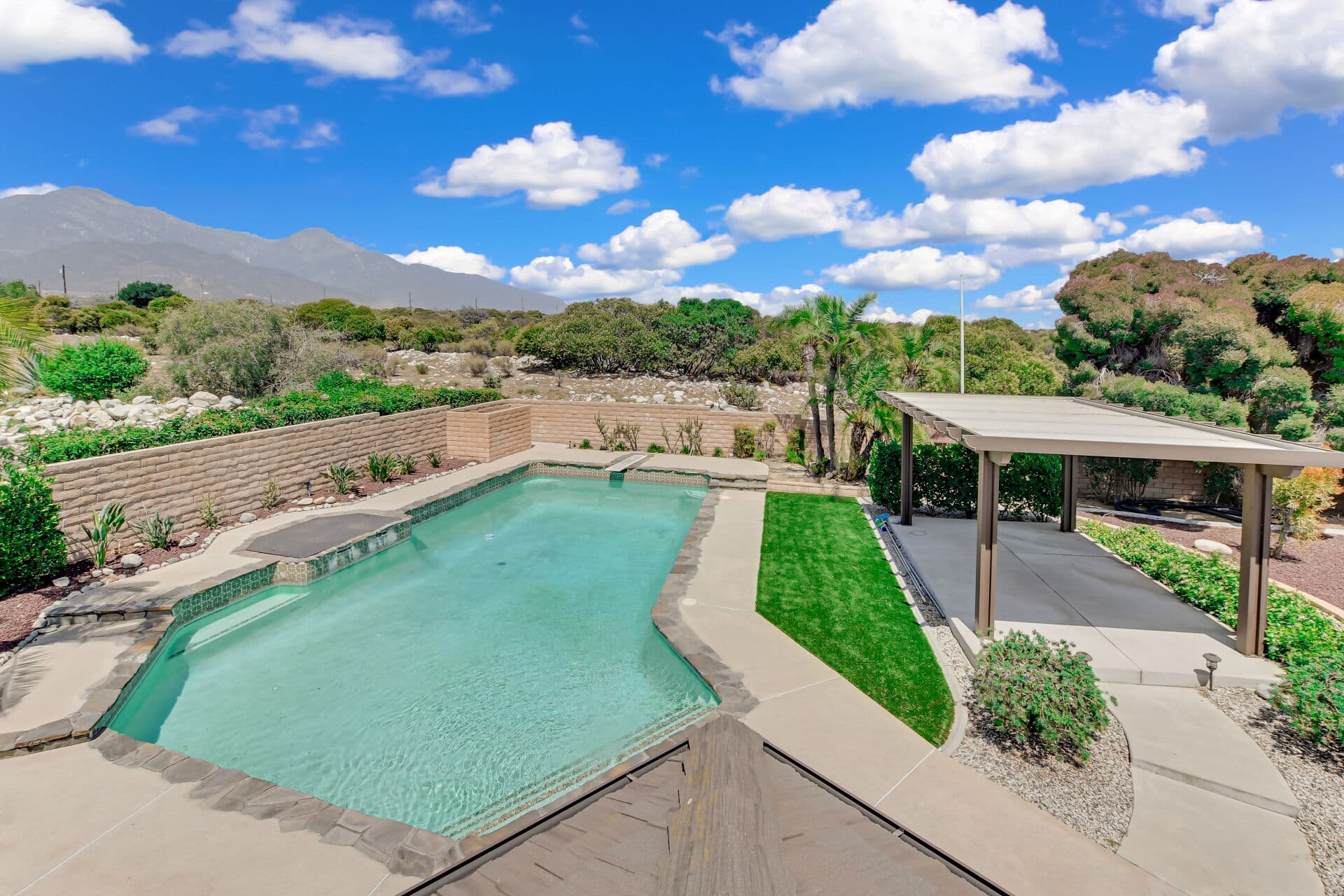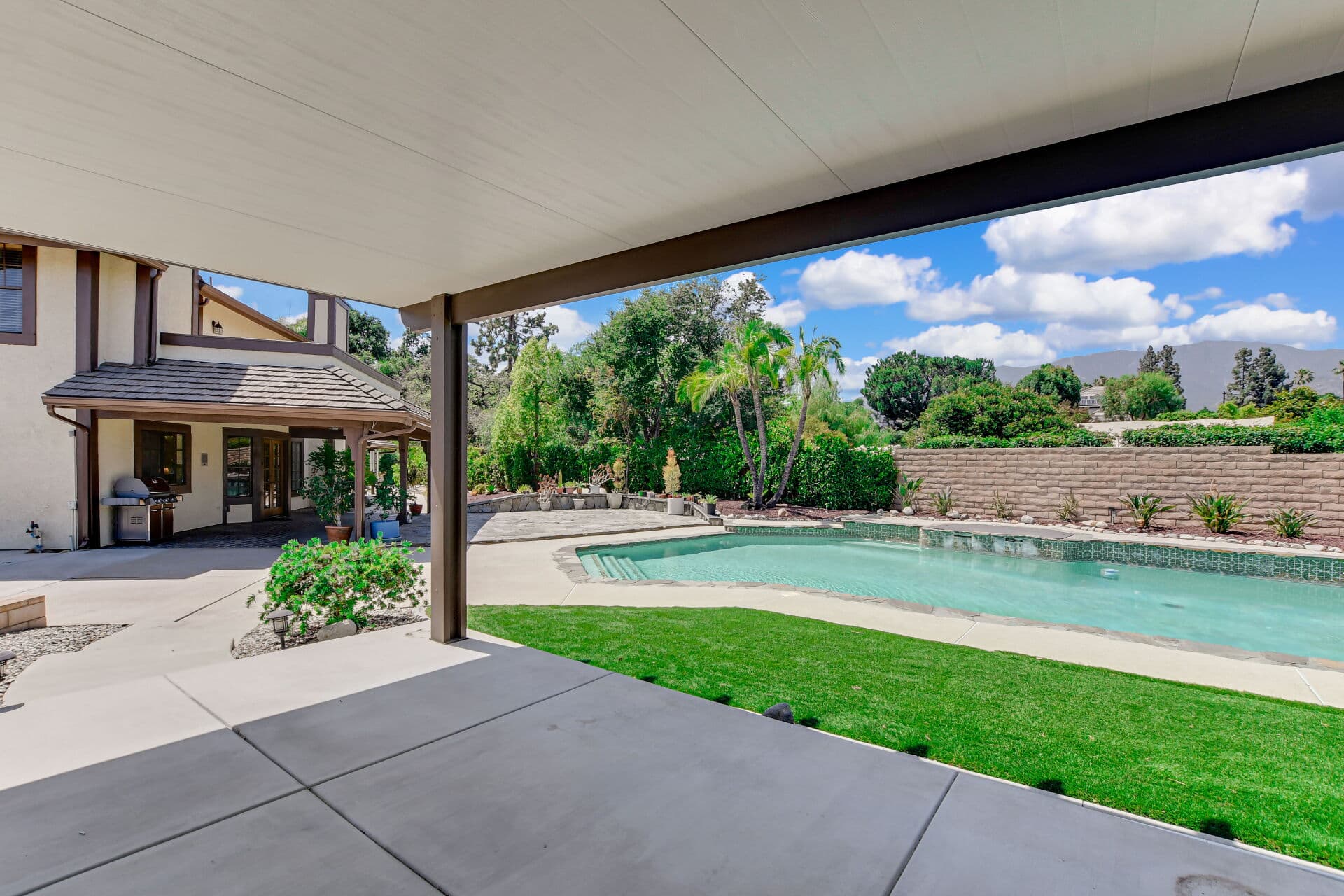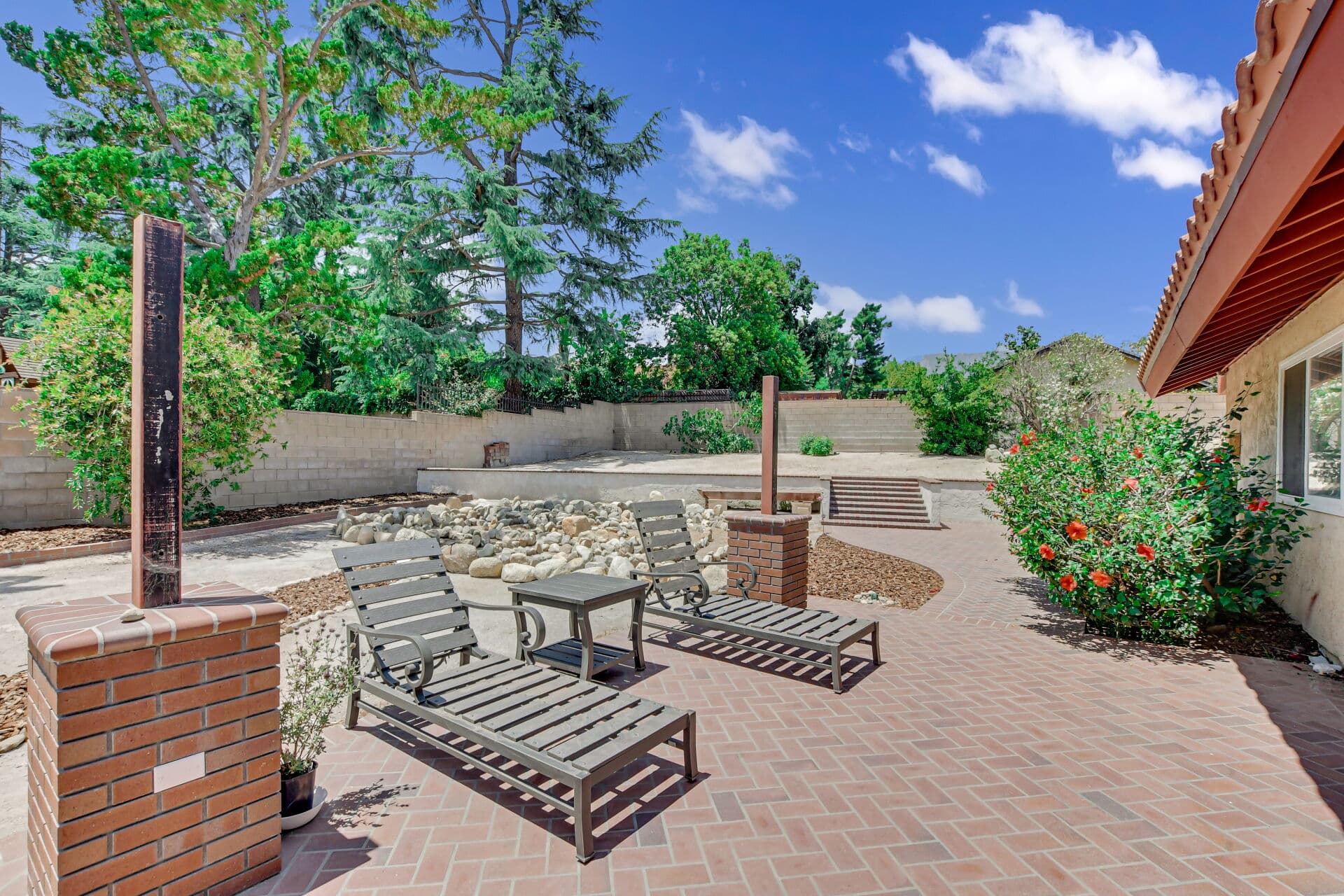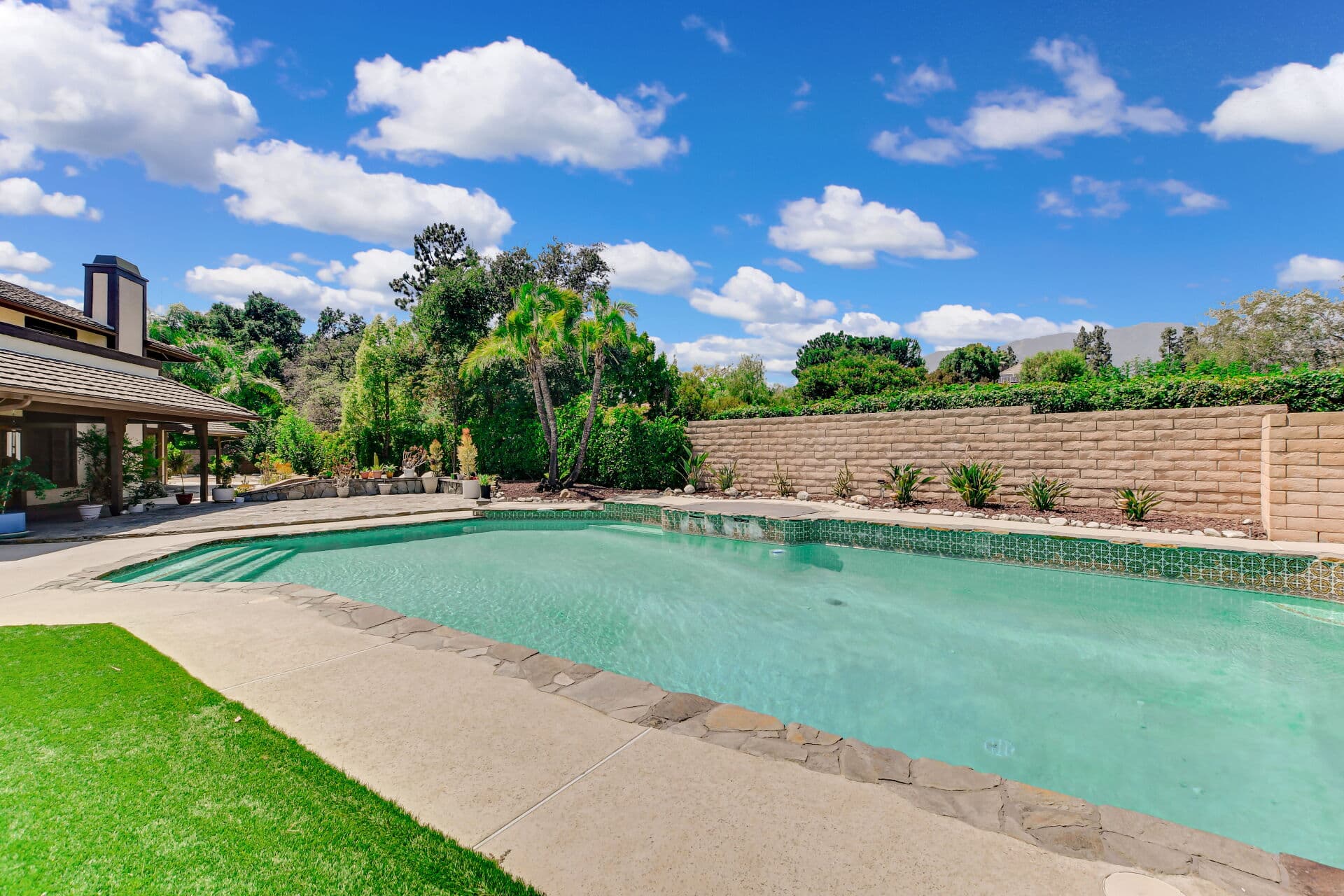
Claraboya sits above the rest of Claremont, on the slope where the city stops climbing and the San Gabriels take over. It is the enclave people mean when they say the hillside: winding streets, homes stepped into the grade, long views south across the basin, and a distinctly separate feeling from the flat town below even though the Village is a short drive away.
Buyers fall for it on the first visit almost without exception. What follows is the rest of the picture, the part that decides whether hillside ownership suits you: how the terrain shapes the houses, what slope ownership actually involves, what access means in practice, and how to tour it properly.
What the terrain does to the houses
On a hillside the land writes the floor plan. Homes here are commonly built to step with the grade, which produces the qualities buyers love and the ones they underestimate at the same time: dramatic elevation changes inside, decks and terraces that do the work a flat back yard would do elsewhere, garages and entries at different levels, and living space oriented hard toward the view.
Practical consequences follow. Outdoor space is usually terraced rather than open lawn, so if your picture of a yard is a flat rectangle for a soccer game, the hillside will not deliver it at any price. Stairs are a normal part of the house. Deliveries, moving furniture, and trash day all work differently on a steep drive than on a flat one. None of that is a defect; it is simply the arrangement, and it suits some households completely and others not at all.
The slope questions to ask before anything else
Hillside due diligence is its own discipline, and it belongs at the start of your process rather than at the end.
- Drainage. Water is the whole story on a slope. Ask how the lot sheds a heavy rain, where it goes, and whether any of that path crosses a neighbor's property or relies on a shared system.
- Retaining structures. Walls, caissons, and terracing are structural elements, not landscaping. Ask their age, whether they were permitted, and have them assessed by someone qualified rather than eyeballed.
- Access and the driveway. Grade, width, turning radius, and what happens in wet weather. Test it in your own vehicle, not from the passenger seat of a tour.
- Vegetation management and insurance. Streets near open ground carry ongoing defensible-space responsibilities, and insurance underwriting pays attention to them. Have that conversation before you are in escrow, not during.
- Governing documents. Where an association exists, what it maintains and what it restricts are questions with written answers. Read the documents rather than the reputation.
The view, and what actually protects it
The view is the reason people buy here, and it is the easiest thing in real estate to misjudge. Three tests.
See it at more than one hour and in more than one condition. A basin view at dusk and the same view under a morning marine layer are different products, and you will live with both.
Find out what protects it. A view across other rooftops is held by other people's decisions unless something recorded is doing the protecting, a height restriction, an easement, or a governing document. Ask which, and get the answer in writing.
Price the access that comes with it. Elevation buys the view and it also buys the driveway, the extra minutes to town, and the terracing you will maintain. That is often a completely fair trade. Make it deliberately rather than emotionally.
Daily rhythm
Life in Claraboya is quiet and interior in the best sense. Evenings are still, the sky is large, and the enclave's separation from the flat town is real. Everything is a drive: errands, dinner, the Village, the freeway. The distances are short by regional standards, but the pattern is unambiguous, and buyers who imagined walking to coffee will not.
What is close on foot is the outdoors. Being at the top of town puts trails and open space within reach in a way the rest of the city cannot match, and for many owners that turns out to be the amenity used every day. The wider foothill context is covered in the North Claremont guide, which sets out how the tiers stack below the hillside.
How to tour Claraboya properly
Drive the full loop of streets before you look at any single house, and drive it yourself. The enclave's character changes with elevation and with which way a street faces, and twenty minutes of driving teaches you which segment you actually want.
Return in the evening. Hillside neighborhoods read completely differently after dark, when you can see how the lights sit below you and how quiet the street really is. And come back once in poor weather if you possibly can, because that is when drainage, driveway grade, and visibility tell the truth.
Who it fits
Claraboya fits buyers who want elevation, view, and separation, who are comfortable with stairs and grade, and who are willing to take slope maintenance seriously as a permanent responsibility. It fits less well for anyone who needs a flat yard, level single-story living, or a walkable daily routine.
Where to go next
If you are weighing this enclave against the town's other elevated pocket, read the Claraboya versus Padua Hills comparison next. Every other area portrait sits on the Claremont neighborhood guides hub.
Anthony Grynchal has been licensed in California since November 2009.
Frequently asked questions
Where is Claraboya in Claremont?
It is the hillside enclave above the northern edge of the city, on the slope where the streets climb toward the San Gabriel foothills. It sits well above the flat part of town and looks south across the basin.
What is different about owning a hillside home?
The land writes the floor plan. Expect stepped construction, terraced outdoor space rather than flat lawn, stairs as part of daily life, and a maintenance profile centered on drainage, retaining structures, driveway grade, and vegetation management.
How do I know whether a view is protected?
Ask what recorded instrument protects it: a height restriction, an easement, or a governing document. A view across other rooftops with nothing recorded behind it depends on other owners' future decisions.
Is Claraboya walkable?
Not for errands. Shops, dining, and the freeway are all a drive, though a short one. What is genuinely close on foot is open space and trail access, which is the daily amenity many owners here use most.

Written by
Anthony Grynchal
Anthony Grynchal is a California real estate professional with eXp Realty, licensed since November 2009 (California DRE# 01873626), and the Designated Local Expert™ for Claremont — where he has lived for more than 33 years.
More about AnthonyPublished · Updated