South Claremont is where the town gets practical. Below the historic core the streets flatten, the grid straightens, and the housing shifts into the postwar decades: single-story homes on regular lots, straightforward floor plans, attached garages, and yards that are genuinely usable rather than ornamental. It is the part of the city that photographs least and functions most.
It is also where a large share of Claremont's more attainable housing sits, which makes it the band buyers most often discover after they have looked north and recalculated. This guide covers what the stock is, what it asks of an owner, what the daily rhythm is like, and how to tell one flat block from another when they look identical from a car.
The housing stock
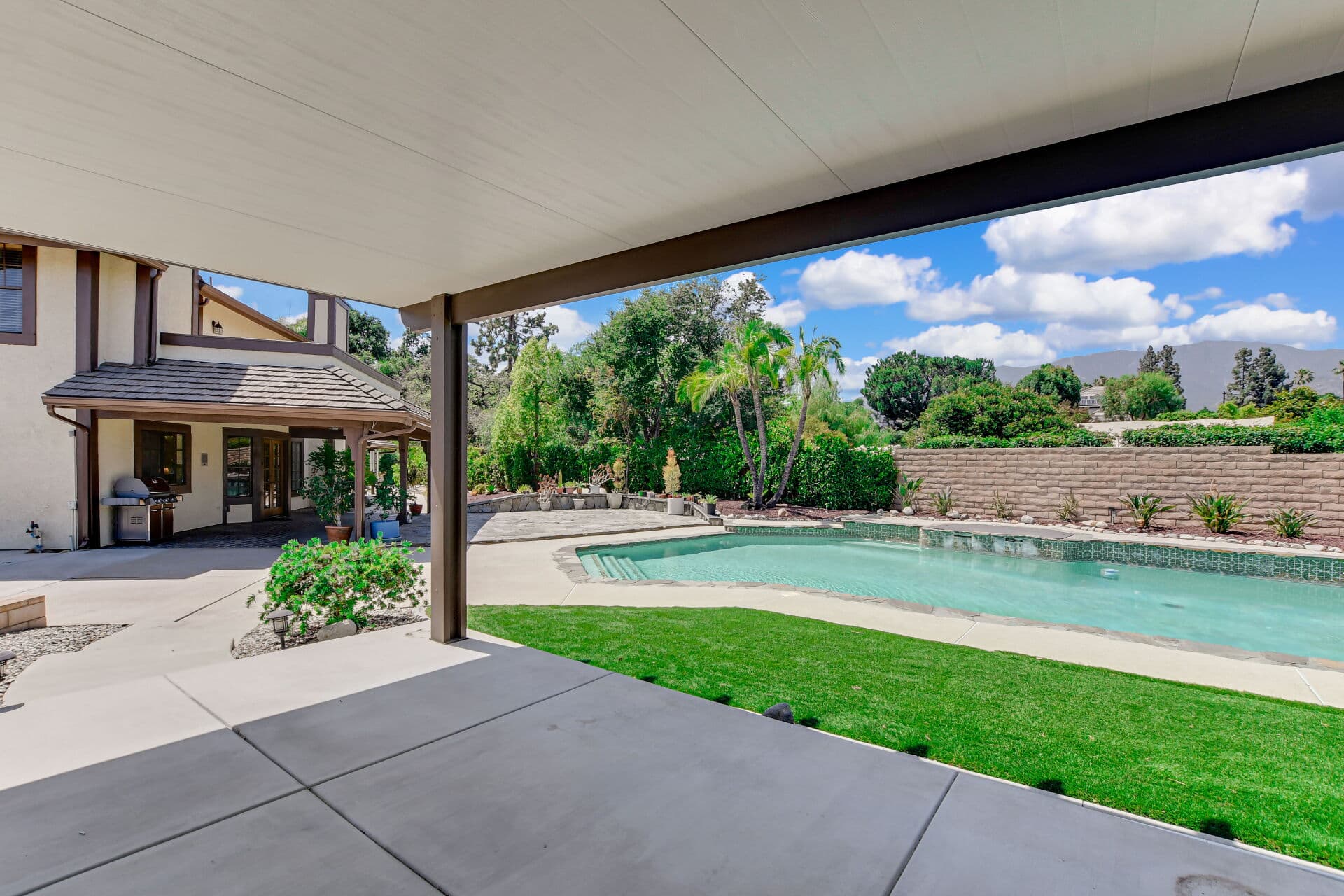
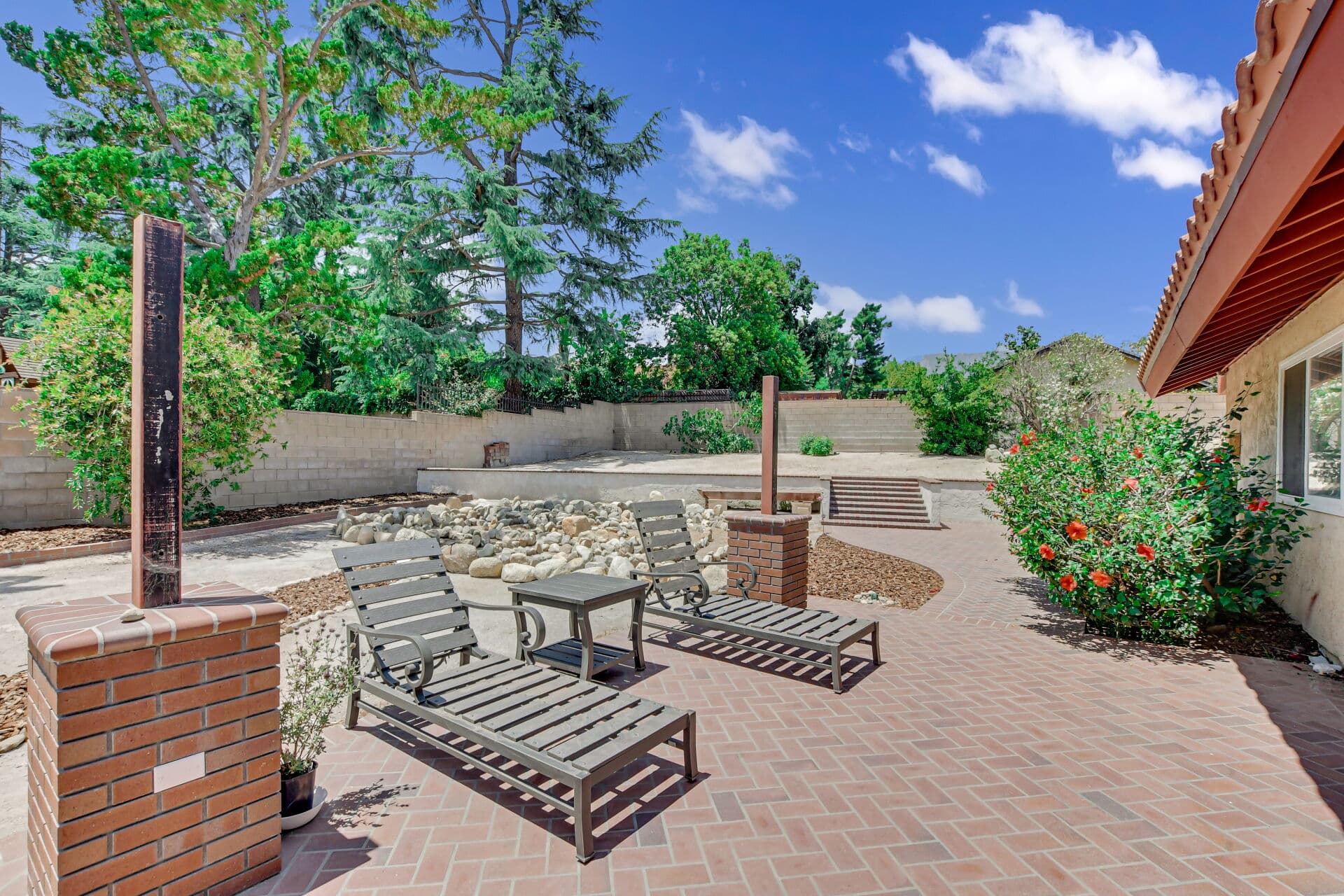
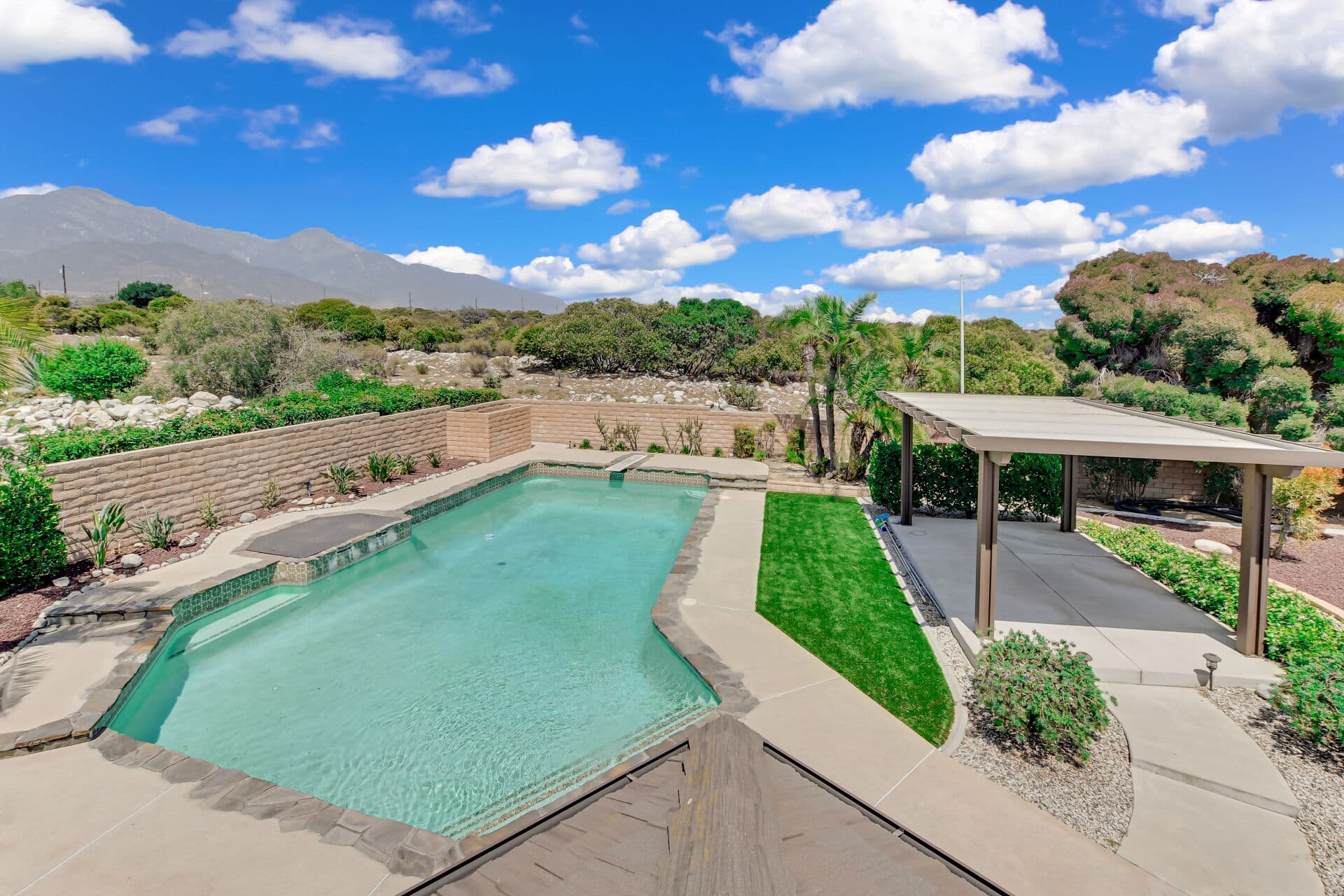
The prevailing type here is the postwar single-story house: three or four bedrooms, a simple rectangular or L-shaped footprint, a garage facing the street, and a back yard with room for a real tree and a real patio. Some blocks are tract-built with a handful of repeating plans; others fill in around them with later construction and with additions from every subsequent decade.
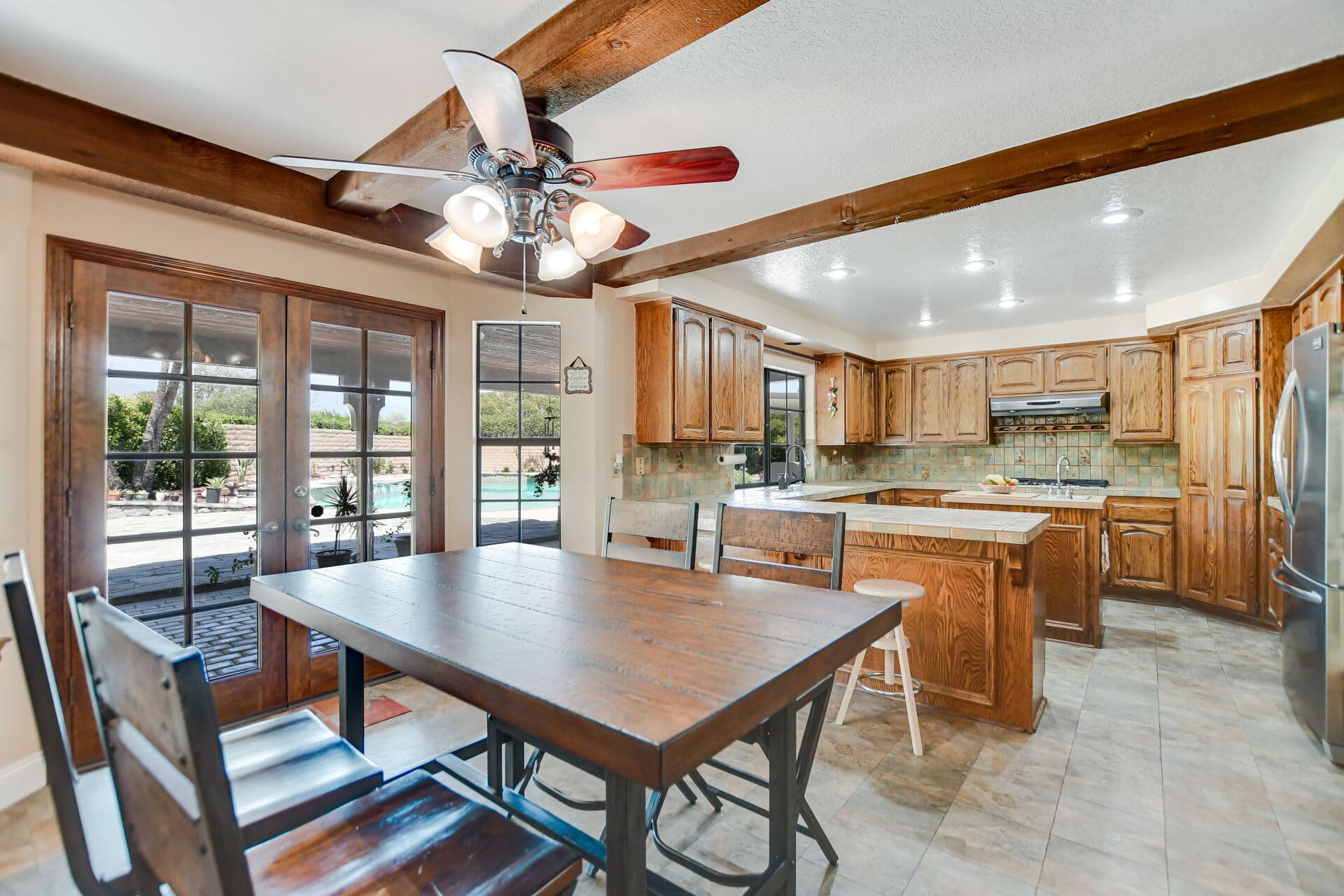
The practical advantages are unglamorous and substantial. Single-story living is easier to age in and easier to maintain. Flat lots are cheaper to landscape and drain more predictably. Regular floor plans take remodels well, which is why so many houses in this band have had kitchens and primary suites reworked, and why so many still have obvious upside for a buyer willing to do it.
The inspection list is the ordinary one for a house of that era, with three items I always flag: sewer lateral condition, electrical panel capacity for modern loads, and the quality of any addition or garage conversion. Ask for permits on anything that looks newer than the rest of the house. Unpermitted square footage is common everywhere in Southern California, and it is easier to price honestly when you know about it before the appraisal does.
What daily life looks like
Life in South Claremont is car-centered in the ordinary suburban sense, but the distances are small. The Village is a short drive rather than a walk, and freeway access is the band's structural advantage: for a household with a regional commute, the minutes saved every workday are real and they compound.
What you trade is the walk-out-the-door proximity that defines the core. If you want to stroll to dinner, this is not the band, and no amount of house will fix that. The comparison worth reading before you decide is the walkable Claremont guide, which is honest about which parts of town actually work on foot and which do not.
What you gain besides the freeway is space and quiet of a different kind: interior residential streets with low through traffic, room for vehicles and projects, and neighbors on lots large enough that you are not living in each other's windows.
How to tell one flat block from another
This is the real skill in South Claremont, because from a moving car a dozen streets look the same. Four things separate them.
- Distance from the arterials. Proximity to a major road is convenience at the corner and noise in the bedroom. Walk to the nearest arterial from a candidate house and count the minutes; then stand in the back yard and listen.
- Tree canopy. Mature street trees change a block's temperature, its light, and its feel. Blocks that were planted early and maintained look and live differently from blocks that were not.
- Lot depth and orientation. Two houses of the same size can have very different yards. Which direction the back yard faces decides whether it is usable in the afternoon.
- What owners are doing. Roofs, windows, paint, and landscaping across a block tell you the trajectory of the street more reliably than any description.
The edges, and why they matter
South Claremont runs toward the city's southern boundary, and boundaries are where jurisdiction questions get real. A mailing address and a city address are not the same thing, and the distinction affects which agency handles permits, services, and enforcement for a specific parcel. The full explanation is in the guide to zip code 91711, and it is worth ten minutes before you make an offer near an edge.
School attendance is the other edge question, and the answer is the same everywhere in this city: assignment is set by the district, not by neighborhood name or by any listing, and boundaries can change. Confirm the current assignment for the exact address directly with Claremont Unified in writing.
Who South Claremont fits
It fits buyers who want a real yard, a single-story floor plan, and predictable maintenance more than they want architectural pedigree. It fits commuters who value freeway minutes. It fits anyone planning to renovate, because the stock takes it well and the underlying layouts are forgiving. And it fits buyers who want the Claremont address and the town's civic life without paying the premium the walkable core carries.
It fits less well if walking to the Village is the point of moving here, if you want a period house with original detail, or if a mountain view is non-negotiable. Those are all elsewhere in town, and the wider comparison of what each band offers is laid out in how to choose your Claremont neighborhood.
How to tour it well
Drive the band once, end to end, on a weekday at commute hour rather than on a quiet Sunday. Note which streets carry traffic and which do not. Then pick two or three candidate blocks and walk them in the late afternoon, when yards are in use and the light tells you what the canopy is really doing. Finally, drive your actual commute from the doorstep, both directions. In a band whose central advantage is access, testing the access is not optional.
Where to go next
The complete index of Claremont area portraits and comparisons sits on the Claremont neighborhood guides hub. If you are weighing this band against the top of town, read the North Claremont guide next and compare the two maintenance profiles side by side.
Anthony Grynchal has been licensed in California since November 2009.
Frequently asked questions
What kind of homes are in South Claremont?
Mostly postwar single-story houses on flat, regular lots, with attached garages, straightforward floor plans, and usable back yards. Later infill and decades of additions are mixed in, so verify permits on anything that looks newer than the original structure.
Is South Claremont a good area for commuters?
Freeway access is the band's structural advantage, and the minutes saved on a regional commute add up every workday. Drive your actual route from a candidate doorstep at your real departure time before you decide.
What should I inspect in a postwar Claremont home?
Beyond a standard inspection, look closely at the sewer lateral, electrical panel capacity for modern loads, roof age, and the quality and permit status of any addition or garage conversion.
Can you walk to the Village from South Claremont?
For most of the band the Village is a short drive rather than a comfortable daily walk. If walking to the core is the reason you want Claremont, look at the blocks around the historic center instead.

Written by
Anthony Grynchal
Anthony Grynchal is a California real estate professional with eXp Realty, licensed since November 2009 (California DRE# 01873626), and the Designated Local Expert™ for Claremont — where he has lived for more than 33 years.
More about AnthonyPublished · Updated