Sellers tend to think of an open house as a Sunday afternoon. The people who run them think of it as the last two hours of a week's work. Whether anybody comes is decided long before the sign goes out, and a poorly promoted open house is not a soft market, it is a marketing failure with a convenient excuse attached.
Here is the sequence that fills a house, and what each part actually does. It deepens the open house guide.
The listing has to be findable first
Everything downstream depends on the listing itself, because most visitors decide to come from it.
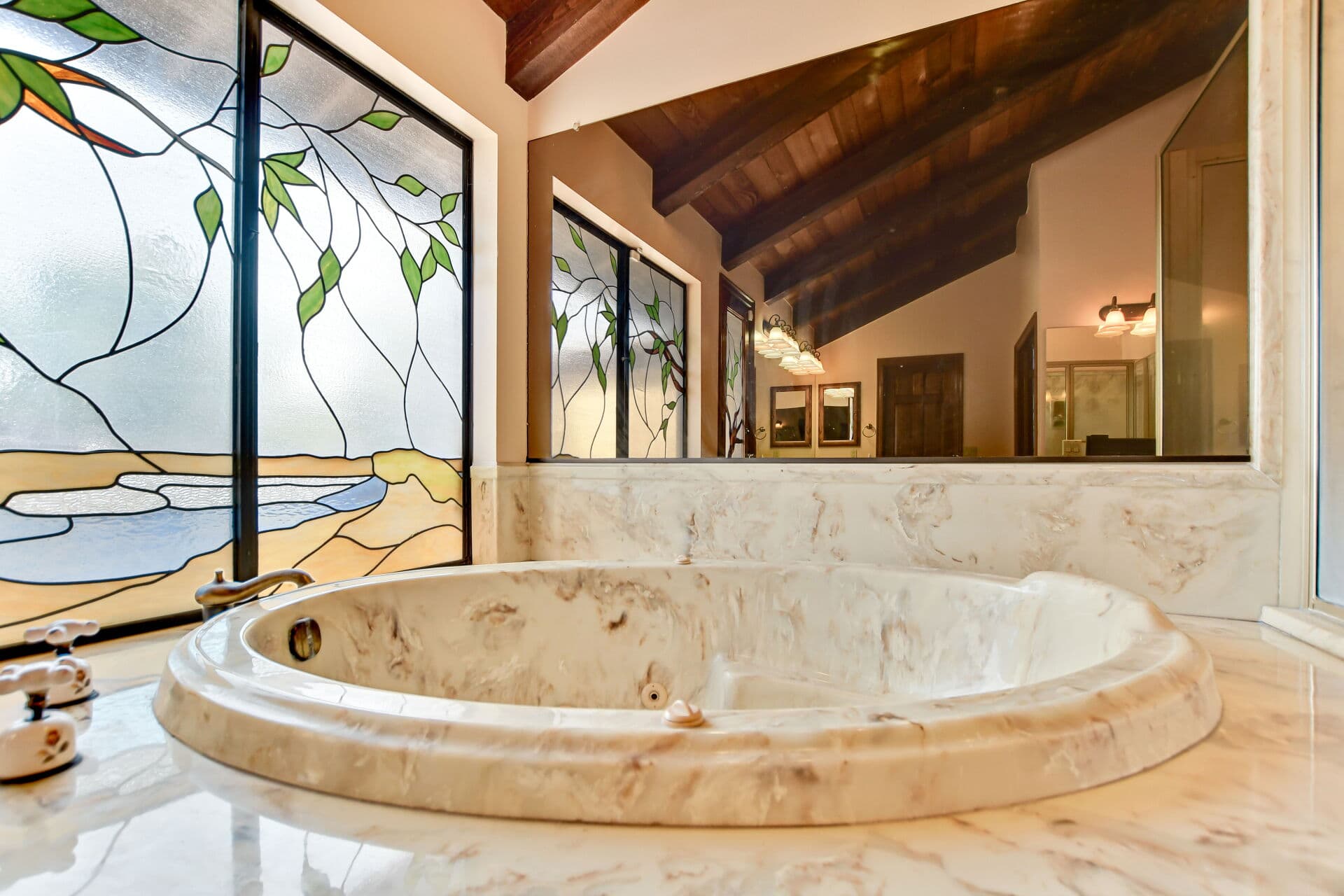
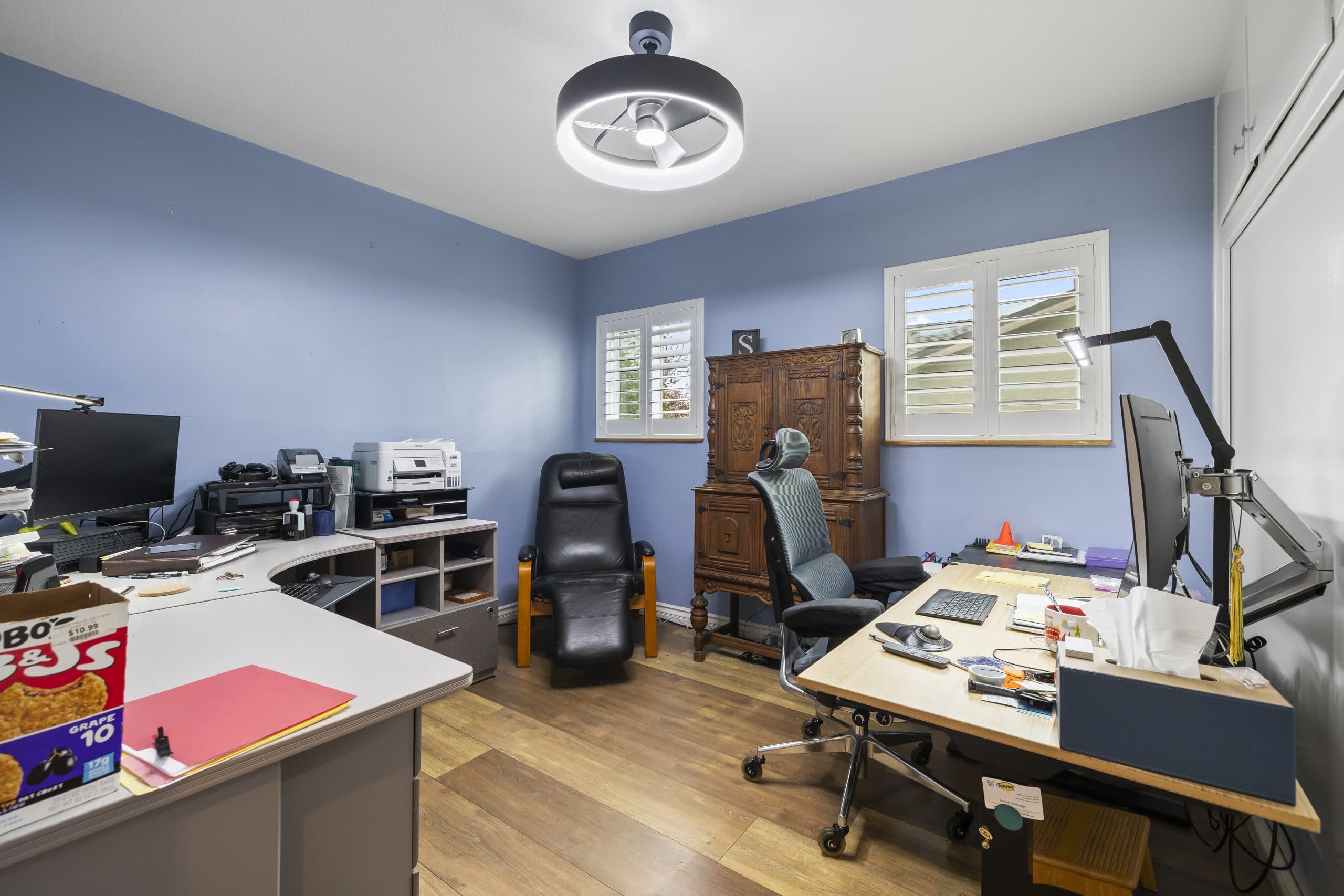
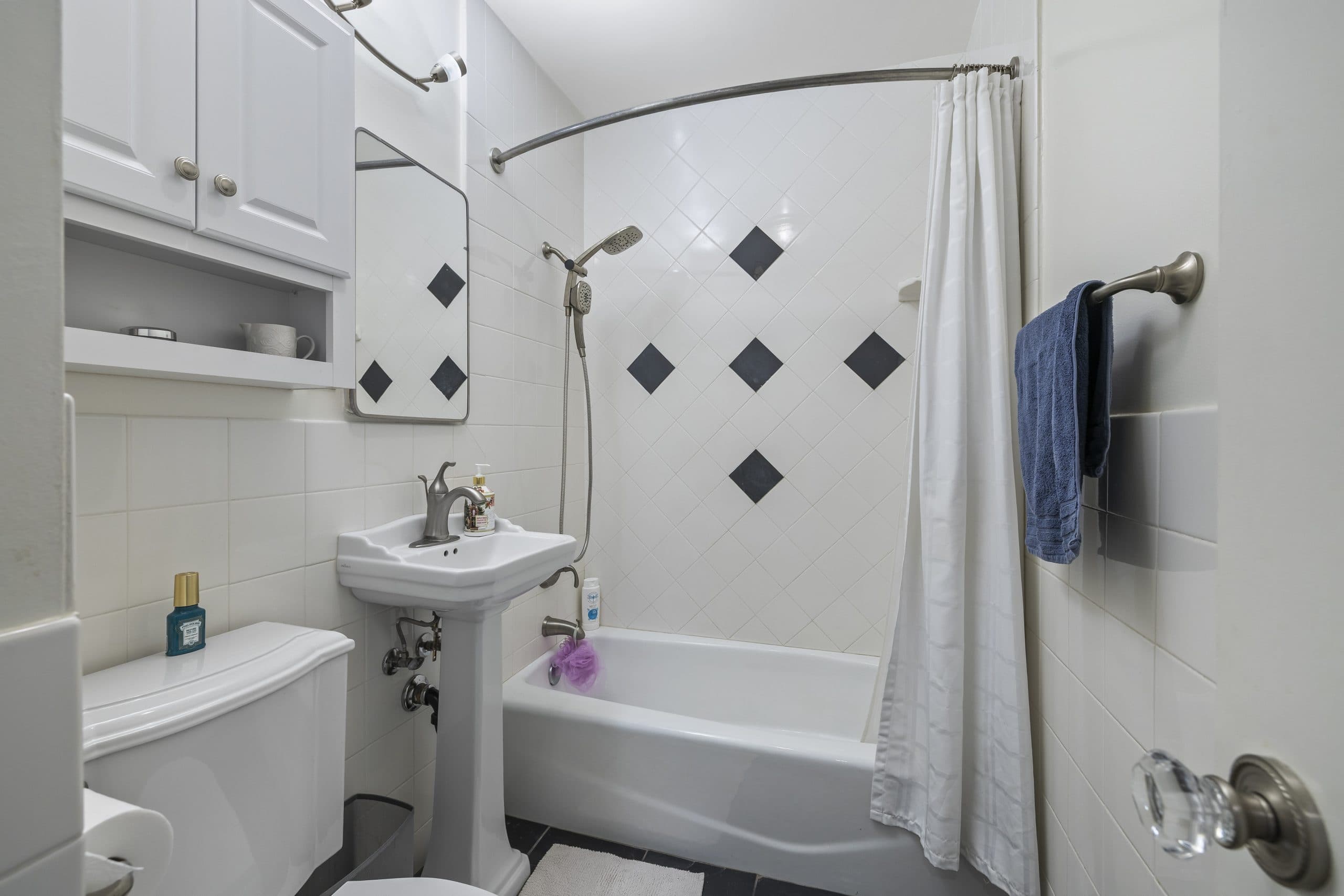
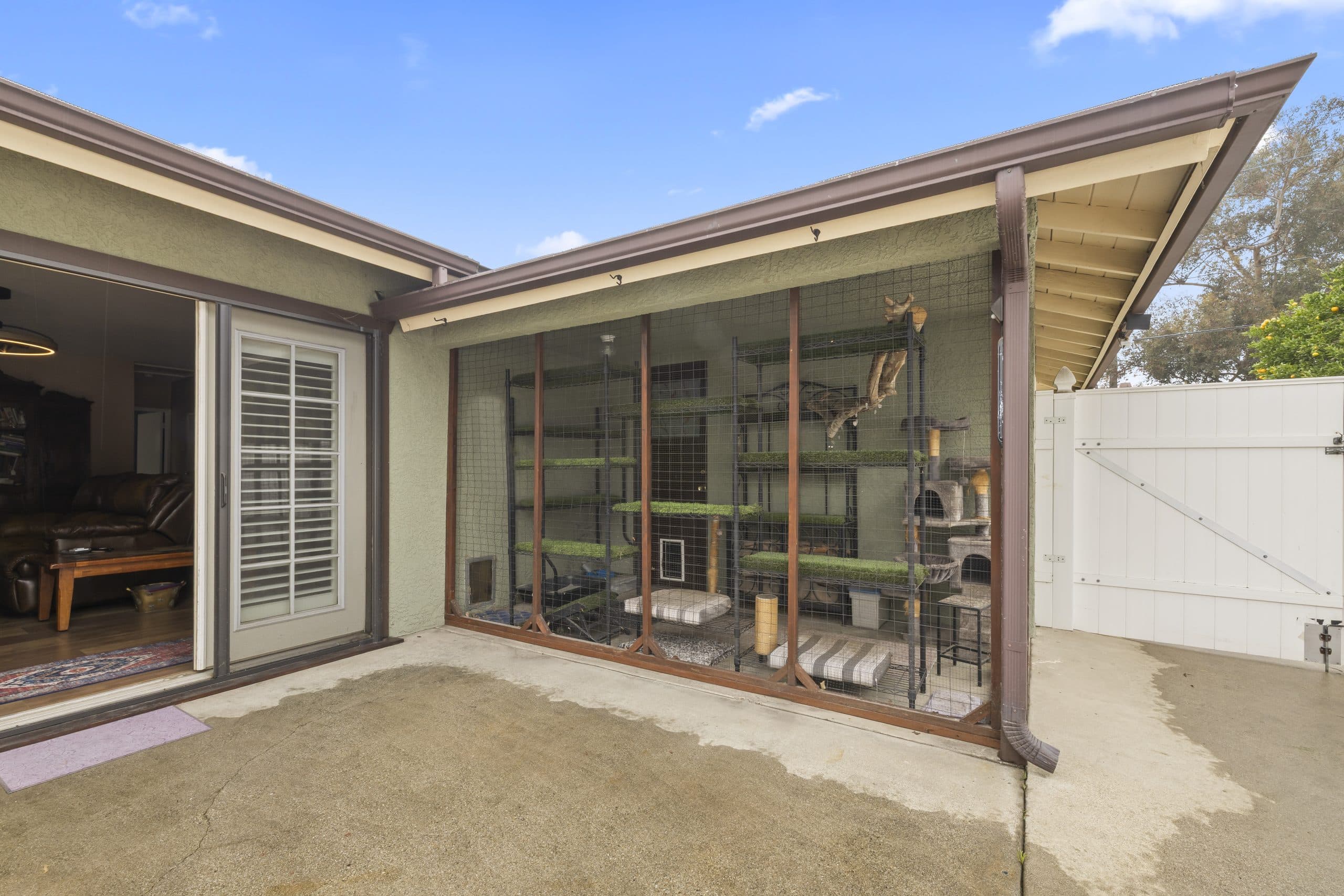
Photography does more work than any other single element, and it is not about flattery. It is about answering questions: what the layout is, what the light is like, what the outdoor rooms are, what condition the home is in. Listings that hide a room create suspicion, and suspicion keeps people away far more effectively than a plain room does.
The written description has to say what the house IS, plainly, and it has to say when the open house is. It should also stay strictly on the property. Descriptions of the sort of people a neighbourhood suits are a fair housing problem, not a selling point, and the copy in a well-run listing describes the property and the location rather than the buyer.
And the open house itself should be announced everywhere the listing lives, with the same times in each place. Contradictory times on two portals cost you the visitors who checked the wrong one.
The agent-to-agent layer, which most sellers never see
The highest-value attendee at any open house is an agent with a matching buyer. One of those is worth a great many browsers, and they do not turn up because a sign was placed well.
They come because they were told, individually, by someone who knows what their client is looking for. That means direct outreach to agents currently working with buyers in this price band and this part of town, ahead of the weekend, with the specifics they need to decide whether it fits.
A broker's preview earlier in the week does the same job in a different shape, and gives you frank professional feedback before the public sees the home. The broker's open article covers when it is worth running one.
The neighbourhood layer, which sellers underrate
Neighbours attend open houses, and sellers often treat that as a nuisance. It is closer to free distribution.
Neighbours know people who want to live on their street, and word from someone who already lives there carries weight that no advertisement matches. They also talk to each other, which is how a listing acquires a local reputation in the days after the event.
So tell the immediate neighbours the times in advance. It has a security benefit as well: a neighbour who knows Sunday afternoon is expected is also a neighbour who notices when Tuesday evening is not.
Signage, and the drive-by traffic nobody plans for
A meaningful share of any open house crowd did not plan to come. They saw an arrow.
Which means placement is a real decision rather than an afterthought: the approach routes people actually use, the corners that catch turning traffic, and enough of a sequence that somebody two streets away can follow it to the door. It also means placement has to be legal and considerate, which is a matter of knowing where signs are permitted rather than putting them wherever they will stand up. The signage article covers the local specifics.
Signs go out early enough to be seen by the traffic that precedes the window, and they come down promptly afterwards. Leftover arrows on a Wednesday are the clearest possible signal that nobody is paying attention.
Timing against the town
The calendar is a marketing decision. A window that collides with a major local event will lose you the afternoon; one that sits just after it can inherit the crowd that is already in town and already in a good mood.
Weather deserves the same treatment. A hot afternoon in this valley empties a street, and an early window can be worth more than the conventional one. Rain is more complicated: fewer visitors, but the ones who come are almost always serious, and a well-lit warm house on a wet day shows better than people expect.
What actually moves attendance, and what does not
Two things move it more than anything else. PRICE, because a listing that is obviously ahead of its market gets skipped by the agents whose clients would otherwise come, and no amount of promotion buys that back. And PRESENTATION as it appears online, because the photographs are the advertisement.
What moves it less than sellers hope: catering, elaborate extras, and anything that decorates the event rather than the property. They can make an already-good open house pleasant. They do not make people drive across town.
Volume is also the wrong measure. A crowded open house with no offers is not a success, it is an audience. Repeated feedback and second showings are the outputs that matter, which the feedback article takes further.
Two things marketing must not run over
Promotion never overrides the security plan. More visitors is more strangers in a seller's bedrooms, so the sweep still happens, medications and documents and valuables still leave, and a large home still gets two hosts.
And promotion never overrides the camera rules. Interior audio is disarmed and any running video is disclosed, because California is a two-party consent state for confidential communications. That does not change because the marketing worked.
How any of this is paid for, incidentally, is negotiable and set out in writing in the listing agreement. There is no standard, and marketing that appears from nowhere without a written basis is worth asking about.
Attendance is manufactured. It is manufactured in the week before, by decisions about photography, price, outreach and timing, and the Sunday is where you find out whether the week was any good.
Anthony Grynchal has been licensed in California since November 2009. This is general information rather than legal or financial advice.
Frequently asked questions
What actually gets people to an open house?
Price and presentation online, more than anything else. A listing obviously ahead of its market gets skipped by exactly the agents whose clients would have come, and photography is the advertisement. Direct outreach to agents working with matching buyers is the highest-value layer most sellers never see.
Do open house signs still matter?
Yes. A meaningful share of any crowd did not plan to come and simply followed an arrow. Placement is a real decision: the approach routes people use, the corners that catch turning traffic, and a sequence long enough to lead someone in. Signs must be placed legally, and taken down promptly afterwards.
Should neighbours be invited to an open house?
Yes. Neighbours know people who want to live on their street, and word from a resident carries weight no advertisement matches. Telling the immediate neighbours the times also has a security benefit, since a neighbour who expects Sunday afternoon will notice an unexpected Tuesday evening.
Does catering improve open house attendance?
Rarely. Refreshments and extras can make an already-good event pleasant, but they do not make people drive across town. They decorate the event rather than the property, and the things that genuinely move attendance are the price, the photography and who was told in advance.

Written by
Anthony Grynchal
Anthony Grynchal is a California real estate professional with eXp Realty, licensed since November 2009 (California DRE# 01873626), and the Designated Local Expert™ for Claremont — where he has lived for more than 33 years.
More about AnthonyPublished · Updated