Choosing a neighborhood is a bigger decision than choosing a house, and it is the one buyers make with the least information. Portals give you a boundary on a map and a set of photographs shot with a wide lens. Neither tells you what a street is actually like to live on.
An open house solves that, and not mainly because of the house. It is a legitimate reason to be standing on a particular block on a particular afternoon, and the hour around the visit is where the research happens. This deepens the open house guide.
Park two streets away on purpose
The single highest-value change to how most people visit an open house is refusing the closest space. Park a few minutes away and walk in.
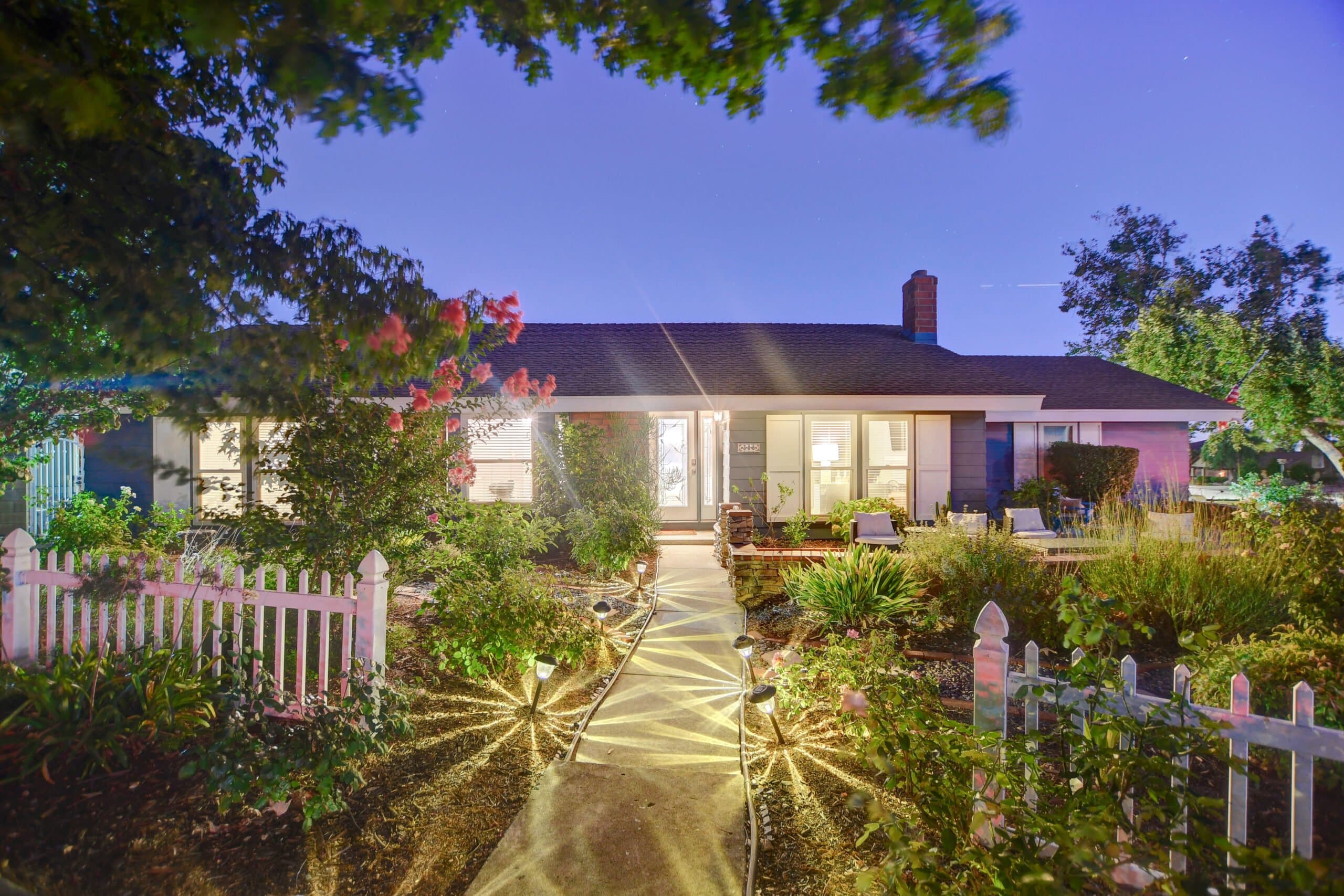
On that walk you get things no listing contains. How the neighbouring homes are kept, and whether the standard is consistent or scattered. Whether the canopy is mature, which in this town is a real difference in how a street feels and how a house behaves in August. Where the pavements go and whether they go anywhere. How much through traffic uses the street, and whether cars take it at a speed that suggests it is a shortcut.
Look at the cars, the bins, the gardens, the state of the kerbs and the street trees. You are not judging anybody. You are reading the maintenance level of the block, which is a good predictor of what the next ten years there will be like.
Read the housing stock, not just the house
Claremont's streets are legible if you look at them as groups rather than as individual properties.
Notice whether the block is one era or several. A street of consistent vintage tends to have consistent systems, consistent lot patterns and predictable maintenance questions. A street with a wide mixture usually means it has changed over decades, which brings variety and also brings additions of varying quality.
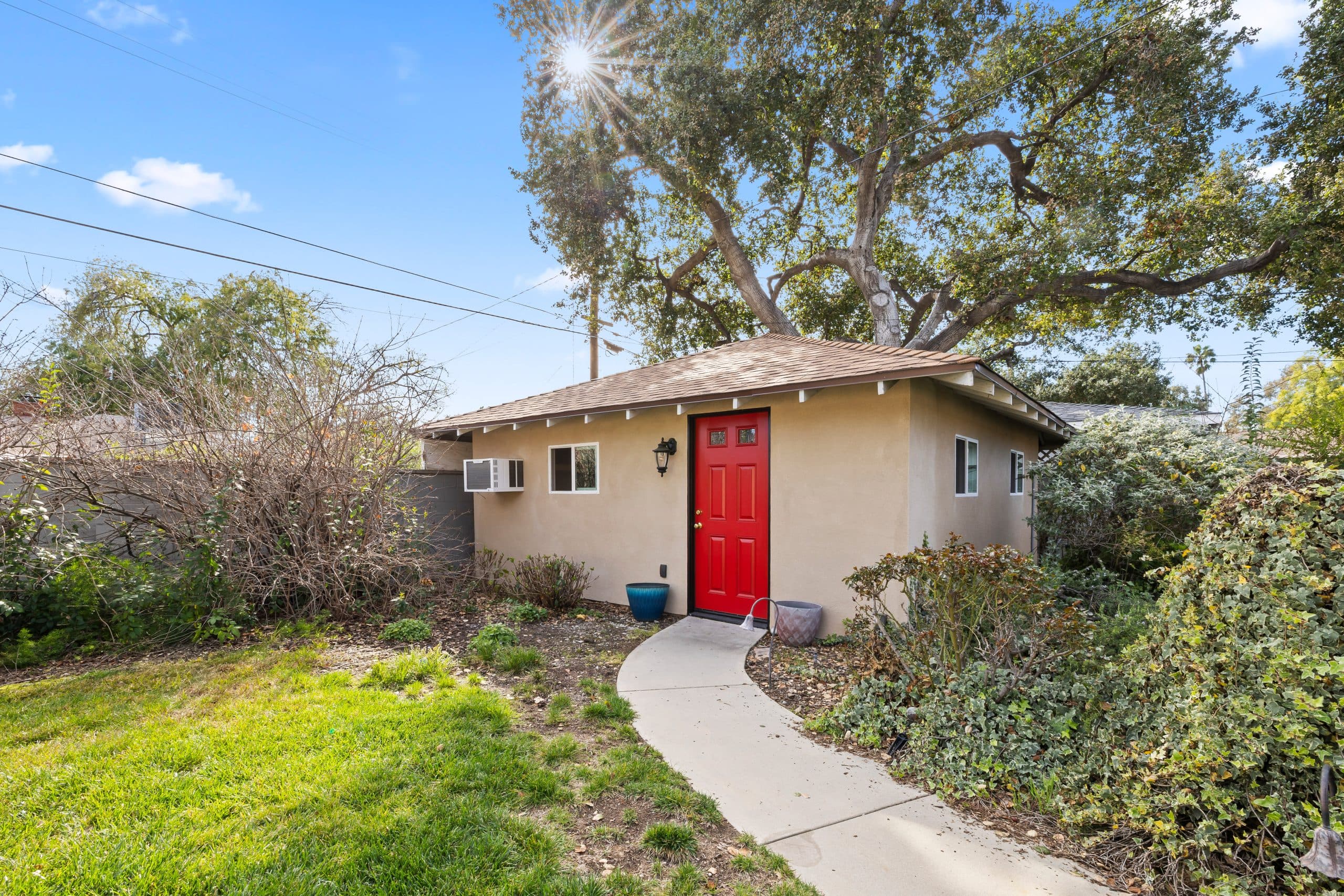
Notice what people have done to the houses. Additions to the rear, converted garages, second storeys, enclosed patios. That tells you what the neighbourhood tolerates and what buyers there have historically wanted, which matters for what you might do later. It is also a prompt to ask about permits, since work that appears in the street but not in the record is a conversation to have before an offer, not after.
The red flags article covers the property-level version of this; here you are reading the pattern across a dozen homes.
The questions worth asking the host about the area
Hosts get asked about the house all afternoon. Ask about the neighbourhood instead and you will often get a more useful conversation, and a more candid one.
What has sold nearby recently and what those homes were like. Why this street prices differently to the one behind it, if it does. What kind of buyer usually looks in this pocket. Whether homes here tend to come up regularly or rarely, because a street that turns over rarely is one you may need patience for.
Two boundaries on this. First, an agent will not and should not answer questions about the character of the people who live somewhere, and asking is putting them in a position they cannot lawfully occupy. Fair housing law means the conversation is about property, prices, streets and stock, and never about who lives there. Second, anything about schools, boundaries, zoning, permits or planning is something to verify directly with the school district or the city rather than take from a conversation at a door.
Go back at a different hour
A Sunday afternoon is a neighborhood at its most flattering, and that is precisely the problem. Everything you learn at two o'clock needs a second reading.
Go back on a weekday at commute time and see what the traffic does. Go back after dark and look at the lighting, the noise and how it feels to walk from a parked car to a front door. Go back on a weekday morning if there is a school nearby, because the pattern around drop-off is a genuine daily fact of living there.
In the foothill neighborhoods, go back in the late afternoon specifically. Once the sun comes off the mountains the temperature, the light and the character of those streets change in a way that a midday visit does not show you at all.
Use several open houses on one street as a series
One house tells you about one house. Three or four homes on and around the same street over a season tells you about the street.
You start to see the shared conditions. Whether the lots drain in the same direction and what people have done about it. Whether the same era of roof is reaching the same stage across the block. Whether the plumbing and electrical questions repeat, which they usually do in a consistent-vintage neighbourhood. Whether the same street noise appears in every back garden or only in some.
Those repeated features are the neighbourhood's actual maintenance profile, and knowing it before you buy is what turns an unpleasant surprise into an expected line item.
What an open house cannot tell you
Be honest about the limits or you will over-trust a pleasant afternoon.
It cannot tell you about seasons you have not seen. Heat, rain, wind and the way a lot handles water are all things a dry Sunday hides completely. It cannot tell you about neighbours, and you should not be forming views about people anyway. It cannot verify anything official: boundaries, permitted structures, zoning, planned work in the area and school assignment all come from the city, the county or the district, in writing.
And it cannot tell you what a street will be in ten years. Nothing can. What you can read is the direction of travel: whether homes are being invested in or run down, whether the stock is being updated or left, whether the block looks like it is on the way somewhere.
Keep a neighborhood file, not a house file
Most buyers keep notes about properties, which is the less useful half. Keep notes about places.
One page per pocket of town. What the stock is, what you liked, what recurred, what the street felt like at different hours, what you would want to verify. Add to it every time you visit. After a season you will have an opinion built from your own observations, which is worth considerably more than an opinion assembled from a portal.
That file is also the most useful thing you can hand an agent when you are ready. It says where you want to be and why, in specifics, and it makes the search a matter of waiting for the right house rather than working out what you want while you look at it.
One last practical note: you are a guest in a home while you do this. Stay inside the tour, do not open what is not part of it, and assume the doorbell sees you, because it very likely does. For the manners of the visit itself, see the etiquette guide.
Anthony Grynchal has been licensed in California since November 2009. This is general information rather than legal or financial advice, and boundary, zoning and permit questions belong with the city and the district.
Frequently asked questions
How can open houses help me choose a Claremont neighborhood?
They give you a legitimate reason to spend an hour on a specific block. Park a few streets away and walk in, so you can read the canopy, the pavements, the through traffic and how consistently the neighbouring homes are kept. Most of that research happens outside the house, not inside it.
What should I ask a host about the neighborhood?
What has sold nearby and what those homes were like, why this street prices differently to the one behind it, what kind of buyer usually looks in the pocket, and how often homes come up. Questions about who lives somewhere are not ones an agent can lawfully answer, and school or zoning facts should be verified directly.
Why go back to the street at a different time of day?
Because a Sunday afternoon is a neighborhood at its most flattering. Commute-hour traffic, lighting and noise after dark, and school drop-off patterns are daily facts a midday visit conceals. In the foothill streets, the late afternoon changes the light and temperature noticeably.
What can an open house not tell me about an area?
Anything seasonal, such as heat, wind, or how a lot handles heavy rain, and anything official. Boundaries, permitted structures, zoning and school assignment must be confirmed with the city, the county or the district in writing rather than taken from a conversation at the door.

Written by
Anthony Grynchal
Anthony Grynchal is a California real estate professional with eXp Realty, licensed since November 2009 (California DRE# 01873626), and the Designated Local Expert™ for Claremont — where he has lived for more than 33 years.
More about AnthonyPublished · Updated