Somebody in the family does not accept the will. Perhaps a later document appeared that nobody had seen. Perhaps a sibling believes a parent was not themselves near the end, or that someone was standing too close when the signature happened. Perhaps the terms simply differ from what the family had always been told. Whatever the trigger, a challenge changes the emotional temperature of an estate immediately, and everyone starts asking the same practical question: what happens to the house now? The answer is usually calmer than the mood in the room. This article covers the shape of a contest and its effect on a property. It deepens the probate guide and sits beside the multiple heirs guide and the executors and administrators guide. This is general information and NOT legal advice; a probate attorney and the court decide everything of substance here, and nothing in this article predicts how any court will rule.
What a contest is, in outline
A will contest is a formal challenge to the validity of a will, raised in the probate case by someone with standing to bring it. California recognizes several grounds, among them questions about how a document was executed, about a testator's capacity, about undue influence, and about whether a later document revoked an earlier one. Each has its own legal standard, and each is decided on evidence rather than on conviction.
Two consequences follow that are worth knowing early. The first is that a contest is EXPENSIVE in time as well as money, and the cost usually falls on the same estate everyone is arguing about. The second is that many wills contain a NO-CONTEST CLAUSE, and California law limits when such clauses can be enforced. Whether one applies to you, and what it would mean if it did, is one of the first questions to put to counsel before anyone files anything.
What it does to the house
A dispute about a document does not necessarily freeze a property, and it does not by itself change who is responsible for looking after it. The practical effects usually run along three lines.
AUTHORITY. Where the will itself is in question, the appointment made under it may be in question too, and a court has tools for that, including appointing someone on a limited basis to preserve the estate while the dispute proceeds. What that means for your case is your attorney's call, not an article's.
SALE TIMING. Some estates continue to sell property during a contest, particularly where the dispute concerns who receives the proceeds rather than whether the house should be sold at all. Others do not. The distinction is often exactly that: is the argument about the ASSET or about the SHARES? A fight about percentages does not always require a house to sit empty for a year.
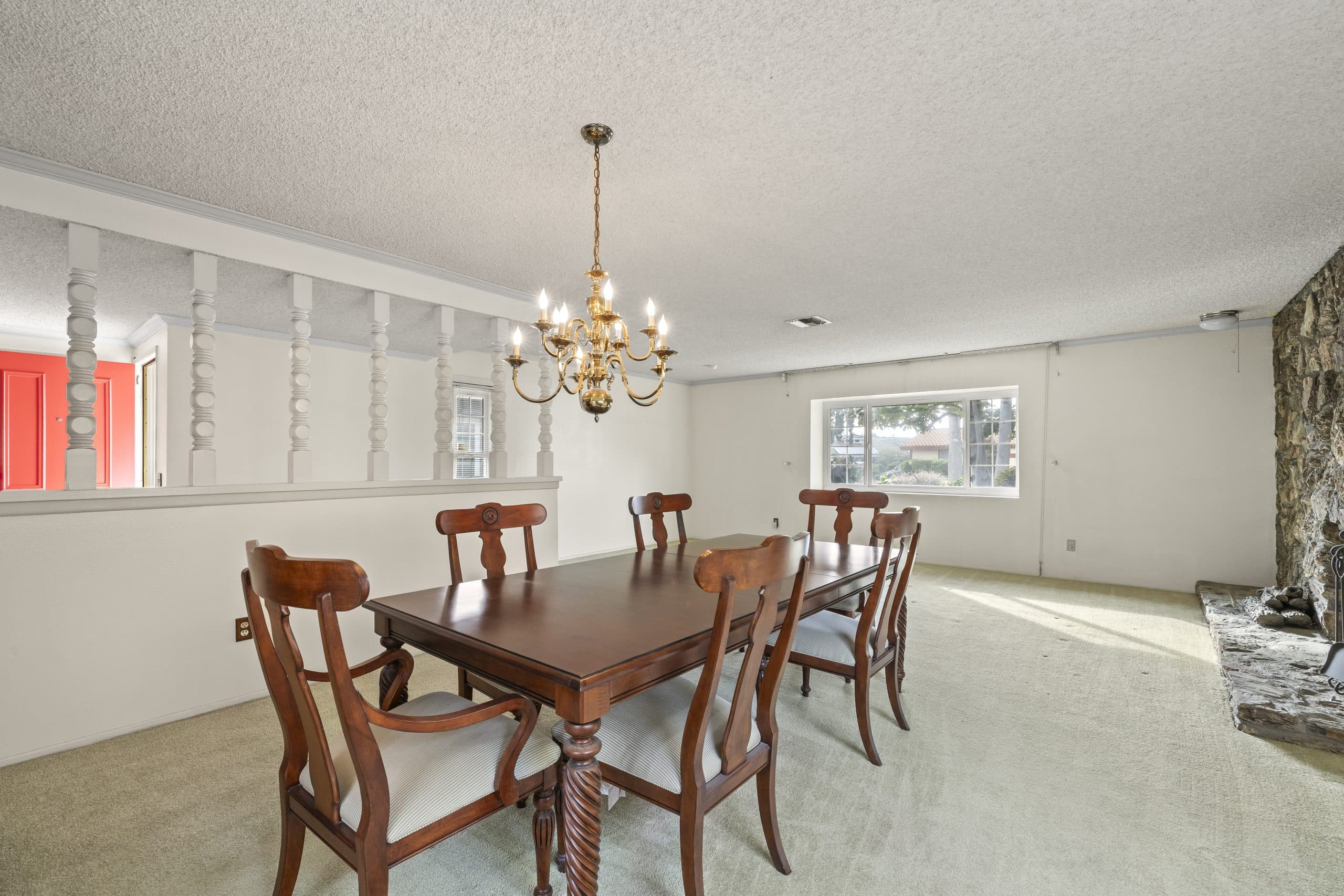
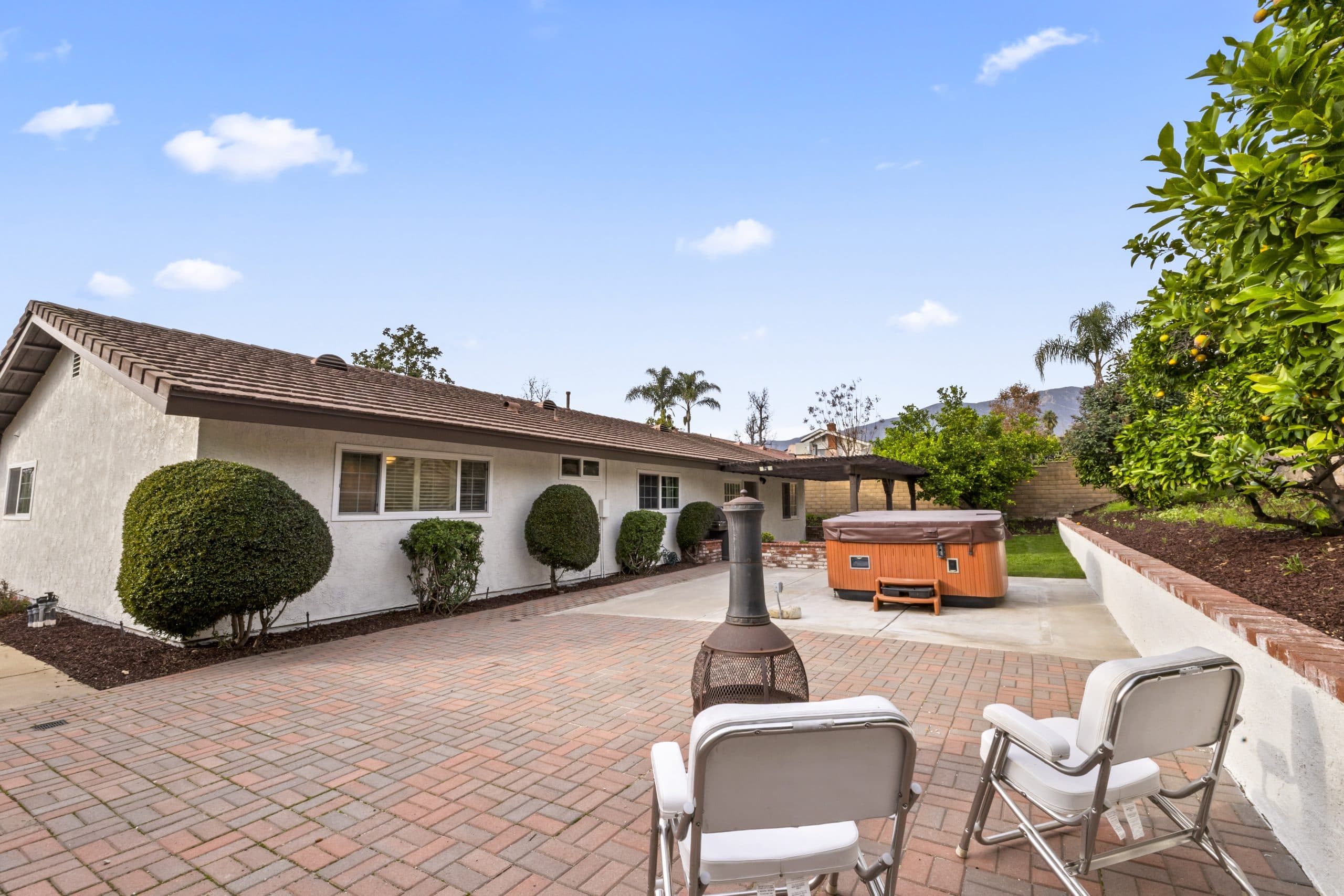
CARRYING COSTS. This is the part families underestimate. While the lawyers work, someone still has to keep the insurance current, the property taxes paid, the utilities and irrigation running, and the house watched. An empty Claremont home deteriorates in ways that reduce what everyone eventually receives, and the vacant inherited homes guide covers what carriers expect. A contest is not a reason to stop maintaining the asset. It is a reason to be scrupulous about it.
Documents settle these; feelings rarely do
The most useful thing a family member can do, on either side, is gather RECORDS rather than arguments. The original will and every prior version. Any trust documents, funded or not. The deed and the title history, since a property held with a right of survivorship may never have been the will's to give - see the joint tenancy and survivorship guide. Attorney files, medical records where capacity is genuinely at issue, correspondence, and the identity of witnesses.
That work has a second benefit. It frequently ends the dispute. A meaningful share of contests dissolve once someone actually reads the deed, or finds the later document everyone assumed was lost, or learns that the account they were counting on had a named beneficiary all along. The disagreement was real; the facts were simply missing.
The family cost, and the way through it
Be honest about what a contest does to people. Siblings who fight through lawyers about a parent's house often do not recover the relationship, and the estate pays for the privilege. That is not a reason to abandon a legitimate claim - some challenges are entirely justified and some documents genuinely should not stand - but it is a reason to ask early whether the dispute is about the will or about something older that the will happens to be carrying.
Mediation exists, family settlement agreements exist, and a buyout is often available where the real question is who ends up with the house rather than who was wronged; the sibling buyout guide covers that route. If grief is doing most of the talking, the emotional side of a probate sale is worth reading before the next family call.
Take the legal question to a probate litigator, take the property question to someone who can keep the asset intact while it plays out, and try to keep those two conversations separate. This is general information; your attorney and the court govern. Anthony Grynchal has been licensed in California since November 2009 and has watched contested estates hold their value when someone kept the house cared for, and lose it when everyone was too angry to water the yard. Start at the probate hub, and read the multiple heirs guide next.
Frequently asked questions
What are the grounds for contesting a will in California?
California recognizes several, including questions about how the document was executed, about the testator's capacity, about undue influence, and about whether a later will revoked an earlier one. Each has its own legal standard and is decided on evidence. Take the question to a probate litigator before filing anything.
Does a will contest stop the house from being sold?
Not automatically. Some estates continue to sell while a dispute proceeds, particularly where the argument concerns who receives the proceeds rather than whether to sell at all. Others pause. Your attorney and the court decide, and no article can predict how a particular judge will handle it.
Who maintains the property during a contest?
Someone must, whatever the dispute. Insurance, property taxes, utilities, irrigation and basic security continue, and a house left to deteriorate reduces what every party eventually receives. Ask the attorney who is authorized to pay for what, and keep records of anything advanced personally.
What is a no-contest clause?
It is a provision intended to discourage challenges by penalizing a beneficiary who brings one. California law limits when such clauses may be enforced, and the analysis is specific. Ask counsel whether one exists in your document and what it would mean in your circumstances before taking any step.

Written by
Anthony Grynchal
Anthony Grynchal is a California real estate professional with eXp Realty, licensed since November 2009 (California DRE# 01873626), and the Designated Local Expert™ for Claremont — where he has lived for more than 33 years.
More about AnthonyPublished · Updated