Somewhere in the second month, an envelope arrives addressed to a person who has died. A card balance. A medical bill from a hospital stay nobody wants to think about again. A collection notice for something the family has never heard of. The instinct is to pay it, quietly, out of a personal account, so the pile gets smaller. That instinct is understandable and it is usually the wrong first move. Debts of a California estate run through a claims process that the court, not the family, governs, and the order in which things get paid is a legal question with real consequences for the personal representative. This article covers the shape of that process and how it touches the sale of the house. It deepens the probate guide; the road it sits on is the California probate timeline, and who holds authority to act at all is the executors and administrators guide. This is general information, not legal or tax advice; a probate attorney and the court govern the specifics of any estate.
Why a house sale and a debt list are the same conversation
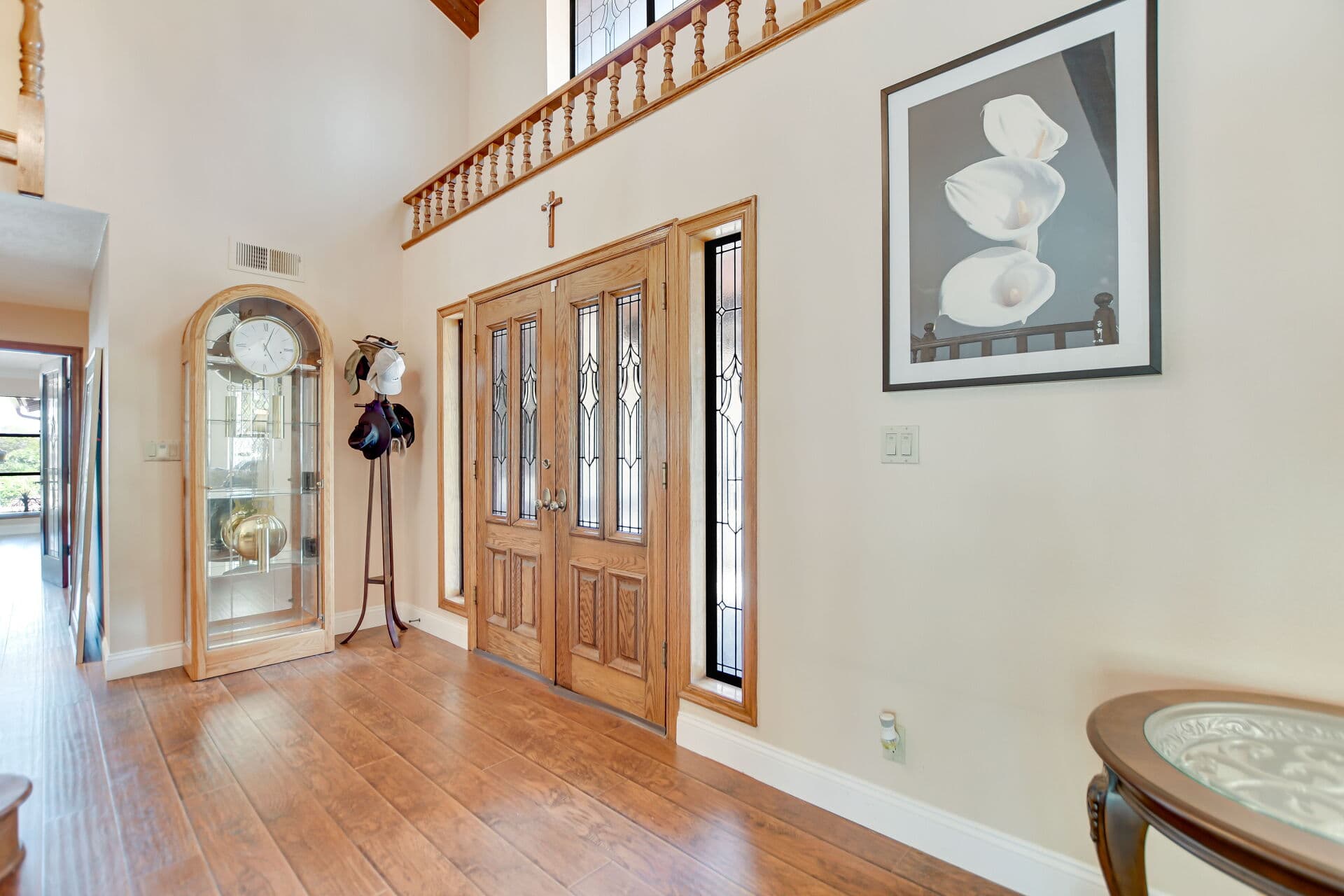
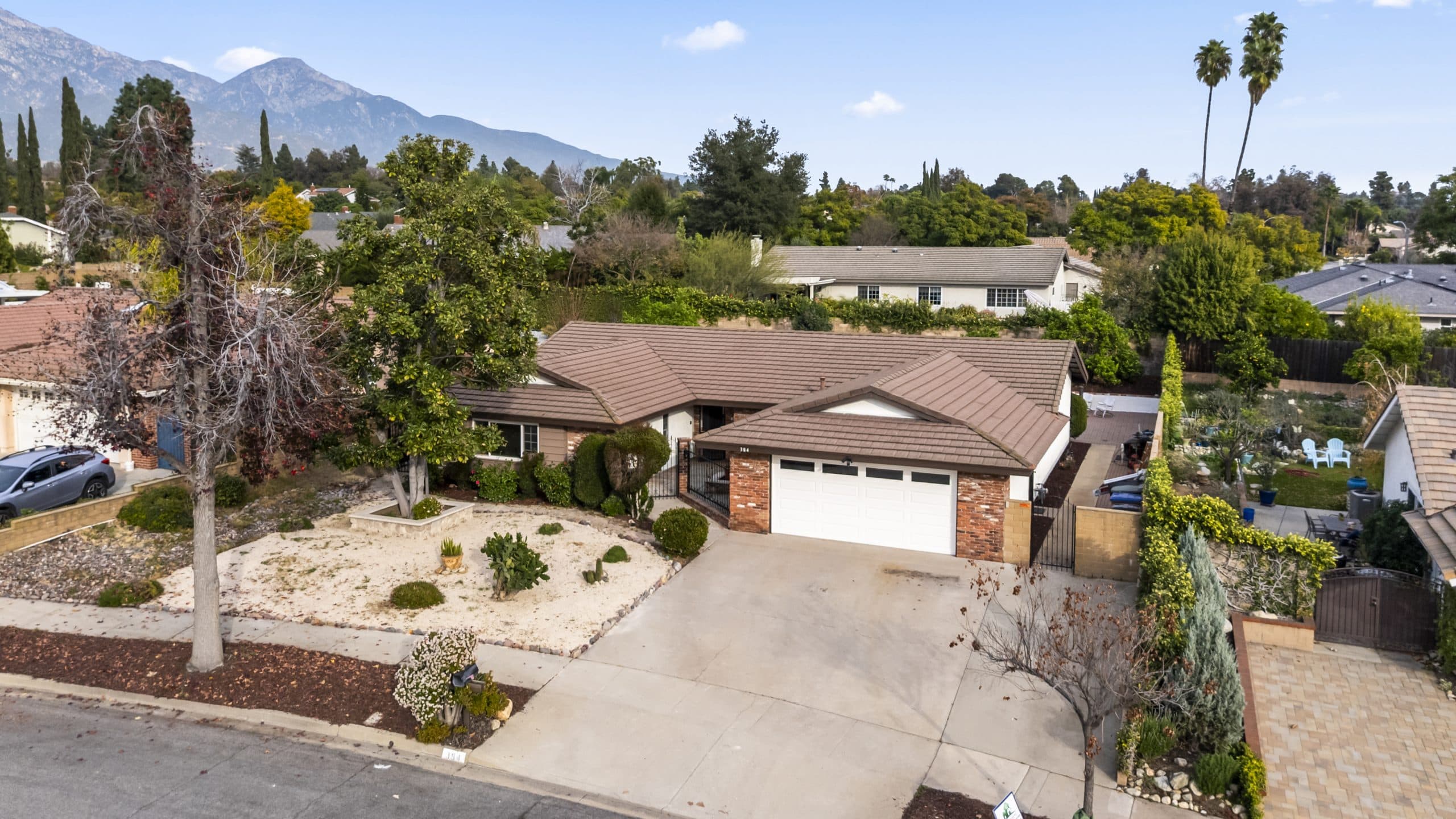
For most Claremont families the house is the estate. There is a bank account, a car, some furniture, and then there is a home that has held one family for decades. That imbalance is why creditors and the property end up in the same sentence: if the estate owes money, the money generally has to come from somewhere, and the somewhere is often the sale.
This is also why an early distribution is such a problem. Handing an heir their share before the estate's obligations are settled can leave the personal representative personally exposed, and it can be very difficult to get money back once it has left. The discipline that protects everyone is dull and simple: identify what is owed, follow the process for it, and distribute at the end rather than the beginning. If the house is empty while that plays out, the practical burdens are covered in the vacant inherited homes guide.
Notice, claims, and the difference between a bill and a claim
California's probate code sets out a formal claims procedure. The personal representative gives notice to known and reasonably ascertainable creditors, creditors present claims to the estate within the statutory window, and the representative allows or rejects them. That is the machinery in outline. Every number attached to it - how long a creditor has, when the clock starts, what happens when notice was never given - is set by statute and by the facts of your case, so verify the current code with counsel rather than working from a summary.
The distinction worth carrying is this. A BILL is a piece of paper that arrives in the mail. A CLAIM is a bill that has been presented to the estate in the manner the code requires. They are not the same thing, and treating every envelope as an obligation is how estates pay debts they never owed. Some invoices turn out to be for accounts already closed, or for services never rendered, or for a person with a similar name. Others are entirely valid and will be paid in due course.
Certain ongoing costs sit in a different category from old consumer debt. Property taxes, insurance, utilities, and a mortgage on the house are expenses of preserving an estate asset rather than claims against the decedent, and they generally need to keep being paid while the estate is open. Ask your attorney to sort your list into categories before you write a single check, and keep receipts for anything you advance personally.
How this actually shapes a Claremont sale
Three practical effects show up over and over. FIRST, TIMING. Attorneys often want the claims picture reasonably clear before the estate distributes, and buyers of an estate home should be prepared for a schedule that answers to a court calendar rather than to a lender's preference. That expectation is easier to set at the start than to renegotiate in escrow.
SECOND, LIENS. A recorded lien against the property is a title problem, not a claims problem, and it will surface in the preliminary report whether or not anyone filed a claim. Deeds of trust, tax liens, judgment liens, and mechanic's liens all get resolved through escrow in the ordinary way. If the decedent received public benefits, the separate question of state recovery is covered in the Medi-Cal estate recovery guide.
THIRD, THE DECISION TO SELL AT ALL. Where obligations are meaningful and the estate's liquid assets are not, selling the house may become the practical answer even in a family that would rather keep it. Where the obligations are modest, an heir may be able to buy the others out and keep the home in the family instead. Both routes are legitimate; the difference is arithmetic and agreement, and the keep or sell guide works through the trade-offs.
What to do while the claims picture develops
Keep the estate's money separate from your own, in an estate account, with records that a court could read. Forward every notice to the attorney instead of answering it yourself. Do not promise a creditor a payment date, and do not promise an heir a distribution date. Keep the house insured, keep the utilities on, and keep the irrigation running, because a neglected property loses value that the estate will eventually need.
If a collector calls, you are allowed to say that the estate is in probate, that claims are handled through the court process, and that your attorney will respond. That sentence ends most of those calls. And if you are the one who has been fielding all of it while your siblings are three states away, the load is real - the emotional side of a probate sale is worth reading on a day when the paperwork feels heavier than it should.
Sequence beats speed here, as it does almost everywhere in probate. The estates that get into trouble with debts are rarely the ones that owed the most; they are the ones that paid the wrong thing first. This is general information; your attorney, your tax professional, and the court govern. Anthony Grynchal has been licensed in California since November 2009 and works alongside probate counsel so that the sale of the house fits the legal process rather than fighting it. For the wider picture, start at the probate hub and read the probate timeline next.
Frequently asked questions
Should an executor pay the decedent's bills right away?
Not without asking counsel first. California probate has a formal creditor claims procedure, and paying debts out of order or out of your own pocket can create problems for the personal representative. Sort the mail into categories with your attorney, keep the estate's money in an estate account, and pay in the sequence the process requires.
Do creditor claims stop a Claremont house from being sold?
Usually no. Claims affect where the proceeds go and when the estate can distribute, rather than whether the property can be marketed. Recorded liens are a separate title matter and are cleared through escrow. Confirm your own situation with a probate attorney before setting a schedule with a buyer.
What is the difference between a bill and a creditor claim?
A bill is correspondence that arrives in the mail. A claim is a demand presented to the estate in the manner the probate code requires, which the personal representative then allows or rejects. Verify the current code and its deadlines with counsel, since the timing rules are statutory and fact specific.
Who pays the property taxes and insurance while probate is open?
Those are generally costs of preserving an estate asset and are paid from estate funds while the case is open, rather than being treated as old debts of the decedent. Keep the policy in force, keep the utilities and irrigation running, and document every payment for the estate's accounting.

Written by
Anthony Grynchal
Anthony Grynchal is a California real estate professional with eXp Realty, licensed since November 2009 (California DRE# 01873626), and the Designated Local Expert™ for Claremont — where he has lived for more than 33 years.
More about AnthonyPublished · Updated