
An inherited Claremont home is rarely a blank property. It is a house with forty years of belongings in it, a garage that has not been fully emptied since the children were small, a kitchen from a different decade, and a family that is still grieving while being asked to make decisions about all of it. Preparing that home for sale is a sequencing problem more than a renovation problem, and getting the order right saves money, prevents conflict, and keeps the estate out of trouble. This article covers the sequence: authority, contents, condition, and market. It deepens the probate guide and assumes the groundwork in the probate sale process guide. General information only, not legal or tax advice; a probate attorney directs the estate.
Authority first, contents second
Nothing on this page happens before the court has appointed a personal representative and the attorney has confirmed what that appointment allows. Once it has, the contents come before the condition, and they deserve more patience than families usually give them. PERSONAL PROPERTY CAN BE ESTATE PROPERTY: jewelry, art, collections, tools, vehicles, and the occasional surprise in a closet are assets that may need to be valued and accounted for, not items to be divided by whoever arrives with a truck first. Documents matter more than they look — permits, plans, past appraisals, receipts for the re-roof, warranty paperwork, and the old survey are exactly what a Claremont sale of an older home needs later. Photograph rooms before anything moves. Agree, in writing, on how sentimental items will be allocated before the sorting starts; the multiple heirs guide exists because that conversation goes badly when it happens improvised, in a hallway, at the end of a long day. Use bonded and insured help for the heavy work, keep records of what was sold, donated, or discarded, and route anything of possible value past the attorney before it leaves the property. The emotional weight is real and worth naming — the emotional side of leaving a longtime home applies with double force when the person who lived there is gone.
Condition: how much is enough
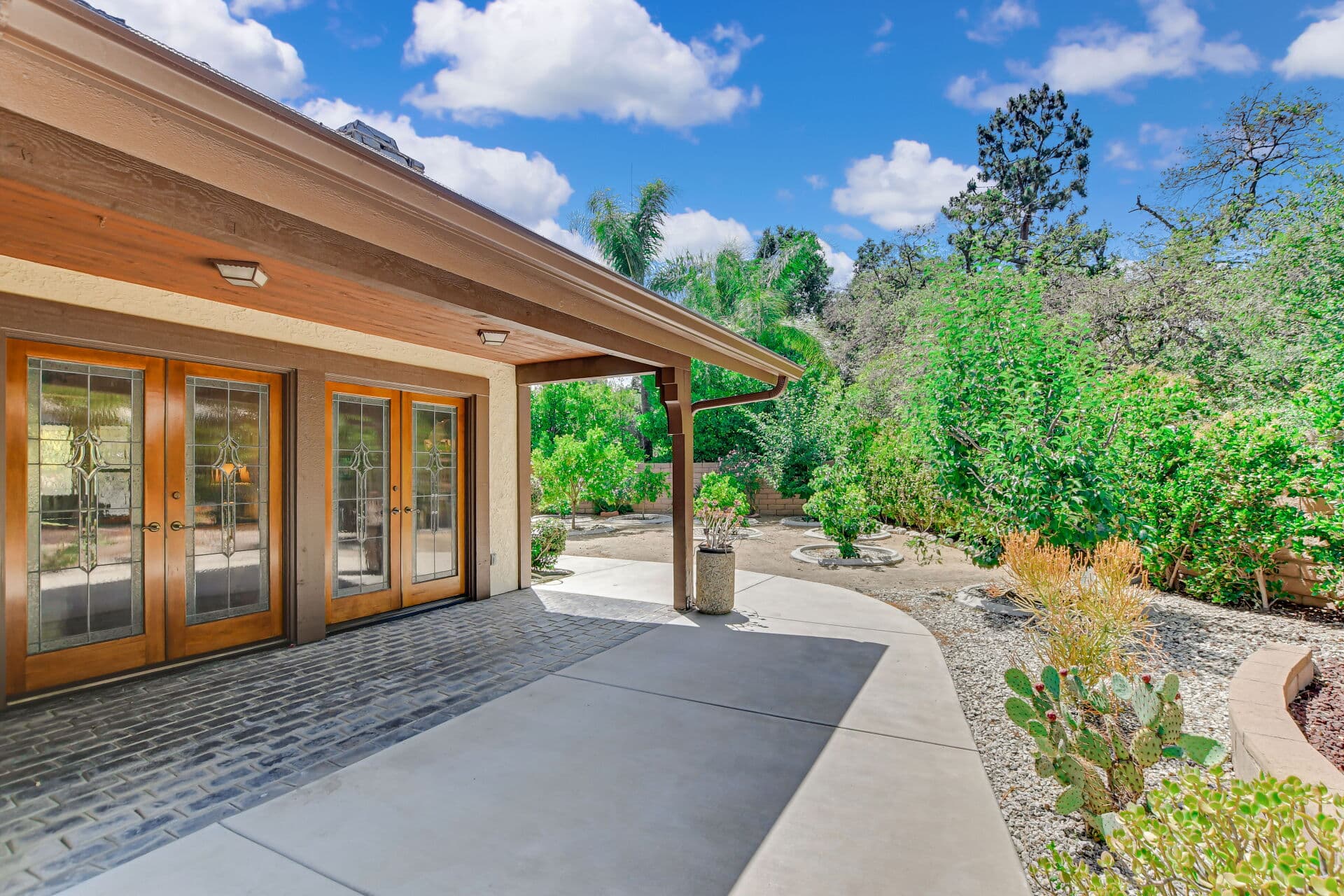
Estate homes present the same question every time: repair, refresh, or sell as-is. There is no universal answer, but there is a useful frame. THE ESTATE IS SPENDING THE HEIRS' MONEY, and it is spending it before anyone knows what the market will return, which argues for restraint and for decisions made with the attorney's knowledge rather than a sibling's enthusiasm. The work that tends to earn its place is the cheap, universal kind: a deep clean, hauling, yard cleanup and a return to real irrigation, fresh paint where it is genuinely tired, and repairs to anything that reads as a safety issue. The work that tends not to is a full kitchen remodel undertaken to chase a design trend, especially in a house whose next owner may well have their own plans. Deferred maintenance deserves honesty rather than concealment: old panels, original galvanized plumbing, roofs at the end of their service life, unpermitted conversions, and additions with no paperwork are common in this town's older stock and are all better disclosed and priced than discovered. A probate sale carries a narrower disclosure posture than an ordinary sale — the probate disclosures guide covers exactly what California exempts — but the exemption is from certain forms, never from honesty about what the representative actually knows. One more Claremont particular: estate homes often sit on lots where the landscaping was the owner's real hobby, and a mature yard brought back with water, pruning, and a weekend of raking moves a buyer's first impression further than any interior upgrade at the same cost. Ask the agent to walk the property with the attorney's constraints in mind and produce a short, prioritized list rather than a wish list — then decide it once, as an estate, and stop reopening it.
Holding the house while it is on the market
A vacant estate home is a liability with a lawn. Keep the insurance carrier informed and confirm how the policy treats an unoccupied property, since that is not a detail to learn after an incident. Keep the utilities on: inspections need power and water, buyers judge a dark house harshly, and Claremont's mature landscaping will not survive a summer of neglect — a dead front yard costs an estate more in price than the water bill ever did. Secure the property properly, remove anything valuable that remains, and arrange for regular checks. Then sell it as an estate rather than as a distress sale: order the reports the estate can order, get the paperwork you assembled into the file, and let the marketing tell the truth about a well-built older Claremont home rather than apologizing for it. If the appointment carries limited authority, expect the process to run on the court's schedule and structure the campaign accordingly — see the authority guide — and if it carries full authority, the sale can look much closer to an ordinary Claremont sale, with the estate's own record-keeping running underneath it. Set expectations with the heirs in writing as you go: what has been ordered, what will be repaired, what will not, and the reasoning behind each call. Estate sales turn contentious most often at the moment a beneficiary discovers a decision they would have made differently and learns about it after the fact. This is general information; the personal representative's duties, current law, and your probate attorney govern every decision above.
Anthony Grynchal has been licensed in California since November 2009 and has prepared enough inherited Claremont homes to say it plainly: the estates that did the least renovating and the most documenting almost always finished ahead.
Frequently asked questions
What order should an estate prepare an inherited home in?
Authority first, contents second, condition third, market last. Nothing proceeds before the court has appointed a representative and the attorney has confirmed the scope. Contents can be estate assets that need valuing, so clearing the house comes after that step, never before it.
Should an estate renovate before selling?
Usually far less than families expect. The estate is spending the heirs' money before anyone knows what the market returns, so the reliable work is cleaning, hauling, yard and irrigation recovery, paint where it is genuinely tired, and safety repairs. Large remodels chase a taste the next owner may not share.
Do we have to disclose problems in a probate sale?
California exempts probate sales from certain disclosure forms, but the exemption is from forms, not from honesty about what the representative actually knows. Deferred maintenance, unpermitted work, and aging systems are better disclosed and priced than discovered later. Confirm the estate's obligations with a probate attorney.
What should the estate do with a vacant Claremont home?
Tell the insurance carrier it is unoccupied and confirm how the policy responds, keep utilities and irrigation running so inspections work and the landscaping survives, secure the property, remove anything valuable, and arrange regular checks. A neglected front yard costs an estate more in price than the water ever did.

Written by
Anthony Grynchal
Anthony Grynchal is a California real estate professional with eXp Realty, licensed since November 2009 (California DRE# 01873626), and the Designated Local Expert™ for Claremont — where he has lived for more than 33 years.
More about AnthonyPublished · Updated