A steady share of the people I help arrive here are academics. Faculty taking a position at one of the colleges, researchers moving between institutions, administrators, librarians, spouses of all of the above. Over enough moves you start to see the same pattern, the same three attractions, and the same two miscalculations.
This is that pattern, written plainly. If you are relocating for a specific appointment, the college-job housing playbook covers the mechanics; this article is about the WHY, and about whether the fit is real for you.
Attraction one: the walk to work is a real option
This is the thing that changes lives, and it is oddly underweighted by people arriving from institutions where a campus sits inside a larger city.
The consortium campuses sit immediately beside a walkable town center. That means a house within genuine walking distance of an office is not a fantasy here. It is a normal outcome for people who prioritize it in their search. The consequence is not just a shorter drive. It is being able to go home between a morning seminar and an evening lecture, hosting a reading group without anyone crossing a freeway, and having a second household car become optional rather than assumed.
The trade is direct: proximity usually costs square footage. The homes closest to campus tend to be older and smaller than what the same budget buys further out. Nearly every academic household I work with has to make that call consciously, and the ones who decide it early have a much calmer search.
Attraction two: the intellectual calendar comes with the town
Because the colleges are inside the town rather than adjacent to it, the public-facing calendar is a civic amenity, not a campus perk. Lectures, concerts, exhibitions, film series, visiting speakers. You do not have to plan an outing to attend one; you walk over after dinner.
For people arriving from a large city, this is the surprising substitution. You lose the sheer volume of a metropolitan cultural scene and gain something you actually attend, because it is four blocks away and free.
Attraction three: it is a genuinely stable place to raise a household
Academic careers involve moves. What people usually want after the third one is somewhere that does not require another. Claremont's slow pace, deep street canopy, small scale and protective planning culture add up to a town that changes gradually. That is precisely the complaint some newcomers have, and precisely the appeal for a household that wants to stop moving.
On schools: I do not publish rankings, and I would treat any article that does with suspicion. What matters practically is the attendance boundary for the specific address you are considering, and those change. Confirm directly with Claremont Unified School District before an offer depends on it.
The first miscalculation: the calendar
Academic hiring runs on a cycle that does not align with the housing market's. Offers land in late winter and spring; start dates are in summer. That funnels a large number of relocating academics into a narrow shopping window, all looking near the same campuses at the same time.
Two consequences. First, the summer window is competitive for exactly the walkable inventory this group wants. Second, people arriving in that window often try to compress town orientation, house selection and a cross-country move into the same eight weeks.
The fix is to start earlier than feels necessary. Get fully underwritten before you shop, not casually pre-qualified. And take the pressure off by treating a first-year rental as a legitimate strategy rather than a failure. Renting before you buy is a stronger play than most arriving buyers want it to be, particularly when you do not yet know which part of town matches your working life.
The second miscalculation: assuming the town is only the campus
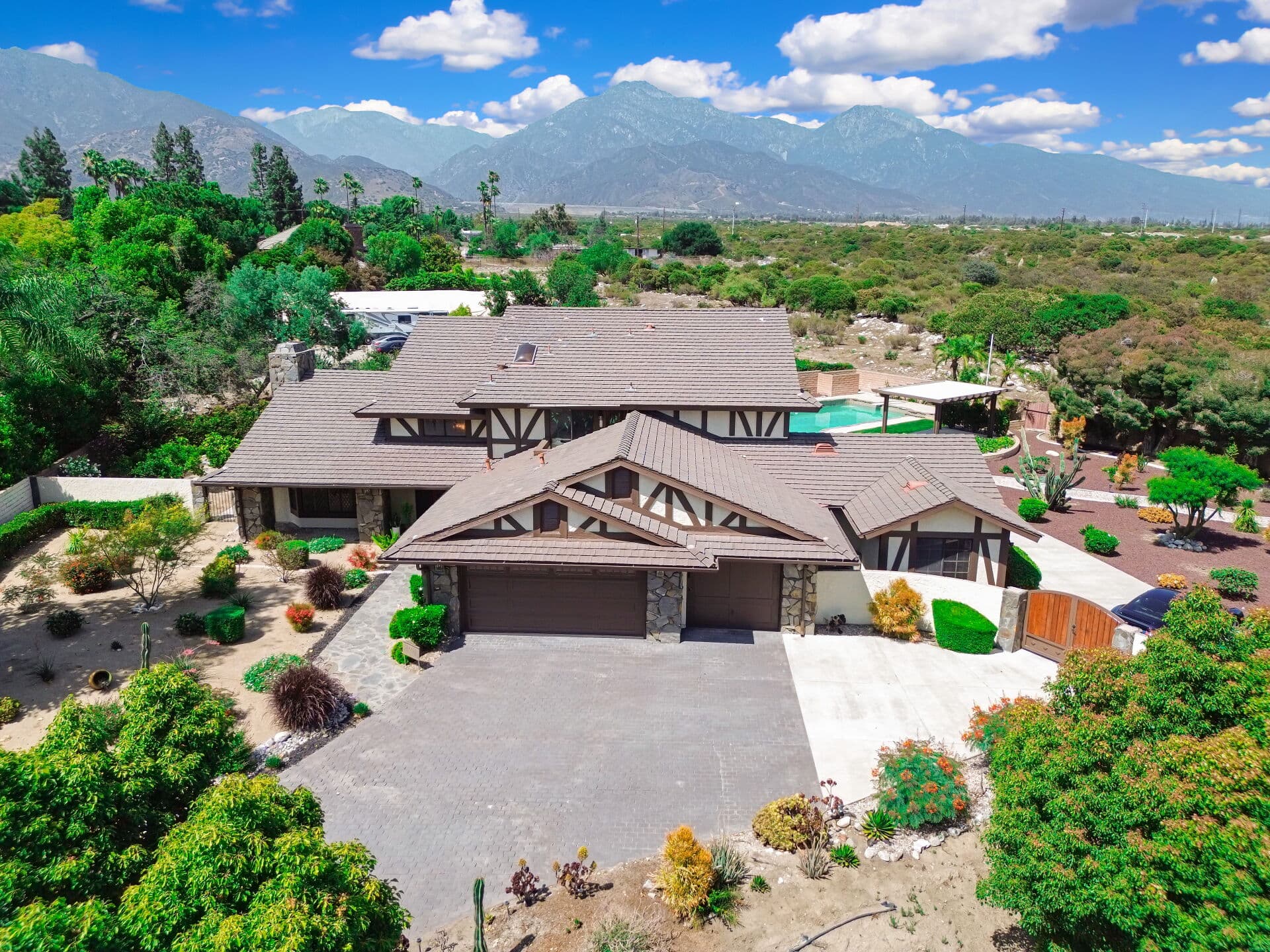
Academics sometimes arrive with a mental map that stops at the edge of the colleges, shop only in that radius, and conclude the town is small. Claremont extends well beyond it, with distinctly different residential areas: flatter mid-century streets, newer hillside construction to the north, and rural-edge parcels. Households that want a study, a workshop, a garden or a guest room for visiting collaborators often find the answer a few minutes further out.
Widening the map does not mean abandoning walkability. It means being explicit about which walk matters: to campus, to the Village, or to a trailhead.
The drawbacks, stated honestly
The summers are hot and long, and this is inland Southern California, not the coast. Older housing near campus brings older systems; character and maintenance arrive together. The pace is slow, and a partner without an institutional affiliation can find the social world harder to enter, which is worth planning for deliberately rather than discovering in month four. And the protective planning culture that keeps the town looking the way it does can make renovating a longer conversation than you expect.
If it fits, sequence it properly
Decide the proximity-versus-space question before you tour. Get underwritten early. Visit at the start of a semester if you can, because that is the town at its most active, and if that version still appeals you have your answer.
The relocation hub holds the rest of the sequence, and the candid local answer is the least flattering description of this town I know how to write, which is exactly what you want before a move like this one.
Anthony Grynchal has been licensed in California since November 2009.
Frequently asked questions
Can I really walk to campus from a home here?
Yes, for a meaningful share of the housing stock. Homes within walking distance of the consortium campuses and the Village exist and trade regularly. The trade-off is that they tend to be older and smaller than comparable homes further out.
When should an incoming faculty member start looking?
Earlier than feels necessary. Academic offers cluster in late winter and spring with summer start dates, which concentrates many relocating households into the same short window. Getting fully underwritten before you shop matters more in that window than at any other time.
Should I rent for the first year?
It is often the strongest play, especially if you are unsure which part of town matches your working life. A first year of renting lets you learn the neighborhoods before committing, and it takes the pressure off a start date you cannot move.
How do I check schools for a specific address?
Confirm the attendance boundary directly with Claremont Unified School District. Boundaries change, and neither a listing nor an article is an authoritative source for which school an address feeds.
What do academics most often dislike after moving here?
Two things come up repeatedly: the length and heat of inland summers, and the difficulty a partner without an institutional affiliation can have building a social circle. Both are manageable, but both are easier to plan for than to be surprised by.

Written by
Anthony Grynchal
Anthony Grynchal is a California real estate professional with eXp Realty, licensed since November 2009 (California DRE# 01873626), and the Designated Local Expert™ for Claremont — where he has lived for more than 33 years.
More about AnthonyPublished · Updated