Every residential tenancy in California carries an implied promise that the unit is fit to live in. The tenant does not have to bargain for it, and the lease cannot bargain it away. That promise is the floor under everything else a landlord does.
Owners who get into trouble with habitability rarely do so on purpose. They do it by treating a complaint as an opinion instead of a clock starting.
What habitability actually means
Habitability is not the same as nice. A unit can be dated, small, and unfashionable and still be perfectly habitable. What the law cares about is whether the basic systems that make a dwelling safe and usable are present and working.
The recurring categories are structural: weatherproofing of roof and exterior walls, working plumbing and sewage disposal, hot and cold running water, safe electrical service, adequate heating, working locks and window latches, and a building free of vermin and accumulated garbage. Smoke and carbon monoxide detection sits in the same family.
The exact statutory list and the details around it change. Do not memorise a version of it and coast for a decade. Read the current statute, or have counsel read it for you, before you rely on any specific item.
The Claremont wrinkle: old stock
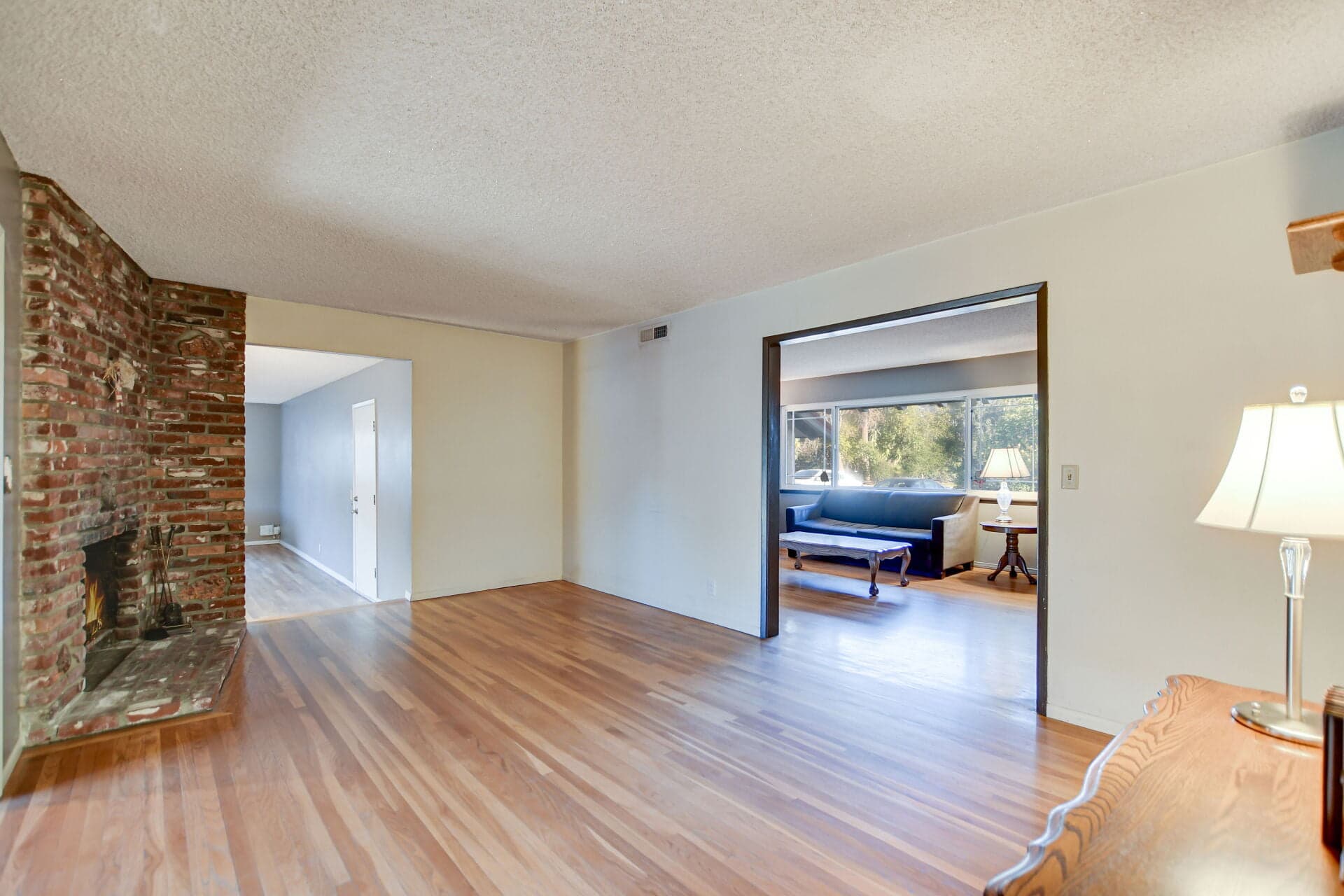
A large share of Claremont's rental inventory is decades old. Bungalows near the Village, post-war tracts, mid-century ranches, and converted second units all carry the same habitability standard as a building finished last year.
Age is not a defence. A galvanised supply line that finally closes up, a wall heater that will not light, a mid-century panel that trips whenever two appliances run at once - those are conditions, not history lessons.
What age does change is your maintenance posture. In older stock you should expect the failure, budget for it, and inspect for the early signs rather than waiting for a tenant to phone you at ten at night. Our guide to routine inspections of a Claremont rental covers how to look without becoming a nuisance.
The complaint is the trigger
The single most important operational rule: WRITE IT DOWN AND ACT ON IT.
When a tenant reports a condition, three things should happen the same day. You acknowledge receipt in writing. You log the date, the reported condition, and who reported it. You either schedule a vendor or explain, in writing, what you are doing and when.
Silence is what converts a routine repair into a dispute. A tenant who has been ignored starts looking for leverage, and the leverage available to a tenant with an unaddressed habitability complaint is substantial.
None of that requires you to accept every characterisation. You are allowed to inspect, to disagree about cause, and to find that the reported problem is cosmetic. You are simply not allowed to do nothing.
Repair timelines and reasonableness
The law speaks in terms of reasonable time, and reasonable is contextual. No heat in January is not the same as a slow bathroom drain. A failed water heater is not the same as a cabinet door that sticks.
Judge urgency by consequence:
- Conditions that make the unit unsafe or uninhabitable tonight - respond immediately, even if the fix is temporary.
- Conditions that will become unsafe if ignored - schedule within days and say so in writing.
- Cosmetic and convenience items - batch them, but still answer the message.
A landlord who documents an immediate response, a temporary mitigation, and a scheduled permanent repair is in a very different position from one who has a two-week gap and no record of why.
What tenants can do, and why it matters to you
California gives tenants remedies when habitability obligations are not met. Depending on circumstances and current law, those can include repair-and-deduct, withholding, code enforcement complaints, and defences raised in an unlawful detainer action.
You do not need to master the mechanics of each remedy. You need to understand the incentive it creates: an unaddressed condition can convert into a rent dispute, an inspection by the city, and a defence to any eviction you later attempt. The cheap fix is the fix done early.
Discuss the specifics with a landlord-tenant attorney before responding to any tenant claim of withholding or deduction. This is exactly the point where informal improvisation costs real money.
The things you must never do
These are prohibitions, not tactics, and there is no version of them that is clever.
- Do not change the locks on an occupied unit.
- Do not shut off water, power, or gas to pressure a tenant.
- Do not remove doors, windows, appliances, or a tenant's possessions.
- Do not respond to a habitability complaint or a code report with a rent increase, a notice, or a change in terms.
That last one is retaliation, and it is the mistake that turns a repairable dispute into a case. If a complaint and an adverse action land close together in time, expect the sequence to be read against you.
Building a habitability record before you need one
The owners who do well here are boring about paperwork.
Photograph the unit at move-in and move-out. Keep dated vendor invoices, not just receipts. Keep the maintenance log in one place rather than scattered across text threads. Keep the written acknowledgement you sent when the tenant first reported something.
That file does double duty. It is your habitability defence, and it is also the evidence base for deposit decisions at the end of the tenancy. The same discipline described in documentation that protects you applies here.
A word on vendors: use licensed trades for licensed work. A homeowner-grade repair on a rental is a false economy, because you will be asked to prove the repair was adequate, not merely that something was done.
Where this leaves a Claremont owner
Habitability is the least glamorous part of owning a rental and the part that most reliably decides whether an ownership period is calm or expensive. It rewards early money and punishes delay.
Treat every reported condition as a dated event. Fix the safety items first. Keep the paper. Ask counsel before you get creative.
For the wider operating picture, start at the rental properties hub, and read the companion piece on maintenance duties Claremont landlords carry next. Anthony Grynchal has been licensed in California since November 2009.
Frequently asked questions
Does an older Claremont home get a lower habitability standard?
No. The standard applies the same way regardless of the building's age. Older stock simply fails more often, so owners should inspect and budget accordingly rather than expect leniency.
How fast do I have to make a repair?
The law asks for a reasonable time, judged by the seriousness of the condition. Safety, heat, and water issues are urgent; cosmetic items are not. Document your response either way and confirm current requirements with counsel.
A tenant says they will withhold rent until a repair is done. What now?
Do not respond with a notice or a lock change. Address the condition, keep written records of every step, and speak with a landlord-tenant attorney before taking any action on the rent.
Can I ask the tenant to handle small repairs themselves?
You can agree on who handles minor upkeep in the lease, but you cannot shift the core habitability obligation onto the tenant. Have any such clause reviewed before you use it.

Written by
Anthony Grynchal
Anthony Grynchal is a California real estate professional with eXp Realty, licensed since November 2009 (California DRE# 01873626), and the Designated Local Expert™ for Claremont — where he has lived for more than 33 years.
More about AnthonyPublished · Updated