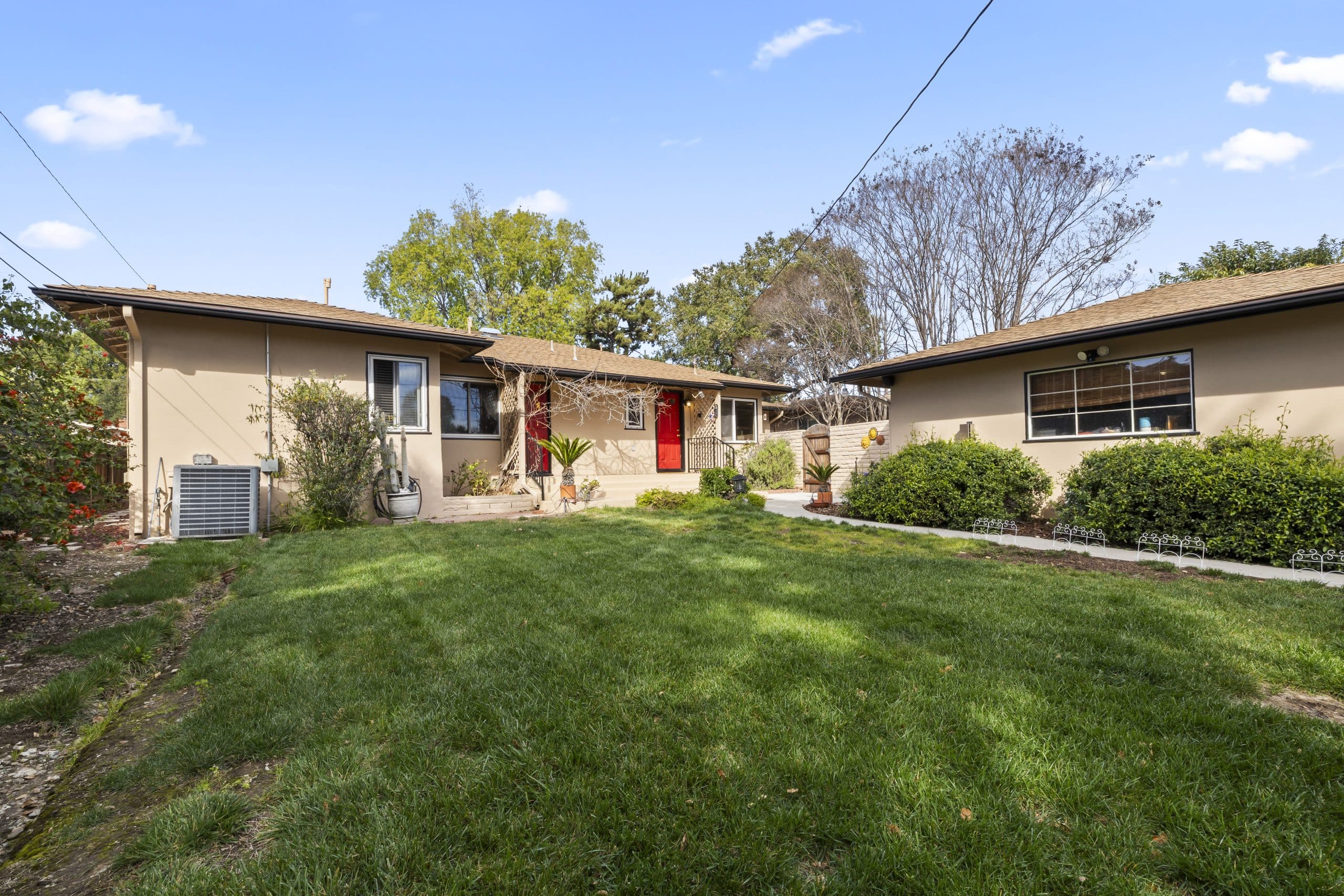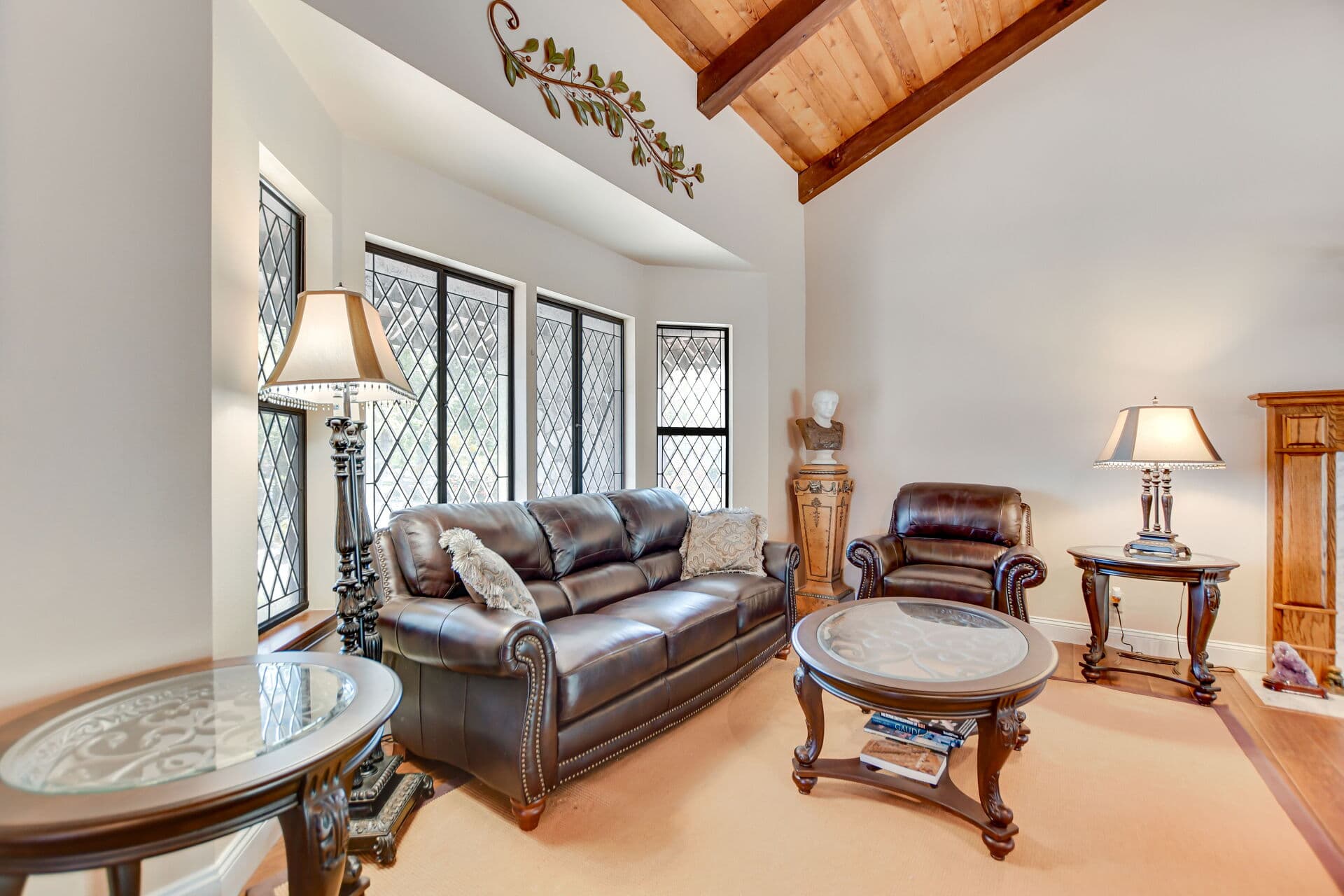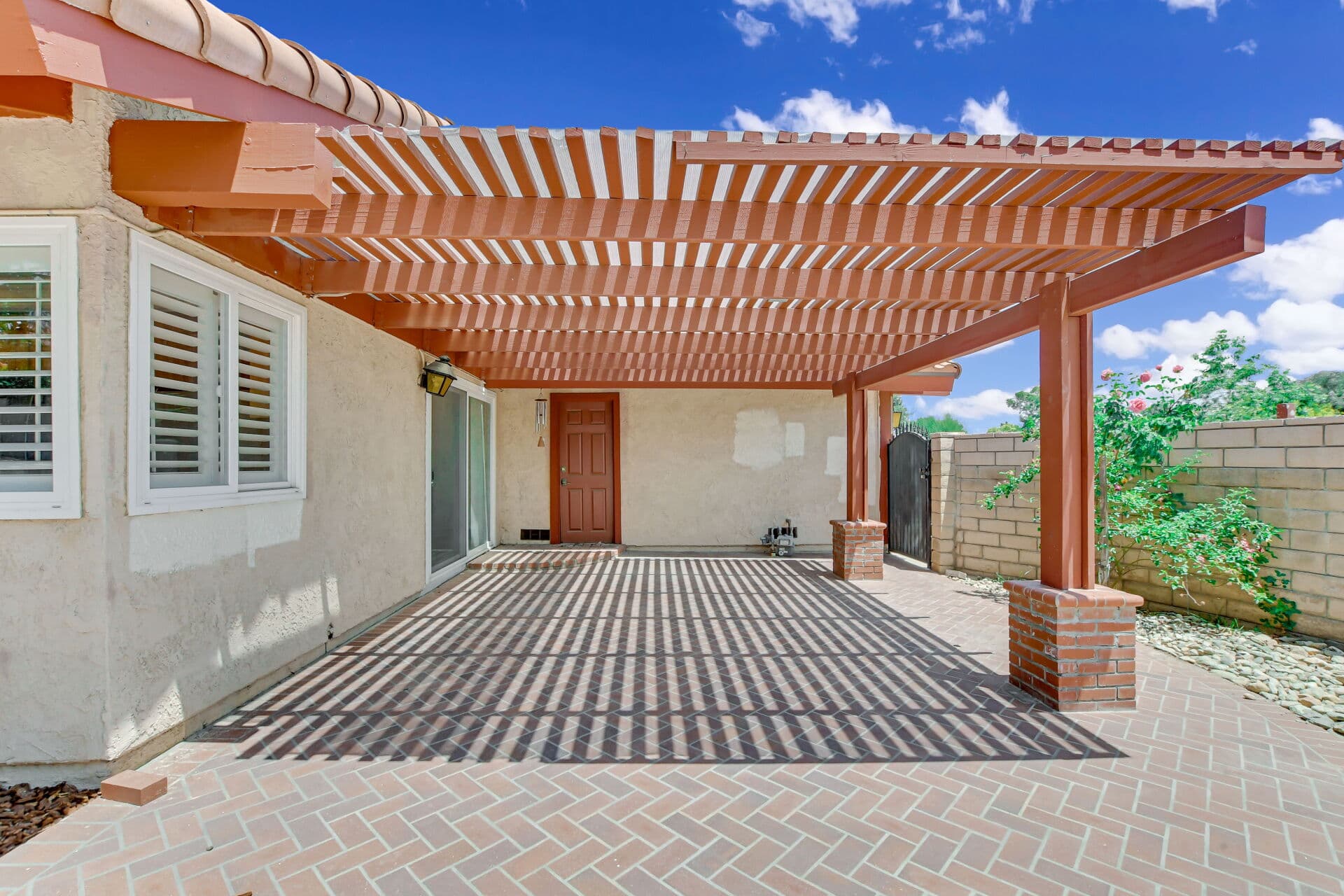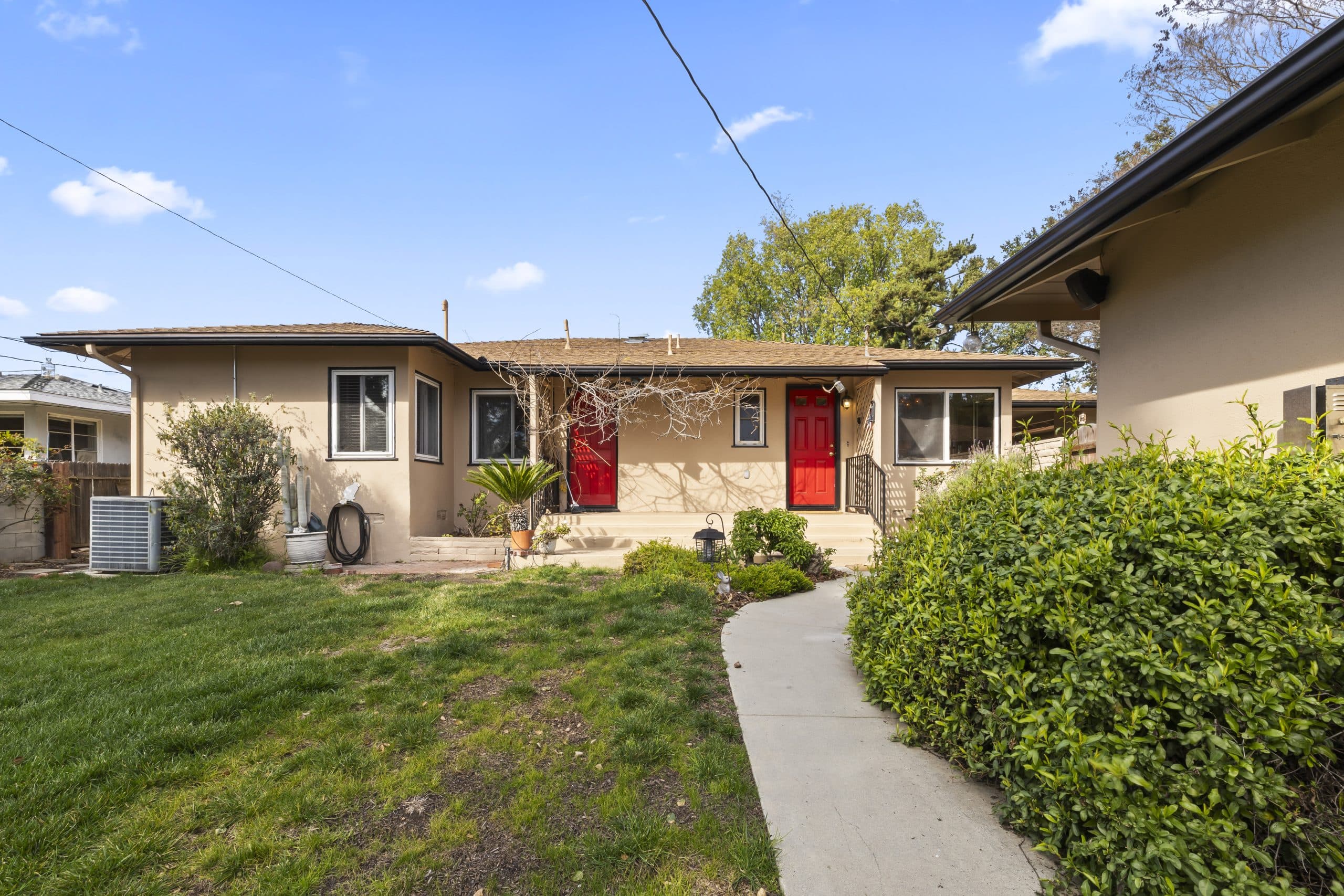
A large share of small landlords never decided to become one. They moved - for work, for family, for a bigger house - and kept the old place because selling felt final or the timing was wrong.
That is a legitimate route into ownership. It just tends to skip the setup work, because the house was never bought as a rental and nobody ever sat down and made it into one.
Here is the sequence to run before a tenant moves in.
Decide honestly whether to keep it
Start with the question, not the logistics.
Keeping a home because it is a sound asset is a decision. Keeping it because selling feels like a loss is a feeling wearing a decision's clothes.
Work through the real arithmetic for your own property: the mortgage, taxes, insurance at landlord rates, maintenance on a house of that age, a vacancy allowance, management if you will not self-manage, and the capital you have tied up. Compare that against what the equity would do elsewhere.
Then ask the tax question separately, because timing matters. There are rules about how a former primary residence is treated when it is later sold, and they change. Speak to a CPA BEFORE you convert, not in the year you decide to sell. This is one of the few decisions in this article that is genuinely difficult to undo.
Tell the people who need to know
Three calls, all before the listing goes up.
Your insurer. A homeowner policy is written on the assumption that you live there. Convert to a landlord policy and confirm the dwelling valuation, liability limit, and loss-of-rents provision. See landlord insurance for Claremont rentals.
Your lender. Loan documents frequently contain occupancy provisions, particularly on owner-occupied financing. Read them and ask rather than hoping.
Your association, if there is one. Governing documents may restrict leasing, set a minimum term, or require notification. Get a current copy.
Prepare the house as a rental, not as a home
The instinct is to leave it as you liked it. Resist that.
A rental needs durability and serviceability more than it needs personality. Before a tenant arrives:
- Fix everything you had learned to live with. The door that sticks, the slow drain, the switch that does nothing. Deferred items become maintenance calls the week after move-in.
- Service the systems - heating, water heater, roof, plumbing under sinks - and keep the invoices.
- Confirm smoke and carbon monoxide detection meets current requirements.
- Replace tired carpet and repaint in neutral tones. Do it now, while the house is empty and cheap to work in.
- Simplify the landscaping to something a tenant can realistically maintain, and set the irrigation timer.
- Remove or store anything personal or fragile. Anything you leave becomes your responsibility to maintain and replace.
Then document the condition thoroughly. A full dated photograph set of a clean, empty house is the most valuable single record you will ever create for this property. It decides deposit questions years later - see normal wear versus damage.
Check the permit history while it is empty
Older Claremont homes accumulate additions - a converted garage, an enclosed patio, a second unit at the back. Some were permitted and some were not.
Pull the permit history before you advertise any of it. Renting an unpermitted space is an enforcement risk and an insurance problem at once. The wider compliance checklist is in rental licences, inspections, and Claremont city rules.
Set up the operation before the tenant, not after
Once someone is in the house you are running a business, so build it first.
A separate bank account for the property. A written lease with current disclosures, reviewed by counsel rather than downloaded. Written screening criteria published with the listing and applied identically to every applicant - see screening tenants in Claremont. A vendor list for each trade. A filing system for reports, invoices, and communications. A decision, made in advance, about whether you are self-managing.
Owners who skip this improvise for the first year and then spend the second year reconstructing records they never kept.
Budget for the year, not the month
The arithmetic that catches converting owners is the assumption that rent covers the mortgage and the rest is profit.
Set money aside from the first month for the things that do not arrive monthly: a vacancy between tenancies, turnover work, the annual insurance premium, property taxes, and the large system that will eventually need replacing. On a house of any age, one of the roof, the heating, the water heater, or the sewer line is closer than it looks.
An owner with a reserve makes decisions. An owner without one defers repairs, and deferred repairs on a rental are how habitability problems start.
The emotional trap
This is the specific failure mode of the accidental landlord, and it is worth naming.
You are going to feel differently about this house than about an investment you bought. You will notice the picture hooks. You will feel proprietary about the garden. You may find yourself dropping by.
Do not. The tenant has exclusive possession, and entry requires proper notice and a proper reason. Casual visits are the fastest route from a good relationship to a complaint.
Set the rent on evidence rather than on what you feel the house deserves, and treat every applicant against the same written standard rather than looking for someone who will love it as you did. That is not the criterion, and selecting on it is where fair-housing problems begin.
The summary
Decide on arithmetic and get tax advice before converting. Call the insurer, the lender, and the association. Fix everything while it is empty, document the condition completely, and check the permit history. Build the business systems before the tenant arrives. Then treat the house as a property rather than a home.
Start at the rental properties hub for the operating topics that follow. Anthony Grynchal has been licensed in California since November 2009.
Frequently asked questions
Do I need to tell my lender that I am renting the house out?
Read your loan documents, which frequently contain occupancy provisions, particularly on owner-occupied financing. Ask the lender directly rather than assuming the change is unremarkable.
Should I get tax advice before converting?
Yes, and before the conversion rather than at sale. The treatment of a former primary residence when it is later sold depends on rules that change, and the timing of your decision affects the outcome. Speak to a CPA.
What preparation matters most?
Fix everything you had learned to live with, service the systems, repaint neutrally, and photograph the empty house in full. That photograph set is the record that settles deposit questions years later.
Can I drop by to check on my old house?
No. The tenant has exclusive possession, and non-emergency entry requires proper written notice and a legitimate reason. Informal visits are one of the most common causes of complaints against otherwise reasonable owners.

Written by
Anthony Grynchal
Anthony Grynchal is a California real estate professional with eXp Realty, licensed since November 2009 (California DRE# 01873626), and the Designated Local Expert™ for Claremont — where he has lived for more than 33 years.
More about AnthonyPublished · Updated