The lease is the document everyone thinks about. The packet is the thing that actually protects you.
A lease packet is the full set of paper a tenant receives and signs at move-in: the lease itself, the required disclosures, the addenda specific to that property, and the practical handover material. Assembled properly once, it becomes a checklist you reuse for every tenancy.
Assembled casually, it becomes the reason a dispute two years later has no paperwork behind it.
The lease is the spine, not the whole body
A well-drafted California lease covers the terms, the parties, the property, and the obligations on both sides. What clauses belong in it is its own subject, and the lease clauses article works through them.
Everything below sits around the lease. Some of it is required by law. Some of it is required by the property. Some of it simply prevents arguments.
Disclosures that ride with the property
LEAD-BASED PAINT. The federal lead disclosure rule applies to housing built before 1978. A large share of Claremont's housing stock predates that line, including much of the Village-adjacent and older north Claremont inventory. The rule requires giving the tenant the federal pamphlet, disclosing what you actually know about lead in the property, and providing any records or reports you hold. Confirm the current form of the disclosure rather than reusing a photocopy of unknown vintage.
MOLD. California requires a written disclosure when the owner knows of mold that exceeds recognized thresholds or poses a health risk. Note the trigger: known conditions. This is a disclosure obligation, not a certification that a property is mold-free.
BED BUGS. California requires that tenants receive information about bed bugs, including guidance on identification and on reporting suspected infestations. It is a standing informational disclosure, not something triggered by a problem.
THE SEX OFFENDER DATABASE NOTICE. California leases carry a standard statutory paragraph directing the tenant to the state database. It is a notice about where to look, not a representation by you about anything.
ENVIRONMENTAL HAZARD ZONES. Depending on the property, disclosures relating to natural hazard zones may apply. The north edge of Claremont sits against the foothills, and fire hazard designations in this region have been revised more than once. Check the current designation for the specific parcel rather than assuming.
UTILITY ARRANGEMENTS. If a unit shares a meter with another unit or with common areas, that has to be disclosed and the allocation method has to be written down. This one causes more month-to-month friction than any other item on the list, and it is treated at length in the utilities article.
PEST CONTROL NOTICES. Where a contracted pest control service treats the property on a schedule, tenants are entitled to the service's notice describing what is applied.
Requirements are added and amended by the legislature regularly. Treat the list above as the shape of the obligation, and confirm the current set with a landlord-tenant attorney before you finalize a packet you intend to reuse.
Addenda specific to the property
HOUSE RULES. Trash and recycling day, where bins live between collections, parking assignments, quiet hours, guest policy, whether the garage is included and what it may be used for.
YARD AND LANDSCAPING. Who waters, who mows, who prunes, and who pays. This is a real question in Claremont because of the mature tree canopy and because water use has been under restriction here in various forms for years. Do not leave it to be inferred.
PET POLICY. If pets are permitted, the terms belong in writing. A pet policy is a separate matter from an accommodation request for an assistance animal, and confusing the two is a fair housing risk.
SMOKING. State the policy for the interior, the yard, the balcony, and any shared areas.
HOA DOCUMENTS. If the property sits inside an association, the governing rules bind the occupant as well as the owner. Give the tenant the rules, and keep proof you did.
ALTERATIONS AND FIXTURES. What the tenant may install, what must be removed at exit, what becomes yours. Mounted televisions, shelving, and satellite equipment produce a predictable argument at turnover otherwise.
The handover material
This is the part with no legal requirement attached and the highest practical return.
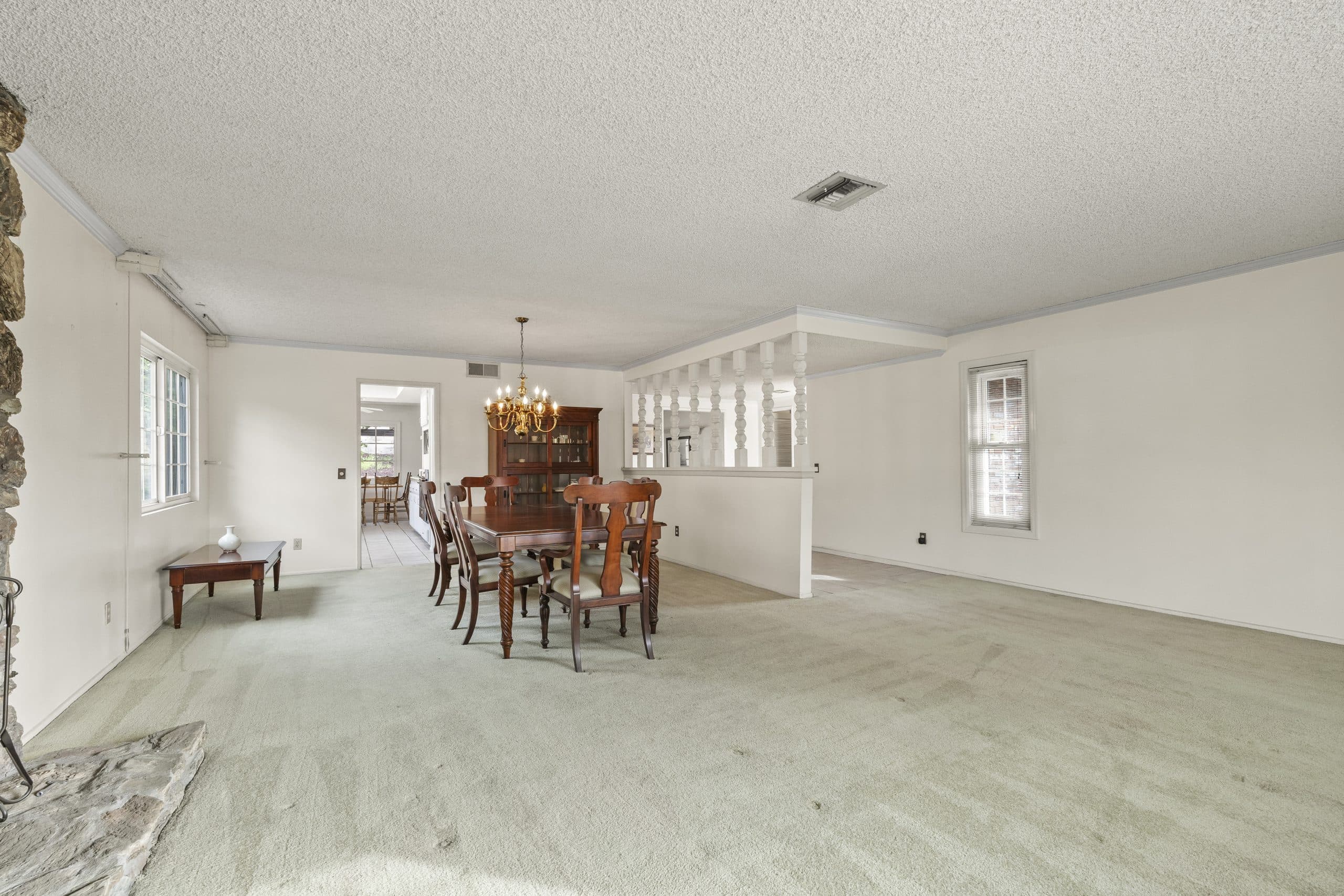
A CONDITION RECORD. Dated photographs of every room, every appliance, every floor surface, every wall, signed off by the tenant as accurate. This single document decides most deposit disputes, and its role is spelled out in the wear versus damage article.
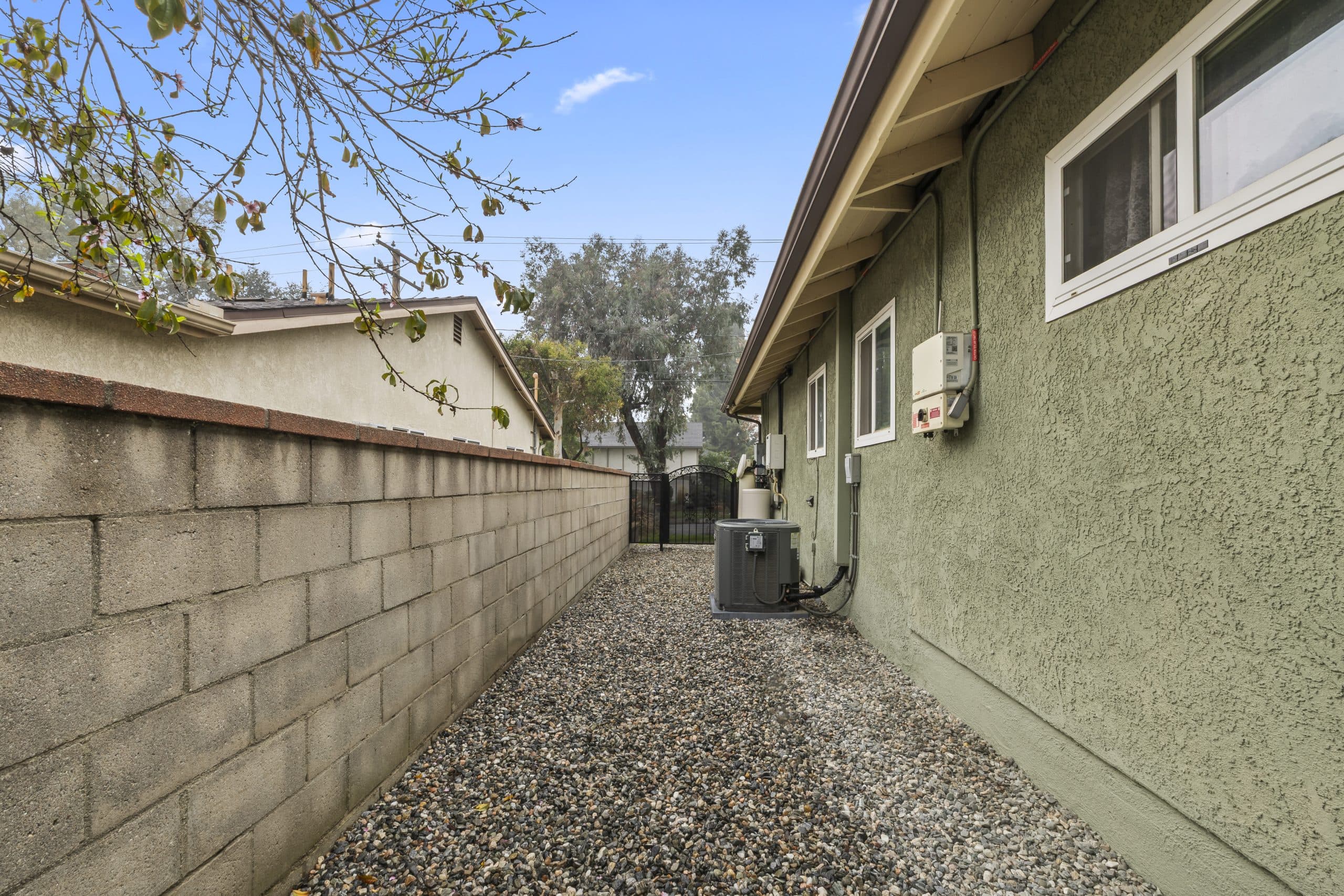
APPLIANCE AND SYSTEM INFORMATION. Make, model, and manuals for the furnace, water heater, air conditioning, and major appliances. Where the main water shutoff is. Where the electrical panel is. Where the gas shutoff is and how it is operated.
REPORTING INSTRUCTIONS. One channel for maintenance requests, in writing, with a stated expectation of how emergencies are handled differently from ordinary requests.
KEYS AND ACCESS. Every key, remote, fob, and mailbox key logged and signed for.
Assemble it once
Build the packet as a numbered checklist and run the same checklist for every tenancy. Have it reviewed by a landlord-tenant attorney at the outset and reviewed again periodically, because disclosure requirements change and a stale packet is a liability wearing the costume of a system.
Deliver it as one set, signed page by page, with a receipt acknowledging what was provided. Store the executed set with the tenancy file.
The point is not thoroughness for its own sake. It is that every future disagreement about what was agreed, what was disclosed, and what condition the property was in gets answered from a folder instead of from memory.
For the full operating picture, begin at the rental properties hub, then read the lease clauses article alongside this one. Anthony Grynchal has been licensed in California since November 2009.
Frequently asked questions
Does the lead paint disclosure apply to my Claremont rental?
The federal rule applies to housing built before 1978, and much of Claremont's housing stock predates that year. Check the construction date for your specific property and use the current federal disclosure form and pamphlet rather than an old photocopy.
Do I have to give a tenant the HOA rules?
If the property is governed by an association, the occupant is bound by those rules, so provide them with the packet and keep proof of delivery. Enforcement problems become much harder when a tenant can say they never received the rules they are accused of breaking.
Is a move-in condition report legally required?
Requirements around inspection and deposit accounting vary and should be confirmed with counsel, but as a practical matter a dated, tenant-signed photographic record is the single most useful document you will ever create for a rental. Do it whether or not it is required.
How often should the packet be reviewed?
Disclosure obligations are amended regularly. Have a landlord-tenant attorney review the packet periodically and before any major reuse, rather than assuming last year's set is still complete.
Can I put the pet policy and an assistance animal policy in the same addendum?
Keep them separate. A pet policy is a business term you set. A request for an assistance animal is an accommodation request governed by fair housing law and evaluated on a different footing entirely.

Written by
Anthony Grynchal
Anthony Grynchal is a California real estate professional with eXp Realty, licensed since November 2009 (California DRE# 01873626), and the Designated Local Expert™ for Claremont — where he has lived for more than 33 years.
More about AnthonyPublished · Updated